
Legal Aspects of Chartering
Charter Party is the foundational contract in ship chartering, establishing the rights and obligations of the shipowner and the charterer. It outlines the type of charter, the vessel’s specifications, freight rates, laytime, demurrage, and …
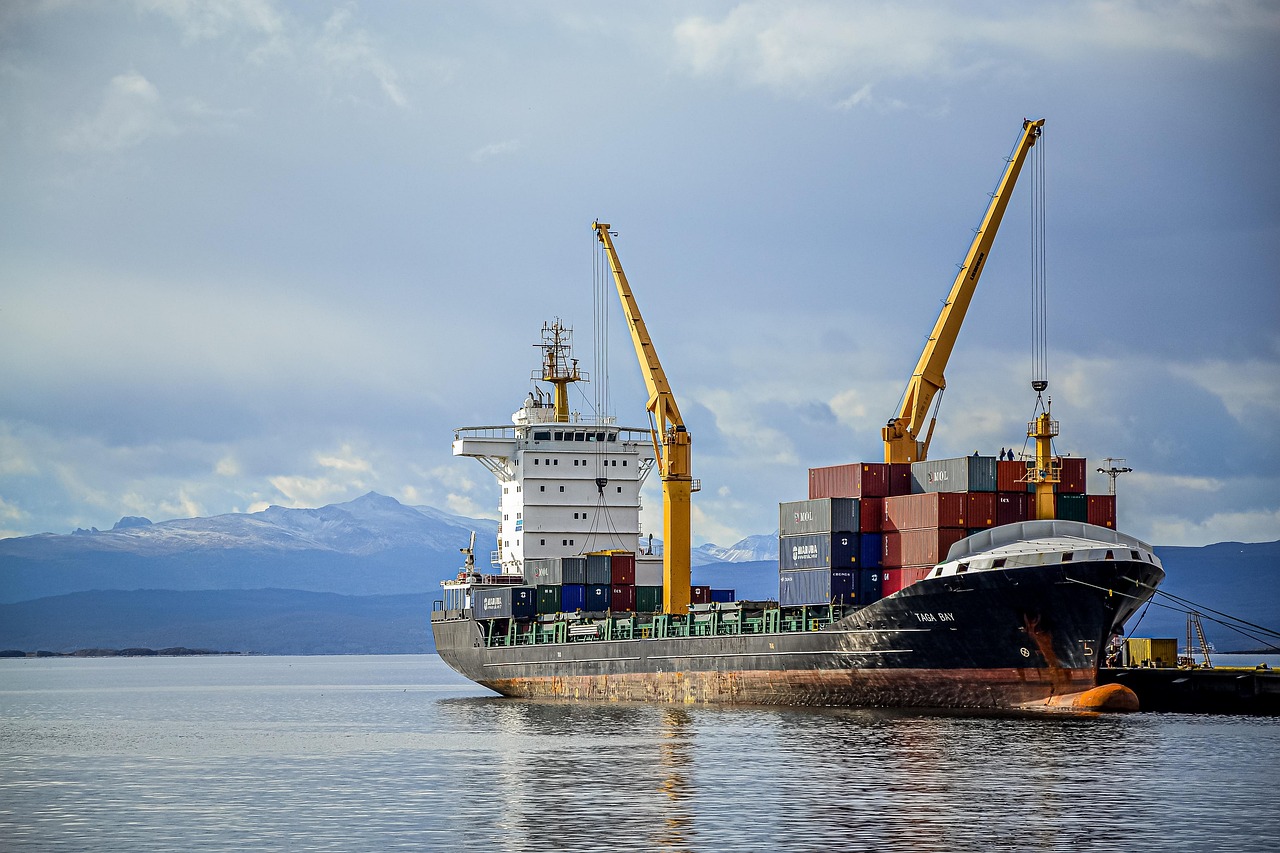
Charter Party is the foundational contract in ship chartering, establishing the rights and obligations of the shipowner and the charterer. It outlines the type of charter, the vessel’s specifications, freight rates, laytime, demurrage, and the legal regime governing the agreement. For example, a voyage charter party will specify a particular cargo route, while a time charter will set a period of use. Understanding the Charter Party is essential because it is the primary source of legal recourse in disputes, and it determines which jurisdiction’s law applies.
Voyage Charter is a contract where the charterer hires the vessel for a single voyage between specified ports with a defined cargo. The shipowner provides the crew, fuel, and navigation, while the charterer pays freight based on cargo quantity. Practical application includes a grain trader arranging a single trip from the United States to Europe. Challenges often arise concerning the calculation of freight when cargo is partially loaded or when the vessel deviates from the agreed route due to weather, invoking the doctrine of deviation.
Time Charter grants the charterer the use of a vessel for a set period, typically measured in months. The charterer assumes responsibility for the vessel’s commercial operation, including cargo loading, voyage planning, and fuel consumption, while the shipowner continues to manage crewing and maintenance. A common example is a shipping company chartering a bulk carrier for a twelve‑month period to meet seasonal demand. Legal challenges include disputes over fuel cost adjustments, known as bunker clauses, and the allocation of responsibility for damages caused by the charterer’s operational decisions.
Bareboat Charter (or demise charter) transfers full possession and control of the vessel to the charterer, who becomes the de facto owner for the charter period. The charterer assumes all responsibilities, including crewing, insurance, and compliance with maritime regulations. An example is a logistics firm that wants complete operational control of a vessel to integrate it into its supply chain. The primary legal difficulty lies in the distinction between ownership and possession, especially when the vessel is involved in a collision; liability may shift to the charterer under the terms of the charter.
Freight denotes the payment made by the charterer to the shipowner for the carriage of cargo. In a voyage charter, freight is usually expressed per ton of cargo, while in a time charter, it is expressed as a daily rate. Freight can be subject to adjustments for factors such as cargo weight variations, currency fluctuations, or unexpected delays. For instance, if a shipment of coal is lighter than anticipated, the freight may be prorated, leading to disputes that require careful clause drafting to prevent ambiguity.
Demurrage is a penalty payable by the charterer to the shipowner for exceeding the agreed laytime. It compensates the shipowner for the vessel’s idle time beyond the stipulated period. A typical scenario involves a bulk carrier waiting at a port for loading due to labor strikes; the charterer must pay demurrage for each day of delay. Challenges often involve calculating laytime accurately, especially when interruptions occur for reasons such as weather or equipment failure, which may be considered permissible causes under the charter party.
Laytime is the amount of time allowed for loading and discharging cargo without incurring demurrage. It is usually measured in hours or days and is calculated based on the cargo volume, port facilities, and agreed efficiency rates. For example, a charter party may allocate 48 hours for loading 60,000 metric tons of iron ore. Determining laytime can become contentious when there are disputes over the start and stop of the clock, particularly if the vessel experiences delays caused by the charterer’s instructions or unforeseen circumstances.
Notice of Readiness (NOR) is a formal declaration by the shipowner that the vessel has arrived at the loading or discharging port, is ready to load or discharge cargo, and meets all contractual conditions. The issuance of NOR triggers the commencement of laytime. A practical example is a tanker arriving at a terminal and sending an NOR to the charterer’s agent. Legal challenges arise when the charterer disputes the adequacy of the vessel’s readiness, leading to potential disputes over the timing of laytime commencement and the calculation of demurrage.
Bill of Lading (B/L) is a negotiable document issued by the carrier that serves as a receipt for the cargo, evidence of the contract of carriage, and a document of title. It is essential for the charterer to ensure that the bill of lading reflects the terms of the charter party and complies with applicable law. For instance, a B/L may be issued to a consignee in a different jurisdiction, raising issues of jurisdiction and choice of law. Challenges include discrepancies between the B/L and the actual cargo condition, leading to claims of misdelivery or underdelivery.
General Average is a principle whereby all parties in a maritime venture proportionally share the costs incurred from a sacrifice made for the common safety of the ship and cargo. An example is jettisoning cargo to prevent a vessel from sinking during a storm; the loss is then apportioned among all cargo owners and the shipowner. The legal framework for General Average is governed by maritime conventions such as the York‑Antwerp Rules. Practical challenges include determining the value of the loss, calculating each party’s contribution, and ensuring timely security and payment, as failure to pay can result in the cargo being detained.
Salvage refers to the compensation awarded to those who voluntarily assist in rescuing a ship or its cargo from peril. Salvage claims arise when a vessel is in distress, and third‑party salvors provide assistance. The amount is determined based on factors like the value of the property saved, the degree of danger, and the skill employed. For example, a tugboat that helps a grounded vessel may claim salvage under maritime law. Legal disputes often revolve around the valuation of the saved property and the extent of the salvors’ contribution, especially when multiple salvors are involved.
Collision Clause in a charter party allocates responsibility for damage resulting from a collision. Typically, the clause may stipulate that the shipowner is liable for collisions caused by crew negligence, while the charterer may assume liability for collisions resulting from the charterer’s instructions. A practical scenario involves a vessel colliding with a port structure while following a charterer’s loading plan; the clause determines which party bears the cost. Challenges include interpreting the clause when fault is shared or when the cause is ambiguous, often leading to arbitration.
Force Majeure is a contractual provision that relieves parties from performance obligations when extraordinary events beyond their control prevent fulfillment. In maritime contracts, force majeure may include war, piracy, natural disasters, or governmental actions. For instance, a sudden embargo that blocks a port could trigger a force majeure clause, excusing the charterer from paying demurrage. The legal difficulty lies in proving that the event qualifies as force majeure and that the affected party took reasonable steps to mitigate the impact.
Hague‑Visby Rules constitute an international convention governing the carriage of goods by sea, establishing the carrier’s liability limits and responsibilities. Although primarily applied to bills of lading, the rules influence charter parties by setting standards for cargo handling and liability. For example, a charterer may rely on the Hague‑Visby Rules to limit liability for cargo damage. Challenges arise when the charter party incorporates or excludes the Rules, leading to potential conflicts of law and the need for careful drafting to align with the parties’ risk allocation objectives.
Carriage of Goods by Sea Act (COGSA) is a United States statute that codifies the liability of carriers for cargo loss or damage. While COGSA applies mainly to U.S. Ports, its principles are often incorporated into charter parties involving U.S. Trade. An example is a charterer invoking COGSA to claim compensation for damaged cargo upon arrival in New York. Legal challenges include reconciling COGSA’s liability limits with the charter party’s own clauses, especially when the parties have selected a different governing law.
Choice of Law Clause specifies which jurisdiction’s substantive law will govern the charter party. This clause is critical because maritime law can vary significantly between jurisdictions. For instance, a charter party may state that English law governs all disputes, providing predictability for parties accustomed to the English legal system. Challenges arise when the chosen law conflicts with mandatory provisions of another jurisdiction, such as local consumer protection statutes, potentially rendering certain clauses unenforceable.
Arbitration Clause designates arbitration as the method for dispute resolution, often specifying the appointing institution, language, and seat of arbitration. Arbitration is favored in maritime contracts for its speed, confidentiality, and expertise. A common example is an arbitration clause referencing the London Maritime Arbitrators Association (LMAA) with London as the seat. Practical challenges include the cost of arbitration, the enforceability of awards in foreign jurisdictions, and ensuring that the clause covers all potential disputes, including those arising from third‑party claims.
Jurisdiction Clause determines the courts that have authority to hear disputes arising from the charter party. While arbitration is often preferred, parties may also retain the right to bring certain claims before national courts, especially for matters like security or enforcement of liens. For example, a charter party may specify that any action to enforce a lien must be brought in the courts of the United Kingdom. Conflict can arise when a jurisdiction clause is inconsistent with an arbitration clause, necessitating careful drafting to avoid ambiguity.
Insurance Clause outlines the insurance requirements that the shipowner must maintain, such as hull and machinery insurance, protection and indemnity (P&I) coverage, and freight insurance. The clause may stipulate minimum limits, policy forms, and the requirement for certificates of insurance to be provided to the charterer. For instance, a charterer may require the shipowner to maintain P&I coverage of at least US$100 million. Challenges include ensuring that the insurance is adequate for the risks covered, that the policies are valid in all relevant jurisdictions, and that any breach of the insurance clause triggers appropriate remedies.
Indemnity Clause obligates one party to compensate the other for losses arising from specified events. In charter parties, indemnity provisions often require the charterer to indemnify the shipowner against liabilities resulting from the charterer’s cargo, such as pollution or cargo contamination. A practical example is a charterer agreeing to indemnify the shipowner for any oil spill caused by a cargo of hazardous chemicals. Legal challenges can surface when the scope of indemnity is too broad, potentially conflicting with public policy or statutory limitations on liability.
Pollution Clause addresses liabilities and responsibilities related to environmental contamination caused by the vessel. It may require the charterer to bear the cost of cleanup and fines if the cargo is the source of pollution, while the shipowner remains liable for pollution caused by the vessel’s machinery. For example, a tanker carrying crude oil may have a clause stating that the charterer is responsible for any oil spill resulting from cargo handling errors. The complexity of international environmental law, including conventions like MARPOL, can make compliance and enforcement of pollution clauses a significant challenge.
Port State Control refers to the authority of a sovereign state to inspect foreign vessels in its ports to ensure compliance with international regulations. Charter parties may contain clauses that allocate responsibility for complying with port state control inspections. For instance, a clause may require the shipowner to ensure that the vessel meets all applicable safety and environmental standards before arrival. Failure to comply can result in detention, fines, or denial of cargo loading, leading to delays and additional costs. Legal disputes often revolve around who bears the risk of detention and associated demurrage.
Performance Bond is a guarantee, often issued by a bank or insurer, that the shipowner will fulfill its obligations under the charter party. The bond may be called upon if the vessel fails to appear, is unseaworthy, or breaches critical terms. For example, a charterer may require a performance bond of US$1 million to secure the shipowner’s commitment to deliver the vessel on time. Challenges include negotiating the amount, conditions for drawing on the bond, and ensuring that the bond is enforceable under the chosen jurisdiction’s law.
Security Clause deals with the provision of security for the performance of contractual obligations, such as a pledge of the vessel or a bank guarantee. It may be invoked when the charterer defaults on payments. A practical scenario is a charterer who fails to pay freight; the shipowner may enforce the security clause to claim the vessel or the guarantee. Legal issues can arise concerning the priority of creditors, the enforceability of security interests in different jurisdictions, and the interaction with maritime liens.
Off‑Hire Clause defines circumstances under which the vessel is deemed not to be in service, thereby suspending the charterer’s payment obligations. Common off‑hire events include breakdowns, damage, or delays caused by the shipowner’s failure to maintain the vessel. For example, a mechanical failure that prevents the vessel from sailing may trigger an off‑hire period, during which the charterer does not pay hire. The challenge lies in accurately determining when an off‑hire event begins and ends, especially when multiple parties contribute to the vessel’s unavailability.
Laytime Calculation Clause provides the method for calculating laytime, often specifying the use of “time sheets” or “notice of readiness” timestamps. It may also define permissible interruptions, such as weather delays or cargo handling problems. For instance, a clause may state that laytime is measured in working days, excluding weekends and public holidays. Disputes frequently arise over the interpretation of “working days,” the treatment of partial days, and the impact of interruptions, making precise drafting essential to avoid costly litigation.
Hitch‑up Clause (or “hitch‑up provision”) addresses the situation where a vessel is delayed at a port beyond the agreed laytime, allowing the charterer to request that the vessel be released to another charterer. The clause may stipulate compensation for the original charterer’s loss of use. A practical example is a shipowner who, after the charterer’s demurrage period expires, hitches the vessel up to a new charterer for a higher rate. Legal challenges include determining the fairness of compensation, the calculation of loss, and ensuring that the hitch‑up does not breach the original charter party.
Cancellation Clause outlines the conditions under which either party may terminate the charter party before performance. It may include notice periods, penalties, and the treatment of prepaid freight. For example, a charterer may cancel a time charter with 30 days’ notice, paying a cancellation fee equal to one month’s hire. The difficulty lies in balancing the parties’ need for flexibility with the risk of abrupt termination, especially when the shipowner has already incurred expenses preparing the vessel.
Assignment Clause governs the ability of a party to transfer its rights and obligations under the charter party to a third party. It may restrict assignment without consent or allow it freely. For instance, a charterer may assign the charter to a subsidiary to consolidate operations, subject to the shipowner’s approval. Legal issues arise when the assignee assumes liabilities that the original party did not anticipate, potentially leading to disputes over the enforceability of the assignment.
Re‑let Clause allows the shipowner to re‑let the vessel to another charterer if the original charterer defaults. The clause typically specifies the method of re‑letting, the notice period, and the calculation of damages owed by the defaulting charterer. For example, if a charterer fails to pay hire, the shipowner may re‑let the vessel on a spot market basis and claim the difference as damages. Challenges include proving that the re‑let rate is reasonable, demonstrating that the re‑let was conducted in good faith, and addressing any contractual limitations on re‑letting.
War Risk Clause addresses the allocation of risk for damage or loss caused by war, civil unrest, or related perils. It may require the charterer to pay additional war risk premiums or to assume liability for such events. A practical scenario is a vessel operating in the Gulf of Aden during heightened piracy activity; the clause may stipulate that the charterer bears the cost of any ransom or additional insurance. Legal complexities stem from the definition of “war” versus “piracy,” the applicability of international conventions, and the potential for the clause to be deemed void under public policy.
Piracy Clause specifically deals with incidents of piracy or armed robbery at sea. It may require the charterer to pay for additional security measures, such as armed guards, or to compensate the shipowner for any losses incurred. For instance, a vessel transiting a high‑risk area may have a clause mandating that the charterer cover the cost of private security teams. Challenges include determining responsibility for damage caused by piracy, the interaction with insurance policies, and the impact on the vessel’s insurance premiums.
Hague‑Jersey Rules (also known as the Hague‑Visby Rules) are the prevailing international standards governing the carriage of goods by sea, establishing the carrier’s liability and the limits of that liability. While primarily applied to bills of lading, the rules influence charter parties by providing a benchmark for cargo liability. For example, a charterer may rely on the Hague‑Jersey Rules to limit liability for cargo damage to a specified amount per kilogram. The difficulty lies in ensuring that the charter party’s clauses do not conflict with the mandatory provisions of the Rules, which could render those clauses ineffective.
Notice of Intended Claim is a formal communication required under many charter parties before a party can pursue legal action. It typically specifies the nature of the claim, the amount sought, and the basis for the claim. For instance, a shipowner may issue a notice of intended claim to a charterer for unpaid demurrage, giving the charterer an opportunity to settle before litigation. Legal challenges include ensuring that the notice complies with the contractual timeframes and content requirements; failure to do so may bar the claim altogether.
Seaworthiness Clause obligates the shipowner to deliver a vessel that is fit for the intended voyage, including compliance with safety standards, equipment, and crew competence. The clause may also define remedies if the vessel is unseaworthy, such as reduction of hire or termination of the charter. A practical example is a charterer refusing to load cargo on a vessel that lacks a functional navigation system, invoking the seaworthiness clause to demand repairs. Determining seaworthiness can be contentious, often requiring expert surveys and leading to disputes over responsibility for remedial costs.
Fuel Clause (or bunker clause) specifies the responsibilities for fuel supply, consumption, and cost adjustments. In a time charter, the charterer typically pays for fuel, while in a voyage charter, the shipowner may provide bunker at a pre‑agreed price. For example, a clause may state that the charterer shall provide bunkers at the prevailing market price per metric ton. Challenges arise when fuel prices fluctuate sharply, leading to disagreements over the appropriate adjustment formula, or when the vessel’s fuel consumption exceeds expectations due to unexpected weather conditions.
Speed Clause sets a minimum or maximum speed the vessel must maintain during the charter period, often linked to performance guarantees or charter hire calculations. A common provision may require the vessel to maintain an average speed of 13 knots, with penalties for non‑compliance. Practical issues include accounting for currents, weather, and mechanical limitations that may affect speed. Legal disputes can emerge when the charterer claims that the shipowner failed to meet the speed requirement, leading to reduced hire or claims for damages.
Lay‑Days Clause is a variant of laytime, specifying the number of days allotted for loading and discharging without incurring demurrage. It may be expressed as “lay‑days” for a specific cargo quantity, providing a buffer for operational delays. For instance, a charter party may allocate 5 lay‑days for loading 70,000 metric tons of coal. The challenge lies in managing the interplay between lay‑days, permissible delays, and the calculation of demurrage when the lay‑days are exhausted.
Port Clause defines the ports of loading and discharge, including any restrictions on the vessel’s size, draft, or berthing facilities. It may also limit the charterer’s ability to change ports without consent. For example, a clause may restrict discharge to a specific terminal with a maximum draft of 15 meters. Legal complications arise when a port’s conditions change after the charter is signed, such as dredging delays or regulatory changes, potentially requiring renegotiation or invoking force majeure.
Survey Clause requires a qualified surveyor to inspect the vessel, cargo, or damage before acceptance or claim settlement. The clause may specify the surveyor’s qualifications, the timing of the survey, and the allocation of costs. A practical scenario is a charterer requesting a cargo survey after unloading to verify the condition of the goods. Disagreements can occur over the surveyor’s findings, the scope of the survey, and the responsibility for survey costs, often leading to prolonged negotiations.
Notice Period Clause sets the amount of advance notice required for certain actions, such as termination, off‑hire, or re‑let. For instance, a charterer may be required to give 48 hours’ notice before canceling a voyage charter. The purpose of the clause is to provide predictability and allow the other party to mitigate losses. Challenges arise when parties dispute whether the notice was timely or sufficient, especially in fast‑moving shipping markets where conditions can change rapidly.
Limitation of Liability Clause caps the amount of damages that a party can be required to pay under the charter party. It often references statutory limits, such as those set by the International Convention on Limitation of Liability for Maritime Claims (LLMC). For example, a clause may limit the shipowner’s liability for cargo loss to US$100 per ton. Legal difficulties include ensuring that the limitation does not contravene mandatory local laws, that the clause is enforceable, and that the parties understand the extent of the limitation.
General Conditions of the NYPE Charter Party are a set of standardized terms widely used in the industry, covering aspects such as freight, demurrage, off‑hire, and arbitration. The New York Produce Exchange (NYPE) form provides a common framework, reducing negotiation time. However, parties often amend or supplement the NYPE conditions to address specific concerns. Practical challenges include reconciling NYPE clauses with local regulations, ensuring consistency with other contractual documents, and avoiding unintended consequences from inherited provisions.
Standard Form of the BIMCO Time Charter Party (BIMCO Time Charter) is another widely accepted template, incorporating industry‑standard clauses on hire, fuel, speed, and performance. The BIMCO form allows for customization while maintaining a familiar structure for practitioners. For example, the form includes a “Bunker Clause” that can be tailored to reflect market practices. Legal issues can arise when parties rely on the standard form without fully understanding the implications of each clause, leading to disputes over interpretation.
American Clause is a provision commonly found in US‑related charter parties that imposes additional obligations on the shipowner, such as compliance with US customs, immigration, and environmental regulations. It may require the shipowner to obtain a US‑issued Certificate of Registry or to adhere to specific safety standards. A practical example is a charterer requiring the vessel to be “US‑compliant” for loading at a US port. The challenge is that the American Clause can impose onerous requirements on foreign‑registered vessels, potentially increasing costs and operational complexity.
Harmonized System (HS) Code is an internationally standardized system of names and numbers for classifying traded products. While not a legal term per se, the HS code is frequently referenced in charter parties to specify cargo types, influencing freight rates and insurance coverage. For instance, a charter party may list the cargo as HS Code 2601 for coal, affecting the applicable freight calculation. Misclassification can lead to customs penalties, insurance disputes, and contractual breaches, underscoring the importance of accurate identification.
Freight Rate Adjustment Clause provides a mechanism for adjusting freight rates in response to changes in market conditions, currency fluctuations, or other agreed factors. The clause may reference a recognized index, such as the Baltic Dry Index, to determine adjustments. For example, a clause may state that freight will be increased by 5 % if the Baltic Dry Index rises above a specified level. The difficulty lies in selecting an appropriate index, defining the trigger events, and managing the impact on both parties’ financial expectations.
Dead‑Freight Clause addresses the situation where cargo is not loaded as agreed, allowing the charterer to claim compensation for the unutilized freight capacity. The clause may stipulate that the charterer must pay for the space reserved even if the cargo is not delivered. A practical scenario is a charterer who cancels a shipment of iron ore after the vessel has already set sail, invoking the dead‑freight clause to recover the lost revenue. Legal challenges involve proving the amount of dead‑freight owed and ensuring that the clause is enforceable under the governing law.
Lay‑Time Earned Clause calculates the amount of laytime that the charterer has actually earned, taking into account permissible delays and interruptions. This clause is essential for determining whether demurrage is payable. For instance, a clause may specify that weather delays of up to 24 hours are excluded from laytime calculations. The challenge is accurately tracking all interruptions, especially when multiple parties provide conflicting information, leading to disputes over the actual lay‑time earned.
Performance Guarantee Clause requires the charterer to provide a guarantee, often in the form of a bank guarantee or standby letter of credit, to ensure performance of obligations such as payment of freight and demurrage. The guarantee may be called upon if the charterer defaults. A practical example is a charterer providing a US$2 million standby letter of credit to secure freight payments. Legal issues arise when the guarantee is disputed, such as when the shipowner attempts to draw on it without proper notice, or when the guarantor challenges the claim’s validity.
General Average Declaration is a formal notice issued by the shipowner or master indicating that a General Average act has been undertaken. The declaration triggers the process of apportioning costs among all parties. For example, after jettisoning cargo to save a vessel, the master issues a General Average Declaration, and the shipowner demands security from cargo owners. The legal complexity lies in the timing of the declaration, the calculation of contributions, and the enforcement of security, especially when cargo owners contest the claim.
Security for General Average is a requirement that cargo owners provide a security, often in the form of a bank guarantee, before the cargo is released. This protects the shipowner against the risk of non‑payment of General Average contributions. A practical scenario is a cargo owner presenting a letter of credit to the shipowner’s bank as security. The challenge is ensuring that the security is sufficient, that it is released promptly after the General Average is settled, and that the process does not unduly delay cargo delivery.
Time Charter Hire is the periodic payment made by the charterer to the shipowner for the use of the vessel under a time charter. It is usually expressed as a daily rate and may be subject to adjustments for fuel consumption, speed, or market conditions. For instance, a charterer may agree to pay US$15 000 per day, with a clause allowing for a 10 % increase if fuel prices rise sharply. Legal disputes can arise over the calculation of hire, especially when the vessel is off‑hire for repairs or when the charterer fails to pay on time.
Off‑Hire Event is an incident that temporarily relieves the charterer from paying hire, such as vessel damage, crew strikes, or engine failure. The charter party typically defines the circumstances that constitute an off‑hire event and the procedure for notifying the shipowner. For example, a breakdown that disables the vessel for three days may trigger an off‑hire period, during which the charterer does not owe hire. The difficulty lies in proving that the event meets the contractual definition, and in determining whether the period should be counted as off‑hire or demurrage.
Lay‑Time Earned Clause (repeated for emphasis) calculates the actual time used for cargo operations, discounting permissible delays. Accurate computation of lay‑time earned is critical for determining demurrage liability. For instance, a clause may state that any stoppage caused by the charterer’s instructions does not count toward lay‑time, thereby protecting the shipowner from demurrage claims. Legal challenges often involve evidence of when the clock started and stopped, and whether certain interruptions qualify as permissible under the contract.
Performance Standard Clause sets specific performance criteria for the vessel, such as speed, fuel efficiency, and emissions compliance. It may include penalties for failure to meet the standards. A practical example is a clause requiring the vessel to achieve an average speed of 13 knots while maintaining emissions below a certain threshold. If the vessel fails to meet the speed, the charterer may claim a reduction in hire or seek damages. The challenge is measuring performance objectively, especially when external factors like currents or weather affect the vessel’s ability to meet the standards.
Surveyor’s Report Clause mandates that a surveyor’s report be prepared following any incident affecting the vessel or cargo, and that the report be binding on the parties. For example, after a collision, the parties may agree that the surveyor’s findings on damage extent are final. The legal difficulty is that parties may dispute the surveyor’s independence or expertise, leading to challenges to the report’s validity.
Dead‑Freight Clause (repeated) ensures that the charterer compensates the shipowner for unused cargo capacity when the cargo is not loaded as agreed. The clause protects the shipowner’s revenue expectations. A typical dispute involves calculating the amount of dead‑freight owed when partial cargo is loaded, requiring precise measurement of the unutilized space.
Cargo Damage Clause outlines the responsibilities and liabilities for damage to cargo during loading, carriage, and discharge. It may allocate liability to the shipowner, charterer, or cargo owners, depending on the cause. For instance, a clause may state that the shipowner is liable for damage caused by negligence of the crew, while the charterer is liable for damage resulting from improper cargo handling instructions. The complexity lies in proving causation and fault, especially when multiple parties are involved.
Pollution Liability Clause (repeated) defines the allocation of responsibility for environmental damage, often requiring the charterer to indemnify the shipowner for pollution caused by the cargo. The clause may reference international conventions such as MARPOL, and may require the charterer to maintain appropriate insurance. Legal challenges include determining whether the pollution resulted from the cargo or the vessel’s equipment, and ensuring that the indemnity does not exceed statutory limits.
Insurance Requirements Clause (repeated) mandates specific insurance coverage for the vessel and cargo, including hull and machinery, P&I, and freight insurance. The clause may require the shipowner to provide certificates of insurance, and may allow the charterer to verify coverage. Failure to meet insurance requirements can lead to breach of contract and potential liability for uninsured losses.
Force Majeure Clause (repeated) relieves parties from performance when extraordinary events beyond their control occur. The clause must be drafted carefully to define qualifying events, notice requirements, and mitigation obligations. For example, a sudden embargo that prevents a vessel from entering a port may trigger force majeure, excusing the charterer from paying demurrage. Legal disputes often revolve around whether the event qualifies, whether the party took reasonable steps to mitigate the impact, and the effect on other contractual obligations.
Arbitration Rules Clause (repeated) specifies the procedural rules governing arbitration, such as those of the London Maritime Arbitrators Association (LMAA) or the International Chamber of Commerce (ICC). The clause may set the language, seat, and governing law of the arbitration. A practical example is a charter party that states “any dispute shall be referred to arbitration under the LMAA Rules, with London as the seat.” Challenges include ensuring that the chosen rules are appropriate for the type of dispute, that the seat is enforceable, and that the parties understand the procedural implications.
Jurisdiction Clause (repeated) designates the courts that have authority over disputes, often complementing an arbitration clause. The clause may provide for exclusive jurisdiction in a particular country. For example, a charter party may stipulate that any court action must be brought in the High Court of England and Wales. The challenge is reconciling jurisdiction with arbitration, especially when parties seek to avoid litigation in favor of arbitration.
Security Interest Clause (repeated) establishes a security interest in the vessel or its earnings to protect the shipowner’s rights. The clause may require the charterer to provide a pledge over the vessel’s earnings or to grant a mortgage over the ship. Practical issues include the priority of the security interest relative to other creditors, the registration of the interest in the appropriate registry, and the enforceability of the security in different jurisdictions.
Termination for Default Clause allows a party to terminate the charter party if the other party breaches a fundamental obligation, such as non‑payment of hire or failure to provide a seaworthy vessel. The clause typically outlines the notice period, cure period, and remedies. For instance, a shipowner may terminate a time charter if the charterer fails to pay hire for 30 days after notice. The legal difficulty lies in proving the default, ensuring the cure period is reasonable, and determining the consequences of termination, such as damages or the right to re‑let the vessel.
Re‑let Compensation Clause defines the compensation the defaulting party must pay if the vessel is re‑let to a third party. It may specify the method of calculating loss, such as the difference between the original charter rate and the re‑let rate. For example, if a charterer defaults and the shipowner re‑lets the vessel at a lower rate, the charterer must pay the shortfall. Challenges include proving the re‑let rate is comparable, accounting for market fluctuations, and ensuring the compensation aligns with the contractual terms.
Cancellation Fee Clause (repeated) sets the amount payable by a party that cancels the charter before performance. The fee may be a fixed amount or a percentage of the total hire. For instance, a charterer may be required to pay a cancellation fee equal to two months’ hire if they terminate a time charter with less than 60 days’ notice. Legal disputes often involve whether the cancellation was justified under force majeure or other contractual exceptions.
Assignment and Novation Clause (repeated) governs the transfer of rights and obligations to another party. Assignment transfers only rights, while novation transfers both rights and obligations, creating a new contract. A practical example is a charterer assigning its rights to receive freight to a subsidiary, while a novation transfers the entire charter obligations to a new charterer. Challenges include obtaining consent, ensuring that the new party meets the original obligations, and addressing any limitations imposed by the charter party.
Sub‑Chartering Clause permits the charterer to sub‑charter the vessel, often subject to the shipowner’s consent. The clause may specify conditions, such as the requirement to maintain the original charter terms. For example, a time charterer may sub‑charter a portion of the vessel’s capacity to a feeder operator, provided the shipowner approves. Legal issues arise when the sub‑charter results in breaches of the original charter, or when the shipowner’s consent is unreasonably withheld.
Notice of Delay Clause requires the party experiencing a delay to promptly notify the other party, specifying the cause and expected duration. This clause is essential for managing laytime, off‑hire, and demurrage calculations. For instance, a charterer may be obligated to notify the shipowner of a loading delay caused by labor disputes within 24 hours. Failure to provide timely notice can lead to liability for additional demurrage or loss of hire.
Key takeaways
- Understanding the Charter Party is essential because it is the primary source of legal recourse in disputes, and it determines which jurisdiction’s law applies.
- Challenges often arise concerning the calculation of freight when cargo is partially loaded or when the vessel deviates from the agreed route due to weather, invoking the doctrine of deviation.
- The charterer assumes responsibility for the vessel’s commercial operation, including cargo loading, voyage planning, and fuel consumption, while the shipowner continues to manage crewing and maintenance.
- The primary legal difficulty lies in the distinction between ownership and possession, especially when the vessel is involved in a collision; liability may shift to the charterer under the terms of the charter.
- For instance, if a shipment of coal is lighter than anticipated, the freight may be prorated, leading to disputes that require careful clause drafting to prevent ambiguity.
- Challenges often involve calculating laytime accurately, especially when interruptions occur for reasons such as weather or equipment failure, which may be considered permissible causes under the charter party.
- Determining laytime can become contentious when there are disputes over the start and stop of the clock, particularly if the vessel experiences delays caused by the charterer’s instructions or unforeseen circumstances.