
Cargo Handling Regulations
Bill of Lading is the primary document that evidences the contract of carriage between the shipowner and the cargo owner. It serves three essential functions: It is a receipt for the goods, a document of title, and a contract of carriage. I…
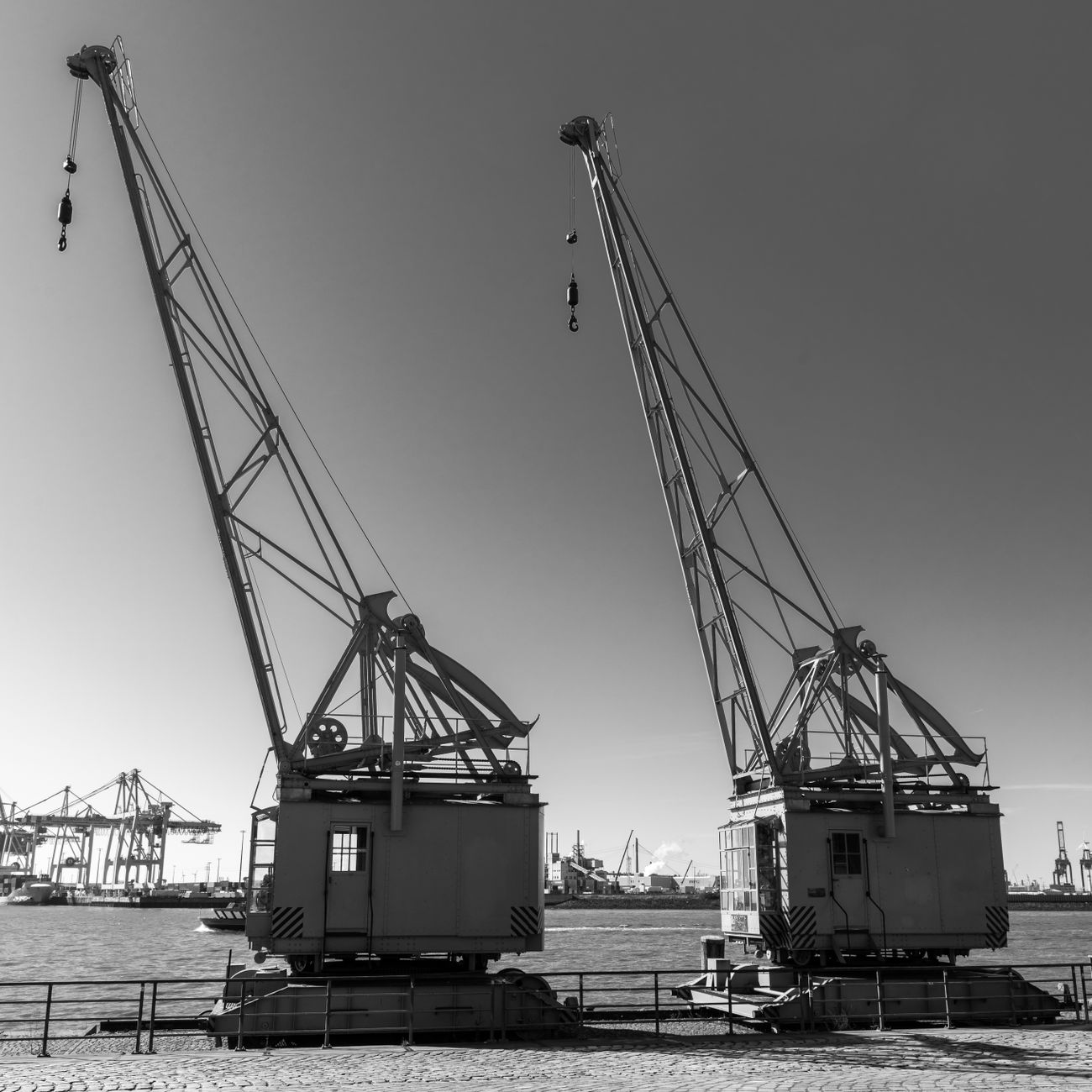
Bill of Lading is the primary document that evidences the contract of carriage between the shipowner and the cargo owner. It serves three essential functions: It is a receipt for the goods, a document of title, and a contract of carriage. In practice, a shipper presents the bill of lading to the carrier, who signs it after loading the cargo. The holder of the original bill of lading can claim the cargo at the destination port. A common challenge arises when multiple parties hold copies of the bill; discrepancies between the physical cargo and the document can lead to disputes, especially in charter parties that involve time charterers or bareboat charterers who must verify the cargo’s condition before accepting delivery.
The term Charter Party refers to the contractual agreement between the shipowner and the charterer that outlines the terms of the vessel’s employment. There are several standard forms, such as the NYPE (New York Produce Exchange) and the GENCON (General Charter Party). Each form contains specific clauses dealing with cargo handling, including provisions for stowage, demurrage, and lay‑time. For example, a time charter party may contain a clause that obliges the charterer to ensure that the cargo is properly secured and that any hazardous material complies with the International Maritime Dangerous Goods (IMDG) Code. Failure to adhere to these clauses can result in liability for damage to the ship or to other cargoes on board.
Stowage Plan is a detailed diagram that shows the location of each cargo item within the vessel’s holds. It is prepared by the ship’s chief officer in coordination with the terminal’s stevedores. The plan must respect the ship’s stability criteria, the vessel’s load line, and the segregation requirements for hazardous materials. In practice, the stowage plan is used to verify that heavy cargo is placed low and centered, while lighter cargo is positioned higher to maintain a low centre of gravity. A typical challenge is the need to adjust the plan when unexpected cargo arrives or when the vessel’s trim changes due to ballast water operations. In such cases, the chief officer must recalculate the vessel’s stability using the ship’s stability software, ensuring compliance with the International Convention on Load Lines.
The concept of Load Line is central to cargo handling regulations. The load line, also known as the Plimsoll mark, indicates the maximum permissible draught for a vessel under varying water densities and seasonal conditions. The International Convention on Load Lines sets out the calculation methods for the freeboard, taking into account the ship’s design, cargo weight, and distribution. In practical terms, a ship cannot be loaded beyond its load line without risking excessive stress on the hull, which could lead to structural failure. A common operational difficulty is determining the correct load line when the cargo includes a mixture of dense and light materials, requiring careful weight distribution to avoid a breach of the load line at any point during the voyage.
Safe Working Load (SWL) is the maximum load that cargo handling equipment, such as cranes, derricks, and winches, is designed to lift safely. The SWL is marked on each piece of equipment and must not be exceeded under any circumstances. In everyday operations, the crane operator calculates the load based on the weight of the cargo and the radius of the lift. If the required lift exceeds the SWL, the operation must be reassigned to a larger crane or the cargo must be broken down into smaller units. Violations of the SWL are a leading cause of accidents on board, particularly when crew members are under pressure to meet tight loading windows.
Lashing refers to the securing of cargo on deck or within holds using ropes, chains, or synthetic straps. Proper lashing prevents cargo shift during transit, which could affect the vessel’s stability and cause damage to the cargo itself. The International Maritime Organization (IMO) provides guidance on lashing arrangements, specifying the number of points of attachment and the tension required for different cargo types. For instance, containers stacked on deck require a specific pattern of twist‑locks and lashing belts to meet the standards of the Container Safety Convention. A practical challenge is ensuring that the lashing crew applies the correct tension; too little tension allows movement, while excessive tension can deform the cargo or damage the securing equipment.
Dunnage is any material used to protect cargo from damage during handling and transport. Common dunnage includes wooden planks, steel frames, and inflatable bags. The selection of appropriate dunnage depends on the nature of the cargo and the environment in which it will be transported. For example, fragile glassware requires soft, cushiony dunnage, while heavy machinery may be secured using steel beams. The International Convention for the Safety of Life at Sea (SOLAS) mandates that dunnage must not compromise the vessel’s watertight integrity. In practice, improper dunnage can lead to cargo breakage, water ingress, or even a breach of the hull if the dunnage obstructs hatch covers.
Hazardous Cargo encompasses any material that poses a risk to health, safety, or the environment. The IMDG Code classifies hazardous cargo into nine classes, ranging from explosives to radioactive substances. Each class has specific labeling, packaging, and segregation requirements. For example, class 3 flammable liquids must be stored away from class 5 oxidizing agents, and both must be kept clear of sources of ignition. The charterer is responsible for providing accurate cargo declarations, while the shipowner must ensure that the vessel’s crew is trained to handle the cargo safely. A frequent operational difficulty is the need to obtain special permits for the carriage of certain hazardous cargoes, such as liquefied natural gas (LNG), which may involve additional inspections and certifications.
Segregation is the practice of keeping incompatible cargoes apart to prevent chemical reactions, fire, or contamination. The IMDG Code provides a segregation table that indicates the minimum distance or barrier required between different classes of hazardous cargo. In a practical scenario, a vessel carrying both class 2 (gases) and class 8 (corrosives) must store them in separate holds or ensure a physical barrier is installed. Failure to observe segregation rules can result in dangerous incidents, such as the release of toxic gases or the ignition of flammable vapours. The chief officer must verify that the segregation plan is adhered to before departure and during any cargo transfer operations at intermediate ports.
Ventilation is essential for certain cargoes, particularly those that emit gases or require temperature control. Proper ventilation prevents the buildup of hazardous atmospheres and helps maintain cargo quality. The International Maritime Organization (IMO) guidelines stipulate the minimum airflow rates for various cargo types. For example, bulk grain cargoes require ventilation to avoid the generation of grain dust, which can become explosive. In practice, ventilation systems are monitored using sensors that detect oxygen levels, carbon dioxide, and temperature. A common challenge is ensuring that ventilation remains effective when hatch covers are closed, as inadequate airflow can lead to the accumulation of dangerous gases.
Hatch Cover is the removable structure that seals the opening of a cargo hold. Hatch covers must be watertight and structurally capable of withstanding the forces imposed by waves and cargo weight. The SOLAS convention requires that hatch covers be tested for watertight integrity before the ship’s first voyage after construction and after any major repair. In daily operations, the chief officer inspects the hinges, seals, and locking mechanisms before each loading operation. If a hatch cover is damaged or improperly sealed, water ingress can compromise the cargo, damage the vessel’s structure, and potentially cause a loss of stability.
Ballast Water is used to adjust a ship’s trim and stability by taking on or discharging seawater. The International Convention for the Control and Management of Ships' Ballast Water and Sediments (BWM Convention) regulates the treatment of ballast water to prevent the spread of invasive species. In cargo handling, the amount of ballast water taken on must be coordinated with the cargo load to maintain the vessel’s centre of gravity within safe limits. For instance, when loading a heavy cargo in the forward hold, the crew may need to pump ballast water into aft tanks to balance the ship. A practical difficulty is the time required to treat ballast water to meet BWM standards, which can affect loading schedules.
Freeboard is the vertical distance between the waterline and the upper deck of a vessel. It is directly related to the load line and is a measure of the vessel’s reserve buoyancy. The International Convention on Load Lines specifies how to calculate the required freeboard based on the ship’s dimensions, cargo type, and environmental conditions. In cargo operations, maintaining adequate freeboard is critical to prevent the vessel from being overloaded. The chief officer calculates the freeboard after each cargo operation and ensures that the vessel’s draught does not exceed the permissible limit. Inadequate freeboard can lead to reduced stability and increased risk of flooding in heavy seas.
Trim refers to the longitudinal inclination of a ship, measured as the difference between the draft at the forward and aft perpendiculars. Proper trim is essential for efficient propulsion, fuel consumption, and safe cargo handling. When loading cargo, the stevedores must distribute weight so that the ship’s trim remains within the limits set by the vessel’s stability booklet. For example, loading a heavy container on the forward deck without compensating ballast in the aft tanks can cause a bow‑heavy condition, increasing the risk of propeller immersion and reduced maneuverability. Adjusting trim often requires careful coordination between the cargo planner, the chief officer, and the terminal operator.
Draft Survey is a method of determining the weight of cargo loaded or discharged by measuring the change in the vessel’s draft before and after the operation. The survey is performed by a qualified surveyor who records the vessel’s draft at several points and applies correction factors for water density, trim, and squat. The resulting cargo weight is used for billing and for verifying compliance with the ship’s load line. In practice, draft surveys are preferred for bulk cargoes such as coal, ore, and grain. A challenge arises when the vessel’s hull is fouled, or when the water density varies significantly across the loading area, requiring more complex calculations to achieve an accurate result.
Weight Verification is the process of confirming that the weight of cargo declared by the shipper matches the actual weight measured on board. This verification is crucial for ensuring that the vessel’s stability and structural limits are not exceeded. Weight verification can be performed using calibrated scales, weighbridges, or draft surveys. For example, containers are typically weighed on a shipboard crane equipped with a load cell, providing an electronic record of the container’s mass. Discrepancies between the declared and measured weight can lead to penalties, cargo re‑stowage, or even refusal of loading.
Container Safety Convention (CSC) sets out standards for the safe handling, stacking, and transport of containers. It requires that containers be inspected periodically and that any defects be reported and rectified. The convention also outlines the responsibilities of the shipowner, terminal operator, and carrier in maintaining container integrity. In practice, a container that fails the CSC inspection must be removed from the vessel’s stowage plan and either repaired or replaced. The chief officer must keep a record of inspection dates and ensure that the loading plan reflects the current condition of each container.
International Convention for the Safety of Life at Sea (SOLAS) is the cornerstone of maritime safety regulations, covering a wide range of topics from ship construction to fire protection and cargo handling. Specific SOLAS chapters, such as Chapter II‑1 (Construction – Subdivision and Stability) and Chapter III (Life‑Saving Appliances), directly affect cargo operations. For instance, SOLAS requires that cargo spaces be equipped with fire detection and suppression systems, and that crew be trained in firefighting techniques. Compliance with SOLAS is verified through class society surveys and flag state inspections, and non‑compliance can result in detention of the vessel.
International Maritime Organization (IMO) is the United Nations agency responsible for developing and maintaining the regulatory framework for shipping. The IMO publishes codes and conventions that govern cargo handling, including the International Convention for the Prevention of Pollution from Ships (MARPOL) and the International Convention on the Control of Harmful Anti‑Fouling Systems (AFS Convention). The IMO also maintains the International Ship and Port Facility Security (ISPS) Code, which includes provisions for cargo security. In everyday operations, the ship’s master and chief officer must stay informed of IMO amendments and ensure that the vessel’s procedures are updated accordingly.
MARPOL Annex V deals specifically with the prevention of pollution by garbage from ships. While not directly a cargo handling regulation, it influences how certain cargo residues, such as plastic packaging and wooden pallets, are managed. The annex requires that garbage be segregated, stored, and disposed of according to a ship’s garbage management plan. For example, wooden dunnage that is contaminated with oil must be stored separately and disposed of in accordance with port reception facilities. Failure to comply can lead to fines and reputational damage.
International Convention on the Harmonised System (HS) provides a standardized nomenclature for classifying goods in international trade. While the HS code itself is not a cargo handling regulation, it is essential for customs clearance and for determining the applicable safety and segregation requirements. For instance, a cargo declared under HS code 8703 (motor vehicles) must be stowed in a manner that prevents damage to the vehicle bodies and ensures that any fuel residues are safely contained. Accurate HS coding also assists in the preparation of the cargo manifest and in the calculation of duties.
Port State Control (PSC) inspections are conducted by the authorities of the port state to verify that foreign vessels comply with international conventions. During a PSC inspection, officers will examine the ship’s cargo handling equipment, safety certificates, and documentation such as the cargo manifest and the ship’s stability booklet. Non‑conformities identified during PSC can result in detention, fines, or the requirement to remediate the deficiencies before the vessel can depart. Ship operators therefore maintain a robust internal audit system to anticipate and address potential PSC findings.
Ship’s Stability Booklet is a mandatory document that contains the vessel’s stability data, load line information, and instructions for safe cargo loading. The chief officer uses the booklet to calculate permissible cargo distribution, freeboard, and trim for each loading scenario. The booklet includes tables for limiting the centre of gravity, permissible cargo weight per hold, and the effects of ballast water. In practice, the stability booklet is consulted before each cargo operation, and any deviation from the prescribed limits must be justified and approved by the master and the shipowner’s technical department.
Loadable Tonnage is the maximum weight of cargo that a vessel can carry, taking into account the ship’s deadweight, reserve ballast, and the allowances for fuel, provisions, and crew. The loadable tonnage is a key figure in charter party negotiations, as it determines the volume of cargo that can be transported under a given freight rate. For instance, a time charter may specify a minimum loadable tonnage that the charterer must meet to avoid penalties. Accurately calculating loadable tonnage requires an understanding of the vessel’s structural limits, the distribution of cargo, and the impact of ballast water operations.
Deadweight Tonnage (DWT) represents the total weight a ship can safely carry, including cargo, fuel, fresh water, provisions, crew, and ballast. It is a fundamental measure used in chartering and freight calculations. In cargo handling, the DWT limits the total mass that can be loaded, regardless of the volume of cargo. For example, a vessel with a DWT of 70,000 tonnes cannot be loaded with 80,000 tonnes of steel, even if there is sufficient space. The chief officer must ensure that the sum of cargo weight, fuel, water, and other consumables does not exceed the DWT, otherwise the vessel may be in breach of the load line.
Gross Tonnage (GT) is a measure of the vessel’s internal volume, used primarily for assessing port fees, safety regulations, and registration requirements. While GT does not directly affect cargo weight limits, it influences the design of cargo spaces and the allocation of hatch openings. For example, larger GT vessels often have more extensive cargo handling equipment, such as gantry cranes and automated stowage systems. Understanding GT helps charterers and shipowners estimate the operational costs associated with a particular vessel.
Net Tonnage (NT) reflects the volume of cargo‑carrying spaces, after deducting spaces occupied by machinery, crew areas, and other non‑revenue spaces. NT is used to calculate certain fees and to determine the proportion of the vessel dedicated to cargo transport. In practice, a higher NT indicates a greater cargo‑carrying capacity relative to the vessel’s overall size. However, NT does not account for weight limitations, so a vessel with a high NT may still be constrained by its DWT when loading dense cargoes.
Ship’s Certificate of Survey is issued by the classification society after a thorough inspection of the vessel’s hull, machinery, and cargo handling equipment. The certificate confirms that the ship complies with relevant conventions and class rules. For cargo handling, the certificate verifies that cranes, derricks, and other lifting gear are in sound condition and have been tested according to the latest standards. The master must retain the certificate on board and present it to port authorities upon request. An expired or invalid certificate can lead to detention and cargo off‑loading delays.
Classification Society is an organization that establishes technical standards for the design, construction, and maintenance of ships. Major societies such as Lloyd’s Register, Bureau Veritas, and DNV GL provide certification services that include cargo gear inspections. The society’s surveyors assess the condition of cargo handling equipment, verify compliance with SOLAS and other regulations, and issue reports that form part of the ship’s documentation. In practice, a charterer may require a recent class survey report before accepting a vessel for a cargo of hazardous chemicals.
International Convention for the Safety of Fishing Vessels (SFV) does not directly govern cargo vessels, but its principles of stability and load handling are mirrored in cargo ship regulations. The SFV emphasizes the importance of proper cargo stowage to prevent capsizing, an issue that is also critical for bulk carriers transporting ore or grain. Understanding the parallels between fishing vessel safety and cargo vessel stability can aid crew training, especially for seafarers who transition between these sectors.
Weather Routing is the practice of planning a ship’s voyage to avoid adverse weather conditions that could jeopardize cargo integrity. Advanced routing software integrates meteorological data with the vessel’s performance characteristics to suggest optimal courses. For cargo handling, weather routing influences decisions such as when to commence loading at a port prone to storms, or whether to delay departure to protect cargo sensitive to temperature fluctuations. A common challenge is balancing the desire for on‑time delivery with the need to safeguard cargo against weather‑related damage.
Temperature Controlled Cargo requires the maintenance of specific temperature ranges throughout the voyage. This includes refrigerated cargo (reefer) such as fruits, meat, and pharmaceuticals. The vessel’s refrigeration plant must be capable of providing the required cooling capacity, and temperature monitoring devices must record data continuously. In practice, the chief officer verifies that the reefer units are functioning before loading, and the ship’s documents must include a temperature control plan. Failure to maintain the correct temperature can result in cargo loss, financial penalties, and claims against the carrier.
Ventilation Requirements for Bulk Cargoes are particularly important for commodities such as grain, coffee beans, and fertilizers, which can generate dangerous gases or become prone to spontaneous combustion. The IMO provides guidelines for the minimum airflow rates needed to keep the cargo atmosphere safe. For example, grain cargoes must be ventilated to prevent the buildup of carbon dioxide and to keep moisture levels low, reducing the risk of mold growth. In practice, ventilation fans are operated continuously during the voyage, and the crew monitors humidity sensors to ensure compliance.
Fire Fighting Equipment on cargo vessels includes fixed fire detection and suppression systems, portable extinguishers, and fire pumps. SOLAS Chapter III mandates that cargo spaces be equipped with appropriate fire protection based on the type of cargo carried. For instance, oil cargoes require foam‑based suppression systems, while solid bulk cargoes may be protected by CO₂ or inert gas systems. The crew must be trained in the operation of these systems, and regular drills are conducted to maintain readiness. A challenge often encountered is the need to retrofit older vessels with modern fire‑suppression technology to meet current standards.
Inert Gas System (IGS) is used on tankers to prevent the formation of explosive atmospheres in cargo tanks by filling the space above the liquid with inert gas, typically nitrogen‑enriched exhaust. The IGS is essential for the safe carriage of petroleum products, as it reduces the risk of fire and explosion. In practice, the IGS is activated after cargo loading and remains operational until the tank is emptied. The system’s performance is monitored by gas analyzers that measure oxygen concentration, ensuring it stays below the critical threshold. Maintenance of the IGS, including regular calibration of sensors, is a key part of the vessel’s safety management plan.
Cargo Securing Manual (CSM) is a document that provides detailed instructions for the safe stowage and lashing of various cargo types. The manual includes diagrams, calculations for lashing loads, and guidance on the use of dunnage and restraints. It is required under SOLAS and is referenced by the chief officer during cargo planning. In practical terms, the CSM helps the stevedores determine the number of twist‑locks needed for a container stack, the spacing of wooden beams for timber cargo, and the appropriate tension for synthetic lashing belts. The manual must be updated whenever new cargo types are introduced or when changes to the vessel’s equipment occur.
Container Weight Verification (CWV) is a regulatory requirement in many jurisdictions that mandates the verification of container weight before loading onto a vessel. The verification is performed using calibrated weighbridges or onboard crane load cells. Accurate container weight data is crucial for stability calculations, as an under‑estimated weight can lead to an unsafe trim. In practice, the terminal’s cargo handling team records the weight on a manifest, and the information is transmitted to the ship’s chief officer for inclusion in the stowage plan. Non‑compliance with CWV can result in fines and may trigger a cargo re‑stow.
Lay‑time refers to the period allowed for loading and unloading under a charter party before demurrage charges accrue. The calculation of lay‑time often includes provisions for cargo handling efficiency, such as the minimum rate of loading per hour. For example, a time charter may stipulate a lay‑time of 48 hours for loading 30,000 tonnes, with a penalty of $5,000 per day for any delay beyond this period. The chief officer must coordinate with the terminal to ensure that loading proceeds at the agreed rate, and any interruptions—such as equipment failure or adverse weather—must be documented to avoid disputes.
Demurrage is the sum payable by the charterer to the shipowner for the use of the vessel beyond the agreed lay‑time. Demurrage rates are typically expressed in dollars per day and are negotiated in the charter party. In cargo handling, demurrage can be incurred if loading is delayed due to insufficient stevedore labor, equipment breakdowns, or non‑compliance with cargo documentation. Effective communication between the ship’s crew, the charterer, and the terminal is essential to minimize demurrage exposure. In some cases, the charter party includes a “weather allowance” that provides extra lay‑time for unavoidable delays caused by severe weather.
Detention occurs when a vessel is prevented from leaving port due to non‑compliance with regulatory requirements, such as missing certificates, inadequate cargo documentation, or failure to meet safety inspections. Detention can have severe financial implications, as it may lead to missed sailing windows, increased fuel consumption, and penalties. In cargo handling, detention often results from issues such as improperly sealed hatch covers, inadequate segregation of hazardous cargo, or incomplete ballast water treatment records. Proactive compliance checks and pre‑arrival notifications to the port authority can help avoid detention.
Port Reception Facilities (PRF) are shore‑side installations that receive waste, garbage, and residues from ships. Under MARPOL Annex V, vessels must use approved PRFs for the disposal of cargo-related waste, such as wooden pallets, plastic packaging, and contaminated dunnage. The availability and capacity of PRFs vary by port, influencing cargo handling decisions. For instance, a vessel carrying a large volume of plastic waste may need to plan a longer stay at a port with sufficient PRF capacity to avoid violating waste disposal regulations. The ship’s waste management plan must account for the types and quantities of waste generated during cargo operations.
Ship’s Stability Software is a digital tool used by the chief officer to model the vessel’s stability under various loading scenarios. The software incorporates the ship’s hydrostatic curves, weight data, and cargo distribution to calculate parameters such as the metacentric height (GM), trim, and heel. In practice, the software allows rapid assessment of different stowage plans, enabling the crew to identify the most efficient configuration while staying within safety limits. A challenge is ensuring that the software’s data base is kept up‑to‑date with any modifications to the vessel’s structure or cargo gear.
Metacentric Height (GM) is a key indicator of a ship’s initial stability. A larger GM generally means a stiffer ship that returns quickly to an upright position after heeling, while a smaller GM indicates a more tender vessel that may roll slowly but with larger angles. During cargo loading, the chief officer monitors GM to ensure that the vessel does not become overly tender, which could increase the risk of capsizing in heavy seas. In practical terms, the GM is calculated after each cargo operation using the stability software, and adjustments are made by redistributing cargo or altering ballast water as needed.
Shear Force and Bending Moment are structural parameters that describe the internal forces acting on a ship’s hull due to cargo weight distribution. Excessive shear or bending can lead to hull cracking, especially in older vessels or those carrying heavy bulk cargoes. The classification society’s rules specify limits for shear force and bending moment based on the ship’s design. In cargo handling, the chief officer must verify that the planned cargo distribution does not exceed these limits. For example, loading a dense cargo such as iron ore in a single hold without proper ballast can generate high bending moments that threaten hull integrity.
Ballast Water Management Plan (BWMP) outlines the procedures for the treatment, discharge, and documentation of ballast water to comply with the BWM Convention. The plan includes details on the type of treatment system installed, the frequency of inspections, and the record‑keeping requirements. In cargo handling, the BWMP must be coordinated with cargo loading to avoid conflicts between ballast operations and cargo stowage. For instance, after discharging a cargo of liquid chemicals, the vessel may need to take on ballast water in a different tank to maintain stability, and this process must be recorded in the ship’s log.
International Ship and Port Facility Security (ISPS) Code establishes security measures for ships and ports to prevent unlawful interference. The code requires a ship security plan that includes procedures for cargo access control, monitoring of cargo handling areas, and verification of personnel. In practice, the chief officer ensures that only authorized stevedores and cargo handlers are allowed on board, and that cargo is protected from tampering during loading and discharge. A breach of ISPS security, such as unauthorized entry into a cargo hold, can lead to severe penalties and heightened scrutiny from port authorities.
Certificate of Fitness for Cargo Gear is issued by the classification society after a thorough inspection of the vessel’s cargo handling equipment. The certificate confirms that cranes, derricks, and winches meet the required safety standards and have been tested for load capacity. The certificate is valid for a defined period and must be renewed after significant repairs or modifications. In cargo operations, the master must ensure that the certificate is on board and that any equipment found to be out of service is repaired before the vessel departs.
Shipboard Cargo Survey is conducted by a qualified surveyor to verify the condition, quantity, and compliance of cargo before loading, during the voyage, and at discharge. The surveyor prepares a report that may be required by the charterer, the cargo owner, or the insurer. For hazardous cargo, the survey includes checks on packaging integrity, labeling, and segregation. In practice, the surveyor may use portable weighing devices, moisture meters, and visual inspection to assess bulk cargoes such as coal, ensuring that the cargo meets the specifications outlined in the charter party.
Port Clearance is the authorization granted by the port authority allowing a vessel to depart after all regulatory requirements have been satisfied. The clearance process involves the submission of documents such as the cargo manifest, the ship’s stability booklet, and certificates for cargo gear. In cargo handling, the chief officer must verify that all cargo has been correctly loaded, that hatch covers are sealed, and that any waste generated has been disposed of at an approved PRF. Failure to obtain port clearance can result in the vessel being held in port, incurring additional costs and potential contractual penalties.
Cargo Damage Reporting is a mandatory procedure whereby any loss or damage to cargo encountered during loading, transit, or discharge must be recorded and reported to the relevant parties. The report typically includes details of the cargo type, the nature of the damage, the location on the vessel, and any remedial actions taken. In practice, the chief officer completes the cargo damage report in the ship’s log and forwards it to the charterer and the cargo owner. Prompt reporting is crucial for insurance claims and for mitigating further loss, especially when dealing with perishable or high‑value cargo.
Insurance Clause – “All Risks” provides coverage for loss or damage to cargo arising from a wide range of perils, including mishandling, fire, collision, and natural disasters. The clause is often incorporated into the charter party to protect both the shipowner and the cargo owner. In cargo handling, adherence to the “All Risks” clause means that the crew must follow all prescribed procedures for stowage, segregation, and securing to avoid jeopardizing the insurance coverage. Any deviation from the agreed cargo handling plan may void the insurance, leaving the parties exposed to financial loss.
Freight Forwarder is an intermediary that arranges the transportation of cargo on behalf of the shipper, handling documentation, customs clearance, and coordination with the vessel’s crew. While the freight forwarder is not directly responsible for cargo handling on board, their communication with the ship’s master and chief officer is essential for ensuring that the cargo is correctly declared, that any special requirements are met, and that the loading schedule aligns with the vessel’s operational constraints. Miscommunication can lead to delays, mis‑stowage, or regulatory breaches.
Stevedore refers to the dockworker or company that physically loads and unloads cargo from the vessel. Stevedores must be trained in the safe handling of various cargo types, the operation of cargo gear, and the application of proper lashing techniques. In practice, the stevedores work under the supervision of the chief officer, who provides the stowage plan and verifies compliance with segregation and safety regulations. A common challenge is coordinating multiple stevedore crews when a vessel calls at a busy terminal, ensuring that each crew understands the vessel’s specific cargo handling requirements.
Terminal Operating System (TOS) is a software platform used by ports to manage cargo movements, berth allocation, and equipment scheduling. The TOS integrates data from the ship’s manifest, the cargo plan, and the terminal’s resources to optimize loading and unloading operations. For cargo handling, the chief officer interacts with the TOS to confirm the arrival of cargo, to coordinate crane assignments, and to receive real‑time updates on loading progress. Effective use of the TOS can reduce turnaround time, minimize demurrage, and improve overall efficiency.
International Convention on the Safe Transport of Dangerous Goods by Road (ADR) is relevant when cargo is transferred between ship and land transport. The ADR sets standards for packaging, labeling, and vehicle requirements for hazardous materials. In cargo handling, the chief officer must ensure that any hazardous cargo intended for road transport is transferred to vehicles that comply with ADR specifications, and that the appropriate documentation accompanies the cargo. Failure to meet ADR requirements can result in the cargo being rejected at the port, leading to costly delays.
Maritime Labour Convention (MLC) 2006 establishes standards for working conditions, including the health and safety of crew involved in cargo handling. The convention requires that vessels provide adequate training, personal protective equipment (PPE), and safe working environments for deck personnel. In practice, the chief officer must verify that crew members handling cargo are equipped with helmets, safety shoes, gloves, and hearing protection, and that they have received training on hazardous cargo procedures. Non‑compliance with MLC provisions can lead to inspections, fines, and potential crew complaints.
Port State Control (PSC) Detention List is a public record of vessels that have been detained for regulatory non‑compliance. The list includes details of the deficiencies identified, such as inadequate cargo gear certification, missing certificates, or failure to adhere to cargo segregation rules. Ship operators monitor the PSC detention list to assess the risk of operating a particular vessel in a given region. In cargo handling, awareness of previous PSC findings can prompt proactive corrective actions, reducing the likelihood of future detention.
Hull Inspection is a periodic examination of the ship’s structural integrity, focusing on areas that may be affected by cargo loading, such as the deck plating, hatch coamings, and internal frames. The inspection is carried out by the classification society’s surveyors and includes non‑destructive testing methods like ultrasonic thickness measurement. In practice, a hull inspection may be scheduled after a voyage that involved heavy bulk cargoes, to detect any signs of stress or deformation. Findings from the inspection may lead to repairs, reinforcement, or revisions to the cargo handling procedures.
Ship’s Logbook is the official record where the master and officers document all significant events, including cargo loading details, ballast operations, and any incidents that occur. The logbook must be maintained in accordance with SOLAS requirements and is subject to inspection by port authorities and classification societies. In cargo handling, entries must include the time of loading, the quantity of cargo taken on board, the names of the stevedores involved, and any deviations from the planned stowage. Accurate logbook entries are essential for legal evidence in case of disputes or claims.
Cargo Release is the formal authorization permitting the discharge of cargo at the destination port. The release is issued by the charterer or cargo owner once all contractual obligations, such as payment of freight, have been satisfied. In practice, the chief officer presents the cargo release to the terminal’s authority, who then allows the stevedores to commence unloading. The release may include specific instructions for handling hazardous cargo, such as the requirement to use particular equipment or to follow a defined segregation plan during discharge.
Port Clearance Certificate is a document issued by the port authority confirming that the vessel has complied with all local regulations, including waste disposal, cargo documentation, and safety inspections. The certificate is required before the vessel can depart for the next port of call. In cargo handling, the chief officer must ensure that all waste generated during loading and discharge has been properly recorded and disposed of, and that the cargo manifest accurately reflects the cargo on board. The certificate is often accompanied by a list of any outstanding issues that must be addressed before departure.
Environmental Impact Assessment (EIA) may be required for vessels operating in ecologically sensitive areas, especially when transporting cargo that could pose a pollution risk. The EIA evaluates the potential effects of cargo handling activities on the marine environment, including the risk of oil spills, discharge of hazardous substances, and disturbance of seabed habitats. In practice, the shipowner may develop an EIA as part of the vessel’s environmental management system, outlining mitigation measures such as the use of double‑hull tanks, spill containment equipment, and emergency response plans. Compliance with the EIA is monitored by both the ship’s crew and the port authority.
Key takeaways
- Bill of Lading is the primary document that evidences the contract of carriage between the shipowner and the cargo owner.
- For example, a time charter party may contain a clause that obliges the charterer to ensure that the cargo is properly secured and that any hazardous material complies with the International Maritime Dangerous Goods (IMDG) Code.
- In such cases, the chief officer must recalculate the vessel’s stability using the ship’s stability software, ensuring compliance with the International Convention on Load Lines.
- A common operational difficulty is determining the correct load line when the cargo includes a mixture of dense and light materials, requiring careful weight distribution to avoid a breach of the load line at any point during the voyage.
- Safe Working Load (SWL) is the maximum load that cargo handling equipment, such as cranes, derricks, and winches, is designed to lift safely.
- A practical challenge is ensuring that the lashing crew applies the correct tension; too little tension allows movement, while excessive tension can deform the cargo or damage the securing equipment.
- The International Convention for the Safety of Life at Sea (SOLAS) mandates that dunnage must not compromise the vessel’s watertight integrity.