
Freight Rate Negotiation
Freight rate negotiation is a critical component of the shipping industry, and understanding the key terms and vocabulary is essential for effective communication and successful negotiations. In the context of the Global Certificate in Ship…
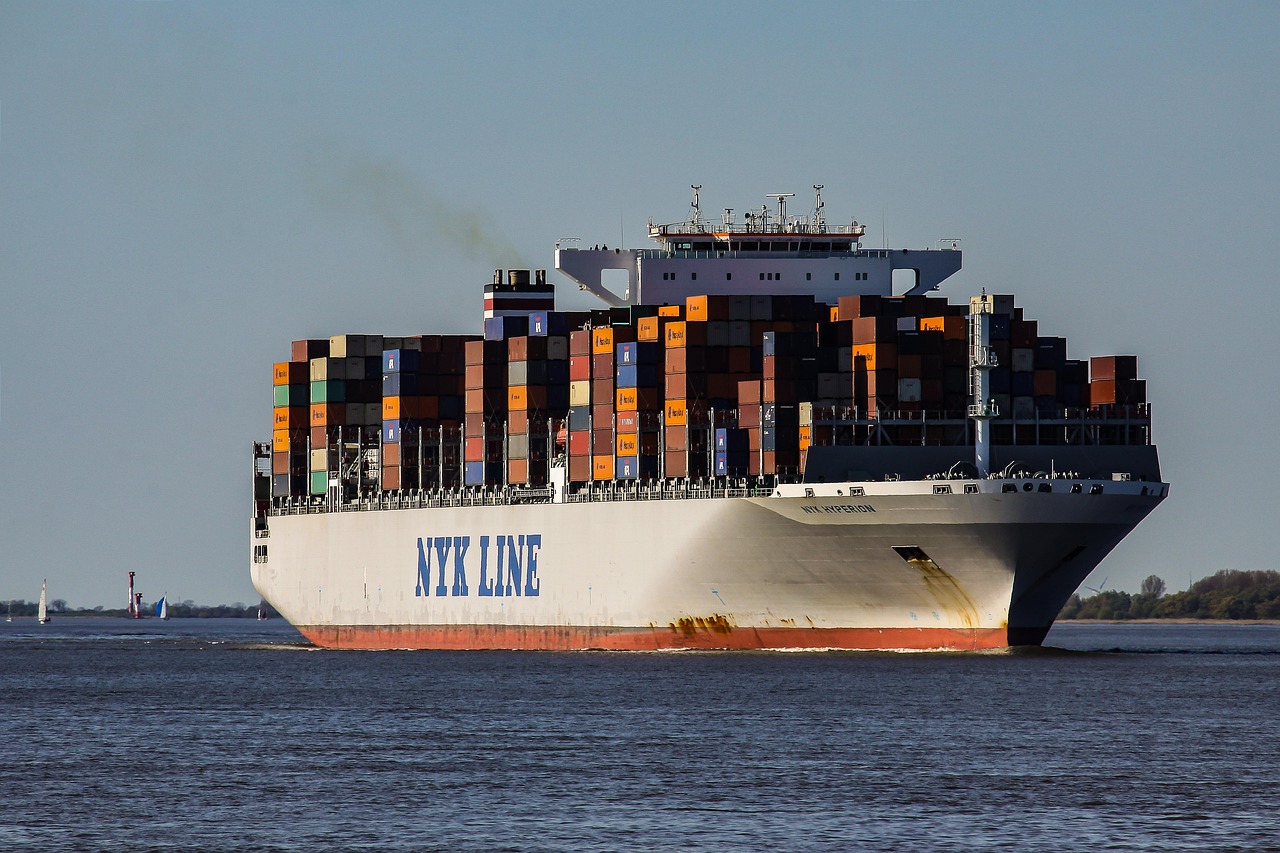
Freight rate negotiation is a critical component of the shipping industry, and understanding the key terms and vocabulary is essential for effective communication and successful negotiations. In the context of the Global Certificate in Ship Chartering and Cargo Operations, it is crucial to comprehend the various concepts and terminology used in freight rate negotiation.
The freight rate is the cost of transporting goods from one point to another, and it is typically negotiated between the shipper and the carrier. The freight rate can be influenced by various factors, including the type of cargo, the distance to be traveled, and the mode of transportation. For instance, the freight rate for bulk cargo such as grains or coal may be different from that of containerized cargo.
One of the key terms used in freight rate negotiation is the charter party. A charter party is a contract between the shipowner and the charterer that outlines the terms and conditions of the charter, including the freight rate, the cargo to be transported, and the route to be taken. The charter party can be either a time charter or a voyage charter, depending on the duration of the charter and the specific requirements of the shipper.
Another important term is the laydays, which refers to the period during which the ship is available for loading or discharging cargo. The laydays can be either fixed or approximate, depending on the level of flexibility required by the shipper. For example, a shipper may require a fixed layday to ensure that the cargo is loaded or discharged within a specific timeframe.
The demurrage is another critical term in freight rate negotiation. Demurrage refers to the cost incurred by the shipper for exceeding the allowed laydays. The demurrage rate is typically negotiated between the shipper and the carrier and can vary depending on the type of cargo and the specific requirements of the shipper. For instance, a shipper may be charged a higher demurrage rate for hazardous cargo due to the increased risk involved.
The despatch is a term used to describe the payment made to the shipowner for saving time during the loading or discharging of cargo. The despatch is typically calculated based on the saved time and the agreed-upon rate. For example, if a shipper is able to load cargo faster than expected, the shipowner may be entitled to a despatch payment for the saved time.
In addition to these terms, it is also essential to understand the different types of freight rates used in the shipping industry. The most common types of freight rates include the spot rate, the contract rate, and the tariff rate. The spot rate is a short-term rate that is negotiated on a per-voyage basis, while the contract rate is a long-term rate that is agreed upon between the shipper and the carrier for a specific period. The tariff rate, on the other hand, is a published rate that is applicable to all shippers and is typically used for containerized cargo.
The incoterms are also a critical component of freight rate negotiation. Incoterms, which stands for International Commercial Terms, are a set of standardized terms that define the responsibilities of the buyer and the seller in a transaction. The incoterms outline the delivery terms, the payment terms, and the insurance terms, among other things. For example, the FOB (Free on Board) term indicates that the seller is responsible for loading the cargo onto the ship, while the CIF (Cost, Insurance, and Freight) term indicates that the seller is responsible for the cost, insurance, and freight of the cargo to the port of destination.
The bunker adjustment factor (BAF) is another term used in freight rate negotiation. The BAF is a surcharge that is applied to the freight rate to account for fluctuations in fuel prices. The BAF is typically calculated based on the average fuel price over a specific period and is adjusted quarterly or annually. For instance, if the fuel price increases, the BAF may be increased to reflect the higher cost of fuel.
In addition to these terms, it is also essential to understand the concept of all-in rates. All-in rates refer to a type of freight rate that includes all the costs associated with the transportation of the cargo, including the base rate, the bunker adjustment factor, and the security surcharge. The all-in rate is typically used for containerized cargo and provides a more transparent and predictable pricing structure for shippers.
The currency of payment is also an important consideration in freight rate negotiation. The currency of payment can have a significant impact on the freight rate, as fluctuations in exchange rates can affect the cost of transportation. For example, if the freight rate is quoted in US dollars, but the shipper is paying in euros, the exchange rate can affect the actual cost of transportation.
The payment terms are also a critical component of freight rate negotiation. The payment terms can vary depending on the type of cargo, the mode of transportation, and the specific requirements of the shipper. For instance, a shipper may require a letter of credit to secure payment, while another shipper may prefer to pay by bank transfer.
The insurance terms are also an essential consideration in freight rate negotiation. The insurance terms can vary depending on the type of cargo, the mode of transportation, and the specific requirements of the shipper. For example, a shipper may require all risks coverage for high-value cargo, while another shipper may prefer to have limited coverage for low-value cargo.
In addition to these terms, it is also essential to understand the concept of general average. General average refers to the principle of sharing losses among all parties involved in a shipment, including the shipowner, the charterer, and the cargo owner. The general average is typically applied when there is a threat to the safety of the ship or the cargo, and the costs of mitigating the threat are shared among all parties.
The York-Antwerp rules are also a critical component of freight rate negotiation. The York-Antwerp rules are a set of standardized rules that govern the application of general average, and they provide a framework for calculating the costs and losses associated with a general average. For example, the York-Antwerp rules outline the procedures for calculating the general average, the criteria for determining the amount of the general average, and the responsibilities of the parties involved.
In practical applications, freight rate negotiation can be complex and challenging. For instance, a shipper may need to negotiate with multiple carriers to find the best rate, or a carrier may need to negotiate with multiple shippers to fill a vessel. The negotiation process can be influenced by various factors, including the market conditions, the seasonality of the cargo, and the availability of capacity.
To overcome these challenges, it is essential to have a deep understanding of the key terms and vocabulary used in freight rate negotiation. This includes understanding the different types of freight rates, the various terms and conditions of the charter party, and the concepts of demurrage, despatch, and general average. Additionally, it is crucial to have effective communication and negotiation skills to ensure that the parties involved can reach a mutually beneficial agreement.
In the context of the Global Certificate in Ship Chartering and Cargo Operations, understanding the key terms and vocabulary used in freight rate negotiation is essential for success. The course provides a comprehensive overview of the shipping industry, including the principles of ship chartering, cargo operations, and freight rate negotiation. By mastering the key terms and vocabulary, students can develop a deeper understanding of the complex issues involved in freight rate negotiation and become more effective professionals in the shipping industry.
The chartering process is also an essential component of freight rate negotiation. The chartering process involves the negotiation of the charter party, which outlines the terms and conditions of the charter, including the freight rate, the cargo to be transported, and the route to be taken. The chartering process can be complex and challenging, and it requires a deep understanding of the key terms and vocabulary used in freight rate negotiation.
In addition to the chartering process, it is also essential to understand the concept of ship brokerage. Ship brokerage refers to the process of negotiating the charter party between the shipowner and the charterer. The ship broker plays a critical role in facilitating the negotiation process and ensuring that the parties involved reach a mutually beneficial agreement.
The cargo operations are also a critical component of freight rate negotiation. The cargo operations involve the loading, stowage, and discharging of cargo, and they can have a significant impact on the freight rate. For example, the type of cargo, the weight of the cargo, and the volume of the cargo can all affect the freight rate.
The logistics of freight rate negotiation are also essential to understand. The logistics involve the planning, coordination, and execution of the transportation of the cargo, and they can have a significant impact on the freight rate. For instance, the mode of transportation, the route to be taken, and the schedule of the transportation can all affect the freight rate.
In summary, freight rate negotiation is a complex and challenging process that requires a deep understanding of the key terms and vocabulary used in the shipping industry. By mastering the concepts of freight rates, charter parties, demurrage, despatch, and general average, students can develop a deeper understanding of the complex issues involved in freight rate negotiation and become more effective professionals in the shipping industry.
The practical applications of freight rate negotiation are also essential to understand. The practical applications involve the use of the key terms and vocabulary in real-world scenarios, such as negotiating a charter party or calculating the freight rate for a specific shipment. By understanding the practical applications of freight rate negotiation, students can develop a deeper understanding of the complex issues involved and become more effective professionals in the shipping industry.
The challenges of freight rate negotiation are also essential to understand. The challenges involve the complexities and uncertainties of the shipping industry, such as fluctuations in fuel prices, changes in market conditions, and the availability of capacity. By understanding the challenges of freight rate negotiation, students can develop a deeper understanding of the complex issues involved and become more effective professionals in the shipping industry.
The future of freight rate negotiation is also an essential component to consider. The future of freight rate negotiation involves the use of technology, such as digital platforms and data analytics, to facilitate the negotiation process and improve the efficiency of the shipping industry. By understanding the future of freight rate negotiation, students can develop a deeper understanding of the complex issues involved and become more effective professionals in the shipping industry.
The importance of freight rate negotiation cannot be overstated. Freight rate negotiation is a critical component of the shipping industry, and it can have a significant impact on the profitability of a company. By understanding the key terms and vocabulary used in freight rate negotiation, students can develop a deeper understanding of the complex issues involved and become more effective professionals in the shipping industry.
The complexities of freight rate negotiation are also essential to understand. The complexities involve the various factors that can affect the freight rate, such as the type of cargo, the mode of transportation, and the route to be taken. By understanding the complexities of freight rate negotiation, students can develop a deeper understanding of the complex issues involved and become more effective professionals in the shipping industry.
The role of the shipbroker is also an essential component of freight rate negotiation. The shipbroker plays a critical role in facilitating the negotiation process and ensuring that the parties involved reach a mutually beneficial agreement. By understanding the role of the shipbroker, students can develop a deeper understanding of the complex issues involved in freight rate negotiation and become more effective professionals in the shipping industry.
The skills required for freight rate negotiation are also essential to understand. The skills involve effective communication, negotiation, and problem-solving, as well as a deep understanding of the key terms and vocabulary used in the shipping industry. By mastering the skills required for freight rate negotiation, students can develop a deeper understanding of the complex issues involved and become more effective professionals in the shipping industry.
In addition to the skills required for freight rate negotiation, it is also essential to understand the tools used in the negotiation process. The tools involve various software and digital platforms that facilitate the negotiation process and improve the efficiency of the shipping industry. By understanding the tools used in freight rate negotiation, students can develop a deeper understanding of the complex issues involved and become more effective professionals in the shipping industry.
The best practices for freight rate negotiation are also essential to understand. The best practices involve the use of effective communication, negotiation, and problem-solving skills, as well as a deep understanding of the key terms and vocabulary used in the shipping industry. By mastering the best practices for freight rate negotiation, students can develop a deeper understanding of the complex issues involved and become more effective professionals in the shipping industry.
The common mistakes made in freight rate negotiation are also essential to understand. The common mistakes involve the lack of understanding of the key terms and vocabulary used in the shipping industry, as well as the failure to effectively communicate and negotiate with the parties involved. By understanding the common mistakes made in freight rate negotiation, students can develop a deeper understanding of the complex issues involved and become more effective professionals in the shipping industry.
The case studies of freight rate negotiation are also essential to understand. The case studies involve real-world examples of freight rate negotiation, and they provide a deeper understanding of the complex issues involved. By studying the case studies of freight rate negotiation, students can develop a deeper understanding of the complex issues involved and become more effective professionals in the shipping industry.
The practical applications, challenges, and future of freight rate negotiation are also essential to understand, and they provide a deeper understanding of the complex issues involved.
The regulations governing freight rate negotiation are also essential to understand. The regulations involve various laws and regulations that govern the shipping industry, such as the International Maritime Organization (IMO) and the United Nations Convention on the Carriage of Goods by Sea (UNCLOS). By understanding the regulations governing freight rate negotiation, students can develop a deeper understanding of the complex issues involved and become more effective professionals in the shipping industry.
The industry trends in freight rate negotiation are also essential to understand. The industry trends involve the various factors that can affect the freight rate, such as the global economy, the trade agreements, and the technological advancements. By understanding the industry trends in freight rate negotiation, students can develop a deeper understanding of the complex issues involved and become more effective professionals in the shipping industry.
The technology used in freight rate negotiation is also an essential component to consider. The technology involves various digital platforms and software that facilitate the negotiation process and improve the efficiency of the shipping industry. By understanding the technology used in freight rate negotiation, students can develop a deeper understanding of the complex issues involved and become more effective professionals in the shipping industry.
The sustainability of freight rate negotiation is also an essential component to consider. The sustainability involves the various factors that can affect the environment and the society, such as the carbon emissions, the waste management, and the social responsibility. By understanding the sustainability of freight rate negotiation, students can develop a deeper understanding of the complex issues involved and become more effective professionals in the shipping industry.
The ethics of freight rate negotiation are also essential to understand. The ethics involve the various principles and values that govern the behavior of the parties involved, such as the honesty, the integrity, and the fairness. By understanding the ethics of freight rate negotiation, students can develop a deeper understanding of the complex issues involved and become more effective professionals in the shipping industry.
The professional development of freight rate negotiation is also an essential component to consider. The professional development involves the various skills and knowledge that are required to become a successful professional in the shipping industry, such as the communication skills, the negotiation skills, and the problem-solving skills. By understanding the professional development of freight rate negotiation, students can develop a deeper understanding of the complex issues involved and become more effective professionals in the shipping industry.
The regulations, industry trends, technology, sustainability, ethics, and professional development of freight rate negotiation are also essential components to consider, and they provide a deeper understanding of the complex issues involved.
Key takeaways
- Freight rate negotiation is a critical component of the shipping industry, and understanding the key terms and vocabulary is essential for effective communication and successful negotiations.
- The freight rate is the cost of transporting goods from one point to another, and it is typically negotiated between the shipper and the carrier.
- A charter party is a contract between the shipowner and the charterer that outlines the terms and conditions of the charter, including the freight rate, the cargo to be transported, and the route to be taken.
- Another important term is the laydays, which refers to the period during which the ship is available for loading or discharging cargo.
- The demurrage rate is typically negotiated between the shipper and the carrier and can vary depending on the type of cargo and the specific requirements of the shipper.
- For example, if a shipper is able to load cargo faster than expected, the shipowner may be entitled to a despatch payment for the saved time.
- The spot rate is a short-term rate that is negotiated on a per-voyage basis, while the contract rate is a long-term rate that is agreed upon between the shipper and the carrier for a specific period.