
Maritime Insurance Principles
Hull Insurance is a policy that covers physical damage to the ship itself. The coverage may be “all risks” or limited to specific perils such as collision, grounding, fire, or explosion. For example, when a vessel strikes a submerged rock, …
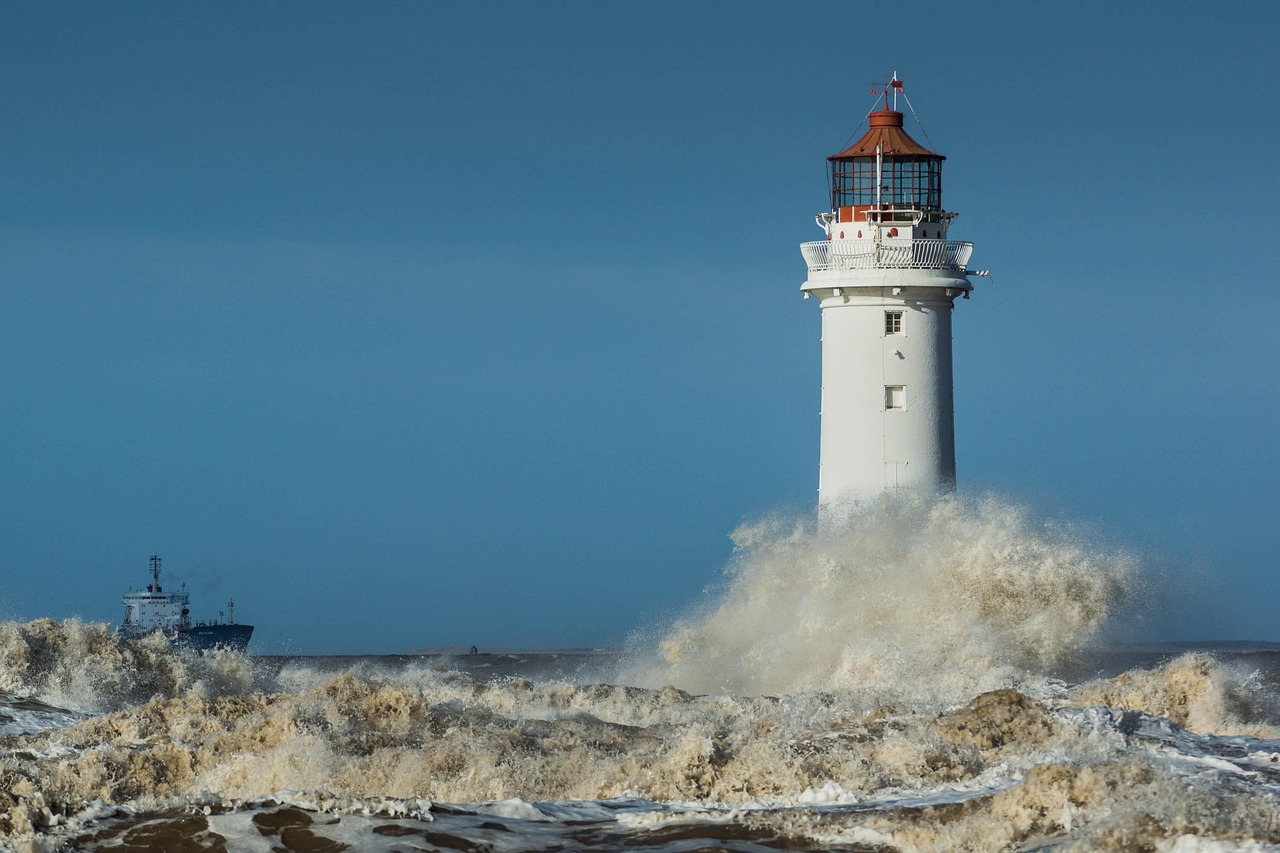
Hull Insurance is a policy that covers physical damage to the ship itself. The coverage may be “all risks” or limited to specific perils such as collision, grounding, fire, or explosion. For example, when a vessel strikes a submerged rock, the hull insurer will pay for the repair of the damaged plates and any associated machinery. The policy is usually expressed as a percentage of the ship’s valued tonnage or as a fixed sum known as the “agreed value”. Practical application requires the owner to provide a current survey of the vessel, proof of compliance with classification societies, and evidence of proper maintenance. A common challenge is the “average clause” which may reduce the claim if the loss is less than a certain proportion of the insured value.
Protection and Indemnity (P&I) insurance is a form of mutual maritime liability cover provided by clubs or insurers. It protects shipowners against third‑party claims arising from injury, loss of cargo, pollution, or wreck removal. For instance, if a cargo of steel is damaged by water ingress due to a faulty hatch cover, the cargo owner may sue the shipowner; the P&I club would defend the case and pay any awarded damages up to the policy limit. Practical use of P&I requires the ship to be entered on the club’s register, and the owner must pay annual subscriptions based on the vessel’s gross tonnage and trade routes. A frequent difficulty is the “unseaworthiness” clause – if the vessel is not deemed seaworthy at the time of loss, the insurer may deny coverage.
Freight Insurance covers loss of freight revenue when a vessel is unable to deliver cargo because of an insured peril. Suppose a tropical storm forces a tanker to divert to a safe anchorage for several days, causing the charterer to lose the scheduled loading window. The freight insurer compensates the shipowner for the missed earnings, usually calculated on a per‑day basis. The policy often includes a “waiting period” clause, which specifies a minimum duration before a claim can be made. One challenge is proving that the delay was directly caused by an insured event rather than by operational decisions.
Cargo Insurance provides protection for the goods being transported. The policy may be taken by the cargo owner, the shipper, or the charterer, depending on the contractual arrangement. A typical scenario involves a container of electronics that suffers water damage while on a vessel that encounters heavy seas. The cargo insurer assesses the loss, applies any applicable deductibles, and pays the insured value. Key terms within cargo cover include “All Risks” (which covers most perils except those specifically excluded) and “Named Perils” (which lists only the covered events). A practical difficulty is the “valuation” of cargo – whether the policy is based on invoice value, market price, or a declared value, each affecting the amount recoverable.
War Risk insurance is an additional cover for perils related to war, terrorism, piracy, and civil unrest. It is often added to hull, P&I, and cargo policies when vessels operate in high‑risk areas such as the Gulf of Aden or the Strait of Hormuz. For example, a merchant ship that is hijacked by pirates may incur costs for ransom, crew safety, and vessel repair; a war‑risk endorsement would cover these expenses up to the agreed limit. The premium for war risk is calculated as a percentage of the base premium and can fluctuate rapidly with geopolitical developments. A challenge for underwriters is the “subjectivity” of what constitutes a war‑like act, leading to disputes over claim entitlement.
Strikes, Riots and Civil Commotion (SRCC) coverage is often combined with war risk to protect against damage caused by labor actions, violent protests, or civil disturbances. If a port strike leads to a vessel being forced to remain at anchor for an extended period, the insurer may cover the additional fuel consumption and demurrage incurred. The SRCC clause usually contains a “geographical limitation” and a “time limitation” – for instance, coverage may apply only within a 500‑nautical‑mile radius of a specified port and for a maximum of 30 days. A practical issue is proving that the loss was directly caused by the strike rather than by unrelated operational delays.
Total Loss is a term used when the insured property is either completely destroyed or so severely damaged that repair is impossible or uneconomical. In the case of a vessel that sinks to the seabed and cannot be recovered, the insurer pays the full sum insured, less any applicable deductibles. The distinction between “actual total loss” (the property is gone) and “constructive total loss” (the cost of repair exceeds a prescribed percentage of the insured value) is critical in claim handling. A common challenge is the “proof of loss” requirement – the insured must provide evidence of the loss, such as a salvage report or an independent survey.
Constructive Total Loss (CTL) occurs when the cost of salvaging and repairing a vessel exceeds its insured value, or when the vessel is abandoned because it is unsafe to recover. For example, a cargo ship that runs aground on a reef may require expensive dredging and hull repair; if the total cost surpasses 80 % of the insured amount, the owner may elect to claim a CTL. The policy will contain a “percentage clause” that defines the threshold for CTL. Practically, owners must decide whether to proceed with repair or to accept the insurer’s payment, weighing factors such as market value, future earnings, and regulatory constraints. Disputes often arise over the calculation of repair costs and the appropriate percentage.
Partial Loss refers to damage that does not qualify as total loss. The insurer compensates the insured for the amount of loss, usually after applying a deductible and any applicable average clause. For instance, a minor hull breach that is repaired at a cost of $200,000 will result in a partial loss payment, subject to the policy’s terms. The challenge lies in accurately assessing the extent of damage and the cost of repair, which may require multiple surveys and expert opinions.
General Average (GA) is a principle of maritime law that requires all parties with a financial interest in a voyage to proportionally share the costs incurred to save the vessel or cargo from a common peril. When a ship’s master jettisons cargo to lighten the vessel during a storm, the loss is not borne solely by the cargo owners of the sacrificed goods; instead, every cargo owner contributes to the loss based on the value of their cargo. The process involves the preparation of a General Average bond, the appointment of a General Average adjuster, and the calculation of each party’s contribution. Practical application demands close coordination between the shipowner, the charterer, and the insurers. A frequent challenge is the “valuation” of cargo for contribution purposes, especially when goods are heterogeneous or lack proper documentation.
Average Clause is a contractual provision that allows the insurer to proportionally reduce the claim payment when the loss is below a certain threshold, typically expressed as a percentage of the insured sum. For example, a hull policy may contain a 5 % average clause, meaning that if the loss is less than 5 % of the total insured value, the insurer will apply a “co‑insurance” reduction. The clause encourages the insured to maintain higher levels of insurance and to avoid frequent small claims. However, it can create disputes when the loss is near the threshold and parties disagree on the exact amount.
Institute Clauses are standard clauses drafted by the Institute of London Underwriters (now the Institute of Lloyd’s) that are incorporated into marine insurance contracts. They provide a uniform framework for coverage, exclusions, warranties, and conditions. The most widely used set is the “Institute Cargo Clauses (A), (B) and (C)”, which respectively represent “All Risks”, “Named Perils”, and “All Risks except War”. For hull policies, the “Institute Hull Clauses” define the scope of “All Risks” coverage and the list of “Exclusions”. The advantage of using Institute clauses is the predictability they bring to underwriting and claims handling. A practical difficulty is that parties may modify the standard clauses through endorsements, leading to bespoke contracts that require careful interpretation.
York‑Antwerp Rules are a set of international guidelines governing the adjustment of General Average claims. They were first adopted in 1890 and have been revised several times. The rules define the method for valuing saved property, the calculation of contributions, and the responsibilities of the parties involved. For example, under the York‑Antwerp Rules, the value of a saved vessel is its “post‑average” value, while the value of cargo is its “pre‑average” market value. The rules also stipulate that the General Average adjuster must be appointed by the shipowner or the insurer, and that the adjuster’s report is binding unless challenged within a specified period. Practically, the Rules facilitate a uniform approach to GA settlements across jurisdictions, but they may clash with local legislation that imposes different valuation methods.
Lloyd’s is a marketplace where syndicates of underwriters, known as Lloyd’s members, provide capacity for marine insurance. Lloyd’s operates through a network of brokers who place risks on behalf of clients. A vessel’s hull and P&I cover can be underwritten at Lloyd’s, where the market determines the premium based on the vessel’s age, class, trade routes, and loss history. Lloyd’s also offers specialized products such as “Lloyd’s Marine Hull and Machinery” and “Lloyd’s P&I Club”. The benefit of Lloyd’s placement is access to large capital and expertise in complex or high‑value risks. However, the process can be more time‑consuming than obtaining cover from a single commercial insurer, and the policy wording may be more detailed.
Underwriting is the process by which insurers evaluate the risk associated with a marine venture and set the terms, conditions, and premium of the policy. Underwriters consider factors such as vessel type, age, construction material, flag state, trade route, cargo type, and the loss experience of the owner. They may request a “loss runs” report, a recent classification survey, and a “risk assessment” from a marine surveyor. The underwriter then decides whether to accept the risk, to impose certain warranties, or to decline coverage. A practical challenge for underwriters is balancing the need for competitive premiums with the requirement to maintain a profitable portfolio, especially in volatile markets.
Broker is an intermediary who acts on behalf of the insured or the insurer to negotiate and place marine insurance contracts. A broker must be authorised by the Financial Conduct Authority (FCA) in the United Kingdom and hold professional indemnity insurance. The broker’s role includes assessing the client’s risk exposure, recommending appropriate cover, obtaining quotations from multiple insurers, and assisting with policy issuance and claims handling. For example, a charterer seeking cargo cover for a shipment of grain may consult a broker to determine whether an “All Risks” policy or a “Named Perils” policy is more suitable. A challenge for brokers is managing conflicts of interest when they receive higher commissions from certain insurers.
Policy is the legal contract between the insurer and the insured that sets out the scope of coverage, the sum insured, the premium, the duration, and the conditions for claims. A marine insurance policy typically consists of a “declarations page” (containing the insured’s details, vessel description, and limits), the “insuring clause” (defining the coverage), the “exclusions” (listing perils that are not covered), and the “warranties” (obligations imposed on the insured). For instance, a hull policy may contain a warranty that the vessel must be kept in “sound condition” and that any “major alterations” must be reported to the insurer. Failure to comply with a warranty can lead to the insurer denying a claim, even if the loss is otherwise covered.
Endorsement is an amendment to the original policy that alters the terms, conditions, or coverage. Endorsements can be used to add war risk, increase the sum insured, change the deductible, or modify the jurisdiction of arbitration. For example, a shipowner who decides to add a “Collision with Uninsurable Vessel” endorsement will pay an additional premium, and the policy will then cover losses arising from collisions with vessels that are not covered by any insurance. Endorsements are effective from the date of issuance and must be signed by both parties. A practical issue is ensuring that all relevant parties are aware of the endorsement, especially when the policy is managed by multiple insurers or clubs.
Deductible (also known as “retention”) is the amount that the insured must bear before the insurer becomes liable to pay. Deductibles are expressed as a fixed sum or as a percentage of the loss. A hull policy with a $500,000 deductible means that the owner will pay the first $500,000 of any loss, and the insurer will cover the excess up to the policy limit. Deductibles are used to reduce the premium and to encourage risk mitigation. However, they can create cash‑flow problems for owners when large losses occur, especially if the deductible is high relative to the insured value.
Exclusion is a provision that lists perils, circumstances, or conditions that are not covered by the policy. Common exclusions in marine hull policies include “wear and tear”, “corrosion”, “damage caused by war”, “damage due to improper loading”, and “loss arising from unseaworthiness”. In cargo policies, exclusions may comprise “delay in delivery”, “inherent vice of the goods”, and “damage caused by improper packing”. Understanding exclusions is essential because a claim may be denied if the loss falls within an excluded category. A challenge for practitioners is interpreting the scope of exclusions, particularly when the wording is vague or when local law imposes additional restrictions.
Subrogation is the right of the insurer to step into the shoes of the insured after paying a claim, in order to recover the amount from a third party who is responsible for the loss. For example, if a cargo is damaged due to the negligence of a stevedore, the cargo insurer may pay the loss and then pursue the stevedore for reimbursement. Subrogation helps to keep insurance premiums lower by shifting the ultimate cost to the responsible party. In practice, the insurer must obtain the insured’s consent, usually through a clause in the policy, and must ensure that any recovery does not conflict with the insured’s own rights against the third party.
Seaworthiness is a fundamental warranty in marine contracts, requiring that a vessel be fit for the intended voyage at the commencement of the contract. The concept covers the ship’s structural integrity, equipment, crew competence, and compliance with statutory regulations. If a vessel is found to be unseaworthy, the insurer may deny coverage for any loss that results. For instance, a ship that departs with a faulty steering gear and subsequently loses control in a storm may have its claim rejected on the basis of unseaworthiness. Demonstrating seaworthiness typically involves presenting a recent classification certificate, a survey report, and records of maintenance and repairs.
Charter Party is a contract between a shipowner and a charterer that sets out the terms of hiring the vessel. The charter party may be a “time charter”, “voyage charter”, or “bareboat charter”, each allocating responsibilities for cargo, crew, and expenses differently. Insurance clauses in a charter party specify which party must procure which cover. For example, a time charter may require the shipowner to maintain hull and P&I insurance, while the charterer must arrange cargo insurance. The charter party may also contain “Loss Payable Clause” language that directs the insurer to pay the loss directly to the charterer or to the cargo owner. A practical challenge is ensuring that the insurance obligations are consistent with the contractual risk allocation, especially when the charter party is drafted using standard forms such as the “BIMCO Time Charter”.
Bill of Lading is a document issued by the carrier that serves as a receipt for the cargo, a document of title, and a contract of carriage. The bill of lading often contains “clauses of insurance” that indicate whether the carrier has obtained cargo cover on behalf of the shipper. For example, a “freight‑only” bill of lading may state that the carrier is not responsible for cargo loss, implying that the shipper must have separate cargo insurance. In the event of loss, the bill of lading is a primary piece of evidence required by the insurer to establish the nature of the cargo, its condition at loading, and the terms of carriage. A difficulty arises when the bill of lading is “clean” (no notations) but the cargo is later found to be damaged; the insurer may question whether the carrier exercised due diligence.
Incoterms are standardized trade terms published by the International Chamber of Commerce that define the responsibilities of buyers and sellers for the delivery of goods. Certain Incoterms allocate the risk of loss to the buyer at specific points in the transportation chain. For instance, under “CFR” (Cost and Freight), the seller bears the risk until the goods cross the ship’s rail at the port of destination, after which the buyer assumes risk. Understanding Incoterms is crucial for determining who should obtain cargo insurance and who is responsible for loss. A common challenge is the misinterpretation of the “risk transfer point”, leading to disputes over who should be compensated in the event of damage.
Demurrage is a charge payable by the charterer to the shipowner for the use of the vessel beyond the agreed lay‑time. While demurrage is not an insurance concept per se, it often interacts with insurance when delays are caused by insured perils. For example, if a storm forces a vessel to remain in port longer than scheduled, the shipowner may claim “storm demurrage” from the charterer, and the insurer may provide coverage for the loss of earnings under a “Loss of Hire” clause. The calculation of demurrage involves the agreed daily rate, the number of excess days, and any agreed “weather days”. A practical difficulty is differentiating between “weather days” (which may be excluded) and “lay‑time days” in the charter party.
Loss of Hire (also known as “Loss of Revenue”) is an indemnity payable to the shipowner when the vessel is unable to perform its contractual obligations due to an insured event. The loss is measured by the difference between the contracted hire rate and the market hire rate for the period of interruption. For instance, if a vessel is out of service for three weeks because of a hull breach, the insurer compensates the owner for the forgone earnings, subject to a deductible and any applicable average clause. The policy may specify a “maximum period of loss” after which coverage ceases. A key challenge is proving the market hire rate, which may require evidence from chartering brokers, market reports, and comparable vessel data.
Watertight Integrity is a condition required for certain hull policies, stipulating that the vessel’s hull and openings must be capable of preventing water ingress under normal operating conditions. The warranty may be expressed as a “watertight integrity clause” that obliges the owner to keep all doors, hatches, and seals in proper working order. Failure to maintain watertight integrity can lead to a claim being denied, especially if water damage is the result of a known defect. Practically, owners must conduct regular inspections, keep maintenance logs, and ensure that any repairs are carried out by approved shipyards.
Marine Survey is an inspection carried out by a qualified surveyor to assess the condition of a vessel, cargo, or equipment. Surveys are required at various stages, such as pre‑insurance (to establish the vessel’s condition before underwriting), pre‑loading (to verify cargo is fit for transport), and post‑loss (to document damage). A “condition survey” may be requested by the insurer before issuing a policy, while a “damage survey” is essential for claim settlement. The surveyor’s report becomes part of the evidence used to determine the extent of loss, the applicability of warranties, and the calculation of indemnity. Challenges include ensuring the surveyor’s independence and dealing with disputes over survey findings.
Marine Cargo Clause (A) is the most comprehensive of the Institute’s cargo clauses, providing “All Risks” coverage except for specific exclusions listed in the policy. The clause covers loss or damage from external perils, including fire, collision, sinking, and theft, as well as perils such as “earthquake” and “volcanic eruption” unless excluded. The clause also contains a “general average” provision that obliges the insured to share in GA contributions. In practice, Clause (A) is preferred for high‑value or fragile cargo where the owner seeks the broadest protection. The main challenge is the higher premium associated with the extensive coverage.
Marine Cargo Clause (B) offers “Named Perils” coverage, meaning that only the perils expressly listed in the policy are covered. Typical named perils include “collision”, “sinking”, “fire”, “explosion”, and “strike”. The clause may also provide limited coverage for “general average”. Clause (B) is suitable for cargo that is less valuable or for shippers who wish to reduce premium costs by limiting exposure. However, the narrower scope can lead to uncovered losses if a peril not listed in the policy causes damage, resulting in disputes over whether the loss falls within the insured scope.
Marine Cargo Clause (C) is the most restrictive form, providing “All Risks except War” coverage. The clause excludes war‑related perils, piracy, and similar risks, but otherwise offers broad protection similar to Clause (A). Clause (C) is often used for cargoes that travel through areas where war risk is low, and where the shipper prefers to avoid the extra cost of a separate war‑risk endorsement. The challenge is that the definition of “war” can be ambiguous, and owners may need to add a separate war‑risk endorsement if the vessel is expected to transit high‑risk zones.
War Risk Exclusion is a standard provision that removes coverage for losses caused by war, civil war, insurrection, or related hostile acts. The exclusion may be absolute or may allow for “war‑risk” endorsements that can be added at an extra premium. For example, a hull policy that contains a war risk exclusion will not pay for damage caused by a missile strike; however, the owner can purchase a war‑risk endorsement to obtain that coverage. The practical difficulty is that the definition of “war” can vary between jurisdictions, leading to differing interpretations of whether a particular incident is covered.
Marine Liability refers to the legal responsibility for damage or injury arising from maritime operations. Marine liability insurance, commonly provided through P&I clubs, covers claims for personal injury, death, loss of cargo, pollution, and wreck removal. The policy may contain “unlimited” coverage for certain liabilities, such as pollution, or “limited” coverage for others, such as personal injury. In practice, marine liability coverage is essential for compliance with international conventions like the International Convention on Civil Liability for Oil Pollution Damage (CLC) and the International Convention on the Establishment of an International Fund for Compensation for Oil Pollution Damage (FUND). A key challenge is the “excess” clause, where the insured may be required to pay a deductible before the insurer steps in.
Pollution Liability is a specific branch of marine liability that addresses damage caused by the discharge of oil, chemicals, or other harmful substances into the marine environment. The coverage is often required by national law and by international conventions. For example, a tanker that experiences a hull breach and spills oil may be liable for cleanup costs, environmental damage, and compensation to affected parties. The insurance policy will define the “maximum liability” and may include “deductibles” and “sub‑limits” for certain types of pollution. A practical issue is the “first‑party” versus “third‑party” distinction – the insurer may pay for the shipowner’s own cleanup costs (first‑party) as well as for claims brought by third parties.
Wreck Removal is an obligation that arises when a vessel is damaged and becomes a hazard to navigation. The responsibility for removing the wreck may fall on the shipowner, the insurer, or the flag state, depending on the jurisdiction. Marine liability policies typically include a “wreck removal” clause that provides funds for salvage operations, towing, and disposal. For example, after a ship runs aground on a reef, the insurer may fund the operation to cut the vessel into sections and remove it from the shipping lane. The challenge is that wreck removal costs can be extremely high, often exceeding the insured value of the vessel, leading to disputes over whether the loss should be treated as a “total loss” or a “partial loss” with separate wreck removal costs.
Marine Salvage is the act of rescuing a ship or its cargo from danger, and the associated compensation is known as “salvage award”. Marine insurance policies may cover the cost of salvage operations, either as part of hull coverage or through a separate “salvage” endorsement. The award is usually calculated based on the value saved, the level of danger, and the skill required. In practice, a shipowner may request a salvage operation when a vessel is in imminent danger of sinking; the insurer will then assess the claim and reimburse the costs, subject to policy limits. A difficulty is that salvage awards can be contested, requiring arbitration or litigation to determine the appropriate amount.
Marine Claims Adjuster is a professional appointed by the insurer to investigate, evaluate, and settle claims. The adjuster gathers evidence, conducts surveys, reviews policy terms, and negotiates settlements. In General Average cases, the adjuster also prepares the GA report that details each party’s contribution. For example, after a collision that results in cargo loss, the adjuster will assess the damage to both vessel and cargo, determine the cause, and calculate the indemnity payable under the relevant clauses. The adjuster’s independence is crucial; any perceived bias can lead to disputes and potential regulatory scrutiny.
Marine Insurance Certificate is a document that evidences the existence of an insurance policy and summarises its key terms, such as the insurer, the insured, the sum insured, the period of cover, and the scope of risks. The certificate is often required by port authorities, charterers, and lenders to demonstrate that the vessel is adequately insured. For example, a bank financing a ship will ask to see the insurance certificate before releasing funds. The certificate may also include a “notice of loss” clause, requiring the insured to inform the insurer promptly in case of an incident. A practical challenge is ensuring that the certificate matches the actual policy wording, as discrepancies can invalidate coverage.
Marine Insurance Brokerage refers to the business of arranging insurance on behalf of clients, typically offering expertise in risk assessment, market placement, and policy negotiation. Brokers must maintain professional indemnity insurance and comply with regulatory standards. They may specialise in particular segments, such as “cargo brokers” who focus on freight forwarders, or “hull brokers” who serve shipowners. The broker’s role includes advising on appropriate deductibles, limits, and endorsements, as well as assisting with claims. A common difficulty for brokers is managing the expectations of clients who may not fully understand the scope of coverage, leading to potential gaps in protection.
Marine Underwriter is the individual or entity that evaluates risk, determines pricing, and sets the terms of marine insurance contracts. Underwriters rely on actuarial data, loss histories, and market conditions to calculate premiums. They may also impose “warranties” that the insured must fulfil, such as maintaining a certain level of crew training or adhering to specific safety management systems. For example, an underwriter may require that a vessel operating in polar waters carry a “polar code” compliance certificate. The underwriter’s challenge is balancing the need for competitive pricing with the requirement to protect the insurer’s portfolio from excessive loss exposure.
Marine Warranty Survey is a specialized survey that verifies whether a vessel, equipment, or operation complies with specific contractual or regulatory requirements before commencement. The survey may be required for charter parties, offshore projects, or the installation of specialized cargo such as liquefied natural gas (LNG). The survey report is often a condition precedent to the issuance of insurance or the acceptance of a charter. For instance, a charterer may require a marine warranty survey to confirm that a tanker’s cargo tanks meet the specifications of the cargo owner before loading. The main difficulty is coordinating the timing of the survey with the shipping schedule, as delays can lead to missed loading windows and potential loss of freight.
Marine Insurance Premium is the amount payable by the insured to obtain coverage for a defined period. Premiums are calculated based on the sum insured, the risk profile, the type of coverage, and market conditions. For example, a hull premium may be expressed as a “rate per ton” (e.G., 0.5 % Of the vessel’s gross tonnage) while a cargo premium may be expressed as a “percentage of the cargo value”. Premiums may be paid annually, quarterly, or on a “pro‑rata” basis for short‑term policies. A challenge for insurers is setting premiums that reflect the true risk while remaining attractive to the market, especially in periods of low loss experience.
Marine Insurance Sub‑Limit is a restriction that caps the amount payable for a particular type of loss within the overall policy limit. For instance, a hull policy may have a $1 million sub‑limit for “damage caused by fire”, even though the overall sum insured is $10 million. Sub‑limits are used to control exposure to high‑severity perils and to keep premiums manageable. In practice, the insured must be aware of sub‑limits to avoid unexpected shortfalls when a claim is made. A common difficulty is that sub‑limits may be hidden within the policy wording, leading to disputes over whether a particular loss falls under a capped category.
Marine Insurance Excess is synonymous with deductible, but is often expressed as a fixed amount that the insured must pay before the insurer contributes. For example, a cargo policy may have a $10,000 excess per claim. The excess can be “per occurrence” or “per item”, and may be “aggregate”, meaning that the total excess across multiple claims in a policy year cannot exceed a specified amount. Excesses are designed to encourage the insured to implement loss‑prevention measures and to reduce the frequency of small claims. However, excessive excesses can deter insured parties from filing legitimate claims, especially if the loss is only marginally above the excess.
Marine Insurance Claim is a formal request by the insured for reimbursement of a loss covered by the policy. The claim process typically involves notifying the insurer promptly, providing a loss notice, submitting supporting documents (such as surveys, invoices, and bills of lading), and cooperating with the adjuster. For example, after a cargo damage incident, the cargo owner will submit a claim to the insurer, attaching the survey report, the original insurance certificate, and a proof of value. The insurer will then evaluate the claim, apply any deductible or average clause, and issue payment if the claim is valid. A frequent challenge is the “proof of loss” requirement, where the insured must demonstrate that the loss is covered, quantifiable, and not excluded.
Marine Insurance Policy Wordings are the specific terms, conditions, and clauses that define the rights and obligations of the parties. Wordings can be “standard” (such as those issued by the Institute) or “customised” to meet the specific needs of a transaction. The wording determines the scope of coverage, the list of exclusions, the required warranties, and the method of claim settlement. For example, a “Clause 4 – Exclusion of War” will explicitly state that the insurer does not cover losses arising from war, unless a separate war‑risk endorsement is attached. Understanding the precise wording is essential for both insurers and insureds to avoid gaps in coverage and to ensure that the policy aligns with the contractual risk allocation in the charter party.
Marine Insurance Indemnity Principle is the fundamental concept that insurance should restore the insured to the financial position they occupied before the loss, but not provide a profit. This principle underlies the calculation of claim payments, which are limited to the amount of loss suffered, subject to policy limits, deductibles, and sub‑limits. For instance, if a vessel suffers $2 million of damage and the policy limit is $5 million with a $200,000 deductible, the indemnity payable will be $1.8 Million. The principle also means that any “uninsured gains” (such as salvage proceeds) must be accounted for when determining the net loss. Practical application requires accurate loss assessment and clear documentation of all costs and recoveries.
Marine Insurance Subrogation Clause grants the insurer the right to pursue a third party who caused the loss after the insurer has compensated the insured. The clause typically states that the insurer will be subrogated to the rights of the insured, subject to any limitations imposed by law. For example, after paying a cargo loss caused by a negligent stevedore, the insurer may sue the stevedore to recover the amount paid. The clause may also contain a “waiver of subrogation” provision, where the insured agrees not to allow the insurer to pursue recovery, often in exchange for a lower premium. A challenge arises when the insured has already settled with the third party, potentially limiting the insurer’s ability to recover.
Marine Insurance Arbitration is a dispute‑resolution mechanism that parties may elect to use instead of court litigation. Many marine insurance contracts contain an arbitration clause specifying the governing rules (such as the London Maritime Arbitrators Association – LMAA) and the jurisdiction. Arbitration is valued for its speed, expertise, and confidentiality. For example, a dispute over whether a hull claim is covered by the “unseaworthiness” warranty may be referred to arbitration, where a panel of maritime experts will decide the outcome. Practical challenges include the cost of arbitration, the need for specialist counsel, and the enforceability of awards across different legal systems.
Marine Insurance Reinsurance is the practice whereby an insurer transfers part of its risk to another insurer, called the reinsurer. Reinsurance can be “proportional” (where premiums and losses are shared) or “non‑proportional” (where the reinsurer only pays when losses exceed a specified threshold). For example, a primary insurer may cede 50 % of its hull exposure to a reinsurer, reducing its net liability and stabilising its capital position. Reinsurance enables insurers to underwrite larger volumes and to diversify their risk portfolios. A challenge for reinsurers is assessing the underlying risk, especially when dealing with complex cargoes or voyages through high‑risk regions.
Marine Insurance Lloyd’s Market is a specialized marketplace where syndicates of underwriters provide capacity for high‑value and complex marine risks. The market operates through “brokers” who place risks with the appropriate syndicates, and the contracts are often “Lloyd’s forms” with specific wording. For instance, a vessel engaged in offshore drilling may be insured under a Lloyd’s “Hull and Machinery” policy, benefiting from the market’s expertise in high‑risk operations. The Lloyd’s market also offers “excess of loss” reinsurance and “quota share” arrangements. Practical considerations include the need for “binding authority” for brokers, the “London Market” regulatory compliance, and the “claims handling” procedures unique to Lloyd’s.
Marine Insurance Claims Management System is a digital platform used by insurers to track, process, and settle claims. The system typically includes modules for claim registration, document upload, loss assessment, communication with the insured, and payment processing. For example, an insurer may use an online portal to receive a loss notice from a shipowner, assign an adjuster, and monitor the progress of the claim. The benefits include improved efficiency, reduced paperwork, and greater transparency for all parties. However, challenges arise in ensuring data security, integrating with legacy systems, and providing adequate training for staff and insured parties.
Key takeaways
- Practical application requires the owner to provide a current survey of the vessel, proof of compliance with classification societies, and evidence of proper maintenance.
- For instance, if a cargo of steel is damaged by water ingress due to a faulty hatch cover, the cargo owner may sue the shipowner; the P&I club would defend the case and pay any awarded damages up to the policy limit.
- Suppose a tropical storm forces a tanker to divert to a safe anchorage for several days, causing the charterer to lose the scheduled loading window.
- A practical difficulty is the “valuation” of cargo – whether the policy is based on invoice value, market price, or a declared value, each affecting the amount recoverable.
- For example, a merchant ship that is hijacked by pirates may incur costs for ransom, crew safety, and vessel repair; a war‑risk endorsement would cover these expenses up to the agreed limit.
- The SRCC clause usually contains a “geographical limitation” and a “time limitation” – for instance, coverage may apply only within a 500‑nautical‑mile radius of a specified port and for a maximum of 30 days.
- The distinction between “actual total loss” (the property is gone) and “constructive total loss” (the cost of repair exceeds a prescribed percentage of the insured value) is critical in claim handling.