
Vessel Operations Management
Vessel operations management is a critical component of the shipping industry, involving the planning, coordination, and execution of all activities related to the operation of a vessel. This includes tasks such as navigation , cargo handli…
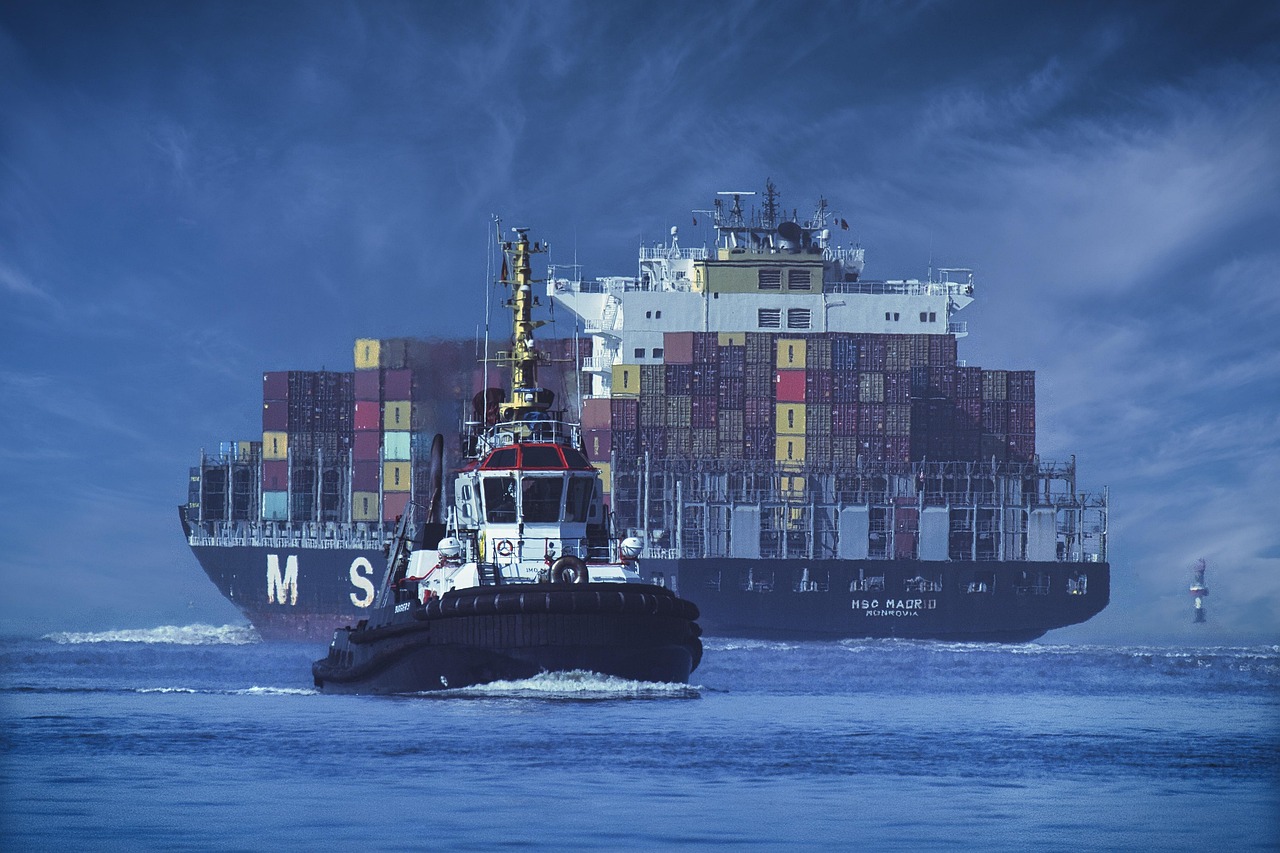
Vessel operations management is a critical component of the shipping industry, involving the planning, coordination, and execution of all activities related to the operation of a vessel. This includes tasks such as navigation, cargo handling, and maintenance, all of which are crucial to ensuring the safe and efficient transportation of goods. Effective vessel operations management is essential for minimizing costs, maximizing profitability, and maintaining a competitive edge in the global shipping market.
At the heart of vessel operations management is the concept of optimization, which involves finding the most efficient and cost-effective way to operate a vessel. This can involve a range of factors, including route planning, speed optimization, and fuel management. By analyzing data on vessel performance, weather patterns, and sea conditions, ship operators can identify opportunities to improve efficiency and reduce costs. For example, a vessel operator may use advanced weather forecasting tools to predict sea conditions and adjust their route accordingly, reducing the risk of delays or damage to the vessel.
Another key aspect of vessel operations management is cargo handling, which involves the loading, stowage, and discharge of cargo. This requires careful planning and coordination to ensure that cargo is handled safely and efficiently, and that the vessel is properly secured for transit. Cargo handling operations must also comply with relevant regulations and standards, such as those related to safety, security, and environmental protection. For instance, a vessel operator may need to comply with international regulations on the carriage of hazardous materials, or with local regulations on waste management and pollution prevention.
Vessel operations management also involves a range of administrative tasks, including documentation, reporting, and compliance with regulatory requirements. This can include tasks such as preparing and submitting reports to regulatory authorities, maintaining accurate records of vessel operations, and ensuring compliance with tax and customs regulations. Effective administrative management is essential for minimizing the risk of errors, delays, or penalties, and for maintaining a positive reputation in the shipping industry.
In addition to these tasks, vessel operations management involves a range of technical considerations, including vessel maintenance, repair, and upkeep. This includes tasks such as performing routine inspections and repairs, upgrading or replacing vessel equipment, and ensuring compliance with safety and environmental regulations. For example, a vessel operator may need to perform regular maintenance on the vessel's propulsion system to ensure optimal performance and minimize the risk of breakdowns.
Effective vessel operations management also requires strong communication and coordination between different stakeholders, including the vessel owner, operator, and crew. This can involve tasks such as providing regular updates on vessel operations, coordinating with ports and terminals, and responding to emergencies or unexpected events. For instance, a vessel operator may need to coordinate with a port authority to arrange for berthing and cargo handling, or to respond to a medical emergency on board.
The use of technology is also becoming increasingly important in vessel operations management, with advances in fields such as automation, data analytics, and communications. For example, a vessel operator may use advanced navigation systems to optimize route planning, or data analytics tools to monitor vessel performance and identify areas for improvement. The use of digital technologies can also help to improve safety, reduce costs, and enhance the overall efficiency of vessel operations.
One of the key challenges in vessel operations management is risks management, which involves identifying and mitigating potential risks to the vessel, crew, and cargo. This can include tasks such as conducting risk assessments, developing contingency plans, and implementing safety protocols. For instance, a vessel operator may need to develop a emergency response plan in the event of a natural disaster, such as a hurricane or tsunami, or to respond to a security threat, such as piracy or terrorism.
Another challenge in vessel operations management is compliance with regulatory requirements, which can be complex and time-consuming to navigate. This includes tasks such as ensuring compliance with international conventions, such as the International Maritime Organization (IMO) and the International Labour Organization (ILO), as well as national and local regulations. For example, a vessel operator may need to comply with environmental regulations, such as those related to pollution prevention and waste management, or with safety regulations, such as those related to life-saving appliances and fire protection.
In addition to these challenges, vessel operations management must also contend with market fluctuations, which can impact the demand for shipping services and the profitability of vessel operations. This can include tasks such as forecasting market trends, analyzing competitor activity, and adjusting business strategies accordingly. For instance, a vessel operator may need to respond to changes in global trade patterns, such as shifts in demand for certain types of cargo, or to changes in fuel prices, which can impact the cost of vessel operations.
The importance of effective vessel operations management cannot be overstated, as it has a direct impact on the safety of the crew, the efficiency of vessel operations, and the profitability of the shipping business. By optimizing vessel operations, ship operators can minimize costs, maximize revenue, and maintain a competitive edge in the global shipping market. This requires a deep understanding of the complex factors that influence vessel operations, as well as the ability to analyze data, manage risks, and respond to changing market conditions.
In practice, vessel operations management involves a range of practical applications, including the use of software tools, such as vessel management systems and cargo handling software. These tools can help to streamline administrative tasks, optimize vessel operations, and improve communication and coordination between different stakeholders. For example, a vessel operator may use a fleet management system to track vessel movements, monitor performance, and analyze data on fuel consumption and emissions.
Effective vessel operations management also requires strong leadership and management skills, including the ability to motivate and manage teams, communicate effectively with stakeholders, and make informed decisions. This can involve tasks such as developing business strategies, managing budgets, and evaluating performance. For instance, a vessel operator may need to develop a business plan, manage financial resources, and evaluate the performance of the vessel and crew.
The benefits of effective vessel operations management are numerous, and can include improved safety, reduced costs, and increased efficiency. By optimizing vessel operations, ship operators can also enhance their reputation, build trust with customers, and maintain a competitive edge in the global shipping market. For example, a vessel operator may be able to reduce fuel consumption, lower emissions, and minimize the risk of accidents or environmental damage.
In terms of best practices, vessel operations management involves a range of proven strategies and techniques, including the use of benchmarking tools, performance metrics, and quality management systems. These tools can help to identify areas for improvement, measure progress, and evaluate the effectiveness of vessel operations. For instance, a vessel operator may use key performance indicators (KPIs) to track vessel performance, analyze data on fuel consumption, and identify opportunities for improvement.
The role of technology in vessel operations management is also becoming increasingly important, with advances in fields such as artificial intelligence, blockchain, and the Internet of Things (IoT). These technologies can help to automate tasks, improve communication, and enhance the overall efficiency of vessel operations. For example, a vessel operator may use autonomous systems to navigate the vessel, predictive analytics to forecast maintenance needs, or real-time monitoring systems to track vessel performance.
In addition to these trends, vessel operations management must also contend with a range of regulatory requirements, including those related to safety, security, and environmental protection. This can include tasks such as complying with international conventions, such as the IMO and the ILO, as well as national and local regulations. For instance, a vessel operator may need to comply with emission regulations, such as those related to sulfur oxides and nitrogen oxides, or with waste management regulations, such as those related to garbage and sewage.
The impact of global events on vessel operations management can also be significant, with factors such as trade wars, pandemics, and natural disasters all having the potential to disrupt vessel operations. This can include tasks such as responding to changes in global trade patterns, managing the risks associated with piracy and terrorism, and preparing for the potential impacts of climate change. For example, a vessel operator may need to diversify their business, adapt to changing market conditions, or invest in new technologies to stay ahead of the competition.
The importance of training and development in vessel operations management cannot be overstated, as it is essential for ensuring that vessel operators have the skills and knowledge needed to manage vessel operations effectively. This can include tasks such as providing training on safety procedures, developing leadership and management skills, and encouraging a culture of continuous improvement. For instance, a vessel operator may need to develop a training program, deliver training sessions, and evaluate the effectiveness of training initiatives.
In terms of challenges, vessel operations management faces a range of complex and dynamic challenges, including the need to balance competing priorities, manage risks, and adapt to changing market conditions. This can include tasks such as managing the risks associated with cyber security, responding to changes in global trade patterns, and preparing for the potential impacts of climate change. For example, a vessel operator may need to invest in new technologies, develop new business strategies, or build partnerships with other stakeholders to stay ahead of the competition.
The role of stakeholders in vessel operations management is also critical, with a range of different stakeholders all having an interest in the safe and efficient operation of the vessel. This can include tasks such as communicating with customers, managing relationships with suppliers, and engaging with regulatory authorities. For instance, a vessel operator may need to provide regular updates to customers, negotiate contracts with suppliers, or respond to inquiries from regulatory authorities.
The use of data and analytics in vessel operations management is also becoming increasingly important, with the ability to collect, analyze, and interpret large amounts of data being essential for optimizing vessel operations. This can include tasks such as monitoring vessel performance, tracking fuel consumption, and analyzing data on cargo handling and logistics. For example, a vessel operator may use predictive analytics to forecast maintenance needs, identify opportunities for improvement, or optimize vessel routes and schedules.
In terms of future trends, vessel operations management is likely to be shaped by a range of emerging technologies, including artificial intelligence, blockchain, and the Internet of Things (IoT). These technologies have the potential to transform the shipping industry, with advances in fields such as autonomous systems, predictive maintenance, and real-time monitoring all having the potential to improve the safety, efficiency, and sustainability of vessel operations. For instance, a vessel operator may use autonomous systems to navigate the vessel, predictive analytics to forecast maintenance needs, or real-time monitoring systems to track vessel performance.
The importance of sustainability in vessel operations management is also becoming increasingly important, with the shipping industry facing growing pressure to reduce its environmental impact and improve its social responsibility. This can include tasks such as reducing fuel consumption, lowering emissions, and minimizing waste. For example, a vessel operator may need to invest in new technologies, develop sustainable business practices, or build partnerships with other stakeholders to reduce their environmental footprint.
The role of leadership in vessel operations management is also critical, with effective leaders being essential for driving change, managing risks, and optimizing vessel operations. This can include tasks such as developing business strategies, managing budgets, and evaluating performance. For example, a vessel operator may need to develop a business plan, manage financial resources, and evaluate the performance of the vessel and crew.
In conclusion, vessel operations management is a complex and dynamic field that requires a range of skills, knowledge, and expertise. By optimizing vessel operations, ship operators can minimize costs, maximize revenue, and maintain a competitive edge in the global shipping market. The use of technology, data and analytics, and sustainable practices are all becoming increasingly important in vessel operations management, and effective leaders and managers are essential for driving change and optimizing vessel operations.
Key takeaways
- Vessel operations management is a critical component of the shipping industry, involving the planning, coordination, and execution of all activities related to the operation of a vessel.
- For example, a vessel operator may use advanced weather forecasting tools to predict sea conditions and adjust their route accordingly, reducing the risk of delays or damage to the vessel.
- For instance, a vessel operator may need to comply with international regulations on the carriage of hazardous materials, or with local regulations on waste management and pollution prevention.
- This can include tasks such as preparing and submitting reports to regulatory authorities, maintaining accurate records of vessel operations, and ensuring compliance with tax and customs regulations.
- This includes tasks such as performing routine inspections and repairs, upgrading or replacing vessel equipment, and ensuring compliance with safety and environmental regulations.
- This can involve tasks such as providing regular updates on vessel operations, coordinating with ports and terminals, and responding to emergencies or unexpected events.
- The use of technology is also becoming increasingly important in vessel operations management, with advances in fields such as automation, data analytics, and communications.