
Buddhist Psychotherapy
Buddhist Psychotherapy is a unique approach to mental health treatment that combines traditional Buddhist teachings and practices with modern psychological principles. At the heart of Buddhist Psychotherapy is the understanding that sufferi…
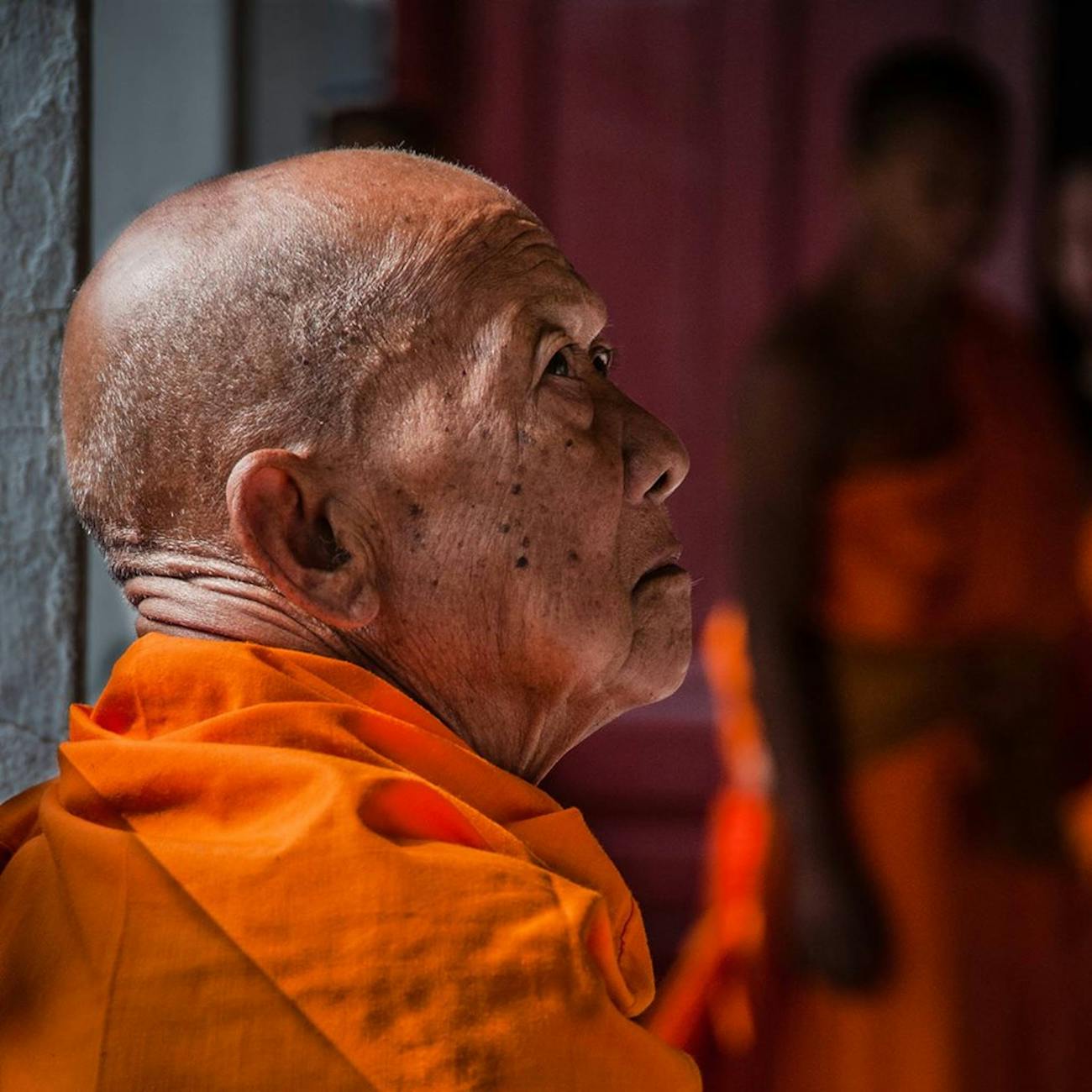
Buddhist Psychotherapy is a unique approach to mental health treatment that combines traditional Buddhist teachings and practices with modern psychological principles. At the heart of Buddhist Psychotherapy is the understanding that suffering is a fundamental part of the human experience, and that by developing mindfulness, wisdom, and compassion, individuals can alleviate their suffering and achieve greater well-being. In this explanation, we will explore some of the key terms and vocabulary used in Buddhist Psychotherapy.
1. The Four Noble Truths
The Four Noble Truths are the foundation of Buddhist teaching and practice. They are:
* The truth of suffering (dukkha) * The truth of the cause of suffering (samudaya) * The truth of the end of suffering (nirodha) * The truth of the path leading to the end of suffering (magga)
In Buddhist Psychotherapy, the Four Noble Truths are used as a framework for understanding and addressing suffering. By recognizing the truth of suffering, individuals can begin to develop a sense of detachment from their experiences and gain a greater perspective on their lives. By understanding the cause of suffering, individuals can identify and address the underlying factors that contribute to their distress. By recognizing the possibility of the end of suffering, individuals can cultivate hope and motivation for change. And by following the path leading to the end of suffering, individuals can develop the skills and practices necessary to alleviate their suffering and achieve greater well-being.
2. Mindfulness
Mindfulness is the practice of paying attention to the present moment with a non-judgmental and open attitude. In Buddhist Psychotherapy, mindfulness is used as a tool for developing self-awareness, reducing stress, and promoting emotional regulation. By practicing mindfulness, individuals can learn to observe their thoughts and feelings without getting caught up in them, which can help them to respond to challenging situations with greater clarity and compassion.
3. Compassion
Compassion is the ability to feel and express kindness and concern for oneself and others. In Buddhist Psychotherapy, compassion is seen as a fundamental component of mental health and well-being. By cultivating compassion, individuals can develop a greater sense of connection with themselves and others, which can help to reduce feelings of isolation and alienation. Compassion can also help to reduce self-criticism and self-blame, which can contribute to depression and anxiety.
4. Wisdom
Wisdom is the ability to see things as they really are, without the distortions of ego, attachment, or aversion. In Buddhist Psychotherapy, wisdom is seen as a key factor in mental health and well-being. By developing wisdom, individuals can gain a deeper understanding of themselves and the world around them, which can help them to make more skillful choices and reduce suffering.
5. The Eightfold Path
The Eightfold Path is the path leading to the end of suffering, as described in the Fourth Noble Truth. It consists of:
* Right Understanding * Right Intention * Right Speech * Right Action * Right Livelihood * Right Effort * Right Mindfulness * Right Concentration
In Buddhist Psychotherapy, the Eightfold Path is used as a roadmap for personal growth and development. By following the path, individuals can cultivate the skills and practices necessary to alleviate their suffering and achieve greater well-being.
6. Dependent Origination
Dependent origination is the Buddhist teaching that all phenomena arise in dependence upon other phenomena. In other words, nothing exists independently or in isolation. This concept is closely related to the idea of interdependence, which emphasizes the ways in which all things are connected and interrelated. In Buddhist Psychotherapy, the concept of dependent origination is used to help individuals understand the complex and interconnected nature of their experiences, and to develop a greater sense of compassion and understanding towards themselves and others.
7. No-Self
No-Self (anatta) is the Buddhist teaching that the self is an illusion, and that there is no fixed, permanent, or independent entity that can be called the "self." This concept is closely related to the idea of impermanence, which emphasizes the constant change and flux of all phenomena. In Buddhist Psychotherapy, the concept of no-self is used to help individuals understand the transient and illusory nature of their experiences, and to develop a greater sense of detachment and freedom from their thoughts and feelings.
8. Emptiness
Emptiness (shunyata) is the Buddhist teaching that all phenomena are empty of inherent existence, and that they arise and exist in dependence upon other phenomena. This concept is closely related to the idea of dependent origination and no-self. In Buddhist Psychotherapy, the concept of emptiness is used to help individuals understand the interconnected and interdependent nature of their experiences, and to develop a greater sense of compassion and understanding towards themselves and others.
9. The Three Marks of Existence
The Three Marks of Existence are the three characteristics that all phenomena share, according to Buddhist teaching. They are:
* Impermanence (anicca) * Suffering (dukkha) * No-Self (anatta)
In Buddhist Psychotherapy, the Three Marks of Existence are used as a framework for understanding the nature of suffering and the path to its cessation. By recognizing the impermanent, suffering, and no-self nature of all phenomena, individuals can develop a greater sense of detachment and freedom from their experiences, and cultivate the skills and practices necessary to alleviate their suffering and achieve greater well-being.
10. The Five Aggregates
The Five Aggregates (panca khandha) are the five components that make up the individual, according to Buddhist teaching. They are:
* Form (rupa) * Feeling (vedana) * Perception (samjna) * Mental Formations (samskara) * Consciousness (vijnana)
In Buddhist Psychotherapy, the Five Aggregates are used as a framework for understanding the nature of the individual and the sources of suffering. By recognizing the impermanent and interconnected nature of the Five Aggregates, individuals can develop a greater sense of detachment and freedom from their experiences, and cultivate the skills and practices necessary to alleviate their suffering and achieve greater well-being.
In conclusion, Buddhist Psychotherapy is a unique and holistic approach to mental health treatment that combines traditional Buddhist teachings and practices with modern psychological principles. By developing mindfulness, wisdom, and compassion, individuals can alleviate their suffering and achieve greater well-being. The key terms and vocabulary used in Buddhist Psychotherapy, such as the Four Noble Truths, mindfulness, compassion, wisdom, the Eightfold Path, dependent origination, no-self, emptiness, the Three Marks of Existence, and the Five Aggregates, provide a framework for understanding and addressing suffering, and for cultivating the skills and practices necessary for personal growth and development. Whether you are a mental health professional, a spiritual practitioner, or simply someone interested in learning more about Buddhist Psychotherapy, these concepts and practices can be a valuable resource for promoting well-being and reducing suffering.
Key takeaways
- Buddhist Psychotherapy is a unique approach to mental health treatment that combines traditional Buddhist teachings and practices with modern psychological principles.
- The Four Noble Truths are the foundation of Buddhist teaching and practice.
- And by following the path leading to the end of suffering, individuals can develop the skills and practices necessary to alleviate their suffering and achieve greater well-being.
- By practicing mindfulness, individuals can learn to observe their thoughts and feelings without getting caught up in them, which can help them to respond to challenging situations with greater clarity and compassion.
- By cultivating compassion, individuals can develop a greater sense of connection with themselves and others, which can help to reduce feelings of isolation and alienation.
- By developing wisdom, individuals can gain a deeper understanding of themselves and the world around them, which can help them to make more skillful choices and reduce suffering.
- The Eightfold Path is the path leading to the end of suffering, as described in the Fourth Noble Truth.