
Buddhist Ethics
Buddhist Ethics is a significant field of study in the Advanced Certificate in Buddhism and Psychology. This explanation will cover key terms and vocabulary related to Buddhist Ethics, providing detailed, comprehensive, and learner-friendly…
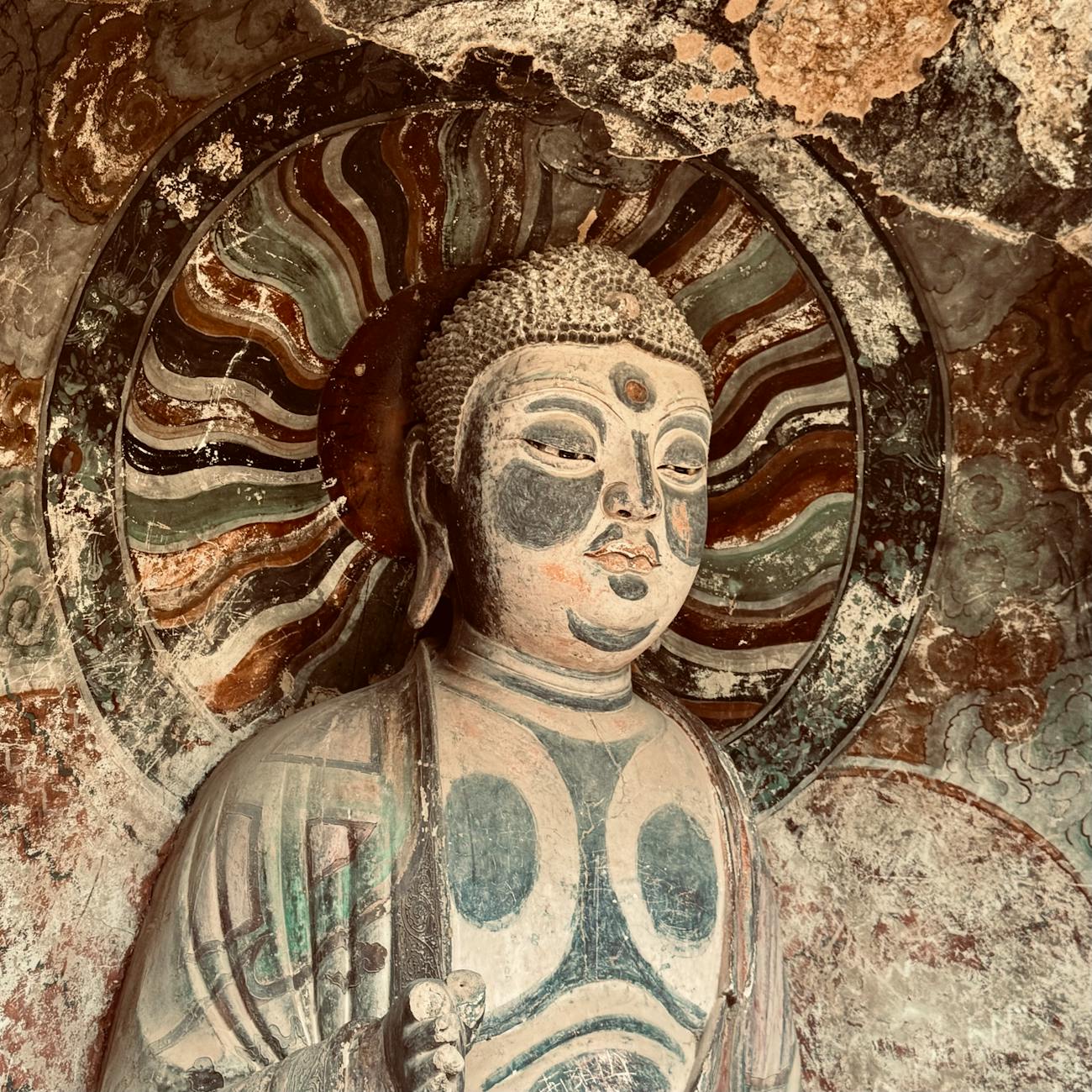
Buddhist Ethics is a significant field of study in the Advanced Certificate in Buddhism and Psychology. This explanation will cover key terms and vocabulary related to Buddhist Ethics, providing detailed, comprehensive, and learner-friendly content. Examples, practical applications, and challenges will be included to enhance understanding.
1. The Four Noble Truths
The Four Noble Truths are the foundation of Buddhist teachings. They are: the truth of suffering (Dukkha), the truth of the origin of suffering (Samudaya), the truth of the cessation of suffering (Nirodha), and the truth of the path leading to the cessation of suffering (Magga).
2. The Noble Eightfold Path
The Noble Eightfold Path is the fourth Noble Truth and the path leading to the cessation of suffering. It consists of right view (Samma Ditthi), right intention (Samma Sankappa), right speech (Samma Vaca), right action (Samma Kammanta), right livelihood (Samma Ajiva), right effort (Samma Vayama), right mindfulness (Samma Sati), and right concentration (Samma Samadhi).
3. The Five Precepts
The Five Precepts are the basic code of ethics in Buddhism. They are: to abstain from taking life (Pānātipātā Veramani), to abstain from taking what is not given (Adinnādānā Veramani), to abstain from sexual misconduct (Kāmesumicchācāra Veramani), to abstain from false speech (Musāvāda Veramani), and to abstain from intoxicants which lead to carelessness (Surāmerayamajja Pennāpati Veramani).
4. Right Livelihood
Right livelihood refers to earning a living in a way that does not harm others or cause suffering. Examples of right livelihood include farming, teaching, healing, and other occupations that promote well-being. Examples of wrong livelihood include trading in weapons, intoxicants, and poisons.
5. Karma
Karma is the law of cause and effect, the idea that actions have consequences. Good actions (Kusala Kamma) lead to positive consequences, while bad actions (Akusala Kamma) lead to negative consequences.
6. Wholesome and Unwholesome Actions
Wholesome actions (Kusala Kamma) are those that promote well-being, reduce suffering, and bring positive consequences. Unwholesome actions (Akusala Kamma) are those that cause harm, increase suffering, and bring negative consequences.
7. The Three Marks of Existence
The Three Marks of Existence are impermanence (Anicca), non-self (Anatta), and suffering (Dukkha). These marks describe the fundamental nature of existence, and understanding them is essential for the path to enlightenment.
8. The Six Realms of Existence
The Six Realms of Existence are a classification of the cycle of birth and death (Samsara). They are: the realm of gods (Deva), the realm of demi-gods (Asura), the realm of humans (Manussa), the realm of animals (Tiracchāna), the realm of hungry ghosts (Peta), and the realm of hell beings (Niraya).
9. Dependent Origination
Dependent origination (Paticcasamuppāda) is the Buddhist teaching that all phenomena arise in dependence upon other phenomena. This teaching emphasizes the interconnectedness and interdependence of all things and the absence of an independent self.
10. The Three Poisons
The Three Poisons are ignorance (Avijja), attachment (Taṇhā), and aversion (Dosa). These poisons are the root causes of suffering and are overcome through the practice of the Noble Eightfold Path.
Challenge:
Consider how the concepts of karma and the Three Marks of Existence can be applied to your daily life. How might understanding these concepts help you make more wholesome choices and reduce suffering?
Example:
Imagine you are considering whether to speak the truth or tell a lie. Understanding the concept of karma, you might reflect on the consequences of each action. Telling the truth might bring positive consequences, such as building trust and strengthening relationships, while telling a lie might bring negative consequences, such as damaging trust and causing harm.
Understanding the Three Marks of Existence, you might also reflect on the impermanence of the situation. The consequences of your actions will not last forever, but they will have an impact on the present moment. The non-self aspect of the situation might remind you that your actions are not solely about you, but about the interconnectedness of all things.
Practical Application:
Incorporate the practice of the Five Precepts into your daily life. Consider how your actions might be causing harm or promoting well-being, and strive to make more wholesome choices. Reflect on the consequences of your actions, and seek to cultivate a deeper understanding of the interconnectedness of all things.
Conclusion:
Buddhist Ethics is a rich and complex field of study, with key terms and vocabulary that are essential for understanding the path to enlightenment. Through the practice of the Noble Eightfold Path, the Five Precepts, and the cultivation of mindfulness, one can reduce suffering and promote well-being in their own life and in the lives of others. By reflecting on the concepts of karma, the Three Marks of Existence, and the interconnectedness of all things, one can make more wholesome choices and deepen their understanding of the path to enlightenment.
Key takeaways
- This explanation will cover key terms and vocabulary related to Buddhist Ethics, providing detailed, comprehensive, and learner-friendly content.
- The Four Noble Truths are the foundation of Buddhist teachings.
- The Noble Eightfold Path is the fourth Noble Truth and the path leading to the cessation of suffering.
- The Five Precepts are the basic code of ethics in Buddhism.
- Examples of right livelihood include farming, teaching, healing, and other occupations that promote well-being.
- Good actions (Kusala Kamma) lead to positive consequences, while bad actions (Akusala Kamma) lead to negative consequences.
- Wholesome actions (Kusala Kamma) are those that promote well-being, reduce suffering, and bring positive consequences.