
Buddhist Mindfulness
Buddhist Mindfulness is a key concept in the Advanced Certificate in Buddhism and Psychology. It is a meditation practice that involves paying attention to the present moment in a non-judgmental way. The following are some of the key terms …
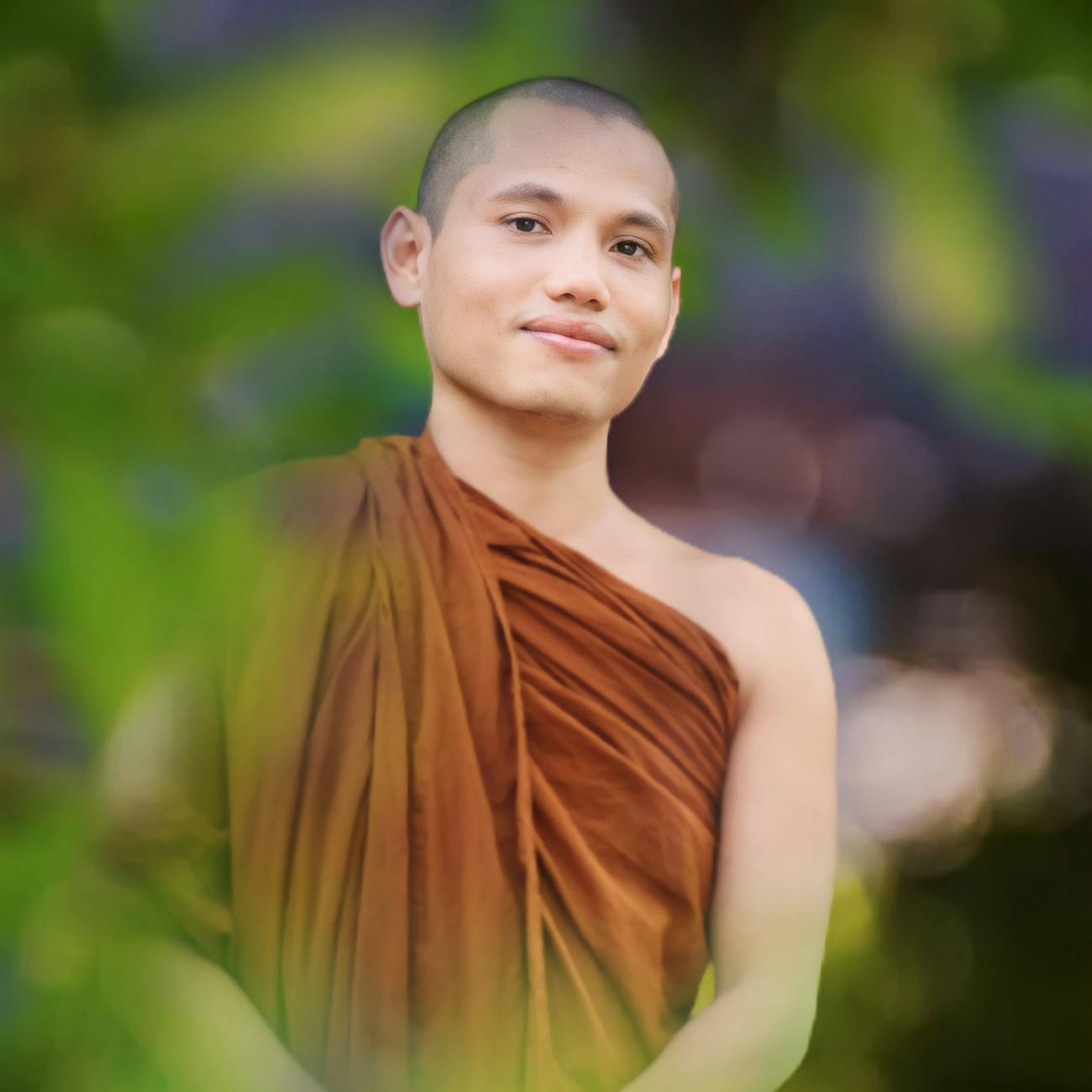
Buddhist Mindfulness is a key concept in the Advanced Certificate in Buddhism and Psychology. It is a meditation practice that involves paying attention to the present moment in a non-judgmental way. The following are some of the key terms and vocabulary related to Buddhist Mindfulness:
1. Mindfulness: Mindfulness is the quality of being fully present and engaged in the current moment, without judgment or distraction. It is a form of meditation that involves focusing on the breath, body sensations, thoughts, and emotions as they arise in the present moment.
Example: When practicing mindfulness, one might focus on the sensation of the breath moving in and out of the body, noticing any thoughts or emotions that arise without getting caught up in them.
Practical Application: Mindfulness can be practiced in many different situations, such as during daily activities like eating, walking, or washing dishes. It can also be practiced during formal meditation sessions.
Challenge: One challenge of mindfulness practice is to remain present and non-judgmental, even when faced with difficult thoughts or emotions.
2. Meditation: Meditation is the practice of training the mind to focus and become more aware. It involves sitting in a comfortable position, closing the eyes, and focusing the mind on a specific object, such as the breath.
Example: When meditating, one might focus on the sensation of the breath moving in and out of the body, noticing any thoughts or emotions that arise without getting caught up in them.
Practical Application: Meditation can be practiced for a few minutes a day or for longer periods of time. It can be done alone or in a group.
Challenge: One challenge of meditation practice is to remain focused and not get distracted by thoughts or external stimuli.
3. Four Foundations of Mindfulness: The Four Foundations of Mindfulness are a framework for practicing mindfulness. They include mindfulness of the body, mindfulness of feelings, mindfulness of the mind, and mindfulness of mental objects.
Example: Mindfulness of the body includes practices such as focusing on the breath, body sensations, and posture. Mindfulness of feelings includes noticing and accepting feelings as they arise. Mindfulness of the mind includes observing the nature of the mind and its thoughts. Mindfulness of mental objects includes observing phenomena such as the Five Hindrances (sensual desire, ill will, sloth and torpor, restlessness and remorse, and doubt) and the Seven Factors of Enlightenment (mindfulness, investigation, energy, joy, tranquility, concentration, and equanimity).
Practical Application: The Four Foundations of Mindfulness can be practiced during formal meditation sessions or during daily activities.
Challenge: One challenge of practicing the Four Foundations of Mindfulness is to remain present and non-judgmental with all aspects of experience, including difficult thoughts and emotions.
4. Satipatthana: Satipatthana is the Pali word for "establishing mindfulness." It refers to the practice of cultivating mindfulness in order to develop wisdom and understanding.
Example: When practicing Satipatthana, one might focus on the breath, body sensations, thoughts, and emotions as they arise in the present moment, with the intention of developing wisdom and understanding.
Practical Application: Satipatthana can be practiced during formal meditation sessions or during daily activities.
Challenge: One challenge of practicing Satipatthana is to remain present and non-judgmental, even when faced with difficult thoughts or emotions.
5. Vipassana: Vipassana is a type of meditation that involves observing the impermanent and interconnected nature of all phenomena. It is often referred to as "insight meditation."
Example: When practicing Vipassana, one might focus on the impermanent nature of the breath, body sensations, thoughts, and emotions.
Practical Application: Vipassana can be practiced during formal meditation sessions or during daily activities.
Challenge: One challenge of practicing Vipassana is to remain present and non-judgmental, even when faced with difficult thoughts or emotions.
6. Anapanasati: Anapanasati is a type of meditation that involves focusing on the breath. It is often referred to as "mindfulness of breathing."
Example: When practicing Anapanasati, one might focus on the sensation of the breath moving in and out of the body, noticing any thoughts or emotions that arise without getting caught up in them.
Practical Application: Anapanasati can be practiced during formal meditation sessions or during daily activities.
Challenge: One challenge of practicing Anapanasati is to remain focused on the breath, without getting distracted by thoughts or external stimuli.
7. Sati: Sati is the Pali word for "mindfulness." It refers to the quality of being fully present and engaged in the current moment, without judgment or distraction.
Example: When practicing Sati, one might focus on the sensation of the breath moving in and out of the body, noticing any thoughts or emotions that arise without getting caught up in them.
Practical Application: Sati can be practiced during formal meditation sessions or during daily activities.
Challenge: One challenge of practicing Sati is to remain present and non-judgmental, even when faced with difficult thoughts or emotions.
8. Samadhi: Samadhi is the Pali word for "concentration." It refers to the quality of being able to focus the mind on a single object for an extended period of time.
Example: When practicing Samadhi, one might focus on the sensation of the breath moving in and out of the body, noticing any thoughts or emotions that arise without getting caught up in them.
Practical Application: Samadhi can be practiced during formal meditation sessions or during daily activities.
Challenge: One challenge of practicing Samadhi is to remain focused on the object of concentration, without getting distracted by thoughts or external stimuli.
9. Jhana: Jhana is a state of deep concentration that can be attained through the practice of Samadhi. It is characterized by a sense of inner peace, joy, and equanimity.
Example: When practicing Jhana, one might focus on the sensation of the breath moving in and out of the body, noticing any thoughts or emotions that arise without getting caught up in them.
Practical Application: Jhana can be practiced during formal meditation sessions or during daily activities.
Challenge: One challenge of practicing Jhana is to remain focused on the object of concentration, without getting distracted by thoughts or external stimuli.
10. Five Hindrances: The Five Hindrances are five obstacles to the practice of mindfulness and concentration. They include sensual desire, ill will, sloth and torpor, restlessness and remorse, and doubt.
Example: When practicing mindfulness, one might notice the arising of sensual desire, such as the desire for a particular pleasure or experience.
Practical Application: The Five Hindrances can be recognized and acknowledged as they arise, without getting caught up in them.
Challenge: One challenge of practicing with the Five Hindrances is to remain present and non-judgmental, even when faced with difficult thoughts or emotions.
In conclusion, Buddhist Mindfulness is a meditation practice that involves paying attention to the present moment in a non-judgmental way. The key terms and vocabulary related to Buddhist Mindfulness include Mindfulness, Meditation, Four Foundations of Mindfulness, Satipatthana, Vipassana, Anapanasati, Sati, Samadhi, Jhana, and Five Hindrances. These concepts can be applied in formal meditation sessions or during daily activities, and they can help individuals develop wisdom and understanding. However, they can also present challenges, such as the challenge of remaining present and non-judgmental, even when faced with difficult thoughts or emotions.
Key takeaways
- It is a meditation practice that involves paying attention to the present moment in a non-judgmental way.
- It is a form of meditation that involves focusing on the breath, body sensations, thoughts, and emotions as they arise in the present moment.
- Example: When practicing mindfulness, one might focus on the sensation of the breath moving in and out of the body, noticing any thoughts or emotions that arise without getting caught up in them.
- Practical Application: Mindfulness can be practiced in many different situations, such as during daily activities like eating, walking, or washing dishes.
- Challenge: One challenge of mindfulness practice is to remain present and non-judgmental, even when faced with difficult thoughts or emotions.
- It involves sitting in a comfortable position, closing the eyes, and focusing the mind on a specific object, such as the breath.
- Example: When meditating, one might focus on the sensation of the breath moving in and out of the body, noticing any thoughts or emotions that arise without getting caught up in them.