
Buddhist Philosophy
Buddhist Philosophy is a complex and nuanced field of study that explores the fundamental nature of reality, the human mind, and the path to liberation. Here are some key terms and concepts that are essential to understanding Buddhist Philo…
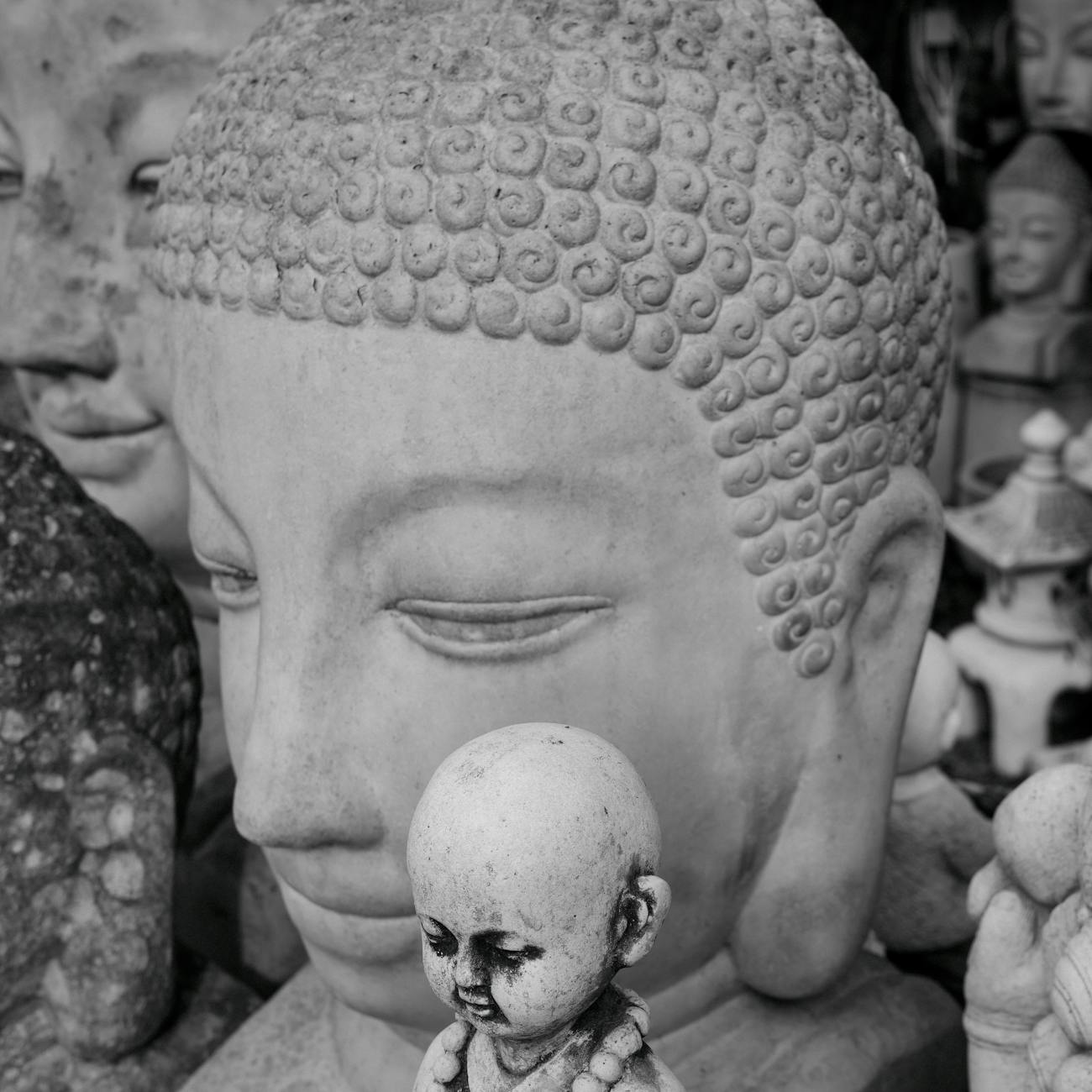
Buddhist Philosophy is a complex and nuanced field of study that explores the fundamental nature of reality, the human mind, and the path to liberation. Here are some key terms and concepts that are essential to understanding Buddhist Philosophy in the context of an Advanced Certificate in Buddhism and Psychology:
1. The Four Noble Truths: The Four Noble Truths are the foundation of Buddhist teachings and provide a framework for understanding the nature of suffering and the path to its cessation. The first Noble Truth is the truth of suffering (dukkha), which refers to the inherent unsatisfactoriness of life. The second Noble Truth is the truth of the origin of suffering (samudaya), which is identified as craving or attachment. The third Noble Truth is the truth of the cessation of suffering (nirodha), which is achieved through the elimination of craving. The fourth Noble Truth is the truth of the path to the cessation of suffering (magga), which is outlined in the Noble Eightfold Path. 2. The Noble Eightfold Path: The Noble Eightfold Path is a practical guide to achieving the cessation of suffering. It consists of eight interconnected practices that promote wisdom, ethical conduct, and mental discipline. The eight practices are: right understanding, right intention, right speech, right action, right livelihood, right effort, right mindfulness, and right concentration. 3. Dependent Origination (Pratityasamutpada): Dependent origination is a core concept in Buddhist philosophy that describes the interconnectedness of all phenomena. It asserts that all things arise in dependence upon other things and that nothing exists independently. This concept is often illustrated through the image of Indra's net, which depicts a vast network of interconnected jewels, each reflecting all the others. 4. No-self (Anatta): The concept of no-self is a central tenet of Buddhist philosophy that challenges the notion of a permanent, unchanging self. It asserts that the self is merely a collection of mental and physical processes that are constantly changing and that there is no permanent, unchanging entity that can be identified as the self. 5. Karma: Karma is a fundamental concept in Buddhist philosophy that refers to the law of moral causation. It asserts that all actions have consequences and that these consequences determine our future experiences. Karma is not a system of reward and punishment but rather a natural law that governs the workings of the universe. 6. Rebirth (Punarbhava): Rebirth is the belief that the consciousness or mind continues after death and is reborn in a new body. This concept is closely related to the law of karma, as it asserts that the experiences of one life are determined by the actions of previous lives. 7. The Three Marks of Existence: The Three Marks of Existence are impermanence (anicca), suffering (dukkha), and no-self (anatta). These marks are said to characterize all phenomena and serve as a reminder of the impermanent and unsatisfactory nature of life. 8. Emptiness (Shunyata): Emptiness is a central concept in Mahayana Buddhism that asserts that all phenomena are empty of inherent existence. It challenges the notion that things have an independent, objective existence and asserts that they are merely designations or concepts imposed by the mind. 9. Mindfulness (Sati): Mindfulness is the practice of bringing one's attention to the present moment and observing it without judgment. It is a key practice in Buddhist meditation and is said to promote clarity, insight, and liberation. 10. Wisdom (Prajna): Wisdom is the understanding of the true nature of reality and is seen as a key component of the path to liberation. It involves the development of insight into the impermanent, unsatisfactory, and interconnected nature of all phenomena.
These are just a few of the key terms and concepts in Buddhist philosophy. To deepen your understanding, it is essential to engage in regular meditation practice, study under the guidance of a qualified teacher, and engage in discussions with other practitioners. Through these practices, you can cultivate a deeper understanding of the teachings and apply them to your daily life.
It is important to note that Buddhist philosophy is not a static or dogmatic system of beliefs but rather a living tradition that has evolved over time and continues to be interpreted and applied in different ways by practitioners around the world. As such, it is essential to approach the study of Buddhist philosophy with an open mind and a willingness to engage in critical inquiry and reflection.
One challenge in studying Buddhist philosophy is the complexity and nuance of the teachings, which can be difficult to grasp without proper guidance and context. Additionally, the concepts and practices can be counterintuitive or challenging to integrate into daily life, particularly in a modern Western context. However, with dedication, practice, and the guidance of qualified teachers, it is possible to develop a deep and meaningful understanding of Buddhist philosophy and its applications to psychology and daily life.
In terms of practical application, Buddhist philosophy offers a rich and nuanced understanding of the human mind and the nature of reality. It provides a framework for understanding the causes of suffering and the path to its cessation, which can be applied to various areas of life, including mental health, relationships, and personal growth.
For example, the practice of mindfulness, which is central to Buddhist meditation, has been shown to have numerous benefits for mental health, including reducing stress, anxiety, and depression. Additionally, the concept of no-self can be helpful in challenging fixed ideas about the self and promoting greater flexibility and openness in one's identity and relationships.
In the field of psychology, Buddhist philosophy has been integrated into various therapeutic approaches, including mindfulness-based stress reduction (MBSR) and acceptance and commitment therapy (ACT). These approaches draw on Buddhist concepts and practices to promote greater awareness, acceptance, and values-based action.
In conclusion, Buddhist philosophy is a rich and complex field of study that offers a nuanced understanding of the human mind, the nature of reality, and the path to liberation. Through the study and practice of key terms and concepts such as the Four Noble Truths, the Noble Eightfold Path, dependent origination, no-self, karma, rebirth, the Three Marks of Existence, emptiness, mindfulness, and wisdom, practitioners can cultivate a deeper understanding of the teachings and apply them to their daily lives. While the concepts and practices can be challenging to integrate, with dedication, practice, and the guidance of qualified teachers, it is possible to develop a deep and meaningful understanding of Buddhist philosophy and its applications to psychology and daily life.
Key takeaways
- Buddhist Philosophy is a complex and nuanced field of study that explores the fundamental nature of reality, the human mind, and the path to liberation.
- It asserts that the self is merely a collection of mental and physical processes that are constantly changing and that there is no permanent, unchanging entity that can be identified as the self.
- To deepen your understanding, it is essential to engage in regular meditation practice, study under the guidance of a qualified teacher, and engage in discussions with other practitioners.
- As such, it is essential to approach the study of Buddhist philosophy with an open mind and a willingness to engage in critical inquiry and reflection.
- However, with dedication, practice, and the guidance of qualified teachers, it is possible to develop a deep and meaningful understanding of Buddhist philosophy and its applications to psychology and daily life.
- It provides a framework for understanding the causes of suffering and the path to its cessation, which can be applied to various areas of life, including mental health, relationships, and personal growth.
- For example, the practice of mindfulness, which is central to Buddhist meditation, has been shown to have numerous benefits for mental health, including reducing stress, anxiety, and depression.