
Seafood
Seafood is a broad term that encompasses a wide variety of aquatic animals that are consumed as food. This category includes fish, shellfish, and other marine life. In the context of the Professional Certificate in Culinary Medicine and Nut…
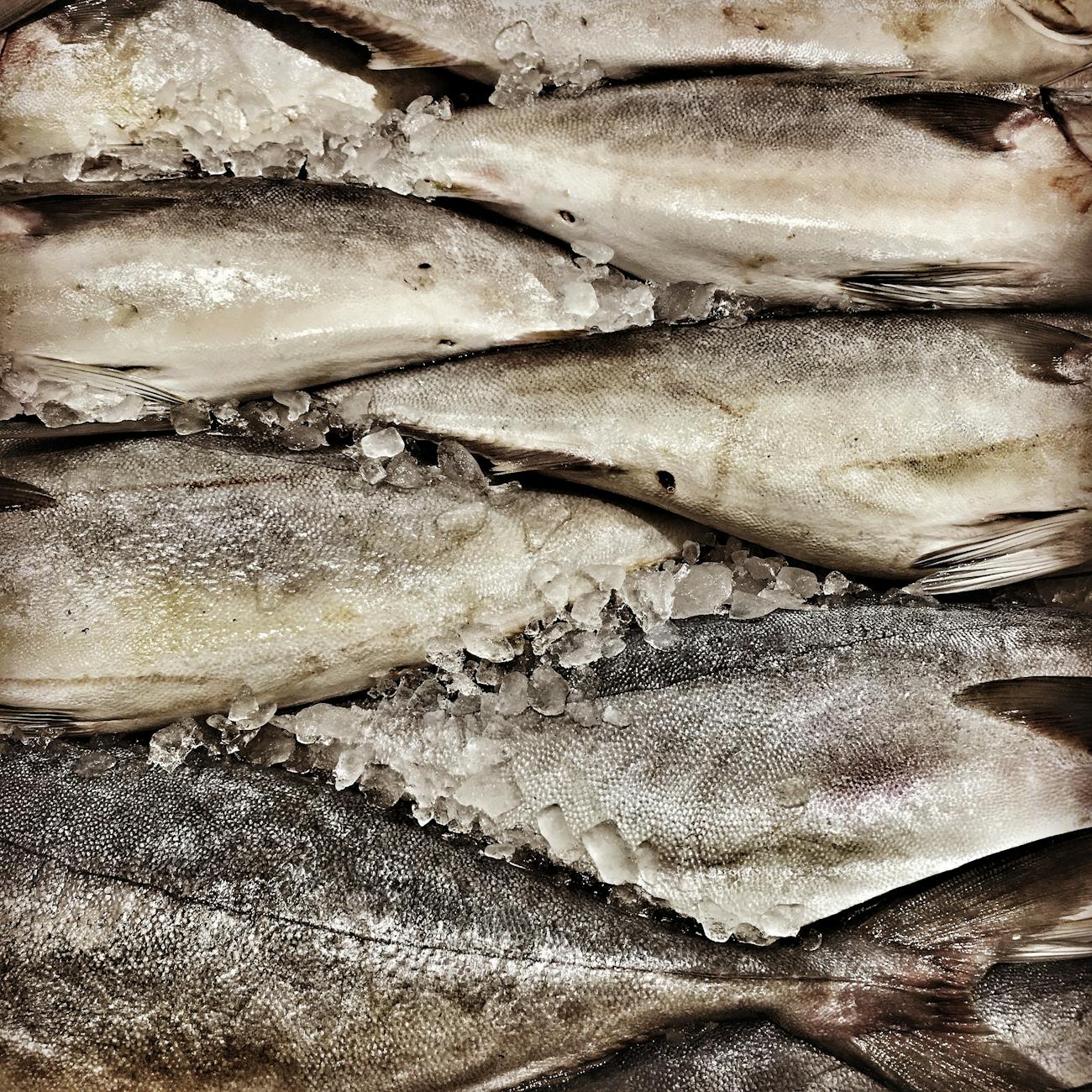
Seafood is a broad term that encompasses a wide variety of aquatic animals that are consumed as food. This category includes fish, shellfish, and other marine life. In the context of the Professional Certificate in Culinary Medicine and Nutrition, it is important to understand the key terms and vocabulary related to seafood in order to make informed decisions about incorporating it into a healthy and balanced diet.
One of the first things to consider when discussing seafood is the distinction between finfish and shellfish. Finfish, as the name suggests, are aquatic animals that have fins and a laterally compressed body. Examples of finfish include salmon, tuna, and cod. Shellfish, on the other hand, are aquatic animals that have a shell or exoskeleton. This category includes crustaceans (such as shrimp, lobster, and crab) and mollusks (such as clams, oysters, and mussels).
When it comes to the nutritional benefits of seafood, it is important to note that finfish and shellfish have different nutritional profiles. Finfish are generally higher in protein and omega-3 fatty acids, while shellfish are often higher in cholesterol and some vitamins and minerals. For example, salmon is a finfish that is well-known for its high levels of omega-3 fatty acids, which are important for heart health and brain function. Shrimp, on the other hand, is a shellfish that is high in cholesterol, but also contains a number of essential vitamins and minerals such as vitamin B12, selenium, and iron.
Another important term to understand when discussing seafood is sustainable fishing. Sustainable fishing refers to the practice of catching and harvesting seafood in a way that does not deplete the population of the species being fished, and also does not harm the overall health of the ecosystem. This is important because many species of fish and shellfish are in danger of being overfished, which can lead to declines in population and even extinction. Sustainable fishing practices include using fishing methods that are selective (meaning they only target specific species), using gear that does not damage the seafloor, and avoiding fishing in areas that are important for the survival of other marine life.
One way to ensure that the seafood you are consuming is sustainably sourced is to look for certifications from organizations such as the Marine Stewardship Council (MSC) or the Aquaculture Stewardship Council (ASC). These organizations have strict standards for sustainable fishing and aquaculture, and only certify products that meet their criteria.
Another key term to understand when discussing seafood is mercury. Mercury is a toxic heavy metal that can be found in some species of fish and shellfish. It is important to be aware of mercury levels in seafood because exposure to high levels of mercury can be harmful to the nervous system, especially in developing children. The FDA has established guidelines for mercury levels in seafood, and recommends that pregnant women, women who may become pregnant, and young children avoid certain types of fish that are known to have high levels of mercury, such as shark, swordfish, and king mackerel.
When it comes to cooking and preparing seafood, there are a few key terms and techniques to be aware of. One is poaching, which is a cooking method in which the seafood is cooked gently in a flavorful liquid, such as court-bouillon or wine. Poaching is a gentle cooking method that helps to preserve the delicate texture and flavor of the seafood. Another key cooking method for seafood is grilling, which is a high-heat cooking method that can be used to add a smoky, charred flavor to the seafood. Grilling is a great option for seafood that has a firm texture, such as shrimp or swordfish.
When it comes to serving and plating seafood, there are a few key terms to be aware of. One is crudo, which is a term used to describe raw seafood that is served as an appetizer. Crudo is typically made with very fresh seafood, such as sushi-grade tuna or salmon, and is often served with a simple garnish of olive oil, lemon juice, and sea salt. Another key term is ceviche, which is a dish that originated in Latin America and is made by marinating raw fish or shellfish in citrus juice, such as lime or lemon. The acid in the citrus juice "cooks" the seafood, giving it a firm texture and a tangy flavor.
In conclusion, seafood is a broad term that encompasses a wide variety of aquatic animals that are consumed as food. Understanding key terms and vocabulary related to seafood, such as finfish and shellfish, sustainable fishing, mercury, poaching, grilling, crudo, and ceviche, can help to make informed decisions about incorporating seafood into a healthy and balanced diet. Being aware of the nutritional benefits of different types of seafood, as well as the potential risks associated with certain species, can help to ensure that seafood is consumed in a safe and healthy way. Additionally, being aware of sustainable fishing practices and seeking out certified sustainable seafood can help to support healthy ecosystems and protect fish populations for future generations.
Examples:
* A recipe for poached salmon with a dill and lemon sauce would be a great example of how to incorporate finfish into a healthy and balanced meal. * A recipe for grilled shrimp skewers with a chimichurri sauce would be a great example of how to incorporate shellfish into a healthy and balanced meal. * A recipe for crudo with sushi-grade tuna and a simple garnish of olive oil, lemon juice, and sea salt would be a great example of how to serve raw seafood as an appetizer. * A recipe for ceviche made with fresh fish and citrus juice would be a great example of how to use acid to "cook" seafood and create a tangy and refreshing dish.
Practical Applications:
* Incorporating finfish such as salmon, tuna, and cod into the diet can help to increase intake of protein and omega-3 fatty acids. * Incorporating shellfish such as shrimp, lobster, and crab into the diet can help to increase intake of vitamins and minerals such as vitamin B12, selenium, and iron. * Seeking out certified sustainable seafood can help to support healthy ecosystems and protect fish populations for future generations. * Being aware of mercury levels in seafood can help to make informed decisions about consuming it in a safe and healthy way.
Challenges:
* One challenge is that many species of fish and shellfish are in danger of being overfished, which can lead to declines in population and even extinction. * Another challenge is that some species of fish and shellfish can contain high levels of mercury, which can be harmful to the nervous system, especially in developing children. * A third challenge is that it can be difficult to find sustainable seafood options, as not all seafood is labeled or certified as sustainable.
In summary, seafood is a broad term that encompasses a wide variety of aquatic animals that are consumed as food. Understanding key terms and vocabulary related to seafood, such as finfish and shellfish, sustainable fishing, mercury, poaching, grilling, crudo, and ceviche, can help to make informed decisions about incorporating seafood into a healthy and balanced diet. Additionally, being aware of the nutritional benefits of different types of seafood, as well as the potential risks associated with certain species, can help to ensure that seafood is consumed in a safe and healthy way. Furthermore, seeking out certified sustainable seafood, and being aware of the challenges that come with it, can help to support healthy ecosystems and protect fish populations for future generations.
Key takeaways
- Seafood is a broad term that encompasses a wide variety of aquatic animals that are consumed as food.
- This category includes crustaceans (such as shrimp, lobster, and crab) and mollusks (such as clams, oysters, and mussels).
- Shrimp, on the other hand, is a shellfish that is high in cholesterol, but also contains a number of essential vitamins and minerals such as vitamin B12, selenium, and iron.
- Sustainable fishing refers to the practice of catching and harvesting seafood in a way that does not deplete the population of the species being fished, and also does not harm the overall health of the ecosystem.
- One way to ensure that the seafood you are consuming is sustainably sourced is to look for certifications from organizations such as the Marine Stewardship Council (MSC) or the Aquaculture Stewardship Council (ASC).
- It is important to be aware of mercury levels in seafood because exposure to high levels of mercury can be harmful to the nervous system, especially in developing children.
- Another key cooking method for seafood is grilling, which is a high-heat cooking method that can be used to add a smoky, charred flavor to the seafood.