
and Nutritious Sides
Culinary medicine and nutrition is a field that combines the art of cooking and the science of nutrition to promote healthy eating and prevent chronic diseases. In this Professional Certificate course, you will learn about key terms and voc…
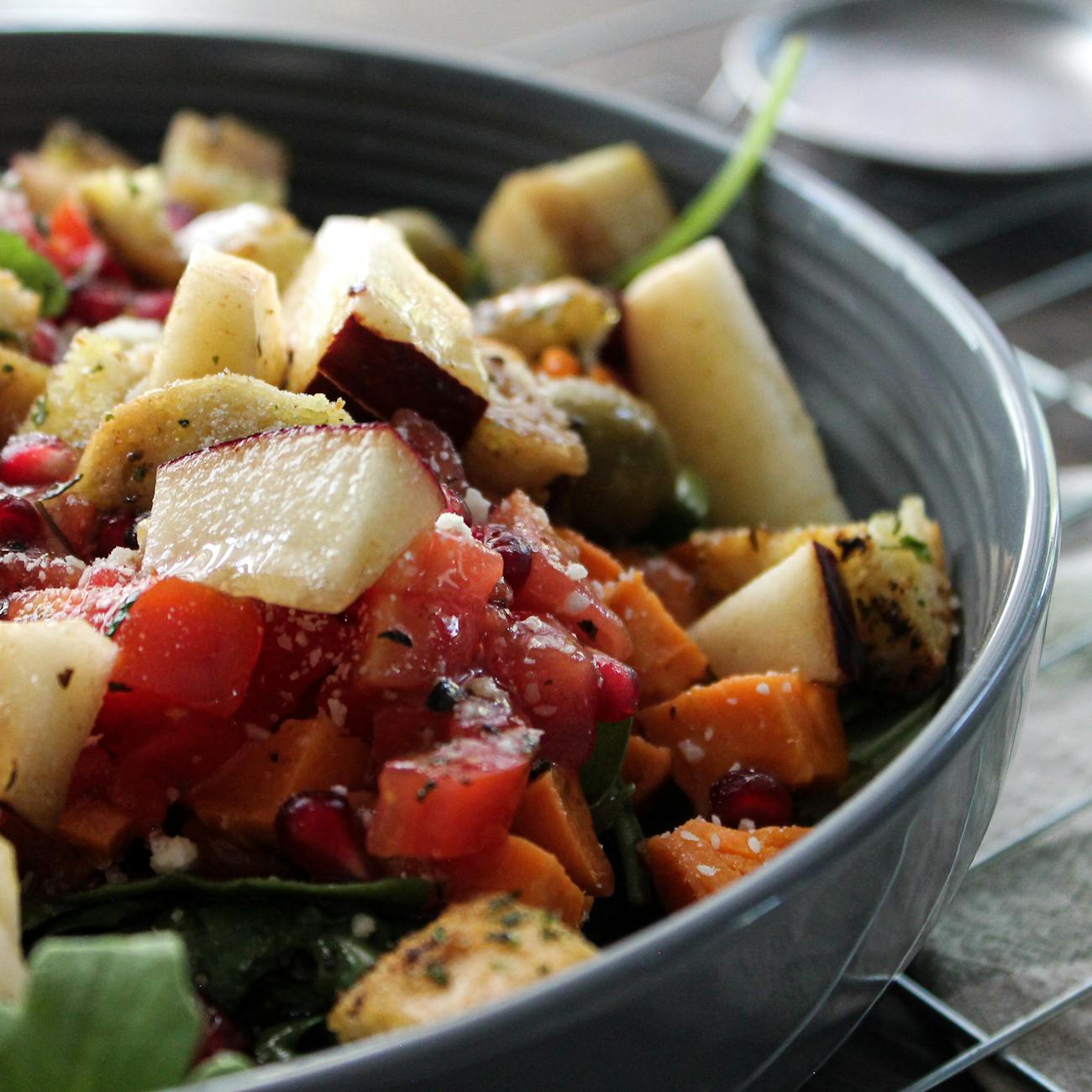
Culinary medicine and nutrition is a field that combines the art of cooking and the science of nutrition to promote healthy eating and prevent chronic diseases. In this Professional Certificate course, you will learn about key terms and vocabulary related to nutritious sides that are essential for a healthy diet. Here are some of the most important terms and concepts you should know:
1. Nutrient-dense: Nutrient-dense foods are those that provide a high amount of nutrients (such as vitamins, minerals, and antioxidants) relative to their calorie content. Examples of nutrient-dense foods include fruits, vegetables, whole grains, lean proteins, and healthy fats. These foods should form the foundation of a healthy diet and can help prevent chronic diseases such as obesity, diabetes, and heart disease. 2. Fiber: Fiber is a type of carbohydrate that cannot be digested by the human body. It is found in plant-based foods such as fruits, vegetables, whole grains, and legumes. Fiber has many health benefits, including promoting digestive health, regulating blood sugar levels, and lowering cholesterol. It is important to include plenty of fiber-rich foods in your diet to support overall health. 3. Phytochemicals: Phytochemicals are compounds found in plant-based foods that have various health benefits. These compounds can help prevent chronic diseases, reduce inflammation, and promote overall health. Examples of phytochemicals include flavonoids, carotenoids, and polyphenols. It is important to include a variety of phytochemical-rich foods in your diet to support optimal health. 4. Glycemic index: The glycemic index (GI) is a measure of how quickly a food raises blood sugar levels. Foods with a high GI (such as white bread and sugary drinks) can cause a rapid spike in blood sugar, which can lead to increased hunger and overeating. Foods with a low GI (such as whole grains and vegetables) cause a slower, more stable increase in blood sugar, which can help regulate appetite and promote weight loss. 5. Mediterranean diet: The Mediterranean diet is a style of eating that is based on the traditional foods consumed in Mediterranean countries such as Greece, Italy, and Spain. This diet is rich in fruits, vegetables, whole grains, legumes, and healthy fats such as olive oil. The Mediterranean diet has been shown to have numerous health benefits, including reducing the risk of heart disease, stroke, and certain types of cancer. 6. Portion control: Portion control is the practice of managing the amount of food you eat at each meal or snack. This is an important aspect of healthy eating, as eating too much of any food can lead to weight gain and other health problems. To practice portion control, try using smaller plates and bowls, measuring out portion sizes, and avoiding second helpings. 7. Mindful eating: Mindful eating is the practice of paying attention to the experience of eating, including the flavors, textures, and sensations of the food. This can help you enjoy your food more, eat more slowly, and make healthier choices. To practice mindful eating, try turning off distractions such as the TV or phone, chewing slowly, and savoring each bite. 8. Food labeling: Food labeling is the practice of providing information about the nutritional content of packaged foods. This information can help you make informed choices about the foods you eat. However, it is important to be aware of the limitations of food labeling, as some manufacturers may use misleading or confusing language to make their products appear healthier than they actually are. 9. Processed foods: Processed foods are foods that have been altered from their natural state through methods such as canning, freezing, or adding preservatives. While some processed foods can be part of a healthy diet, many are high in calories, sodium, and unhealthy fats. It is important to limit your intake of processed foods and focus on consuming whole, nutrient-dense foods instead. 10. Organic foods: Organic foods are foods that are produced without the use of synthetic pesticides, fertilizers, or genetically modified organisms. While some studies suggest that organic foods may be more nutritious than conventionally grown foods, the differences are generally small. However, organic foods may be a good choice for those who are concerned about pesticide exposure or environmental sustainability.
Now that you have a better understanding of some of the key terms and vocabulary related to nutritious sides in the field of culinary medicine and nutrition, here are some practical applications and challenges to help you put this knowledge into action:
* Try incorporating more nutrient-dense foods into your diet by focusing on fruits, vegetables, whole grains, and lean proteins. Aim to make at least half of your plate fruits and vegetables at each meal. * Increase your fiber intake by choosing whole grain breads and cereals, eating plenty of fruits and vegetables, and incorporating legumes such as beans and lentils into your meals. * Experiment with different phytochemical-rich foods such as berries, leafy greens, and nuts to see how they can enhance the flavor and health benefits of your meals. * Pay attention to the glycemic index of the foods you eat and try to choose more low-GI options such as whole grains, vegetables, and fruits. * Try following a Mediterranean-style diet by incorporating more fruits, vegetables, whole grains, legumes, and healthy fats such as olive oil into your meals. * Practice portion control by using smaller plates and bowls, measuring out portion sizes, and avoiding second helpings. * Try practicing mindful eating by turning off distractions, chewing slowly, and savoring each bite of your food. * Become more aware of food labeling and learn how to interpret the nutrition facts panel and ingredient list. * Try to limit your intake of processed foods and focus on consuming whole, nutrient-dense foods instead. * Consider incorporating organic foods into your diet if you are concerned about pesticide exposure or environmental sustainability.
Incorporating these practices into your daily routine can help you make healthier choices and improve your overall health. However, it is important to remember that making sustainable changes to your diet takes time and effort. Start small, set realistic goals, and be patient with yourself as you work towards a healthier lifestyle. With dedication and persistence, you can achieve your health goals and enjoy the many benefits of a nutritious, balanced diet.
Key takeaways
- Culinary medicine and nutrition is a field that combines the art of cooking and the science of nutrition to promote healthy eating and prevent chronic diseases.
- However, it is important to be aware of the limitations of food labeling, as some manufacturers may use misleading or confusing language to make their products appear healthier than they actually are.
- * Increase your fiber intake by choosing whole grain breads and cereals, eating plenty of fruits and vegetables, and incorporating legumes such as beans and lentils into your meals.
- With dedication and persistence, you can achieve your health goals and enjoy the many benefits of a nutritious, balanced diet.