
Whole Grains
Whole grains are an essential part of a healthy and balanced diet. They are a rich source of fiber, vitamins, minerals, and antioxidants, which can help reduce the risk of chronic diseases such as heart disease, stroke, and type 2 diabetes.…
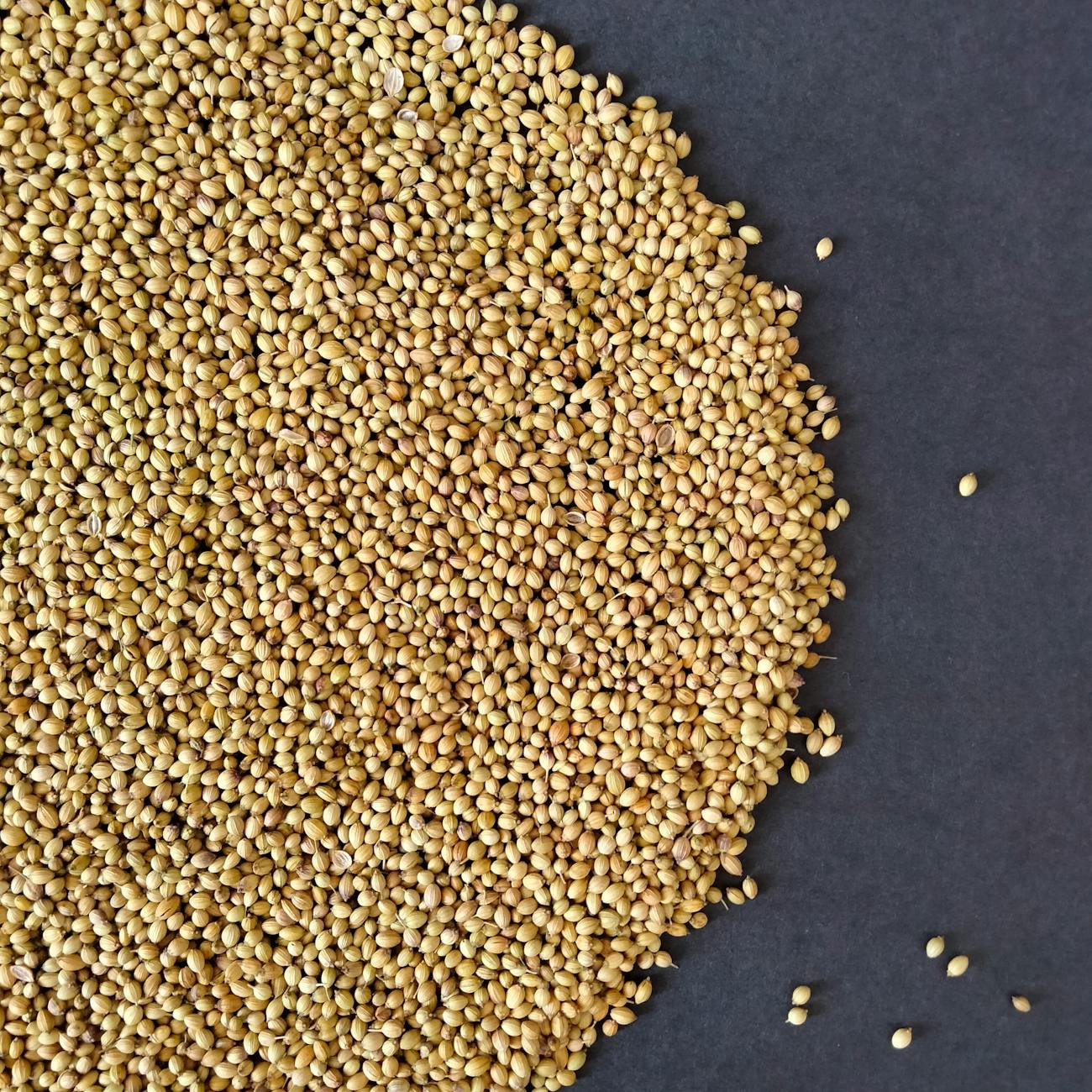
Whole grains are an essential part of a healthy and balanced diet. They are a rich source of fiber, vitamins, minerals, and antioxidants, which can help reduce the risk of chronic diseases such as heart disease, stroke, and type 2 diabetes. In the Professional Certificate in Culinary Medicine and Nutrition, it is essential to understand the key terms and vocabulary related to whole grains to make informed decisions when selecting and preparing whole grain foods.
Whole Grains: Whole grains are the entire seed of a plant, which includes the bran, germ, and endosperm. They can be in their original form, such as brown rice or whole wheat, or they can be ground into flour. Whole grains are packed with nutrients, including fiber, B vitamins, iron, magnesium, and selenium.
Refined Grains: Refined grains have been milled to remove the bran and germ, leaving only the starchy endosperm. Refining removes fiber, iron, and many B vitamins. Refined grains are often enriched, which means that some of the nutrients lost during processing are added back, but not all.
Fiber: Fiber is a type of carbohydrate that cannot be digested by the human body. It is found in whole grains, fruits, vegetables, legumes, and nuts. Fiber has many health benefits, including promoting regular bowel movements, reducing cholesterol levels, controlling blood sugar levels, and helping with weight management.
Bran: Bran is the outer layer of the whole grain that contains fiber, B vitamins, and minerals. It can be found in whole grain bread, cereals, and crackers.
Germ: The germ is the part of the whole grain that can sprout and grow into a new plant. It contains B vitamins, vitamin E, minerals, and healthy fats.
Endosperm: The endosperm is the largest part of the whole grain and is primarily made up of starch. It provides energy for the growing plant.
Enrichment: Enrichment is the process of adding back some of the nutrients lost during the refining of grains. Enriched grains are required by law to contain added thiamin, riboflavin, niacin, and iron. Some enriched grains also contain added folic acid.
Fortification: Fortification is the process of adding nutrients to foods that are not naturally present. For example, some cereals are fortified with calcium, vitamin D, and other nutrients.
Whole Grain Stamp: The Whole Grain Stamp is a labeling system developed by the Whole Grains Council to help consumers identify products that contain whole grains. Products that contain at least 8 grams of whole grains per serving can display the 100% Stamp, while products that contain at least 50% whole grains per serving can display the Basic Stamp.
Serving Sizes: Serving sizes for whole grains vary depending on the product. For example, a serving of whole grain bread is one slice, while a serving of brown rice is 1/2 cup cooked.
Glycemic Index: The glycemic index (GI) is a measure of how quickly a food raises blood sugar levels. Whole grains have a lower GI than refined grains, which means they are digested more slowly and cause a more gradual rise in blood sugar levels.
Phytic Acid: Phytic acid is a compound found in whole grains that can bind to minerals and reduce their absorption. Soaking, sprouting, or fermenting whole grains can help reduce phytic acid levels and improve mineral absorption.
Gluten: Gluten is a protein found in wheat, barley, and rye. It gives dough its elasticity and allows it to rise. Some people have celiac disease, a condition in which gluten triggers an immune response that damages the lining of the small intestine. Others have non-celiac gluten sensitivity, in which gluten causes digestive symptoms but does not damage the small intestine.
Sprouting: Sprouting is the process of soaking whole grains in water until they begin to germinate. Sprouting can increase the availability of nutrients, reduce phytic acid levels, and improve digestibility.
Fermentation: Fermentation is the process of breaking down carbohydrates in whole grains with yeast or bacteria. Fermentation can improve the flavor and texture of whole grains, reduce phytic acid levels, and increase the availability of nutrients.
Whole Grain Flour: Whole grain flour is made by grinding the entire whole grain, including the bran, germ, and endosperm. Whole grain flour is more nutritious than white flour, which is made from the endosperm only.
Whole Grain Bread: Whole grain bread is made with whole grain flour and contains all parts of the grain, including the bran and germ. Whole grain bread is more nutritious than white bread, which is made with refined flour.
Whole Grain Pasta: Whole grain pasta is made with whole grain flour and contains all parts of the grain, including the bran and germ. Whole grain pasta is more nutritious than white pasta, which is made with refined flour.
Whole Grain Crackers: Whole grain crackers are made with whole grain flour and contain all parts of the grain, including the bran and germ. Whole grain crackers are more nutritious than refined grain crackers, which are made with white flour.
Whole Grain Cereal: Whole grain cereal is made with whole grain flour or whole grain flakes and contains all parts of the grain, including the bran and germ. Whole grain cereal is more nutritious than refined grain cereal, which is made with white flour or sugary flakes.
Challenge:
Try incorporating more whole grains into your diet by choosing whole grain bread, pasta, and cereal instead of refined grains. Experiment with different whole grains, such as quinoa, farro, and bulgur, in salads, soups, and side dishes. Sprout or ferment whole grains to improve their nutritional value and digestibility. Avoid products that contain excessive amounts of added sugars or sodium. Look for the Whole Grain Stamp to help you identify products that contain whole grains.
Example:
Instead of white bread, try using whole grain bread for sandwiches. Instead of white pasta, try using whole grain pasta in your favorite pasta dish. Instead of sugary cereal, try using whole grain cereal with fresh fruit and low-fat milk. Instead of refined grain crackers, try using whole grain crackers with hummus or cheese.
Practical Application:
When shopping for whole grains, look for products that contain at least 3 grams of fiber per serving and have a low or moderate glycemic index. Choose products that are made with whole grain flour or whole grains as the first ingredient. Avoid products that contain excessive amounts of added sugars, sodium, or unhealthy fats.
When preparing whole grains, consider soaking, sprouting, or fermenting them to improve their nutritional value and digestibility. Experiment with different cooking methods, such as boiling, steaming, or baking, to find the one that works best for you.
Whole grains are an essential part of a healthy and balanced diet. By understanding the key terms and vocabulary related to whole grains, you can make informed decisions when selecting and preparing whole grain foods. Incorporating more whole grains into your diet can help reduce the risk of chronic diseases, improve digestion, and provide sustained energy throughout the day.
Key takeaways
- In the Professional Certificate in Culinary Medicine and Nutrition, it is essential to understand the key terms and vocabulary related to whole grains to make informed decisions when selecting and preparing whole grain foods.
- Whole Grains: Whole grains are the entire seed of a plant, which includes the bran, germ, and endosperm.
- Refined grains are often enriched, which means that some of the nutrients lost during processing are added back, but not all.
- Fiber has many health benefits, including promoting regular bowel movements, reducing cholesterol levels, controlling blood sugar levels, and helping with weight management.
- Bran: Bran is the outer layer of the whole grain that contains fiber, B vitamins, and minerals.
- Germ: The germ is the part of the whole grain that can sprout and grow into a new plant.
- Endosperm: The endosperm is the largest part of the whole grain and is primarily made up of starch.