
Plant-Based Nutrition and Cooking Techniques
Plant-based nutrition refers to a diet that primarily consists of foods derived from plants, including fruits, vegetables, whole grains, legumes, nuts, and seeds. This type of nutrition is often recommended for its potential health benefits…
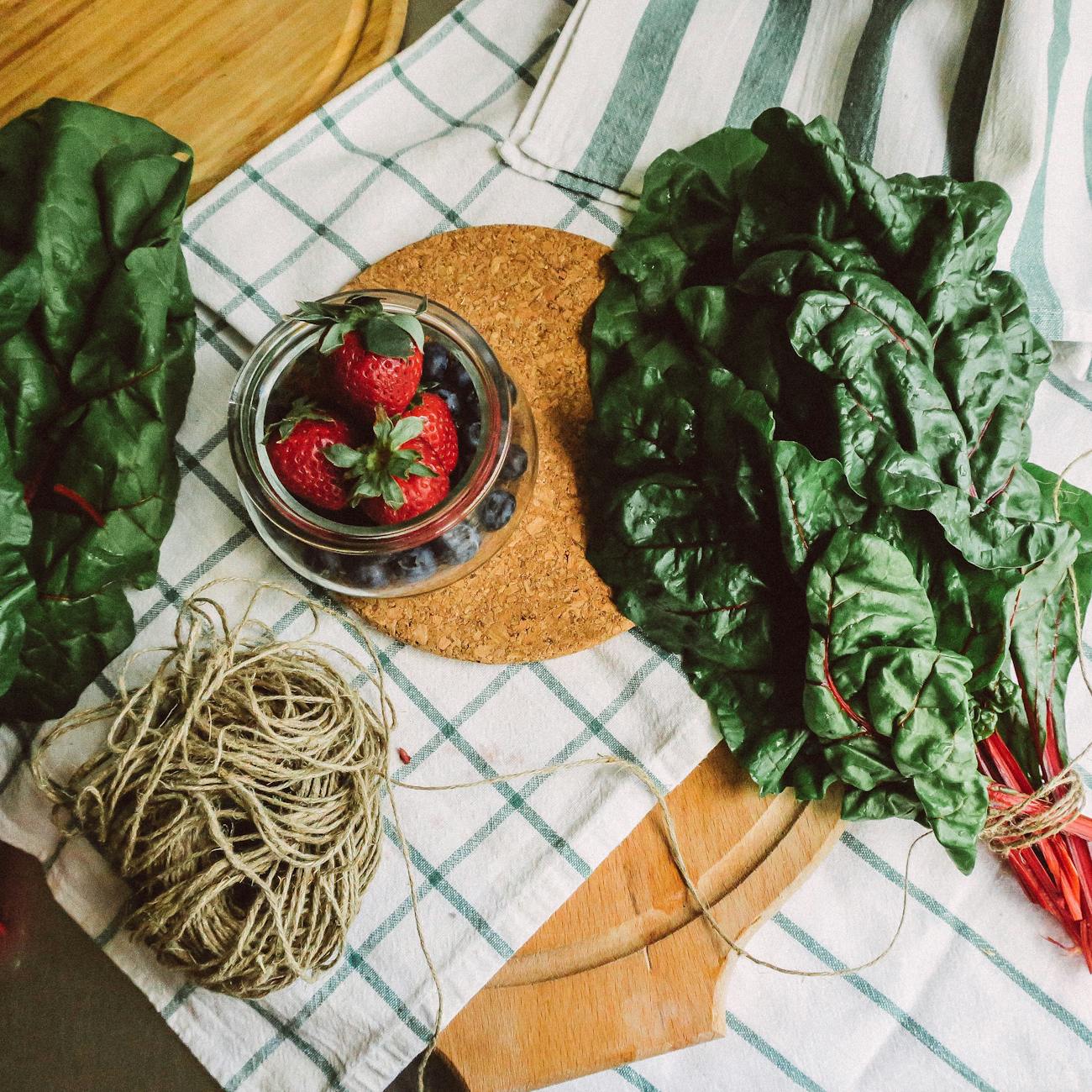
Plant-based nutrition refers to a diet that primarily consists of foods derived from plants, including fruits, vegetables, whole grains, legumes, nuts, and seeds. This type of nutrition is often recommended for its potential health benefits, including improved cardiovascular health, reduced risk of chronic diseases, and increased longevity. Here are some key terms and vocabulary related to plant-based nutrition:
1. **Phytochemicals**: These are compounds found in plants that have various health benefits, such as reducing inflammation, preventing DNA damage, and promoting healthy cell growth. Examples of phytochemicals include carotenoids, flavonoids, and polyphenols. 2. **Whole foods**: These are foods that are unprocessed or minimally processed and still contain all of their natural nutrients. Examples of whole foods include fresh fruits and vegetables, whole grains, and legumes. 3. **Legumes**: These are plants that produce edible seeds, such as beans, lentils, and chickpeas. Legumes are high in protein, fiber, and various vitamins and minerals. 4. **Fiber**: This is a type of carbohydrate that cannot be digested by the human body. Fiber has various health benefits, such as promoting healthy digestion, reducing cholesterol levels, and controlling blood sugar levels. 5. **Macronutrients**: These are the three main types of nutrients that provide energy to the body: carbohydrates, proteins, and fats. 6. **Micronutrients**: These are the vitamins and minerals that are essential for various bodily functions, such as bone health, immune function, and energy production. 7. **Antioxidants**: These are compounds that protect the body from damage caused by free radicals, which are unstable molecules that can damage cells and contribute to chronic diseases. 8. **Nutrient density**: This refers to the amount of nutrients a food contains per calorie. Foods that are high in nutrient density provide more nutrients for fewer calories.
Now, let's move on to some key terms and vocabulary related to plant-based cooking techniques:
1. **Steaming**: This is a cooking technique that involves cooking food by placing it over boiling water, allowing the steam to cook the food. Steaming is a healthy cooking method because it does not require the use of oil and helps to retain the nutrients in the food. 2. **Roasting**: This is a cooking technique that involves cooking food in an oven at a high temperature. Roasting can bring out the natural flavors of the food and create a crispy texture. 3. **Sauteing**: This is a cooking technique that involves cooking food in a small amount of oil over high heat. Sauteing can help to caramelize the natural sugars in the food and create a rich flavor. 4. **Grilling**: This is a cooking technique that involves cooking food on a grill over an open flame. Grilling can help to create a smoky flavor and can be a healthy cooking method because it allows excess fat to drip off the food. 5. **Braising**: This is a cooking technique that involves cooking food slowly in a small amount of liquid. Braising can help to tenderize tough cuts of meat and create a rich, flavorful sauce. 6. **Pureeing**: This is a cooking technique that involves blending or processing food until it reaches a smooth, creamy consistency. Pureeing can be a healthy way to thicken sauces and soups without the use of cream or other high-fat ingredients. 7. **Marinating**: This is a cooking technique that involves soaking food in a mixture of herbs, spices, and acidic ingredients, such as lemon juice or vinegar. Marinating can help to tenderize the food and infuse it with flavor.
Here are some examples of how these terms and vocabulary can be applied in plant-based nutrition and cooking:
* A plant-based meal that is high in nutrient density could include a salad made with mixed greens, cherry tomatoes, cucumber, avocado, and chickpeas, topped with a homemade vinaigrette dressing. This meal is high in fiber, protein, and various vitamins and minerals, and is low in calories. * When sauteing onions for a plant-based dish, you can use a small amount of olive oil and cook the onions over medium heat until they are translucent and slightly caramelized. This will bring out the natural sweetness of the onions and add depth of flavor to the dish. * When roasting vegetables, you can toss them in a small amount of avocado oil, salt, and pepper, and roast them in the oven at 400 degrees Fahrenheit for 20-30 minutes, or until they are tender and slightly browned. This can bring out the natural flavors of the vegetables and create a crispy texture.
Here are some challenges to consider when incorporating plant-based nutrition and cooking techniques into your diet:
* It can be challenging to get enough protein from plant-based sources, so it's important to include a variety of legumes, nuts, and seeds in your diet. * It can be tempting to rely on processed plant-based meat substitutes, but these products are often high in sodium and other additives. It's better to focus on whole, unprocessed plant-based foods. * It can be time-consuming to prepare plant-based meals from scratch, but planning ahead and batch cooking can help to save time and make meal prep easier.
In conclusion, plant-based nutrition and cooking techniques can be a healthy and delicious way to nourish your body. By incorporating a variety of whole, unprocessed plant-based foods into your diet and using healthy cooking methods, you can improve your health and reduce your risk of chronic diseases. Remember to focus on nutrient-dense foods, such as fruits, vegetables, whole grains, legumes, nuts, and seeds, and to use a variety of cooking techniques, such as steaming, roasting, sauteing, grilling, and braising, to create flavorful and satisfying meals.
Key takeaways
- This type of nutrition is often recommended for its potential health benefits, including improved cardiovascular health, reduced risk of chronic diseases, and increased longevity.
- **Antioxidants**: These are compounds that protect the body from damage caused by free radicals, which are unstable molecules that can damage cells and contribute to chronic diseases.
- **Marinating**: This is a cooking technique that involves soaking food in a mixture of herbs, spices, and acidic ingredients, such as lemon juice or vinegar.
- * When roasting vegetables, you can toss them in a small amount of avocado oil, salt, and pepper, and roast them in the oven at 400 degrees Fahrenheit for 20-30 minutes, or until they are tender and slightly browned.
- * It can be time-consuming to prepare plant-based meals from scratch, but planning ahead and batch cooking can help to save time and make meal prep easier.
- By incorporating a variety of whole, unprocessed plant-based foods into your diet and using healthy cooking methods, you can improve your health and reduce your risk of chronic diseases.