
National Regulatory Frameworks for Wind Power
National Regulatory Frameworks for Wind Power – Key Terms and Vocabulary
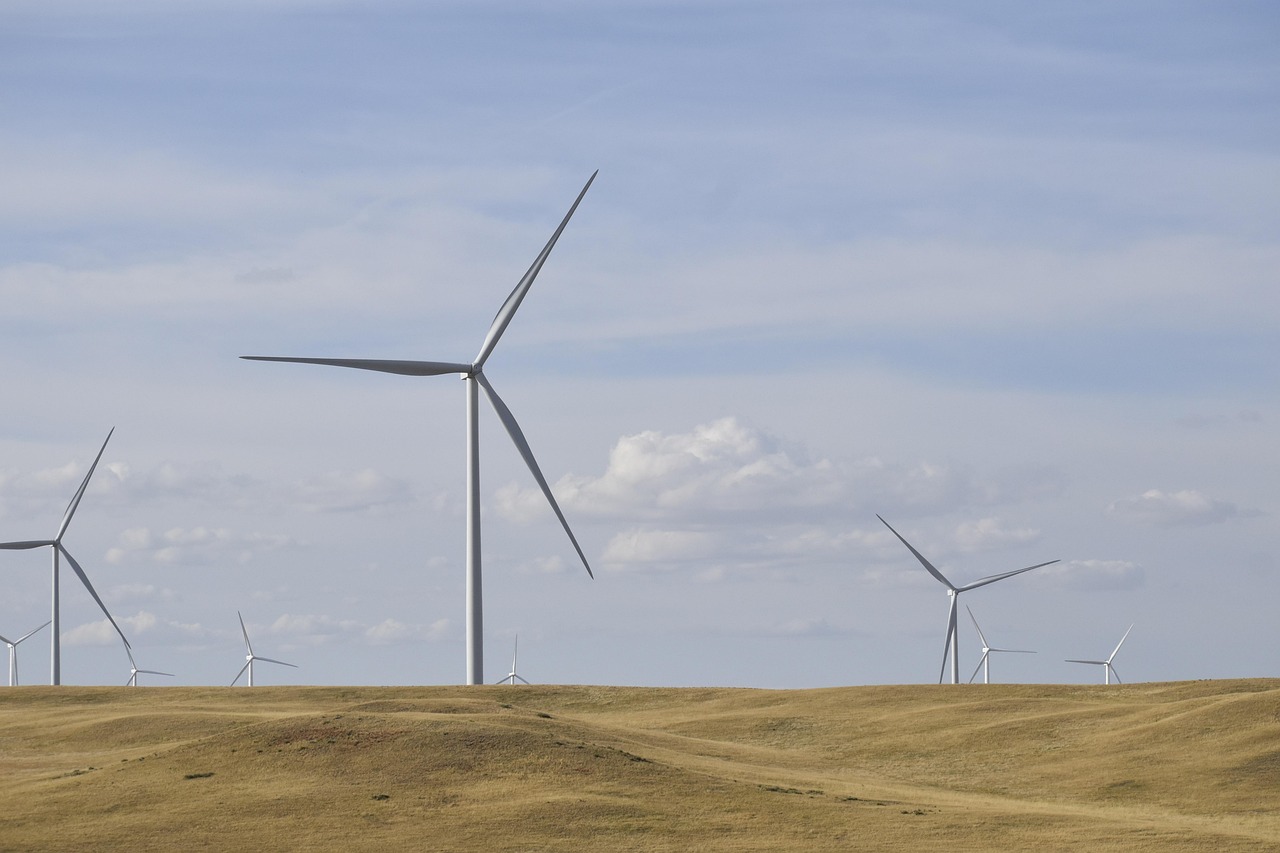
National Regulatory Frameworks for Wind Power – Key Terms and Vocabulary
The term wind energy refers to the conversion of kinetic energy from wind into electricity using turbines that rotate a generator. Understanding the legal and regulatory language that governs this sector is essential for professionals working with developers, utilities, government agencies, and financiers. The following glossary presents the most frequently encountered concepts, definitions, and practical implications within national regulatory systems for wind power.
1. Feed‑in tariff (FIT) – A policy mechanism that guarantees a fixed price per kilowatt‑hour (kWh) for electricity generated from wind and fed into the grid for a predetermined period, typically 10‑20 years. FITs are designed to provide revenue certainty, encouraging investment by offsetting high upfront capital costs. For example, Country A introduced a FIT of $0.12/kWh for on‑shore wind projects, resulting in a surge of new installations within three years. Challenges include setting rates that balance investor returns with consumer electricity prices and periodically adjusting tariffs to reflect falling technology costs.
2. Net metering – A billing arrangement that allows small‑scale wind generators to export excess electricity to the grid and receive a credit against their consumption. Under net metering, the meter runs backward when production exceeds demand, effectively “netting” supply and demand. This scheme is common for residential or community wind projects. Practical application: a farm with a 200‑kW turbine uses net metering to offset its electricity bills, receiving a credit for the surplus exported during windy periods. Regulatory challenges involve defining eligibility thresholds, compensation rates, and ensuring grid stability when many distributed generators operate simultaneously.
3. Power purchase agreement (PPA) – A long‑term contract between a wind project developer and an off‑taker, usually a utility or large industrial consumer, specifying the price and quantity of electricity to be purchased. PPAs are the cornerstone of project financing, providing a predictable cash flow. A typical PPA may span 15 years with an escalation clause tied to inflation. Regulatory frameworks often require PPAs to be approved by the energy regulator to ensure they reflect market conditions and do not unduly favor one party.
4. Renewable portfolio standard (RPS) – A statutory requirement that utilities procure a minimum percentage of their electricity from renewable sources, including wind. RPS targets are set at the national or sub‑national level and are enforced through compliance mechanisms such as renewable energy certificates (RECs). For instance, Country B mandates that 30 % of total generation capacity be renewable by 2030, prompting utilities to sign PPAs with wind farms to meet the quota. Challenges include tracking compliance, preventing double counting of RECs, and aligning RPS targets with realistic resource potential.
5. Renewable energy certificate (REC) – A tradable instrument representing one megawatt‑hour (MWh) of electricity generated from a renewable source. RECs enable compliance with RPS obligations and provide an additional revenue stream for wind developers. In many markets, RECs are auctioned or sold on an open market, with prices fluctuating based on supply and demand. The legal definition of a REC, its ownership rights, and transfer procedures must be clearly outlined in national legislation to avoid disputes.
6. Grid interconnection agreement – A contract that sets the technical and commercial terms for connecting a wind turbine or farm to the transmission or distribution network. The agreement covers aspects such as capacity allocation, voltage level, fault ride‑through requirements, and compensation for curtailment. In practice, developers must submit detailed interconnection studies to the grid operator, who then assesses the impact on system reliability. Regulatory challenges include coordinating multiple projects that compete for limited interconnection capacity and establishing transparent, non‑discriminatory processes.
7. Curtailment – The reduction of output from a wind plant due to grid constraints, such as transmission bottlenecks or oversupply. Curtailment may be ordered by the system operator to maintain stability, and compensation mechanisms are often stipulated in the interconnection agreement or national regulations. For example, a 500‑MW wind farm in Country C experienced 10 % annual curtailment because of insufficient transmission lines, prompting the developer to seek reimbursement based on a statutory curtailment compensation formula. Challenges include accurately measuring curtailed energy, setting fair compensation rates, and planning grid upgrades to minimize curtailment.
8. Capacity market – A market mechanism that remunerates generators for maintaining available capacity, regardless of actual energy production. While traditionally associated with conventional plants, some jurisdictions have extended capacity markets to include wind, often by awarding “capacity credits” that reflect the plant’s ability to contribute during peak demand periods. The legal framework defines eligibility criteria, capacity value calculations, and auction procedures. Practical application: a wind farm in Country D participates in a capacity auction, receiving a fixed payment for each megawatt of firm capacity it can reliably provide, thereby diversifying its revenue beyond energy sales.
9. Strategic environmental assessment (SEA) – A policy tool that evaluates the environmental implications of plans, programmes, or policies, including those related to wind energy development. An SEA may be required for national energy strategies, ensuring that cumulative impacts on wildlife, landscape, and cultural heritage are considered before approvals are granted. For instance, Country E conducted an SEA on its offshore wind corridor, identifying sensitive marine habitats and recommending mitigation measures. The regulatory challenge lies in integrating SEA findings into decision‑making without causing undue delays.
10. Environmental impact assessment (EIA) – A project‑specific study that assesses the potential environmental effects of a wind farm, covering aspects such as avian mortality, noise, visual impact, and land use. The EIA process is typically mandated by national law and involves public consultation, scoping, impact analysis, and the preparation of an environmental management plan. An example: a developer submits an EIA for a 150‑MW on‑shore wind project, including baseline bird surveys and proposed turbine siting to avoid migration routes. Common challenges include ensuring the quality of baseline data, addressing stakeholder concerns, and meeting stringent mitigation requirements within budget constraints.
11. Land lease – A contractual arrangement granting a developer the right to use a parcel of land for wind turbine installation, often for 20‑30 years. Leases may be negotiated with private landowners, indigenous groups, or government agencies. The lease typically includes provisions for rent, access rights, maintenance responsibilities, and termination clauses. In Country F, a standard land lease template includes a revenue‑sharing clause, giving the landowner 2 % of gross electricity sales. Legal challenges involve reconciling lease terms with zoning regulations, securing community consent, and addressing land‑use conflicts with agriculture or conservation.
12. Site‑specific permitting – The collection of permits required for a particular wind project, which may include construction permits, environmental clearances, wildlife protection authorizations, and aviation approvals. Each permit is issued by a different authority, creating a complex regulatory landscape. For example, constructing a turbine near an airport may require a civil aviation clearance to ensure that blade rotation does not interfere with flight paths. The challenge for developers is coordinating multiple permitting timelines, avoiding contradictory conditions, and managing the risk of permit denial.
13. Grid code – A set of technical standards that define the requirements for generators to connect and operate safely within the electricity system. Grid codes cover frequency control, voltage regulation, fault ride‑through, and communication protocols. Wind turbines must be certified to meet the applicable grid code, often through type‑approval testing. In Country G, the grid code mandates a minimum reactive power capability of 0.2 p.u. for all new wind installations. Compliance challenges include the need for advanced inverter technology, ongoing monitoring, and potential retrofits for older plants.
14. Ancillary services – Services that support the reliable operation of the power system, such as frequency regulation, spinning reserve, and voltage support. Wind farms can provide ancillary services through advanced control systems, and many regulatory frameworks now allow wind to participate in ancillary service markets. For instance, Country H introduced a market for fast frequency response, enabling wind farms equipped with synthetic inertia capabilities to earn additional revenue. The main challenges are technical – ensuring that turbines can deliver services without compromising energy production – and regulatory – defining eligibility criteria and compensation mechanisms.
15. Tax incentive – A fiscal measure that reduces the tax burden for wind developers, typically in the form of investment tax credits (ITC) or production tax credits (PTC). An ITC provides a percentage reduction of the upfront capital cost, while a PTC offers a per‑kilowatt‑hour credit for electricity generated. In Country I, a 30 % ITC is available for projects that commence construction within a specified fiscal year, stimulating rapid deployment. The challenge lies in designing incentives that are sustainable for government budgets while still being attractive enough to drive investment.
16. Depreciation allowance – A tax provision that permits accelerated write‑off of the capital cost of wind assets over a shortened period, improving cash flow. For example, a 10‑year straight‑line depreciation schedule can be replaced by a five‑year accelerated schedule, reducing taxable income in the early years of operation. Regulatory authorities must clearly define eligible assets, depreciation rates, and documentation requirements to prevent abuse.
17. Renewable energy fund – A public or quasi‑public financial vehicle that allocates capital to renewable projects, often sourced from government budgets, development banks, or dedicated levies. Funds may provide low‑interest loans, equity, or guarantees. In Country J, the Renewable Energy Fund offers a 5 % loan for wind projects exceeding 50 MW, subject to compliance with environmental and social safeguards. Managing the fund involves balancing risk, ensuring transparent allocation processes, and monitoring project performance.
18. Energy policy act – The primary legislation that establishes the legal framework for electricity generation, transmission, and distribution, including provisions specific to renewable energy. The act may outline objectives, licensing procedures, tariff setting mechanisms, and enforcement powers. For instance, the Energy Policy Act of Country K sets a national target of 40 % renewable electricity by 2035 and mandates regular reporting on progress. The act’s complexity often requires detailed interpretation, and amendments may be necessary to keep pace with technological advances.
19. Licensing regime – The system by which developers obtain the legal authority to construct and operate wind facilities. Licenses may be granted at the national, regional, or local level, and may be subject to competitive bidding, auction, or first‑come‑first‑served processes. A typical licensing sequence includes a generation license, a construction permit, and an operating license. In Country L, the licensing regime incorporates a “green light” system, where developers must first secure a site‑specific environmental clearance before proceeding to construction. Challenges include ensuring transparency, preventing corruption, and aligning licensing timelines with financing schedules.
20. Competitive bidding – A procurement method where the government or utility invites developers to submit bids for a defined amount of wind capacity, often specifying a maximum tariff or price. The lowest qualified bid is awarded the contract. Competitive bidding aims to achieve cost‑efficient procurement and deter market distortions. For example, Country M conducted a wind auction for 1 GW of capacity, resulting in an average winning bid of $0.05/kWh, significantly lower than previous FIT rates. Potential challenges include ensuring that bids are financially viable, preventing “winner’s curse” where the lowest bid is unsustainable, and maintaining project quality.
21. Power market regulator – The independent authority responsible for overseeing electricity markets, enforcing compliance, and protecting consumer interests. The regulator’s duties may include approving tariffs, monitoring market conduct, and adjudicating disputes. In many jurisdictions, the regulator also sets the rules for ancillary service participation and curtailment compensation. For wind projects, interaction with the regulator is critical when negotiating PPAs, applying for FITs, or seeking redress for unfair curtailment. Regulatory independence and capacity are essential to avoid political interference and to ensure fair market outcomes.
22. Transmission planning authority – The body tasked with developing the long‑term transmission network expansion plan, identifying new corridors, and coordinating with generation developers. The authority must consider wind resource locations, load forecasts, and system reliability. When a developer proposes a wind farm in a remote area, the transmission planning authority evaluates whether new lines are required and may allocate cost‑sharing mechanisms. Challenges include reconciling competing interests, securing funding for large infrastructure projects, and managing environmental impacts of new transmission corridors.
23. Cost‑reflective tariff – A pricing methodology that sets electricity rates based on the actual cost of generation, transmission, and distribution, rather than a fixed or subsidized price. Cost‑reflective tariffs encourage efficiency and can be used in conjunction with FITs or PPAs to ensure that renewable projects receive a market‑aligned price. For example, Country N transitioned to a cost‑reflective tariff model for all new contracts, resulting in more transparent pricing and reduced cross‑subsidies. The difficulty lies in accurately measuring costs, especially for hybrid systems with variable generation.
24. Regulatory impact assessment (RIA) – An analytical process that evaluates the economic, social, and environmental consequences of proposed regulatory changes. RIAs are often required before amending the energy law or introducing new incentives. In the context of wind power, an RIA might assess how lowering FIT rates would affect investment pipelines, job creation, and emissions targets. Conducting a robust RIA helps policymakers balance competing objectives and anticipate unintended consequences.
25. Energy community – A legal entity that aggregates multiple small‑scale generators, consumers, and possibly storage assets to collectively produce, consume, and trade electricity. Energy communities are encouraged by many national frameworks to promote local participation and democratize energy markets. A rural cooperative in Country O formed an energy community to operate a 5‑MW wind turbine, selling excess power to the grid and distributing revenues among members. Regulatory challenges include defining the legal status of energy communities, ensuring non‑discriminatory grid access, and establishing clear governance structures.
26. Off‑take agreement – Similar to a PPA, an off‑take agreement is a contract wherein a buyer commits to purchase a specified volume of electricity or renewable energy credits from a wind project. Off‑take agreements may be used for financing when a PPA is not feasible, such as for corporate renewable procurement. For instance, a multinational corporation in Country P signed an off‑take agreement with a wind farm to meet its sustainability targets, securing a fixed price for the next decade. Legal considerations include credit risk assessment of the off‑taker and alignment with national renewable targets.
27. Carbon pricing mechanism – A policy tool that assigns a cost to greenhouse gas emissions, either through a carbon tax or an emissions trading scheme (ETS). Carbon pricing creates a financial incentive for low‑carbon technologies, including wind. In an ETS, wind developers can earn carbon credits for each tonne of CO₂ avoided, which can be sold on the market. For example, Country Q operates an ETS where wind projects generate tradable allowances, providing an additional revenue stream. The effectiveness of carbon pricing depends on the price level, market liquidity, and regulatory certainty.
28. Eligibility criteria – The set of requirements that a wind project must satisfy to qualify for a particular incentive, such as a FIT, tax credit, or grant. Criteria may include project size, technology type, location, and compliance with environmental standards. Clear eligibility criteria reduce ambiguity and streamline application processes. In Country R, eligibility for the FIT requires that the project be on‑shore, have a capacity between 5 MW and 200 MW, and meet a minimum capacity factor of 30 %. Ambiguous or overly complex criteria can deter investment and cause legal disputes.
29. Capacity factor – The ratio of actual electricity generated by a wind turbine over a period to the maximum possible generation if it operated at full rated power continuously. Capacity factors for wind typically range from 25 % to 45 % depending on site quality. The capacity factor is a key parameter in revenue modeling, as it directly influences the expected energy output and, consequently, the financial viability of a project. Regulators may use capacity factor thresholds when awarding FITs or determining eligibility for certain subsidies.
30. Grid congestion – A condition where the transmission network lacks sufficient capacity to accommodate all scheduled electricity flows, leading to bottlenecks. Congestion can result in curtailment of wind generation, higher congestion charges, or the need for redispatch. In Country S, a high‑wind‑resource region experiences chronic congestion, prompting the regulator to implement a congestion pricing scheme and incentivize transmission upgrades. Managing congestion requires coordinated planning between generation developers, transmission operators, and policymakers.
31. Balancing market – A market mechanism that ensures real‑time supply‑demand equilibrium by procuring balancing services, such as upward or downward regulation, from generators. Wind farms can participate in the balancing market by offering flexibility services, often compensated based on the volume of regulation provided. For example, a wind farm in Country T provides upward regulation during periods of low wind, receiving payments for the reserve capacity it holds. The challenge is that wind’s variable nature can make it harder to guarantee the reliability required for balancing services, necessitating advanced forecasting and control technologies.
32. Renewable integration study – An analysis that assesses the impact of adding wind generation to the existing power system, focusing on aspects such as frequency stability, reserve requirements, and transmission constraints. The study informs grid operators and regulators on necessary system upgrades or operational changes. In Country U, a renewable integration study recommended the installation of additional synchronous condensers to support grid inertia as wind penetration rose above 30 %. Conducting such studies can be technically demanding and may require sophisticated simulation tools.
33. Infrastructure levy – A charge imposed on developers to fund public infrastructure projects, such as roads, ports, or transmission lines, that support wind development. The levy is typically calculated as a percentage of project cost or capacity. In Country V, an infrastructure levy of 1 % of total project investment is applied to all wind projects, with revenues earmarked for upgrading rural road networks. While levies can provide needed funding, they also increase project costs and must be balanced against the overall competitiveness of the sector.
34. Public procurement law – The legal framework governing how government entities acquire goods and services, including the procurement of electricity from wind projects. Public procurement rules often require transparent bidding processes, anti‑corruption safeguards, and equal treatment of bidders. When a state‑owned utility in Country W seeks to purchase wind power, it must follow the public procurement law, publishing tender documents, evaluating bids based on predefined criteria, and awarding contracts in a manner that can withstand legal scrutiny. Non‑compliance can lead to contract invalidation or litigation.
35. Contractual risk allocation – The practice of assigning specific risks to the party best able to manage them, as reflected in the contractual clauses of PPAs, interconnection agreements, and financing documents. Typical risk allocations include construction risk, force‑majeure events, regulatory changes, and market price volatility. For example, a PPA may include a “regulatory change” clause that allows the developer to renegotiate the price if the FIT is reduced during the contract term. Proper risk allocation reduces uncertainty for lenders and can improve financing terms.
36. Force‑majeure clause – A contractual provision that excuses performance obligations when extraordinary events beyond the parties’ control occur, such as natural disasters, war, or unexpected regulatory actions. In wind projects, force‑majeure may be invoked for extreme weather events that damage turbines or for sudden changes in government policy that render the project uneconomical. The clause typically defines the scope of events, notice requirements, and remedies, such as contract termination or temporary suspension. Misinterpretation of force‑majeure can lead to disputes, so precise drafting is essential.
37. Regulatory compliance audit – An independent review that verifies whether a wind project adheres to applicable laws, regulations, and contractual obligations. Audits may cover environmental permits, grid code conformance, tax incentive eligibility, and reporting obligations. In Country X, regulators require an annual compliance audit for all wind farms receiving FIT payments, ensuring that environmental conditions are being met. Audits provide assurance to investors and regulators but also entail additional administrative costs.
38. Project finance structure – The financial arrangement used to fund a wind project, typically involving a mix of debt, equity, and mezzanine capital, often secured by the project’s assets and cash flows. The structure is heavily influenced by the regulatory environment, as predictable revenue streams from FITs or PPAs enable higher debt leverage. For instance, a 70 % debt‑to‑equity ratio may be achievable for a wind farm with a long‑term PPA, while a project lacking such contracts might rely more on equity. Understanding the interplay between regulatory incentives and financing terms is crucial for structuring viable deals.
39. Local content requirement – A policy that mandates a certain proportion of project inputs, such as equipment, labor, or services, to be sourced locally. The aim is to stimulate domestic industry and job creation. Country Y imposes a 40 % local content threshold for wind turbine components, encouraging manufacturers to establish production facilities within the country. While local content can boost the economy, it may increase costs if domestic suppliers lack the necessary expertise or economies of scale, potentially affecting project profitability.
40. Stakeholder engagement – The process of consulting and involving interested parties, including local communities, NGOs, indigenous groups, and government agencies, throughout the project lifecycle. Effective engagement can reduce opposition, identify concerns early, and build social license to operate. In Country Z, developers are required to conduct a stakeholder engagement plan before receiving a construction permit, documenting meetings, feedback, and mitigation measures. Challenges include managing divergent expectations, ensuring transparent communication, and addressing concerns related to visual impact, noise, and land use.
41. Wildlife mitigation – Strategies and measures aimed at reducing adverse impacts of wind turbines on birds, bats, and other fauna. Common mitigation techniques include turbine siting away from migration corridors, operational curtailment during peak migration periods, and the use of detection and deterrent systems. Regulatory frameworks may require developers to submit wildlife impact assessments and implement mitigation plans as a condition of project approval. The effectiveness of mitigation depends on robust monitoring, adaptive management, and compliance enforcement.
42. Noise emission standard – A regulatory limit on the sound pressure level generated by wind turbines, typically expressed in decibels (dB) measured at a specified distance from the turbine. Standards aim to protect nearby residents from excessive noise. For example, Country AA sets a maximum of 45 dB(A) at the nearest habitable building. Compliance often requires careful turbine selection, placement, and, in some cases, the installation of noise‑reducing blade designs. Monitoring and enforcement can be challenging, particularly in remote locations.
43. Visual impact assessment – An evaluation of how wind turbines affect the landscape and visual amenity of an area, often required for projects located near protected scenic zones or tourist destinations. The assessment may involve photomontages, view‑shed analysis, and public surveys. In Country AB, a visual impact assessment is mandatory for any wind farm within 5 km of a national park, with recommendations for turbine layout to minimize visual intrusion. Balancing visual concerns with renewable energy goals can be contentious, requiring compromise solutions.
44. De‑risking instrument – Financial tools designed to reduce the perceived risk of wind projects, thereby attracting investment. Examples include guarantees, insurance products, and partial risk guarantees provided by multilateral development banks. In Country AC, a de‑risking instrument covers construction cost overruns up to 10 % of the total budget, giving lenders greater confidence. The design of de‑risking instruments must align with the regulatory environment to ensure that the risk mitigation is recognized and enforceable.
45. Transmission cost allocation – The methodology used to distribute the expenses of building new transmission lines among various stakeholders, such as generators, distributors, and consumers. Allocation can be based on capacity, distance, or a cost‑causation principle. In Country AD, transmission cost allocation follows a “beneficiary‑pay” approach, where wind developers whose projects trigger the need for new lines bear a proportionate share of the investment. Determining a fair allocation can be complex, often leading to negotiations or regulatory arbitration.
46. Renewable energy certificate trading platform – An electronic marketplace where RECs are bought and sold, facilitating compliance with RPS or voluntary green power procurement. The platform provides transparency, price discovery, and efficient settlement. In Country AE, the national REC trading platform is operated by the energy regulator, with rules governing registration, verification, and retirement of certificates. Market participants must understand platform rules to avoid penalties for non‑compliance.
47. Energy storage integration – The coupling of wind generation with storage technologies, such as batteries or pumped hydro, to smooth output variability and provide firm capacity. Regulatory frameworks may include rules for storage participation in ancillary service markets, capacity markets, and interconnection standards. For example, a wind farm in Country AF added a 10‑MWh battery system, enabling it to offer firm capacity contracts and reduce curtailment during peak demand. Integration challenges involve regulatory recognition of storage as a distinct resource, appropriate compensation, and technical compatibility.
48. Regulatory sandbox – A controlled environment that allows innovators to test new technologies or business models under relaxed regulatory conditions, with the aim of gathering data and informing future rulemaking. Sandboxes are increasingly used for advanced wind technologies, such as floating offshore turbines or novel grid‑interaction schemes. Participants must agree to reporting requirements and may be subject to limited liability. The sandbox approach helps regulators adapt to rapid technological change while managing risk.
49. Data transparency requirement – A legal obligation for wind operators to publish operational data, such as generation output, availability, and curtailment figures, often in real time. Transparency supports market efficiency, informs policy decisions, and enables stakeholders to assess performance. In Country AG, the regulator mandates that all wind farms upload generation data to a national portal within 30 minutes of each hour. Compliance can be technically demanding, requiring robust telemetry and data management systems.
50. Legal due diligence – The investigative process undertaken by investors, lenders, or acquiring parties to verify that a wind project complies with all applicable laws, permits, and contractual obligations. Due diligence covers land rights, environmental permits, grid contracts, tax incentives, and corporate governance. A thorough legal due diligence reduces the risk of post‑closing disputes and can uncover hidden liabilities, such as unresolved land disputes or pending enforcement actions.
51. Dispute resolution mechanism – The set of procedures established to resolve conflicts arising from wind project contracts, including negotiation, mediation, arbitration, and litigation. Many PPAs and interconnection agreements include an arbitration clause specifying the venue and rules (e.g., ICC or UNCITRAL). Effective dispute resolution mechanisms provide certainty and can preserve commercial relationships. However, cross‑border projects may face jurisdictional challenges, requiring careful selection of dispute‑resolution forums.
52. Regulatory amendment process – The formal steps through which a government modifies existing energy legislation or regulations, often involving public consultation, impact assessment, and parliamentary approval. Understanding the amendment process is vital for developers who rely on stable policy environments. For instance, when Country AH considered lowering its FIT rates, it initiated a multi‑stage amendment process, including stakeholder workshops and a parliamentary debate, before enacting the changes. Uncertainty during amendment periods can delay investment decisions.
53. Compliance monitoring – Ongoing oversight by regulatory authorities to ensure that wind projects adhere to the conditions of their licenses, permits, and contractual obligations. Monitoring may involve site inspections, reporting requirements, and remote sensing. Non‑compliance can result in penalties, suspension of operations, or revocation of incentives. In Country AI, compliance monitoring includes quarterly submission of generation data, annual environmental monitoring reports, and random field inspections.
54. Renewable energy target – A national or regional objective that specifies the proportion of electricity to be generated from renewable sources by a certain date. Targets are often expressed as a percentage of total installed capacity or total generation. The target drives policy instruments such as FITs, RPS, and auction schemes. For example, Country AJ has set a renewable energy target of 50 % by 2030, with wind expected to contribute 30 % of that share. Achieving the target requires coordinated regulatory action, investment, and infrastructure development.
55. Energy transition plan – A strategic roadmap outlining how a country intends to shift from fossil‑fuel‑dominant electricity generation to low‑carbon sources, including wind. The plan typically includes timelines, sector‑specific actions, financing strategies, and regulatory reforms. In Country AK, the energy transition plan identifies offshore wind as a priority, setting a goal of 10 GW of offshore capacity by 2040, supported by streamlined permitting processes and dedicated financing mechanisms.
56. Grid reliability standard – Technical criteria that define the acceptable performance of the power system, covering frequency stability, voltage limits, and reserve margins. Wind generators must comply with these standards to ensure they do not compromise system reliability. In Country AL, the grid reliability standard requires that wind farms maintain a minimum reactive power capability of 0.3 p.u. at all operating points. Non‑compliance may lead to penalties or restrictions on dispatch.
57. Renewable energy subsidy – Financial support provided by governments to reduce the cost of renewable electricity generation. Subsidies can take the form of direct cash transfers, tax credits, or guaranteed purchase prices. While subsidies accelerate deployment, they must be designed to avoid market distortion and fiscal burden. In Country AM, a renewable energy subsidy program offers a cash grant equal to 15 % of capital costs for wind projects exceeding 50 MW, subject to compliance with environmental safeguards.
58. Strategic offshore wind zone – A designated maritime area identified by a government as optimal for offshore wind development, often based on wind resource assessments, water depth, and proximity to demand centers. The designation streamlines permitting, reduces conflict with other marine activities, and may provide preferential treatment in licensing. Country AN established a strategic offshore wind zone extending 30 km offshore, offering expedited consent procedures for projects that meet environmental criteria.
59. Maritime spatial planning – The process of allocating marine space for various uses, including wind, shipping, fishing, and conservation. Effective spatial planning reduces conflicts and ensures sustainable development. In Country AO, maritime spatial planning integrates wind farm siting with existing shipping lanes, establishing safety buffers and navigation protocols. Legal frameworks must define the authority responsible for spatial planning and the procedures for stakeholder participation.
60. Investment guarantee – A commitment, often provided by a sovereign or multilateral agency, to compensate investors for losses arising from political risk events such as expropriation, currency inconvertibility, or breach of contract by the host government. Guarantees can be crucial for attracting foreign capital to wind projects in emerging markets. For example, the Export‑Import Bank of Country AP offers an investment guarantee covering up to 80 % of the equity value of a wind project, contingent on compliance with environmental standards.
61. Operational licence – The authorization required to operate a wind farm and sell electricity to the grid, typically issued after successful completion of construction and compliance inspections. The licence may be renewable or limited to a specific term, after which the operator must apply for renewal. In Country AQ, the operational licence includes conditions on performance monitoring, reporting, and adherence to the grid code. Failure to maintain the licence can result in suspension of electricity sales.
62. Environmental compliance bond – A financial security deposited by the developer to guarantee that environmental obligations will be fulfilled, such as site remediation or wildlife mitigation. The bond is released upon satisfactory completion of the obligations, as verified by the regulator. In Country AR, an environmental compliance bond equal to 2 % of the project’s capital cost is required for wind farms located in protected areas. The bond protects the public interest but adds to upfront financing requirements.
63. Renewable project pipeline – A catalog of wind projects at various development stages, from concept to construction, that are expected to enter the market. Regulators and policymakers monitor the pipeline to assess future capacity additions and to plan grid upgrades. In Country AS, the ministry publishes an annual renewable project pipeline report, detailing expected commissioning dates, capacity, and location. Accurate pipeline data helps align policy incentives with realistic deployment timelines.
64. Energy market liberalisation – The process of opening the electricity market to competition, allowing multiple generators, retailers, and consumers to trade electricity. Liberalisation typically involves unbundling generation, transmission, and distribution functions, and establishing independent system operators. For wind developers, liberalisation can create new market opportunities, such as participating in wholesale markets or offering ancillary services. However, it also introduces market risk, requiring robust risk management strategies.
65. Regulatory compliance certificate – A document issued by the regulator confirming that a wind project meets all statutory requirements, often a prerequisite for receiving incentives or connecting to the grid. The certificate may be required annually or at key project milestones. In Country AT, the regulatory compliance certificate is mandatory for continued receipt of FIT payments, and failure to obtain it triggers a suspension of payments.
66. Statistical forecasting model – A quantitative tool used to predict wind generation output based on historical weather data, turbine performance, and site characteristics. Accurate forecasts are essential for market participation, scheduling, and compliance with grid codes. Regulators may require developers to submit forecasting methodology as part of the interconnection application. Advanced statistical models, such as ARIMA or machine‑learning algorithms, improve forecast accuracy but increase computational complexity.
67. Transmission system operator (TSO) – The entity responsible for the real‑time operation, planning, and development of the high‑voltage transmission network. The TSO coordinates generation dispatch, ensures system security, and manages congestion. Interaction with the TSO is critical for wind developers, who must adhere to dispatch instructions, provide generation forecasts, and comply with curtailment orders. In many jurisdictions, the TSO is regulated by the national energy regulator and must operate on a non‑discriminatory basis.
68. Generation adequacy assessment – An analysis that evaluates whether the projected electricity supply, including wind, will meet future demand under various scenarios. The assessment informs capacity market design, reserve requirements, and investment planning. In Country AU, the generation adequacy assessment identified a potential shortfall in 2028, leading to the introduction of additional incentives for wind and storage projects.
69. Regulatory sandbox – (Repeated term; see entry 48). Note: In the interest of brevity, duplicate entries have been omitted.
70. Carbon offset credit – A tradable unit representing a quantified reduction in greenhouse‑gas emissions, which can be generated by wind projects and sold to entities seeking to neutralise their carbon footprints. Carbon offset credits are often certified by third‑party standards such as the Verified Carbon Standard (VCS). In Country AV, wind developers can register their projects with the national carbon registry, generating credits that are sold on the voluntary market. The credibility of offsets depends on additionality, permanence, and verification.
71. Renewable energy financing framework – The set of policies, instruments, and institutional arrangements that facilitate the mobilization of capital for wind projects. The framework may include tax incentives, guarantee schemes, dedicated funds, and clear permitting processes. A robust financing framework reduces transaction costs, improves access to capital, and accelerates project development. In Country AW,
Key takeaways
- Understanding the legal and regulatory language that governs this sector is essential for professionals working with developers, utilities, government agencies, and financiers.
- Feed‑in tariff (FIT) – A policy mechanism that guarantees a fixed price per kilowatt‑hour (kWh) for electricity generated from wind and fed into the grid for a predetermined period, typically 10‑20 years.
- Net metering – A billing arrangement that allows small‑scale wind generators to export excess electricity to the grid and receive a credit against their consumption.
- Power purchase agreement (PPA) – A long‑term contract between a wind project developer and an off‑taker, usually a utility or large industrial consumer, specifying the price and quantity of electricity to be purchased.
- Renewable portfolio standard (RPS) – A statutory requirement that utilities procure a minimum percentage of their electricity from renewable sources, including wind.
- Renewable energy certificate (REC) – A tradable instrument representing one megawatt‑hour (MWh) of electricity generated from a renewable source.
- Grid interconnection agreement – A contract that sets the technical and commercial terms for connecting a wind turbine or farm to the transmission or distribution network.