
Environmental Impact Assessment Requirements
Environmental Impact Assessment (EIA) is a systematic process used to identify, predict, evaluate, and mitigate the environmental effects of a proposed project before decisions are made. In wind energy, an EIA examines how turbines, access …
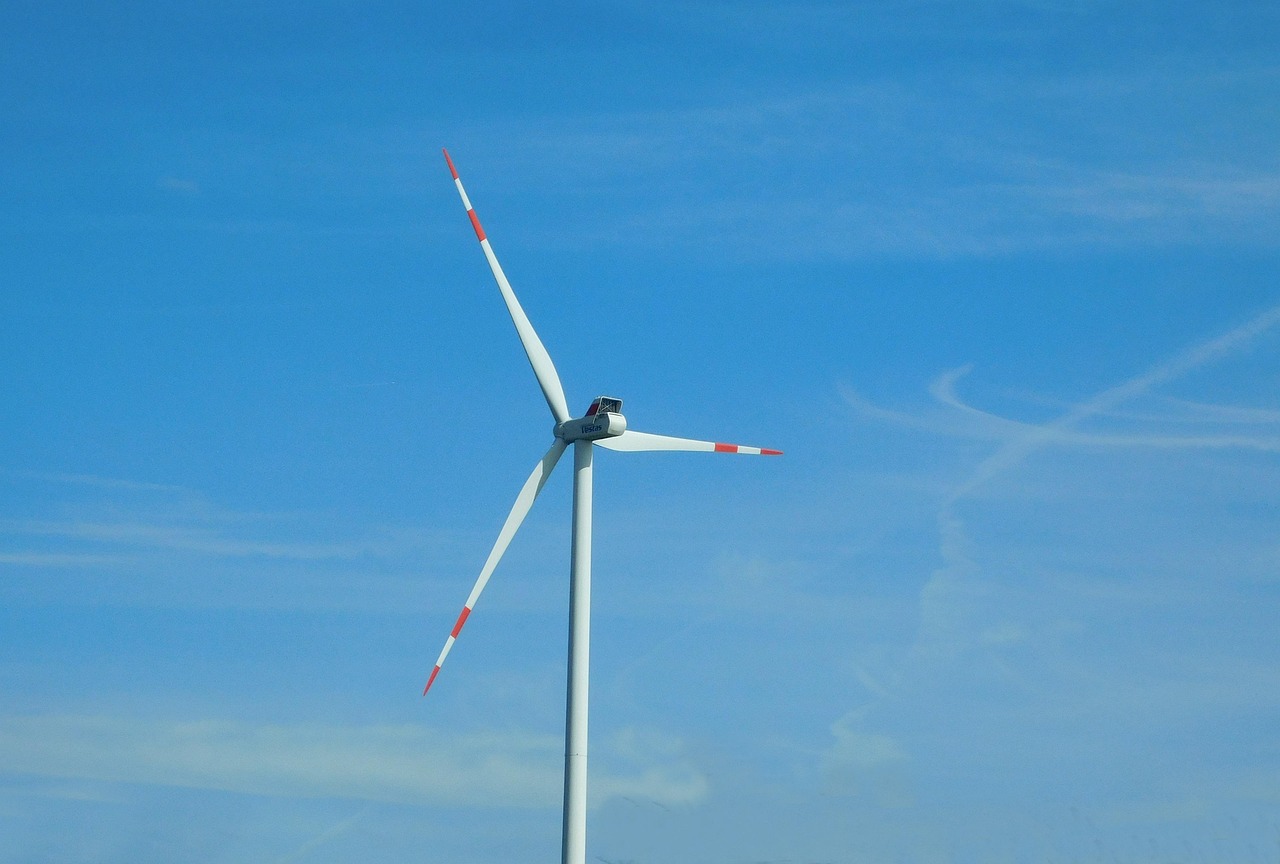
Environmental Impact Assessment (EIA) is a systematic process used to identify, predict, evaluate, and mitigate the environmental effects of a proposed project before decisions are made. In wind energy, an EIA examines how turbines, access roads, and associated infrastructure may alter habitats, water resources, and local communities. The assessment is typically required by national legislation and may be triggered by project size, location, or cumulative impact potential. For example, a 150‑megawatt offshore wind farm in a marine protected area would undergo a detailed EIA to address marine mammals, seabed disturbance, and navigation hazards. The challenge lies in balancing thorough scientific analysis with the need for timely project approvals.
Scoping defines the boundaries of the EIA by identifying which environmental aspects are relevant, the spatial and temporal scales to be considered, and the key concerns of regulators and stakeholders. During scoping, a developer may submit a scoping report that lists potential impacts such as avian mortality, noise, and visual intrusion. Regulators then issue a scoping memo that may add or remove items based on policy priorities. Effective scoping reduces the risk of later revisions, but it requires early engagement with authorities and local groups to capture all pertinent issues.
Baseline Study refers to the collection of existing environmental data against which future changes can be measured. Baseline data may include wildlife surveys, water quality measurements, cultural heritage inventories, and socio‑economic profiles. In a wind project, baseline bird surveys are conducted during migration seasons to establish species presence and flight paths. Baseline studies must be scientifically robust, repeatable, and documented, because they serve as the reference point for impact predictions and mitigation monitoring. A common challenge is the limited availability of historical data, especially in remote or offshore locations, which may necessitate additional fieldwork and increase project timelines.
Impact Prediction involves using models, expert judgment, and analogues to estimate the magnitude and extent of potential environmental changes caused by the project. For wind turbines, impact prediction may employ Gaussian plume models for noise dispersion, visual impact assessment tools that simulate turbine visibility from surrounding communities, and collision risk models for birds and bats. The reliability of predictions depends on the quality of input data, model assumptions, and the appropriateness of the chosen methodology. Over‑conservative predictions can lead to unnecessary mitigation costs, while under‑estimation may result in regulatory non‑compliance.
Mitigation Measures are actions taken to avoid, reduce, or compensate for adverse environmental impacts identified in the EIA. In wind energy, typical mitigation measures include turbine curtailment during peak migration periods, underground cabling to protect surface habitats, and the creation of habitat offsets for displaced species. Mitigation should follow the hierarchy of avoid‑first, then minimize, then restore, and finally offset. The effectiveness of mitigation is often monitored through post‑construction surveys, and failure to implement agreed measures can trigger enforcement actions.
Environmental Management Plan (EMP) is a detailed document that outlines how mitigation measures will be implemented, monitored, and reported throughout the project lifecycle. An EMP includes responsibilities, timelines, performance indicators, and contingency plans. For example, an EMP for a wind farm may specify quarterly noise monitoring, annual avian mortality reporting, and a trigger threshold for turbine shutdown if bat activity exceeds a defined level. The EMP becomes a contractual obligation, and its success is judged by compliance audits and the quality of data submitted to regulators.
Public Consultation is the process by which project developers engage with affected communities, interest groups, and the general public to disclose project information, gather feedback, and address concerns. In many jurisdictions, public consultation is a statutory requirement and may include public meetings, written submissions, and online portals. Effective consultation can identify previously unknown environmental sensitivities, such as sacred sites or culturally important landscapes, and can improve the social license to operate. However, consultation can also generate opposition, leading to legal challenges or project delays if not managed transparently.
Stakeholder Engagement extends beyond the general public to include specific groups such as indigenous peoples, non‑governmental organizations (NGOs), industry associations, and government agencies. Stakeholder engagement aims to build collaborative relationships, incorporate local knowledge, and align project objectives with broader sustainability goals. For instance, engaging a coastal fishermen’s association may reveal seasonal fishing zones that need to be avoided during turbine installation. The challenge lies in balancing divergent stakeholder interests while maintaining project feasibility.
Environmental Permitting refers to the suite of licenses, consents, and approvals required to legally proceed with construction and operation. Permits may address air emissions, water discharge, noise, wildlife protection, and land use. In wind energy, a developer may need a wildlife permit to authorize incidental bird mortality, a water permit for offshore installation activities, and a land use permit for on‑shore substation sites. Non‑compliance with permit conditions can result in fines, injunctions, or revocation of the permit, underscoring the importance of rigorous compliance management.
Cumulative Impact Assessment (CIA) evaluates the combined effects of multiple projects or actions over time and space, rather than examining each project in isolation. In regions with several wind farms, a CIA might assess the aggregate impact on migratory bird populations, regional noise levels, or visual landscape changes. Regulatory frameworks often require a CIA when the projected cumulative impact exceeds predefined thresholds. Conducting a CIA is methodologically complex, requiring integration of data from multiple sources, scenario analysis, and stakeholder input. Failure to adequately assess cumulative impacts can lead to project rejections or the need for additional mitigation.
Significant Impact is a determination made by regulators that an environmental effect is likely to be substantial, lasting, or irreversible, and therefore requires mitigation or further analysis. Significance criteria may include the magnitude of change, the sensitivity of the affected environment, and the potential for public concern. For example, a turbine array that creates a visible horizon line visible from a historic town may be deemed a significant visual impact. The designation of significance influences the depth of analysis required and the stringency of mitigation.
Screening is the initial step in the EIA process that determines whether a full assessment is necessary based on project type, size, and location. Some jurisdictions have thresholds, such as a minimum installed capacity, that trigger a mandatory EIA. A small, community‑scale turbine may be screened out of a full EIA, requiring only a simplified environmental review. Screening decisions must be documented and justified, as they are subject to review by authorities.
Environmental Baseline Data is a synonym for baseline study but emphasizes the data sets themselves—such as species inventories, water quality measurements, and land use maps—that form the factual foundation of the assessment. High‑quality baseline data are essential for credible impact prediction and for establishing monitoring baselines post‑construction. Data gaps are often identified during baseline work, prompting additional surveys or the use of proxy data, which can increase project costs and timeframes.
Impact Matrix is a tabular tool that cross‑references project activities with potential environmental receptors (e.g., “turbine foundation installation” versus “benthic habitats”). The matrix helps identify which interactions are likely to produce impacts, their significance, and the need for mitigation. An impact matrix is commonly included in the scoping report and later refined during the detailed assessment. While useful for organizing information, the matrix must be accompanied by narrative explanations to avoid oversimplification.
Noise Impact Assessment evaluates the acoustic effects of turbine operation on nearby receptors, including residential neighborhoods, wildlife, and protected areas. The assessment typically uses predictive models that consider turbine sound power levels, distance attenuation, topography, and atmospheric conditions. Standards often set maximum permissible day‑time and night‑time noise levels (e.g., 45 dB(A) for residential zones). Mitigation may involve turbine selection, operational curtailment, or the installation of noise barriers. A key challenge is accounting for cumulative noise from multiple turbines and nearby industrial sources.
Visual Impact Assessment examines how turbines alter the visual character of a landscape or seascape. Methods include photomontages, computer‑generated renderings, and visibility analysis using geographic information systems (GIS). The assessment identifies key viewpoints, such as historic sites or tourist attractions, and quantifies the degree of visual intrusion. Visual impact thresholds vary by jurisdiction; some regions use a “90 percent visibility” rule, meaning that a turbine must not be visible from more than 90 percent of a defined area. Mitigation can involve turbine siting adjustments, color selection, or landscape integration.
Avian Impact Assessment focuses on the risk to birds from turbine collisions and habitat displacement. It includes species identification, flight path analysis, seasonal migration timing, and population modeling. Field surveys may involve point counts, radar tracking, and carcass searches. The assessment estimates annual mortality rates and compares them to population thresholds established in wildlife protection statutes. Mitigation strategies include turbine curtailment during high‑risk periods, blade feathering, and the creation of alternative habitats. A major challenge is the uncertainty inherent in predicting bird behavior and the difficulty of detecting low‑frequency mortality events.
Bat Impact Assessment is similar to avian assessment but addresses the unique ecology of bats, which often use turbines for foraging or roosting. Bats are particularly sensitive to turbine blade speed and may experience barotrauma. Assessment methods include acoustic monitoring, mist netting, and thermal imaging. Mitigation may involve increasing the cut‑in wind speed for turbine operation during peak bat activity, using low‑speed turbines, or installing ultrasonic deterrents. Regulatory frameworks may impose specific mitigation obligations for protected bat species, making early assessment critical.
Shadow Flicker Assessment evaluates the intermittent shadows created by rotating turbine blades that can affect nearby dwellings and public spaces. The assessment calculates the duration and intensity of flicker based on turbine geometry, sun path, and receptor location. Acceptable thresholds are often expressed as a maximum number of flicker hours per year (e.g., 30 hours). Mitigation options include adjusting turbine hub height, blade length, or operational schedules to reduce flicker exposure. The assessment is particularly relevant for projects near residential zones or schools.
Construction Phase Impacts refer to environmental effects that occur during the building of wind facilities, such as soil erosion, dust generation, noise, and habitat disturbance. Construction impacts are typically temporary but can be significant if not managed. Mitigation measures may include erosion control blankets, dust suppression water sprays, staged clearing, and timing restrictions to avoid breeding seasons. Monitoring during construction ensures compliance with permit conditions and helps identify unforeseen impacts early.
Operation and Maintenance (O&M) Impacts address the ongoing environmental effects once the wind farm is functional, including noise, visual, wildlife interactions, and waste generation from maintenance activities. O&M impacts are usually lower in magnitude than construction impacts but persist over the project’s lifespan, often 20‑30 years. EMPs must outline routine monitoring protocols for O&M impacts, such as annual noise checks, visual inspections, and wildlife mortality reporting. Continuous improvement mechanisms are important to adapt mitigation as new information emerges.
Decommissioning is the process of safely removing wind turbines and associated infrastructure at the end of their operational life. Environmental considerations include site restoration, waste management, and the potential for legacy impacts. Decommissioning plans are often required as part of the initial EIA, detailing how foundations will be removed, how the seabed will be restored, and how materials will be recycled. The challenge lies in forecasting future regulatory requirements and ensuring that financial provisions for decommissioning are secured.
Environmental Risk Assessment (ERA) evaluates the probability and consequences of adverse environmental events, such as oil spills during offshore turbine installation or accidental releases of hazardous substances. ERA complements the EIA by focusing on low‑probability, high‑impact scenarios. Mitigation may involve contingency plans, emergency response equipment, and insurance coverage. Regulators may require an ERA for projects located in ecologically sensitive areas or near critical infrastructure.
Mitigation Hierarchy is a structured approach that prioritizes impact avoidance before mitigation. The hierarchy consists of five steps: avoid, minimize, restore, offset, and monitor. In wind projects, “avoid” may involve selecting sites away from migratory corridors; “minimize” could entail using low‑impact foundation types; “restore” might involve re‑vegetating disturbed areas; “offset” could be the creation of new habitats elsewhere; and “monitor” ensures that measures are effective. Applying the hierarchy early in project planning improves regulatory outcomes and stakeholder acceptance.
Habitat Offset is a form of compensation where the developer creates, restores, or enhances habitat to counterbalance the loss caused by the project. Offsets must be quantifiable, measurable, and preferably provide greater ecological value than the impacted area (known as a “net gain”). For wind farms, an offset might involve establishing a wetland area to replace a coastal marsh lost to turbine foundations. Offsets are subject to rigorous verification and may be overseen by third‑party auditors.
Environmental Monitoring is the systematic collection of data during and after project implementation to track the performance of mitigation measures and detect unforeseen impacts. Monitoring plans are detailed in the EMP and may include noise measurements, wildlife surveys, water quality sampling, and visual impact re‑assessment. Data are reported to regulators at predefined intervals, and adaptive management actions are taken if monitoring reveals non‑compliance or unexpected trends. Effective monitoring requires clear indicators, robust protocols, and sufficient resources.
Adaptive Management is an iterative decision‑making process that uses monitoring results to adjust mitigation strategies over time. In wind energy, adaptive management may involve altering turbine curtailment schedules if bat mortality exceeds thresholds, or revising noise mitigation measures if community complaints increase. The approach acknowledges uncertainty and promotes continuous improvement. Successful adaptive management depends on transparent reporting, stakeholder involvement, and the flexibility of permit conditions.
Stakeholder Matrix is a tool that maps stakeholders according to their interest and influence, helping project teams prioritize engagement activities. The matrix categorizes stakeholders as high‑interest/high‑influence (e.g., regulatory agencies), high‑interest/low‑influence (e.g., local NGOs), low‑interest/high‑influence (e.g., investors), and low‑interest/low‑influence (e.g., distant observers). Tailoring communication strategies to each quadrant enhances the efficiency of consultation and reduces the likelihood of conflict.
Regulatory Thresholds are quantitative limits set by law or policy that determine when certain environmental impacts become legally significant. Thresholds may be expressed as maximum allowable noise levels, permissible bird mortality numbers, or visual intrusion percentages. Understanding these thresholds is critical for project planning, as exceeding them may trigger additional mitigation, permit modifications, or even project denial. Thresholds can vary between jurisdictions, requiring careful legal analysis.
Strategic Environmental Assessment (SEA) is a higher‑level assessment that evaluates environmental implications of policies, plans, or programmes, rather than individual projects. While an EIA focuses on a specific wind farm, an SEA might examine a national renewable energy strategy. SEAs help ensure that environmental considerations are integrated early in decision‑making, reducing the need for project‑level mitigation later. In some countries, an SEA is a prerequisite for large‑scale wind development programmes.
Environmental Impact Statement (EIS) is the written document that compiles all findings of the EIA, including baseline data, impact predictions, mitigation measures, and monitoring plans. The EIS is submitted to regulators and made available for public review. It must be clear, concise, and scientifically sound. In wind energy, the EIS often includes maps of turbine layout, visual simulations, and detailed wildlife survey results. Poorly prepared EISs can lead to extensive review comments, delays, and increased costs.
Permit Conditions are specific obligations attached to an environmental permit, dictating how the project must be carried out to protect the environment. Conditions may require regular reporting, implementation of mitigation measures, and compliance with monitoring protocols. Violating permit conditions can result in enforcement actions, including fines or suspension of operations. Developers must integrate permit conditions into project contracts and operational procedures to ensure compliance.
Environmental Compliance Audit is an independent review of a project's adherence to environmental laws, permits, and the EMP. Audits assess record‑keeping, monitoring data, and the effectiveness of mitigation. Findings may be reported to regulators and used to improve future compliance. Audits are often scheduled at regular intervals (e.g., annually) and may be triggered by incidents or complaints.
Environmental Liability refers to legal responsibility for environmental damage caused by a project. Liability can arise from breach of permit conditions, negligence, or failure to remediate impacts. In wind projects, liability may be incurred if turbines cause unmitigated bird deaths that exceed statutory limits. Insurance products, such as environmental liability insurance, are commonly used to manage financial exposure.
Non‑Governmental Organization (NGO) Review is a process where NGOs, often with expertise in biodiversity or community rights, provide formal comments on the EIA. Their input can influence regulatory decisions and public perception. Developers may engage NGOs early to address concerns and incorporate their recommendations into the EIS. However, NGOs may also oppose projects, leading to litigation or protests if their concerns are not adequately addressed.
Indigenous Consultation is a legally mandated process in many jurisdictions requiring developers to engage with indigenous peoples whose lands or cultural heritage may be affected. The consultation must be conducted in good faith, respect traditional knowledge, and may result in agreements such as Impact Benefit Agreements (IBAs). For wind farms on tribal lands, indigenous consultation can determine site suitability, cultural resource protection, and revenue sharing. Failure to conduct proper consultation can lead to legal challenges and project stoppage.
Impact Mitigation Plan (IMP) is a concise document that outlines specific actions, timelines, and responsible parties for each identified impact. The IMP is often annexed to the EMP and provides a practical roadmap for implementation. For example, an IMP for turbine noise may list tasks such as “install acoustic enclosures by Q3 2025” and assign responsibility to the construction contractor. Clear IMPs facilitate accountability and enable regulators to track compliance.
Visual Corridor is a line of sight from a protected viewpoint (e.g., a historic landmark) toward a proposed development site. Visual corridor analysis determines whether turbines will be visible from the viewpoint and to what extent. Maintaining visual corridors is often a condition of heritage preservation statutes. Mitigation may involve adjusting turbine placement, reducing hub height, or employing camouflage paint schemes. The analysis requires precise GIS modeling and field verification.
Noise Buffer Zone is a designated area around a wind farm where noise levels are required to stay below a prescribed limit. Buffer zones are used to protect residential neighborhoods, schools, and hospitals. The size of the buffer zone is derived from noise modeling and may be adjusted based on real‑time monitoring data. Buffer zones can affect land acquisition plans and may limit future expansion.
Ecological Connectivity describes the ability of wildlife to move between habitats, which can be disrupted by turbine arrays or access roads. Assessments evaluate whether the project fragments critical corridors for species such as large mammals or migratory birds. Mitigation may involve designing turbine spacing that preserves movement pathways, constructing wildlife overpasses, or limiting road width. Maintaining connectivity is essential for long‑term ecosystem resilience.
Habitat Fragmentation occurs when continuous natural habitats are broken into smaller, isolated patches by infrastructure development. In wind energy, turbine foundations and access roads can fragment grasslands, wetlands, or forested areas. Fragmentation can reduce genetic diversity, increase edge effects, and alter species composition. Mitigation strategies include clustering turbines to minimize footprint, using directional drilling instead of surface disturbance, and restoring vegetation between disturbed patches.
Water Quality Impact Assessment evaluates how construction activities, such as drilling for foundations or runoff from access roads, may affect surface and groundwater. The assessment includes sediment transport modeling, chemical spill risk analysis, and monitoring of parameters like turbidity and pH. Mitigation may involve sediment basins, spill containment systems, and best‑practice erosion control. Regulatory permits often set water quality standards that must be met throughout construction and operation.
Soil Erosion Control involves measures to prevent the loss of topsoil during site preparation and construction. Techniques include silt fences, erosion control blankets, and temporary seeding. Soil erosion can lead to sedimentation of nearby water bodies, affecting aquatic habitats. Effective erosion control plans are integrated into the EMP and are subject to inspection by regulators.
Marine Spatial Planning (MSP) is a process that allocates ocean space for various uses, such as shipping, fishing, conservation, and renewable energy. Wind farms must align with MSP outcomes to avoid conflicts with existing marine activities. MSP maps identify zones where turbine installation is permissible, restricted, or prohibited. Engaging with MSP authorities early helps secure appropriate siting and reduces the risk of later disputes.
Offshore Wind Turbine Foundation Types include monopiles, jacket structures, gravity bases, and floating platforms. Each foundation type has distinct environmental footprints. Monopiles may generate noise and vibration during pile‑driving, affecting marine mammals. Jacket structures require more seabed disturbance but can be designed with reduced scour protection. Selecting the appropriate foundation involves balancing technical feasibility, environmental impact, and regulatory acceptance.
Scour Protection refers to measures taken to prevent erosion around turbine foundations caused by water currents. Scour protection can involve rock armoring, concrete mattresses, or geotextile bags. Improper design can lead to increased sediment transport, affecting benthic habitats. Scour protection designs are reviewed by marine authorities and must be included in the EIA.
Marine Mammal Impact Assessment evaluates the potential effects of construction noise, electromagnetic fields, and turbine operation on cetaceans and pinnipeds. Methods include passive acoustic monitoring, species distribution modeling, and risk assessment of sound exposure levels. Mitigation may involve seasonal construction windows, soft‑start pile‑driving techniques, and exclusion zones. Marine mammal assessments are often required under international conventions such as the Marine Mammal Protection Act or the European Union’s Habitats Directive.
Bird Collision Risk Model is a quantitative tool that predicts the probability of bird strikes based on turbine layout, flight path data, and species behavior. The model outputs expected mortality rates, which are compared against regulatory thresholds. Calibration of the model requires high‑quality field data, and uncertainties in bird behavior can affect accuracy. Model outcomes guide turbine placement and curtailment strategies.
Bat Activity Monitoring utilizes ultrasonic detectors to record bat echolocation calls, providing data on species presence, activity levels, and seasonal patterns. Monitoring informs the design of curtailment protocols, such as raising the cut‑in speed during peak bat activity periods. Bat monitoring data are often submitted to wildlife agencies as part of permit compliance.
Light Pollution Assessment examines the effect of turbine navigation lights on nocturnal wildlife and nearby communities. Although navigation lights are required for aviation safety, they can attract insects and affect bird foraging. Assessment may recommend the use of flashing rather than steady lights, or the implementation of light shielding. Light pollution is increasingly considered in coastal and offshore wind projects.
Climate Change Considerations are incorporated into the EIA to evaluate how changing climate conditions may affect project performance and environmental impacts. For wind farms, climate projections can influence wind resource estimates, sea‑level rise (affecting offshore foundations), and the vulnerability of local ecosystems. While the primary purpose of an EIA is to assess project impacts, regulators may require climate resilience analysis to ensure long‑term sustainability.
Life‑Cycle Assessment (LCA) is a methodology that quantifies the environmental impacts of a product or system from raw material extraction through disposal. In wind energy, an LCA can compare the carbon footprint of turbine manufacturing, transportation, installation, operation, and decommissioning. LCA results are sometimes used to support claims of greenhouse‑gas emission reductions and to satisfy corporate sustainability reporting requirements.
Environmental Justice addresses the equitable distribution of environmental benefits and burdens among different social groups. Wind projects must assess whether disadvantaged communities may bear disproportionate impacts, such as noise or visual intrusion, without receiving commensurate benefits. Incorporating environmental justice principles can involve targeted community benefit programs, inclusive consultation processes, and impact mitigation that prioritizes vulnerable populations.
Public Health Impact Assessment evaluates potential health effects associated with wind farm development, including noise‑induced stress, shadow flicker, and perceived health impacts. The assessment may reference epidemiological studies, conduct baseline health surveys, and propose mitigation measures such as noise insulation or setback distances. Public health considerations can be a source of community opposition, making transparent communication essential.
Socio‑Economic Impact Assessment examines how a wind project influences local economies, employment, land values, and community cohesion. The assessment may include cost‑benefit analysis, job creation forecasts, and revenue-sharing schemes. Positive socio‑economic impacts can strengthen project support, while negative impacts—such as reduced tourism due to visual changes—must be mitigated or compensated.
Land‑Use Change Assessment investigates how the conversion of land for turbine pads, substations, and access roads alters existing land uses, such as agriculture or conservation. The assessment identifies potential conflicts, compensation mechanisms, and opportunities for land‑use synergies (e.g., co‑locating grazing beneath turbine arrays). Land‑use change analysis is often required for on‑shore projects and may be integrated with zoning regulations.
Heritage Impact Assessment evaluates potential effects on cultural, archaeological, or historic sites within the project area. The assessment involves desk‑based research, field surveys, and consultation with heritage authorities. Mitigation may include site avoidance, protective fencing, or data recovery archaeology. Failure to protect heritage resources can result in legal injunctions and reputational damage.
Species Conservation Status classification determines whether a species is listed as endangered, threatened, or of least concern under national or international statutes. The status influences impact thresholds, permit requirements, and mitigation obligations. For wind projects, species with high conservation status often trigger more stringent monitoring and reporting regimes.
Environmental Indicator is a measurable variable used to assess the condition of an environmental component, such as water temperature, bird abundance, or noise level. Indicators are selected for their sensitivity, relevance, and ease of monitoring. They form the basis of performance metrics in the EMP and enable objective assessment of mitigation effectiveness.
Threshold of Significant Change (TSC) is a predefined level of environmental change that, if exceeded, indicates a need for corrective action. TSCs are established for parameters like noise, vibration, and wildlife mortality. Setting appropriate TSCs requires scientific justification and alignment with regulatory standards.
Environmental Performance Bond is a financial guarantee provided by the developer to ensure funds are available for remediation or decommissioning if the project fails to meet environmental obligations. The bond amount is often calculated based on the estimated cost of mitigation, monitoring, and site restoration. Regulators may require the bond to be posted before construction begins.
Stakeholder Feedback Loop describes the mechanism by which comments from stakeholders are incorporated into project design, impact assessment, and mitigation planning. An effective feedback loop includes acknowledgment of receipt, response to concerns, and documentation of how input influenced decisions. Maintaining a transparent feedback loop builds trust and can reduce the likelihood of formal objections.
Regulatory Review Process outlines the steps by which authorities evaluate the EIA, issue permits, and enforce conditions. The process typically includes a technical review, public comment period, and a decision‑making meeting. Understanding the timelines, required documentation, and decision criteria helps developers plan project schedules and allocate resources efficiently.
Environmental Impact Mitigation Funding refers to the financial resources allocated to implement mitigation measures, monitoring, and community benefit programs. Funding may be sourced from project capital, dedicated environmental trusts, or government grants. Adequate funding is essential to ensure that mitigation commitments are fulfilled throughout the project’s lifespan.
Risk Management Plan (RMP) identifies potential environmental risks, assesses their likelihood and consequences, and outlines mitigation and contingency actions. The RMP is integrated with the EMP and is regularly updated as new information emerges. For wind projects, key risks may include turbine failure, extreme weather events, and unforeseen wildlife impacts.
Environmental Auditing Standards such as ISO 14001 provide frameworks for systematic evaluation of environmental management systems. Compliance with these standards can demonstrate good environmental governance and may be a prerequisite for certain permits or financing arrangements. Auditing involves reviewing documentation, interviewing staff, and inspecting site conditions.
Data Management Protocol establishes procedures for collecting, storing, analyzing, and sharing environmental data. Protocols ensure data integrity, confidentiality, and accessibility for regulators and stakeholders. Proper data management is critical for meeting reporting requirements and for supporting scientific credibility of impact assessments.
GIS Mapping is a core tool used throughout the EIA to visualize project footprints, environmental features, and impact zones. GIS layers may include topography, land cover, protected areas, and cultural sites. High‑resolution mapping supports precise siting decisions and facilitates communication with non‑technical audiences through clear visual outputs.
Remote Sensing provides satellite or aerial imagery to monitor land‑cover changes, vegetation health, and construction progress. Remote sensing data can supplement field surveys, especially in inaccessible offshore areas. Integration of remote sensing into the monitoring program enhances the ability to detect unauthorized disturbances.
Project Scheduling Impacts consider how environmental constraints affect construction timelines. For example, seasonal restrictions to protect breeding birds may limit installation windows to certain months, extending the overall project schedule. Early identification of such constraints allows for realistic planning and budgeting.
Cost‑Benefit Analysis (CBA) quantifies the economic advantages and disadvantages of a wind project, incorporating environmental externalities such as carbon emission reductions and biodiversity loss. CBA results can inform decision‑makers and support justification for mitigation investments. However, assigning monetary values to ecological impacts can be contentious and requires transparent methodology.
Legal Precedent refers to prior court decisions that interpret environmental statutes, permitting requirements, or liability issues. Understanding relevant precedents helps anticipate potential legal challenges and shapes risk mitigation strategies. For instance, a landmark case on avian mortality thresholds may influence the acceptable level of bird strikes for a new project.
Cross‑Border Impacts arise when a wind project’s effects extend into neighboring jurisdictions, such as migratory bird routes that cross national borders. International cooperation may be required to address these impacts, involving transboundary agreements or participation in regional environmental conventions.
Environmental Disclosure Statement is a concise summary of the key findings of the EIA, intended for non‑technical audiences. The statement highlights major impacts, mitigation measures, and monitoring plans, and is often distributed during public consultation events. Clear disclosure promotes transparency and can reduce misinformation.
Permit Renewal Process outlines the requirements for extending or renewing environmental permits after the initial term expires. Renewal may require updated impact assessments, monitoring reports, and revised mitigation plans. Developers must track permit expiry dates and plan for renewal well in advance to avoid operational interruptions.
Contingency Planning prepares for unexpected events such as extreme weather, equipment failure, or sudden regulatory changes. Contingency plans may include alternative construction routes, emergency response teams, and financial reserves. Incorporating contingency planning into the EMP demonstrates proactive risk management.
Environmental Liability Insurance provides coverage for claims arising from environmental damage, such as fines for exceeding bird mortality limits or costs associated with habitat restoration. Insurance policies are tailored to the specific risk profile of the wind project and are often required by lenders or investors.
Stakeholder Benefit Sharing mechanisms allocate a portion of project revenues or benefits to affected communities. Examples include community funds, local employment quotas, or renewable energy credits for nearby residents. Benefit‑sharing arrangements can enhance social acceptance and align project outcomes with local development goals.
Environmental Ethics addresses the moral considerations underlying environmental decision‑making, such as the intrinsic value of wildlife and the responsibility to future generations. While not a regulatory requirement, integrating ethical reflection into the EIA process can strengthen the credibility of the assessment and support responsible stewardship.
Transparency and Accountability principles dictate that project information, monitoring data, and decision‑making processes be openly shared with stakeholders. Transparent reporting builds trust and enables independent verification of compliance. Accountability mechanisms may include third‑party audits, public dashboards, and performance reporting to regulatory agencies.
Technology Transfer involves sharing best practices, monitoring equipment, and mitigation techniques between wind projects, often facilitated by industry associations or research institutions. Technology transfer can accelerate the adoption of innovative low‑impact solutions, such as acoustic deterrents for bats or advanced turbine blade designs that reduce noise.
Regulatory Harmonization seeks alignment of environmental standards across different jurisdictions to simplify cross‑border project development. Harmonization may involve mutual recognition of permits, standardized impact assessment methodologies, and coordinated monitoring programs. For multinational wind developers, regulatory harmonization reduces administrative burden and promotes efficiency.
Environmental Restoration is the process of returning a disturbed site to its original ecological condition or to a condition that supports desired ecosystem services. Restoration activities may include re‑vegetation, soil amendment, and re‑introduction of native species. For offshore foundations, restoration may involve reseeding seagrass beds after scour protection removal.
Carbon Accounting quantifies the greenhouse‑gas emissions associated with all phases of a wind project, from manufacturing to decommissioning. Carbon accounting helps demonstrate the net climate benefit of the project and can be used to claim carbon credits or meet corporate sustainability targets. Accurate accounting requires life‑cycle data and adherence to recognized protocols such as the GHG Protocol.
Environmental Capacity defines the maximum level of environmental stress that an ecosystem can absorb without undergoing irreversible change. Assessing environmental capacity helps determine whether a wind project’s cumulative impacts remain within sustainable limits. Capacity assessments often involve ecosystem modeling and may be required for projects in ecologically sensitive regions.
Adaptive Monitoring modifies monitoring protocols over time based on initial findings, emerging science, or changes in project operations. Adaptive monitoring enables more efficient use of resources and ensures that monitoring remains relevant to the most significant impacts. For example, if early bird mortality data show lower-than‑expected rates, monitoring frequency may be reduced, freeing resources for other parameters.
Environmental Impact Mitigation Hierarchy (reiterated for emphasis) underscores the progression from avoidance to offsetting. Applying the hierarchy early in project design reduces the need for costly later‑stage mitigation and improves regulatory outcomes. Developers are encouraged to integrate the hierarchy into feasibility studies and site selection criteria.
Legal Compliance Checklist is a practical tool that lists all statutory requirements, permit conditions, and reporting obligations associated with the project. The checklist is updated regularly to reflect changes in legislation or project scope. Using a compliance checklist helps prevent inadvertent violations and supports audit readiness.
Stakeholder Mapping visualizes the relationships among different interest groups, identifying potential allies, opponents, and those with influence over decision‑making. Mapping assists in prioritizing engagement efforts and allocating resources effectively. It also highlights areas where conflict resolution may be needed.
Environmental Impact Mitigation Funding Mechanism (again for clarity) may involve establishing a dedicated trust fund, using a portion of project revenue, or securing external financing. The mechanism must be transparent, auditable, and sufficient to cover all planned mitigation and monitoring activities throughout the project’s life.
Cross‑Disciplinary Collaboration brings together experts from ecology, engineering, law, sociology, and economics to address the multifaceted nature of wind project impacts. Collaborative teams can produce more integrated assessments, identify synergies, and develop innovative mitigation solutions. Effective communication among disciplines is essential to avoid siloed analyses.
Impact Threshold Review is a periodic examination of whether existing impact thresholds remain appropriate given new scientific evidence or regulatory changes. The review may recommend adjustments to thresholds, refinement of monitoring protocols, or changes in mitigation strategies. Regular threshold reviews help keep the EIA process responsive to evolving knowledge.
Community Resilience Planning considers how a wind project can contribute to the capacity of local communities to withstand environmental and economic shocks. Resilience measures may include supporting local renewable energy education, providing backup power during outages, or investing in climate‑adaptation infrastructure. Aligning project benefits with community resilience goals can strengthen long‑term support.
Regulatory Impact Assessment (RIA) evaluates the effects of proposed environmental regulations on the wind industry, including compliance costs, administrative burdens, and potential delays. While distinct from the project‑level EIA, an RIA can inform policymakers about the practical implications of regulatory proposals and promote balanced legislation.
Environmental Justice Screening Tool is a GIS‑based application that identifies communities potentially at risk of disproportionate environmental burdens. Developers can use the tool to assess whether project siting may raise
Key takeaways
- Environmental Impact Assessment (EIA) is a systematic process used to identify, predict, evaluate, and mitigate the environmental effects of a proposed project before decisions are made.
- Scoping defines the boundaries of the EIA by identifying which environmental aspects are relevant, the spatial and temporal scales to be considered, and the key concerns of regulators and stakeholders.
- A common challenge is the limited availability of historical data, especially in remote or offshore locations, which may necessitate additional fieldwork and increase project timelines.
- For wind turbines, impact prediction may employ Gaussian plume models for noise dispersion, visual impact assessment tools that simulate turbine visibility from surrounding communities, and collision risk models for birds and bats.
- In wind energy, typical mitigation measures include turbine curtailment during peak migration periods, underground cabling to protect surface habitats, and the creation of habitat offsets for displaced species.
- For example, an EMP for a wind farm may specify quarterly noise monitoring, annual avian mortality reporting, and a trigger threshold for turbine shutdown if bat activity exceeds a defined level.
- Public Consultation is the process by which project developers engage with affected communities, interest groups, and the general public to disclose project information, gather feedback, and address concerns.