
Emerging Trends and Future Directions in Wind Energy Law
Wind Energy Law is a rapidly evolving field that reflects the dynamic nature of the global transition to low‑carbon electricity. As new technologies, market mechanisms, and policy frameworks emerge, practitioners must master a growing lexic…
Wind Energy Law is a rapidly evolving field that reflects the dynamic nature of the global transition to low‑carbon electricity. As new technologies, market mechanisms, and policy frameworks emerge, practitioners must master a growing lexicon of specialized terms. The following detailed glossary presents the most important vocabulary for the “Emerging Trends and Future Directions” segment of a Professional Certificate in Wind Energy Law and Regulation. Each entry includes a definition, practical illustration, and discussion of legal or regulatory challenges. The content is organized thematically to aid comprehension and to provide a practical reference for students, attorneys, policymakers, and industry professionals.
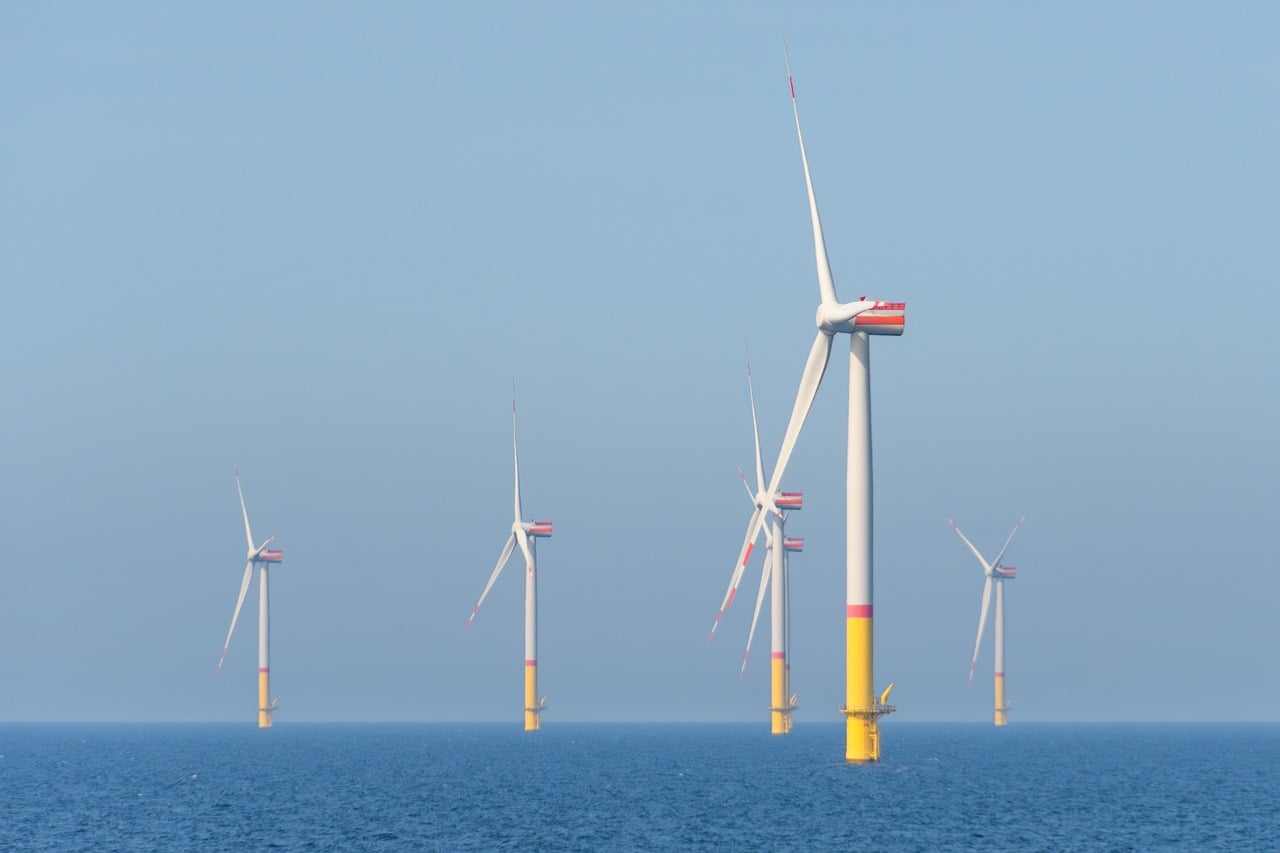
Offshore Wind – A form of wind power generation located on the sea floor, typically within a nation’s exclusive economic zone. Offshore projects differ from on‑shore farms in that they require marine permits, compliance with maritime navigation rules, and coordination with coastal land‑use planning. Example: The United Kingdom’s Hornsea One project, with a capacity of 1.2 GW, illustrates how offshore wind can supply electricity to millions of households while navigating complex licensing regimes that involve both the Department for Business, Energy & Industrial Strategy and the Maritime and Coastguard Agency.
Legal challenges: Overlapping jurisdiction between environmental agencies, marine authorities, and energy regulators often leads to fragmented permitting processes. Additionally, the need to protect marine habitats under the EU Habitats Directive can delay construction timelines.
Floating Turbines – Wind turbines mounted on buoyant platforms that are tethered to the seabed, allowing deployment in water depths where fixed‑foundation structures are impractical. This technology expands the viable offshore wind resource base, especially in deep‑water regions such as the West Coast of the United States. Example: The Hywind Scotland demonstrator, the world’s first floating turbine, proved that mooring lines and dynamic positioning systems can be certified under maritime safety regulations.
Regulatory considerations: Floating turbines require a hybrid set of permits, combining offshore wind licensing with ship‑building and marine engineering standards. The lack of uniform standards for floating foundations creates uncertainty for investors and may necessitate multiple approvals from different agencies.
Power Purchase Agreement (PPA) – A long‑term contract in which a buyer (often a utility, corporation, or government entity) agrees to purchase electricity generated by a wind project at a predetermined price. PPAs are the primary mechanism for securing financing, as they provide predictable revenue streams. Example: A corporate PPA between a tech company and a wind farm in Texas can lock in a 20‑year price of $30 /MWh, enabling the company to meet its sustainability commitments while the developer obtains bankable cash flow.
Key legal issues: Negotiating force‑majeure clauses, price‑adjustment mechanisms, and termination rights is critical, especially as climate‑related disruptions become more common. Regulatory changes that affect the eligibility of PPAs for renewable energy credits (RECs) can also impact the economic viability of the agreement.
Renewable Energy Certificate (REC) – A tradable instrument that represents the environmental attributes of one megawatt‑hour of renewable electricity generation. RECs allow purchasers to claim compliance with renewable portfolio standards (RPS) or corporate sustainability goals without directly owning the power. Example: A wind farm in Iowa may sell its RECs to a utility that needs to meet the state’s 40 % renewable target, while the utility simultaneously purchases the physical electricity through a separate contract.
Challenges: The legal status of RECs varies across jurisdictions; some regions treat them as property rights, while others consider them as regulatory credits. This inconsistency can affect transferability, taxation, and the enforceability of REC‑related obligations.
Transmission Access – The right to connect a wind project to the electrical grid and to use transmission infrastructure for delivering power to end‑users. Transmission access is typically governed by independent system operators (ISOs) or regional transmission organizations (RTOs). Example: In the United States, a wind developer must file a interconnection request with the Midcontinent ISO, which conducts a feasibility study, a system impact study, and a final study before granting network access.
Legal hurdles: Transmission queues can be lengthy, and the allocation of costs for new transmission upgrades often leads to disputes between generators, utilities, and regulators. Moreover, “bottleneck” issues may arise when existing transmission capacity cannot accommodate additional wind generation, prompting regulatory intervention or the need for new transmission lines.
Site Lease – A contractual arrangement granting a developer the right to occupy land or seabed for wind turbine installation. Leases may be obtained from private landowners, tribal entities, or government agencies. Example: A wind developer in Kansas may negotiate a 30‑year lease with a cattle rancher, including provisions for compensation, land use restrictions, and decommissioning obligations.
Regulatory concerns: Lease terms must comply with zoning ordinances, environmental statutes, and, in some cases, historic preservation laws. Failure to secure proper lease agreements can result in litigation, project delays, or the forced removal of turbines.
Environmental Impact Assessment (EIA) – A systematic process to evaluate the potential environmental effects of a wind project before construction begins. EIAs are required under many national environmental laws, such as the U.S. National Environmental Policy Act (NEPA) or the European Environmental Impact Assessment Directive. Example: An EIA for a proposed offshore wind farm in the Baltic Sea may assess impacts on migratory bird routes, marine mammals, and seabed habitats.
Legal implications: Inadequate or incomplete EIAs can lead to judicial review, injunctions, or revocation of permits. Additionally, the “mitigation hierarchy” (avoid, minimize, compensate) must be reflected in project design and contractual obligations, influencing risk allocation among parties.
Marine Spatial Planning (MSP) – A policy tool that allocates marine space among competing uses such as shipping, fishing, recreation, and renewable energy. MSP seeks to balance economic development with environmental protection. Example: The Dutch MSP framework designates specific offshore zones for wind farms while preserving corridors for marine wildlife and commercial fishing.
Legal challenges: MSP processes often involve multiple stakeholders and layers of governance, leading to potential conflicts over jurisdiction and priority. Developers must navigate complex stakeholder engagement requirements and may need to submit adaptive management plans that align with MSP outcomes.
Grid Modernization – The upgrade of electrical transmission and distribution infrastructure to accommodate higher penetrations of variable renewable energy, including wind. Grid modernization encompasses advanced metering infrastructure, flexible AC transmission systems (FACTS), and energy storage integration. Example: A utility in California adopts a “smart grid” pilot that uses automated voltage regulation to integrate 2 GW of wind generation without compromising reliability.
Regulatory dimension: Grid modernization initiatives are often funded through public‑private partnerships, and the allocation of costs and benefits must be addressed in tariff structures and regulatory filings. Compliance with cybersecurity standards also adds a legal layer to project implementation.
Hybrid Renewable Systems – Projects that combine wind power with other renewable technologies such as solar photovoltaics, battery storage, or hydrogen electrolysis. Hybrid systems aim to smooth output variability and enhance capacity factors. Example: A hybrid wind‑solar‑storage facility in Nevada may sell combined output under a single PPA, offering a more predictable energy supply to a data center.
Legal considerations: Hybrid projects may be subject to multiple regulatory regimes, each with distinct licensing, interconnection, and environmental requirements. Contractual arrangements must clearly allocate responsibilities for each technology component, and performance guarantees must reflect the integrated system’s output.
Digital Twin – A virtual replica of a wind turbine or entire wind farm that uses real‑time data, sensors, and advanced analytics to simulate performance, predict maintenance needs, and optimize operations. Digital twins enable predictive maintenance and can extend turbine life cycles. Example: A turbine manufacturer deploys a digital twin platform that alerts operators when blade pitch angles deviate from optimal ranges, prompting pre‑emptive repairs.
Legal implications: The use of digital twins raises data‑privacy and cybersecurity concerns. Contracts for digital‑twin services must define data ownership, confidentiality obligations, and liability for erroneous predictions that could lead to downtime or safety incidents.
Artificial Intelligence (AI) Forecasting – The application of machine learning algorithms to predict wind speed, direction, and power output with higher accuracy than traditional statistical models. AI forecasting enhances grid operators’ ability to schedule dispatch and manage reserves. Example: An ISO integrates AI‑driven wind forecasts into its day‑ahead market, reducing the need for ancillary services and lowering overall system costs.
Regulatory issues: AI models can be “black boxes,” making it difficult for regulators to assess the reliability of forecasts. Transparency requirements may compel developers to disclose model inputs and validation procedures, and liability clauses must address errors in AI‑generated predictions.
Blockchain‑Enabled PPAs – The use of blockchain technology to record and settle renewable energy contracts, providing immutable audit trails and potentially reducing transaction costs. Smart contracts can automate payment triggers based on real‑time generation data. Example: A blockchain platform facilitates a PPA between a wind farm in Brazil and a multinational corporation in Europe, with automated token transfers representing each megawatt‑hour delivered.
Legal challenges: The regulatory status of blockchain‑based energy tokens varies by jurisdiction, and existing securities laws may apply if tokens are deemed investment instruments. Additionally, cross‑border data sharing raises privacy concerns under the General Data Protection Regulation (GDPR) and other data‑protection statutes.
Net‑Zero Targets – Government‑mandated or corporate commitments to balance greenhouse‑gas emissions with removal or avoidance measures, often by a specified year (e.g., 2050). Net‑zero policies drive demand for wind projects as part of decarbonization strategies. Example: The European Union’s Climate Law enshrines a 2050 net‑zero target, prompting member states to adopt supportive wind‑energy incentives and streamlined permitting processes.
Legal relevance: Net‑zero commitments may create “policy risk” for developers if future regulations shift or if subsidies are withdrawn. Contractual clauses that tie pricing to policy milestones (e.g., carbon pricing floors) can help mitigate such risk, but they also increase complexity in negotiations.
Regulatory Harmonization – Efforts to align wind energy regulations across jurisdictions to reduce barriers to cross‑border investment and facilitate the development of multinational projects. Harmonization can involve standardizing technical specifications, permitting timelines, and incentive structures. Example: The North Sea countries have coordinated offshore wind licensing procedures through the North Sea Wind Power Hub initiative, creating a more predictable environment for investors.
Legal obstacles: Sovereign regulatory autonomy and differing environmental standards can impede harmonization. Negotiating mutual recognition agreements or regional directives often requires intricate diplomatic and legal work.
Cross‑Border Interconnection – Physical links that enable electricity generated in one country to be transmitted to neighboring markets. Cross‑border interconnections increase the flexibility of wind generation and support regional energy markets. Example: The proposed “Euro‑North Sea Interconnector” would allow wind power from the United Kingdom to flow into the German grid, enhancing supply diversity.
Legal considerations: Interconnection projects must comply with both national laws and international treaties, such as the European Network of Transmission System Operators for Electricity (ENTSO‑E) regulations. Dispute‑resolution mechanisms, cost‑allocation formulas, and sovereignty concerns must be addressed in bilateral agreements.
Supply Chain Resilience – Strategies to ensure the continuity of critical components (e.g., turbine blades, gearboxes, power electronics) in the face of disruptions such as geopolitical tensions, pandemics, or natural disasters. Resilience measures include diversification of suppliers, stockpiling, and on‑shore manufacturing incentives. Example: A wind developer may include “force‑majeure” carve‑outs in its EPC contract that allow for alternative sourcing of turbine components if the primary supplier is affected by trade sanctions.
Legal aspects: Contractual risk allocation for supply‑chain interruptions must balance the interests of owners, EPC contractors, and component manufacturers. Insurance products, such as “political risk” policies, may be employed, but they require careful drafting to avoid coverage gaps.
Decommissioning Obligations – Legal duties to dismantle wind turbines and restore the site at the end of the project’s operational life. Decommissioning clauses typically outline timing, performance standards, and financial security (e.g., bonds or escrow accounts). Example: A wind farm in New Zealand must submit a decommissioning plan that details blade removal, foundation remediation, and monitoring, with a financial guarantee held by the regulator.
Challenges: Estimating future decommissioning costs is uncertain due to inflation, technological change, and evolving environmental standards. Inadequate financial assurance can lead to “orphaned” assets, where the owner defaults and the state bears the cleanup burden.
Carbon Capture Integration – The coupling of wind generation with carbon capture, utilization, and storage (CCUS) facilities to provide low‑cost renewable electricity for CO₂ capture processes. This integration can create new revenue streams and support industrial decarbonization. Example: A wind‑powered electrolyzer supplies hydrogen to a CCUS plant in Texas, enabling the capture of CO₂ from a petrochemical facility.
Legal implications: CCUS projects are regulated under both energy and environmental statutes, requiring permits for CO₂ transport, injection, and storage. Coordination between wind developers and CCUS operators must address liability for CO₂ leakage and long‑term monitoring obligations.
Community Benefit Agreements (CBAs) – Contracts between wind developers and local communities that outline specific benefits, such as job creation, revenue sharing, or infrastructure improvements. CBAs aim to secure social license and mitigate opposition. Example: A wind project in Scotland negotiates a CBA that provides a community trust with a share of turbine revenue, funding local schools and broadband upgrades.
Legal issues: CBAs must be enforceable and clearly define performance metrics. If benefits are tied to project milestones, developers need to ensure that contractual remedies exist for delayed or reduced payments.
Strategic Environmental Assessment (SEA) – A high‑level evaluation of the environmental effects of policies, plans, or programs, rather than individual projects. SEAs are used to assess the cumulative impact of multiple wind developments within a region. Example: A national offshore wind strategy undergoes an SEA to evaluate impacts on marine biodiversity, fishing activities, and coastal tourism.
Legal significance: An inadequate SEA can be challenged in court for failing to meet procedural requirements, potentially invalidating subsequent project approvals. SEAs also inform the development of mitigation hierarchies and monitoring frameworks.
Renewable Portfolio Standard (RPS) – A statutory requirement that utilities procure a minimum percentage of their electricity from renewable sources, often expressed as a megawatt‑hour target. RPS mechanisms drive demand for wind power and shape market dynamics. Example: California’s RPS mandates 60 % renewable electricity by 2030, encouraging utilities to sign long‑term PPAs with wind farms.
Legal considerations: RPS compliance is monitored by state regulators, and failure to meet targets can result in penalties or forced procurement. The interaction between RPS credits and other incentive programs (e.g., tax credits) must be carefully navigated to avoid double‑counting.
Feed‑in Tariff (FiT) – A policy instrument that guarantees a fixed price for renewable electricity over a specified period, typically with preferential terms for wind projects. FiTs provide revenue certainty and have been instrumental in early‑stage wind market development. Example: Germany’s Renewable Energy Sources Act (EEG) offered a FiT of €0.12/kWh for on‑shore wind installed after 2020.
Legal challenges: FiTs can be politically contentious, leading to abrupt policy changes that affect ongoing projects. Contracts based on FiTs must include “regulatory change” clauses to allocate risk between parties.
Tax Equity Financing – A financing structure in which investors obtain tax benefits (e.g., Investment Tax Credit, Production Tax Credit) in exchange for capital contributions to a wind project. Tax equity investors typically receive a preferred return and a share of cash flow. Example: A U.S. wind developer partners with a large financial institution that provides 70 % of project equity in exchange for the tax credits, while the developer retains operational control.
Legal intricacies: Tax equity deals require compliance with complex tax code provisions, including “base‑case” tests and “partnering” rules. The structuring of partnership agreements, allocation of tax attributes, and exit strategies must be meticulously drafted to satisfy both tax authorities and investors.
Power Purchase Obligation (PPO) – A statutory duty imposed on utilities or large consumers to procure a certain amount of renewable electricity, often expressed as a percentage of total load. PPOs complement RPS mandates and can be enforced through regulatory penalties. Example: In India, the Ministry of Power issues PPOs that require state distribution companies to purchase a set quota of wind energy each year.
Legal impact: PPOs create a predictable demand pipeline for wind developers, but they also require utilities to adjust procurement strategies, potentially leading to contractual conflicts if market conditions change.
Grid‑Forming Inverters – Advanced power electronic devices that enable wind turbines to provide voltage and frequency support, effectively acting as “virtual synchronous generators.” Grid‑forming inverters improve system stability and facilitate higher wind penetration. Example: A wind farm equipped with grid‑forming inverters can participate in ancillary service markets, offering frequency regulation services to the ISO.
Regulatory aspects: Grid codes are being updated to accommodate inverter capabilities, and compliance testing must verify that inverter behavior meets new standards for fault ride‑through and voltage control. Failure to meet updated grid‑code requirements can result in connection denial or penalties.
Energy Storage Integration – The coupling of wind farms with battery or pumped‑hydro storage to buffer variability, shift generation to peak periods, and provide ancillary services. Storage can enhance the economic value of wind projects and support grid reliability. Example: A 300 MW wind farm in Australia pairs with a 150 MW/300 MWh lithium‑ion battery, allowing the combined facility to sell firm capacity contracts.
Legal considerations: Storage assets may be regulated as separate generating units, requiring distinct interconnection agreements and market participation rules. Contracts must delineate ownership, operation, and revenue sharing between the wind and storage components.
Corporate Renewable Procurement (CRP) – The practice of corporations directly purchasing renewable electricity, often through PPAs, to meet internal sustainability goals and reduce exposure to volatile spot markets. CRP has become a major driver of new wind development. Example: A multinational retailer signs a 10‑year PPA with a wind farm in Texas, locking in a stable price and earning RECs that it can report to investors.
Legal nuances: Corporate buyers must navigate jurisdictional differences in renewable credit eligibility, tax treatment, and regulatory compliance. The inclusion of “green‑clause” language in PPAs can affect the enforceability of sustainability claims.
Floating Offshore Wind Zones – Designated maritime areas where floating wind farms are permitted, often defined through national offshore development plans. These zones aim to concentrate activity, reduce conflicts with other marine uses, and streamline permitting. Example: Japan’s “Floating Offshore Wind Promotion Act” establishes specific zones in the East China Sea for floating turbines.
Legal implications: The designation of zones may trigger competing claims from fisheries, naval operations, and indigenous maritime rights. Developers must conduct thorough stakeholder analyses and may be required to submit mitigation plans for marine life impacts.
Smart Contracts – Self‑executing contracts encoded on blockchain platforms that automatically enforce terms when predefined conditions are met. In wind energy, smart contracts can automate payment based on metered generation data. Example: A smart contract releases tokenized payments to a turbine manufacturer each time the turbine achieves a specified production threshold, verified by IoT sensors.
Legal challenges: The enforceability of smart contracts under existing contract law is still evolving. Parties must ensure that the code accurately reflects the intended legal obligations and that there are mechanisms for dispute resolution if the contract’s logic fails.
Zero‑Emission Credits (ZECs) – Market instruments that represent the absolute avoidance of CO₂ emissions, distinct from RECs which track renewable generation. ZECs can be generated by wind projects that displace fossil‑fuel generation in high‑carbon grids. Example: A wind farm in a coal‑dominant region may claim ZECs based on the measurable reduction in CO₂ emissions compared to a baseline scenario.
Legal considerations: The methodology for calculating ZECs must be approved by a recognized standard‑setting body, and the credits must be verified by third‑party auditors. Legal disputes can arise over double‑counting or the validity of the baseline assumptions.
Distributed Wind – Small‑scale wind installations (typically less than 1 MW) located close to the point of consumption, such as farms, schools, or community centers. Distributed wind reduces transmission losses and can be integrated into local microgrids. Example: A university campus installs a 500 kW turbine that feeds directly into its campus grid, offsetting a portion of its electricity bill.
Regulatory environment: Distributed wind may be exempt from certain interconnection standards, but it still requires compliance with local zoning, noise, and wildlife protection regulations. Net‑metering policies determine the financial compensation for excess generation.
Carbon Pricing Mechanisms – Economic instruments that assign a cost to carbon emissions, such as carbon taxes or cap‑and‑trade systems. Carbon pricing influences the competitiveness of wind energy by internalizing the externality of fossil‑fuel generation. Example: The European Union Emissions Trading System (EU ETS) sets a price on CO₂, making wind‑generated electricity more attractive to utilities seeking to reduce compliance costs.
Legal impact: Carbon pricing schemes are often subject to political adjustments, creating price volatility that can affect project finance models. Contracts may include “price‑escalation” clauses linked to carbon market prices to manage this risk.
Renewable Energy Zones (REZ) – Geographically defined areas identified by governments as optimal for renewable energy development based on resource potential, grid capacity, and land‑use compatibility. REZ designation can expedite permitting and provide access to infrastructure incentives. Example: The United Kingdom’s “Renewable Energy Zones” policy identifies coastal corridors for offshore wind, offering streamlined consent processes.
Legal aspects: The creation of REZs may involve amendments to planning legislation, and developers must ensure that the zone’s criteria align with their project specifications. Over‑allocation of REZ capacity can lead to congestion and competition for transmission upgrades.
Energy Transition Plans (ETPs) – Comprehensive governmental strategies that outline pathways to decarbonize the electricity sector, often including targets for wind capacity, grid upgrades, and workforce development. ETPs guide policy instruments and investment priorities. Example: Canada’s “Net‑Zero by 2050” plan includes a commitment to double offshore wind capacity by 2030.
Legal relevance: ETPs can be used as a basis for litigation by environmental groups seeking to enforce climate commitments, potentially creating “policy‑driven” legal challenges for developers who fail to align with stated targets.
Grid Congestion Management – Strategies to alleviate bottlenecks in transmission networks that limit the delivery of wind power from generation sites to demand centers. Techniques include re‑dispatch, demand‑side response, and construction of new transmission lines. Example: An ISO implements a “congestion pricing” mechanism that charges higher transmission fees during peak wind output periods, incentivizing developers to locate projects near load centers.
Legal considerations: Congestion charges must be transparent and non‑discriminatory under regulatory frameworks. Disputes may arise over cost allocation for new transmission infrastructure, especially when multiple generators benefit from the upgrades.
Renewable Energy Certificates Trading Platforms – Digital marketplaces where RECs, ZECs, and other environmental attributes are bought and sold. These platforms increase liquidity and price transparency. Example: The European Energy Exchange (EEX) operates a REC trading platform that enables wind developers to sell certificates to utilities seeking compliance.
Legal issues: Trading platforms must comply with financial market regulations, anti‑money‑laundering rules, and data‑protection statutes. Participants must ensure that the certificates they trade are valid under the relevant jurisdiction’s tracking system.
Co‑Location Agreements – Contracts that allow wind developers to share infrastructure (e.g., substations, transmission lines) with other renewable projects, such as solar farms or energy storage facilities. Co‑location reduces capital costs and minimizes environmental footprints. Example: A wind farm and a solar park in Texas co‑locate on a single transmission line, sharing the interconnection cost.
Legal challenges: Allocation of operation and maintenance responsibilities, cost sharing, and liability for downtime must be clearly defined. Regulatory approval may require demonstration that co‑location does not compromise system reliability.
Indigenous Rights and Consultation – Legal obligations to engage with indigenous peoples whose traditional territories may be affected by wind projects. International instruments such as the United Nations Declaration on the Rights of Indigenous Peoples (UNDRIP) and domestic statutes (e.g., the U.S. National Historic Preservation Act) shape consultation processes. Example: A wind project in Canada must conduct a “free, prior, and informed consent” (FPIC) process with the local First Nations before proceeding.
Legal implications: Failure to obtain proper consent can result in injunctions, loss of social license, and potential claims for damages. Agreements often include benefit‑sharing provisions, cultural heritage protection clauses, and joint‑management arrangements.
Technology‑Neutral Incentives – Policy mechanisms that provide financial support without favoring a specific renewable technology, encouraging competition based on cost‑effectiveness. Examples include carbon credits, renewable energy auctions, and feed‑in premiums that apply to wind, solar, and hydro equally. Example: A government conducts a competitive auction where wind projects bid for a fixed price per megawatt‑hour, with the lowest bids receiving contract awards.
Legal considerations: Technology‑neutral incentives must be designed to avoid “regulatory capture” and ensure that the procurement process is transparent and non‑discriminatory. Legal challenges may arise if bidders claim that the auction criteria unfairly disadvantage certain technologies.
Dynamic Pricing Models – Pricing structures that adjust electricity rates based on real‑time supply and demand conditions, often facilitated by advanced metering infrastructure. For wind developers, dynamic pricing can improve revenue streams by aligning output with high‑price periods. Example: A wind farm participates in a “real‑time market” where prices fluctuate every 5 minutes, earning higher revenues during periods of low conventional generation.
Legal aspects: Dynamic pricing may be subject to market‑monitoring rules and anti‑manipulation provisions. Contracts must specify how price volatility is managed and whether price caps or floors are included to protect both parties.
Renewable Energy Zones (REZ) Incentive Funds – Dedicated financial pools that support the development of wind projects within designated REZs, often through grants, low‑interest loans, or equity investments. Example: A national REZ fund provides a $10 million grant to a developer for a feasibility study of a 500 MW offshore wind project, contingent on meeting environmental safeguards.
Legal framework: Funding agreements typically include performance milestones, reporting obligations, and claw‑back provisions if the project fails to proceed. Compliance with anti‑corruption statutes and procurement regulations is essential to avoid legal exposure.
Green Bonds – Debt instruments issued to finance projects that deliver environmental benefits, including wind farms. Green bonds must meet specific criteria for use of proceeds, reporting, and verification. Example: A sovereign green bond raises $500 million, earmarked for financing a portfolio of on‑shore and offshore wind projects.
Legal considerations: Issuers must adhere to the Green Bond Principles, and third‑party certification is often required to validate the “green” status of the bond. Misallocation of proceeds can lead to reputational damage and potential litigation from investors.
Energy Community Agreements – Multilateral treaties or regional arrangements that facilitate cross‑border energy trade, harmonize regulatory standards, and promote renewable integration. Example: The European Energy Community framework establishes common rules for electricity markets, enabling wind power from the Baltic Sea to be exported to Central Europe.
Legal impact: Participation in an energy community may require domestic law amendments to align with regional standards. Dispute‑resolution mechanisms are typically embedded in the treaty, providing a structured process for handling conflicts.
Carbon Border Adjustment Mechanism (CBAM) – A policy tool that imposes a carbon price on imported goods to level the playing field between domestic producers subject to carbon costs and foreign producers operating under less stringent regulations. Example: The European Union’s CBAM applies a levy on imported steel, with the carbon price reflecting the EU ETS rate, indirectly encouraging the adoption of wind‑powered electricity in exporting countries.
Legal implications: CBAM may raise trade‑law challenges under World Trade Organization (WTO) rules, and developers must monitor how carbon pricing on imports could affect the demand for wind‑generated electricity abroad.
Renewable Energy Forecasting Services – Companies that provide short‑term (hours to days) and long‑term (months to years) wind generation forecasts using meteorological data, statistical models, and AI techniques. Forecasts are essential for market participants to schedule generation and manage balancing responsibilities. Example: A forecasting provider delivers a 24‑hour wind output prediction to an ISO, which uses the data to dispatch resources efficiently.
Legal considerations: Forecasting contracts often include performance guarantees (e.g., mean absolute error thresholds) and liability clauses for forecast inaccuracies that could lead to imbalance charges. Regulators may require transparency in forecasting methodologies to ensure market fairness.
Renewable Energy Storage Obligations – Requirements that wind developers co‑locate storage capacity or provide firm capacity commitments to the grid operator. Some jurisdictions mandate storage to address the intermittency of wind generation. Example: A state’s renewable integration rule obliges wind farms larger than 300 MW to install battery storage capable of delivering 30 % of their rated capacity for at least four hours.
Legal challenges: Storage obligations can increase capital costs and affect project economics. Developers must negotiate cost‑recovery mechanisms, such as additional revenue streams from ancillary services, within their PPAs and financing agreements.
Decarbonization Roadmaps – Strategic documents that outline sector‑specific pathways to reduce carbon emissions, often specifying target wind capacity additions, technology adoption timelines, and policy instruments. Example: A national electricity decarbonization roadmap sets a goal of 50 GW of offshore wind by 2035, accompanied by a schedule for subsidy phase‑outs and grid upgrades.
Legal relevance: Roadmaps can become de‑facto policy commitments, and failure to meet stated milestones may trigger legal actions from stakeholders or trigger “regulatory risk” clauses in commercial contracts.
Renewable Energy Integration Studies – Technical analyses that assess the impact of additional wind generation on grid stability, transmission constraints, and system reliability. These studies are often a prerequisite for interconnection approval. Example: An integration study for a 2 GW offshore wind farm in the North Sea evaluates the need for new high‑voltage direct current (HVDC) links to support power flow to inland load centers.
Legal aspects: The results of integration studies can influence the allocation of transmission costs and may be subject to regulatory review. Disputes may arise if a developer believes the study underestimates required upgrades, leading to potential appeals to the energy regulator.
Renewable Energy Certificates (REC) Banking – The practice of holding RECs for future use, allowing entities to defer compliance with renewable targets or to manage price volatility. Example: A utility purchases RECs in a low‑price year and banks them for use when its renewable obligations increase, smoothing compliance costs.
Legal considerations: Banking rules vary by jurisdiction; some states limit the duration that RECs can be banked, and regulatory authorities may impose caps on the amount of RECs that can be held. Contracts must specify the treatment of banked RECs in the event of policy changes.
Carbon Neutrality Clauses – Contractual provisions that require wind developers to achieve net‑zero emissions for the project lifecycle, often through a combination of renewable generation, carbon offsets, and emission‑reduction measures. Example: A PPA includes a clause obligating the developer to purchase enough carbon offsets to neutralize the emissions associated with manufacturing turbine components.
Legal challenges: Verifying carbon neutrality can be complex, requiring third‑party certification and rigorous accounting. Ambiguities in the definition of “carbon neutral” may lead to disputes over compliance and the adequacy of offset purchases.
Wind Energy Zones (WEZ) – Specific geographic areas identified by governments as having high wind resource potential and favorable conditions for development, often paired with streamlined permitting pathways. Example: A country designates a coastal WEZ where developers receive expedited environmental clearances and priority access to transmission connections.
Legal implications: WEZ designation may trigger land‑use changes, requiring amendments to zoning ordinances and potential compensation to affected landowners. The process must balance development goals with environmental protection and community interests.
Renewable Energy Incentive Auctions – Competitive bidding processes where developers submit price offers for renewable generation capacity, and the lowest bids are awarded contracts or subsidies. Auctions can be technology‑specific or technology‑neutral. Example: A solar‑wind hybrid project wins a 2025 auction by offering a $25/MWh price, securing a 15‑year contract with a guaranteed capacity payment.
Legal considerations: Auction rules must be transparent, non‑discriminatory, and include clear criteria for bid evaluation. Legal challenges may arise if participants allege procedural irregularities or bias in the award process.
Energy Community Participation – The involvement of wind developers in regional energy markets, enabling them to trade electricity, provide ancillary services, and engage in capacity markets. Participation requires compliance with market rules, registration, and metering standards. Example: A wind farm registers with the Iberian Electricity Market (MIBEL) to sell its output and offer frequency regulation services.
Legal framework: Market participation agreements define the rights and obligations of participants, including settlement procedures, penalties for non‑performance, and dispute‑resolution mechanisms. Non‑compliance can result in fines or suspension from the market.
Wind Turbine Certification – The process by which turbine manufacturers obtain conformity assessment and certification from recognized bodies (e.g., IEC, DNV) to demonstrate compliance with safety, performance, and environmental standards. Certification is often a prerequisite for obtaining grid connection and insurance. Example: A turbine model receives IEC 61400‑1 certification, confirming its suitability for operation in Class II wind sites.
Legal implications: Failure to maintain certification can void warranties, affect insurance coverage, and lead to regulatory penalties. Contracts may include “certification maintenance” clauses requiring the developer to ensure that all installed turbines remain certified throughout the project’s life.
Renewable Energy Procurement Policies – Governmental or corporate policies that set targets for the purchase of renewable electricity, often specifying preferred contract types, geographic sourcing, or sustainability criteria. Example: A municipal government adopts a procurement policy that mandates 100 % renewable electricity for all public facilities by 2030, prioritizing PPAs with local wind projects.
Legal relevance: Procurement policies shape market demand and can create “preferred‑vendor” status for compliant wind developers. Policies must be implemented in a non‑discriminatory manner to avoid legal challenges under procurement law.
Wind Farm De‑Risking Instruments – Financial tools that reduce specific project risks, such as construction delays, performance shortfalls, or regulatory changes. Instruments include construction guarantees, output guarantees, and political risk insurance. Example: A construction guarantee from the turbine supplier assures that the wind farm will be commissioned on schedule, with penalties for missed milestones.
Legal aspects: De‑risking instruments require precise definition of trigger events, measurement methodologies, and remedies. Ambiguities can lead to disputes over whether a guarantee has been breached, emphasizing the need for clear contractual language.
Renewable Energy Tax Incentives – Fiscal measures that reduce the tax burden for wind projects, including Investment Tax Credit (ITC), Production Tax Credit (PTC), accelerated depreciation (MACRS), and tax‑exempt financing. Example: In the United States, a wind farm qualifies for a 30 % ITC, which can be claimed against federal corporate income tax liability.
Legal challenges: Tax incentives are often subject to phase‑out schedules and eligibility criteria, creating uncertainty for long‑term projects. Developers must monitor legislative developments and incorporate “tax‑incentive sunset” clauses in financing agreements to address potential changes.
Renewable Energy Capacity Credits – Credits that recognize the installed capacity of wind projects, often used in capacity markets or as a metric for meeting reliability standards. Example: A wind farm receives capacity
Key takeaways
- The following detailed glossary presents the most important vocabulary for the “Emerging Trends and Future Directions” segment of a Professional Certificate in Wind Energy Law and Regulation.
- Offshore projects differ from on‑shore farms in that they require marine permits, compliance with maritime navigation rules, and coordination with coastal land‑use planning.
- Legal challenges: Overlapping jurisdiction between environmental agencies, marine authorities, and energy regulators often leads to fragmented permitting processes.
- Example: The Hywind Scotland demonstrator, the world’s first floating turbine, proved that mooring lines and dynamic positioning systems can be certified under maritime safety regulations.
- Regulatory considerations: Floating turbines require a hybrid set of permits, combining offshore wind licensing with ship‑building and marine engineering standards.
- Example: A corporate PPA between a tech company and a wind farm in Texas can lock in a 20‑year price of $30 /MWh, enabling the company to meet its sustainability commitments while the developer obtains bankable cash flow.
- Key legal issues: Negotiating force‑majeure clauses, price‑adjustment mechanisms, and termination rights is critical, especially as climate‑related disruptions become more common.