
Sacred Dance in Worship and Ceremony
Sacred Dance in Worship and Ceremony is a spiritual practice that combines movement, dance, and music to connect with the divine. In the Advanced Skill Certificate in Sacred Dance as Spiritual Practice, students will explore key terms and v…
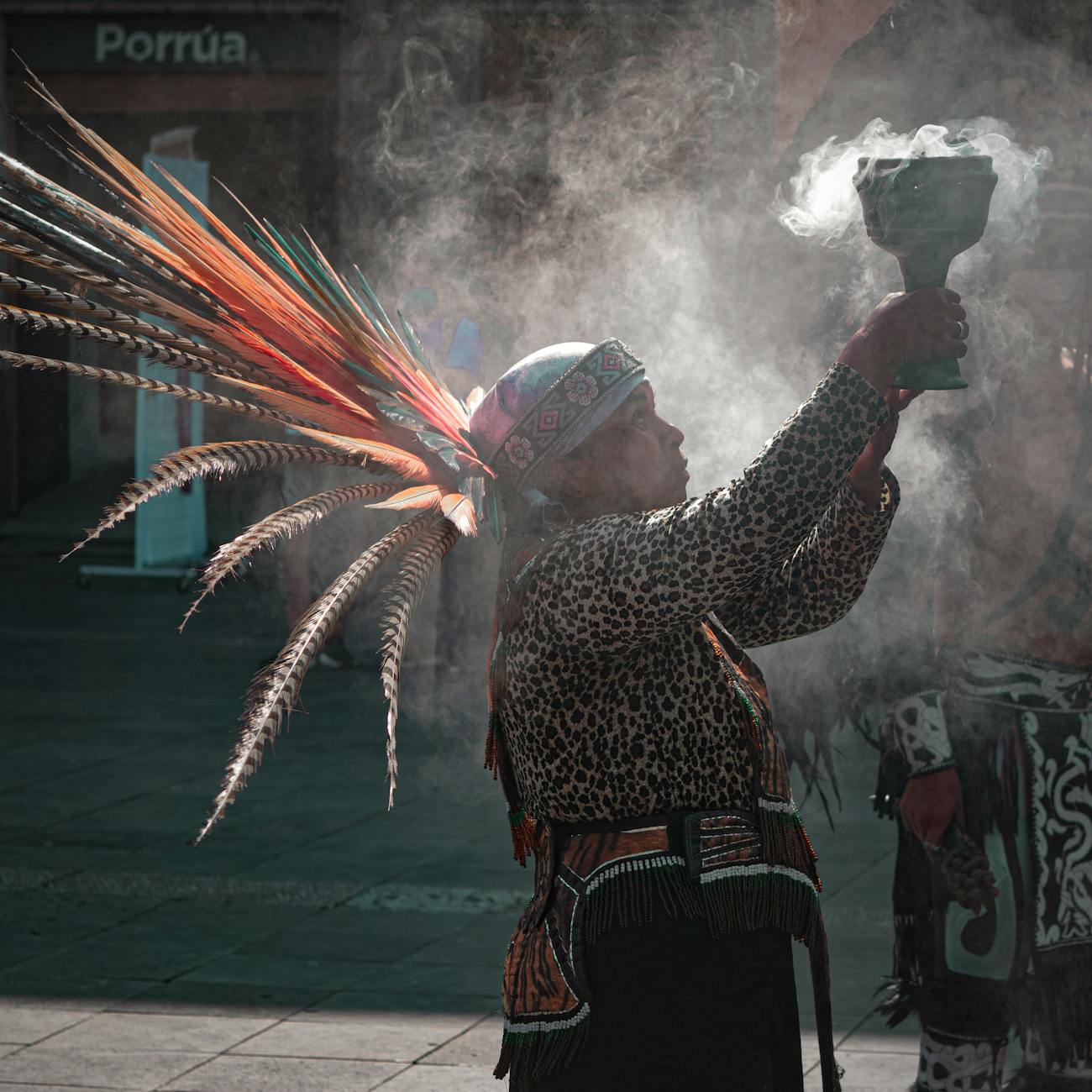
Sacred Dance in Worship and Ceremony is a spiritual practice that combines movement, dance, and music to connect with the divine. In the Advanced Skill Certificate in Sacred Dance as Spiritual Practice, students will explore key terms and vocabulary that are essential to understanding and participating in this practice. Here are some of the most important terms and concepts:
1. Sacred Dance: Sacred dance is a form of movement that is performed in a spiritual context. It is often used in worship services, ceremonies, and rituals to facilitate a connection with the divine. Sacred dance can take many forms, from traditional tribal dances to contemporary Christian dance. 2. Worship: Worship is the act of showing reverence and adoration to a deity or deities. In sacred dance, worship takes on a physical form as dancers use their bodies to express their devotion and love for the divine. 3. Ceremony: A ceremony is a formal or ritualistic event that is performed in a specific way. In sacred dance, ceremonies may include weddings, funerals, baptisms, and other rites of passage. 4. Ritual: A ritual is a series of actions or gestures that are performed in a specific order and with specific intentions. In sacred dance, rituals may include prayers, chants, and other spiritual practices. 5. Spiritual Practice: A spiritual practice is any activity that is performed with the intention of deepening one's connection with the divine. Sacred dance is one example of a spiritual practice, along with prayer, meditation, and mindfulness. 6. Movement: Movement is the physical act of changing position or location. In sacred dance, movement is used to express emotions, tell stories, and connect with the divine. 7. Choreography: Choreography is the art of creating and arranging dance movements. In sacred dance, choreography may be used to create a specific mood, tell a story, or facilitate a spiritual experience. 8. Improvisation: Improvisation is the act of creating dance movements spontaneously, without prior planning or rehearsal. In sacred dance, improvisation may be used to allow for a more authentic and responsive connection with the divine. 9. Music: Music is the sound that is produced by instruments or voices, often used as a backdrop for sacred dance. Music may be used to set a mood, create a rhythm, or provide a spiritual connection. 10. Symbolism: Symbolism is the use of symbols to represent ideas or concepts. In sacred dance, symbolism may be used to convey spiritual messages or to create a sacred space.
Examples:
* In many Christian churches, sacred dance is used during worship services to express praise and adoration to God. Dancers may use traditional or contemporary movements, often accompanied by hymns or contemporary Christian music. * In some Native American tribes, sacred dance is used in ceremonies to honor the earth, the animals, and the spirits. Dances may include traditional movements, costumes, and music, and may be performed in a circle to represent the unity of all things. * In some African cultures, sacred dance is used in rituals to heal the sick, communicate with ancestors, or celebrate important life events. Dances may include complex movements, rhythms, and chants, and may be performed by a group or an individual.
Practical Applications:
* Students in the Advanced Skill Certificate in Sacred Dance as Spiritual Practice can use these key terms and concepts to deepen their understanding of sacred dance as a spiritual practice. * By learning the language of sacred dance, students can better communicate with other dancers, musicians, and spiritual leaders. * Students can apply these concepts to their own sacred dance practice, creating choreography, improvisation, and rituals that are meaningful and impactful.
Challenges:
* Learning the language of sacred dance can be challenging, as it requires an understanding of both the technical and spiritual aspects of the practice. * Students may need to be open to new experiences and perspectives, as sacred dance often draws upon a wide range of cultural and spiritual traditions. * It may be difficult to find opportunities to practice sacred dance, as it is not as widely recognized or valued as other forms of dance.
In conclusion, the Advanced Skill Certificate in Sacred Dance as Spiritual Practice provides students with a comprehensive understanding of key terms and vocabulary related to sacred dance in worship and ceremony. By learning these concepts, students can deepen their spiritual practice, communicate with other dancers, and create meaningful choreography and rituals. While there may be challenges to learning and practicing sacred dance, the rewards are well worth the effort.
Key takeaways
- In the Advanced Skill Certificate in Sacred Dance as Spiritual Practice, students will explore key terms and vocabulary that are essential to understanding and participating in this practice.
- Spiritual Practice: A spiritual practice is any activity that is performed with the intention of deepening one's connection with the divine.
- * In some African cultures, sacred dance is used in rituals to heal the sick, communicate with ancestors, or celebrate important life events.
- * Students in the Advanced Skill Certificate in Sacred Dance as Spiritual Practice can use these key terms and concepts to deepen their understanding of sacred dance as a spiritual practice.
- * Learning the language of sacred dance can be challenging, as it requires an understanding of both the technical and spiritual aspects of the practice.
- In conclusion, the Advanced Skill Certificate in Sacred Dance as Spiritual Practice provides students with a comprehensive understanding of key terms and vocabulary related to sacred dance in worship and ceremony.