
Embodiment and Sacred Movement
Embodiment and Sacred Movement are essential components of Sacred Dance as a Spiritual Practice. Understanding the key terms and vocabulary associated with these concepts is crucial for practitioners to deepen their connection to the divine…
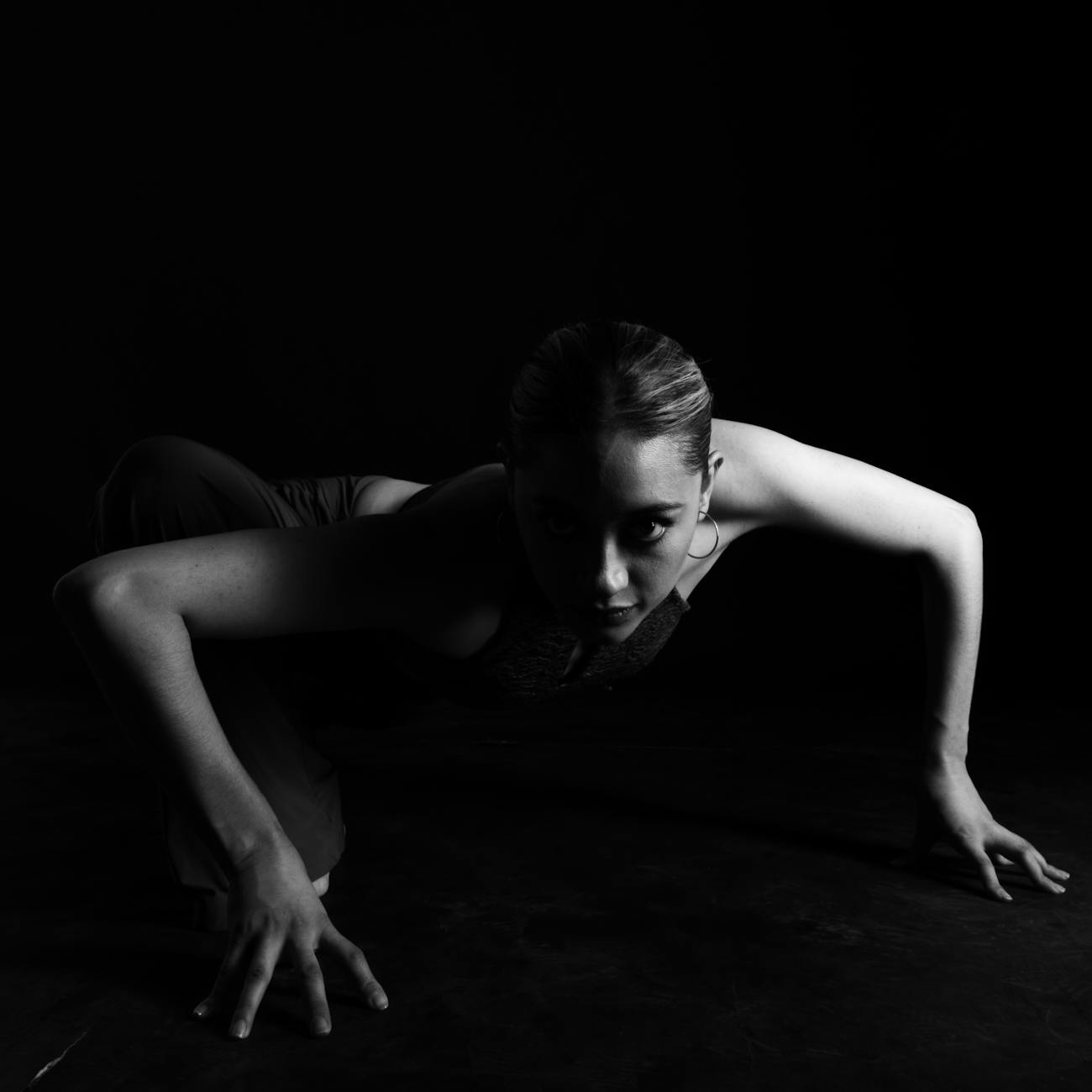
Embodiment and Sacred Movement are essential components of Sacred Dance as a Spiritual Practice. Understanding the key terms and vocabulary associated with these concepts is crucial for practitioners to deepen their connection to the divine through movement. Below are detailed explanations of key terms and vocabulary relevant to the Advanced Skill Certificate in Sacred Dance as Spiritual Practice:
1. **Embodiment**: Embodiment refers to the process of being fully present in one's physical body and experiencing the world through sensory perception. In the context of Sacred Dance, embodiment involves connecting to the divine through movement and expressing spiritual truths through the physical form. This practice allows practitioners to ground themselves in the present moment and cultivate a deeper awareness of their bodies as vessels for spiritual expression.
2. **Sacred Movement**: Sacred Movement encompasses a wide range of physical practices that are performed with intention and reverence for the divine. This form of movement is often used in rituals, ceremonies, and spiritual practices to connect with higher powers, express devotion, and embody spiritual truths. Sacred Movement can take many forms, including dance, yoga, tai chi, and qigong, each offering unique ways to explore the body as a sacred instrument for spiritual expression.
3. **Spiritual Practice**: A Spiritual Practice is a discipline or routine that is undertaken with the intention of deepening one's connection to the divine, cultivating inner peace, and aligning with spiritual values. In the context of Sacred Dance, Spiritual Practice involves using movement as a means of prayer, meditation, and worship. This practice can help practitioners access higher states of consciousness, connect with their inner wisdom, and experience profound spiritual insights.
4. **Divine**: The Divine refers to the ultimate source of spiritual power, wisdom, and love that transcends human understanding. In Sacred Dance, practitioners often invoke the divine through movement, music, and ritual to connect with the sacred presence that permeates all of creation. The concept of the divine can vary across different religious and spiritual traditions, but it is generally understood as the higher power or cosmic force that governs the universe.
5. **Presence**: Presence refers to the state of being fully engaged in the present moment, with a heightened awareness of one's thoughts, feelings, and surroundings. In Sacred Dance, cultivating presence is essential for embodying the spiritual essence of movement and connecting with the divine. Practitioners strive to let go of distractions, ego-driven thoughts, and external concerns to become fully present in their bodies and attuned to the sacred energy that flows through them.
6. **Consciousness**: Consciousness refers to the state of awareness and perception that allows individuals to experience reality, make choices, and engage with the world around them. In Sacred Dance, consciousness plays a crucial role in shaping the quality of movement, intention, and connection to the divine. Practitioners seek to expand their consciousness through movement practices that heighten sensory awareness, deepen spiritual insight, and awaken higher states of consciousness.
7. **Somatic**: Somatic refers to the body as a whole entity, including physical sensations, emotions, thoughts, and spiritual energy. In Sacred Dance, somatic practices focus on integrating the body-mind-spirit connection to facilitate holistic healing, self-discovery, and spiritual transformation. Somatic awareness allows practitioners to explore the body as a sacred vessel for divine expression and cultivate a deeper sense of embodiment in their movement practice.
8. **Ritual**: A Ritual is a symbolic act or ceremony that is performed with intention and meaning to create a sacred space, honor spiritual traditions, and connect with the divine. In Sacred Dance, rituals are often used to set the intention for a dance practice, invoke spiritual energies, and create a container for sacred movement. Rituals can involve specific gestures, movements, music, and prayers that help practitioners enter a state of reverence, devotion, and connection to the divine.
9. **Devotion**: Devotion is a deep sense of reverence, love, and commitment to a spiritual practice, deity, or higher power. In Sacred Dance, devotion is expressed through movement, prayer, and offerings as a way to honor the divine and cultivate a heartfelt connection to the sacred. Devotional practices in Sacred Dance can help practitioners deepen their relationship with the divine, express gratitude for blessings received, and surrender to the divine will through embodied movement.
10. **Transcendence**: Transcendence refers to the experience of going beyond ordinary limits or boundaries to access higher states of consciousness, unity with the divine, and profound spiritual insights. In Sacred Dance, practitioners seek to transcend the limitations of the ego, the body, and the mundane world through movement practices that elevate the spirit, expand awareness, and connect with the divine essence. Transcendence in Sacred Dance can lead to moments of ecstasy, bliss, and oneness with the sacred source of all creation.
11. **Sacred Geometry**: Sacred Geometry is the study of geometric patterns, shapes, and proportions that are believed to hold spiritual significance and divine meaning. In Sacred Dance, practitioners may incorporate sacred geometry into their movements, choreography, and visualizations to access higher levels of consciousness, align with cosmic energies, and create harmonious patterns of movement. Sacred Geometry can be seen as a symbolic language that communicates universal truths and spiritual principles through geometric forms.
12. **Choreography**: Choreography is the art of creating and arranging movements in a dance performance or practice. In Sacred Dance, choreography plays a vital role in shaping the structure, flow, and meaning of a dance piece, allowing practitioners to express spiritual themes, emotions, and intentions through movement. Choreography in Sacred Dance can be inspired by sacred texts, myths, symbols, and rituals to convey deeper layers of spiritual wisdom and evoke transformative experiences for both the dancers and the audience.
13. **Intention**: Intention is the conscious decision or purpose behind an action, thought, or practice. In Sacred Dance, setting intention is essential for aligning with the spiritual purpose of the movement, connecting with the divine energy, and embodying sacred truths through dance. Practitioners may set intentions for their dance practice, such as healing, transformation, gratitude, or connection to the divine, to focus their energy, attention, and intention on a specific spiritual goal.
14. **Alignment**: Alignment refers to the harmonious arrangement of body, mind, and spirit in Sacred Dance practice. Practitioners seek to align their physical movements, emotions, thoughts, and intentions with the divine source to create a sense of wholeness, balance, and integration in their dance practice. Alignment in Sacred Dance involves attuning to the sacred energy within and around the body, aligning with the rhythms of nature and the cosmos, and embodying the divine essence through movement.
15. **Flow**: Flow is a state of optimal experience where individuals are fully immersed in an activity, feeling energized, focused, and deeply connected to the present moment. In Sacred Dance, practitioners aim to cultivate a sense of flow in their movement practice by letting go of self-consciousness, surrendering to the divine energy, and allowing the dance to unfold naturally. Flow in Sacred Dance can lead to moments of creativity, inspiration, and spiritual ecstasy as practitioners become one with the rhythm and grace of the dance.
16. **Grounding**: Grounding is the practice of connecting to the earth's energy, centering oneself, and establishing a sense of stability and presence in the body. In Sacred Dance, grounding is essential for anchoring the energy, intention, and movement in the physical body to create a solid foundation for spiritual expression. Practitioners may use grounding techniques such as visualization, breathwork, and mindful movement to root themselves in the present moment, feel supported by the earth, and enhance the depth and power of their dance practice.
17. **Sacred Sound**: Sacred Sound refers to the use of music, chants, mantras, and vocalizations to create a sacred atmosphere, invoke spiritual energies, and enhance the spiritual experience of Sacred Dance. Sound has the power to elevate consciousness, shift energetic vibrations, and evoke deep emotions in practitioners, making it an integral part of the sacred movement practice. Sacred Sound in Sacred Dance can help practitioners attune to the divine frequency, align with the cosmic harmonies, and express the ineffable mysteries of the divine through the language of music and sound.
18. **Meditation**: Meditation is a practice of focusing the mind, calming the emotions, and cultivating a state of inner peace and mindfulness. In the context of Sacred Dance, meditation can be used to prepare the body, mind, and spirit for movement, deepen the connection to the divine, and enhance the spiritual experience of the dance practice. Practitioners may engage in seated meditation, walking meditation, or moving meditation to quiet the mind, open the heart, and attune to the sacred presence within and around them.
19. **Sacred Symbols**: Sacred Symbols are visual or artistic representations that carry spiritual meanings, archetypal significance, and sacred power. In Sacred Dance, practitioners may use sacred symbols in their movements, gestures, costumes, and props to convey deeper layers of meaning, evoke specific energies, and connect with the divine essence. Sacred Symbols can include ancient symbols, religious icons, mandalas, yantras, and other symbolic forms that resonate with universal truths, spiritual principles, and mystical insights.
20. **Healing**: Healing is the process of restoring balance, wholeness, and harmony to the body, mind, and spirit. In Sacred Dance, movement can be a powerful tool for healing physical, emotional, mental, and spiritual imbalances by releasing stagnant energy, releasing emotional blocks, and aligning with the divine healing energies. Practitioners may use movement therapy, energy healing, and somatic practices in their dance practice to promote self-healing, transformation, and spiritual growth through embodied movement.
21. **Transformation**: Transformation is the process of profound change, growth, and evolution at the physical, emotional, mental, and spiritual levels. In Sacred Dance, practitioners seek to undergo transformative experiences through movement practices that awaken higher states of consciousness, release limiting beliefs, and align with the divine essence. Transformation in Sacred Dance can lead to personal empowerment, spiritual awakening, and a deepening of one's connection to the divine source of all creation.
22. **Surrender**: Surrender is the act of letting go of control, ego, and resistance to the divine will in order to open oneself to higher guidance, wisdom, and grace. In Sacred Dance, surrender is essential for allowing the divine energy to flow through the body, inspire movement, and guide the dance practice. Practitioners may cultivate a sense of surrender through breathwork, visualization, and mindful movement to surrender to the divine presence, trust in the unfolding of the dance, and allow the sacred energy to move through them with grace and ease.
23. **Ecstasy**: Ecstasy is a state of intense joy, bliss, and spiritual rapture that transcends ordinary experience and connects individuals to the divine source of love and light. In Sacred Dance, practitioners may experience moments of ecstasy during their movement practice when they are fully immersed in the dance, aligned with the divine energy, and connected to the sacred essence within and around them. Ecstasy in Sacred Dance can lead to feelings of oneness, unity, and profound spiritual fulfillment as practitioners merge with the divine presence through movement.
24. **Sacred Space**: Sacred Space is a designated area or environment that is consecrated for spiritual practices, rituals, ceremonies, and sacred gatherings. In Sacred Dance, creating sacred space is essential for setting the intention, invoking spiritual energies, and enhancing the spiritual experience of the dance practice. Practitioners may cleanse and purify the space, set up an altar, light candles, burn incense, and create a harmonious atmosphere that supports the sacred movement and deepens the connection to the divine.
25. **Shamanic Dance**: Shamanic Dance is a form of sacred movement that draws inspiration from shamanic traditions, indigenous cultures, and ancient rituals to access higher states of consciousness, commune with spirit guides, and facilitate healing and transformation. In Shamanic Dance, practitioners may engage in trance dancing, animal movements, ritualistic gestures, and energetic practices to journey between the worlds, connect with spiritual allies, and receive guidance from the spirit realm. Shamanic Dance can be a powerful tool for personal growth, spiritual exploration, and connecting with the wisdom of the earth and the ancestors through embodied movement.
26. **Spiritual Warrior**: A Spiritual Warrior is a practitioner who embodies courage, strength, and integrity in their spiritual practice, facing inner challenges, overcoming obstacles, and standing in their truth with grace and humility. In Sacred Dance, the Spiritual Warrior archetype can inspire practitioners to approach their movement practice with dedication, discipline, and a sense of purpose, using dance as a means of self-discovery, empowerment, and spiritual transformation. The Spiritual Warrior in Sacred Dance embodies the qualities of compassion, resilience, and spiritual warriorhood in their quest for self-mastery and alignment with the divine will.
27. **Sacred Union**: Sacred Union is the integration of masculine and feminine energies, yin and yang principles, and polarities within oneself to achieve a state of balance, harmony, and wholeness. In Sacred Dance, practitioners may explore the concept of Sacred Union through movement practices that embody the dance of opposites, the interplay of light and dark, and the union of body and spirit. Sacred Union in Sacred Dance can lead to a deepening of self-awareness, a harmonizing of inner energies, and a sense of unity with the divine source of all creation through embodied movement.
28. **Mystical Experience**: A Mystical Experience is a profound encounter with the divine, a state of union with the sacred, and a direct experience of spiritual truths that transcends intellectual understanding. In Sacred Dance, practitioners may enter into mystical states of consciousness during their movement practice when they feel connected to the divine presence, experience moments of ecstasy, and receive spiritual insights that transcend ordinary reality. Mystical experiences in Sacred Dance can be transformative, illuminating, and deeply inspiring, leading practitioners to a deeper understanding of their spiritual path and connection to the divine source.
29. **Sacred Dance Therapy**: Sacred Dance Therapy is a holistic healing modality that combines movement, dance, and expressive arts with psychotherapy, somatic practices, and spiritual counseling to promote physical, emotional, mental, and spiritual well-being. In Sacred Dance Therapy, practitioners may use movement to release trauma, express emotions, and access deeper layers of the psyche, facilitating healing and transformation at all levels of being. Sacred Dance Therapy can be a powerful tool for self-discovery, personal growth, and spiritual integration through embodied movement practices that connect individuals to their inner wisdom, creativity, and divine essence.
30. **Blessing**: A Blessing is a prayer, invocation, or gesture of goodwill that is offered to bestow divine grace, protection, and abundance upon oneself or others. In Sacred Dance, practitioners may offer blessings through movement, gestures, or words to invoke spiritual energies, express gratitude, and share blessings with the community. Blessings in Sacred Dance can create a sense of unity, harmony, and sacred connection among practitioners, fostering a spirit of generosity, compassion, and love that uplifts the hearts and souls of all who participate in the sacred movement practice.
31. **Community**: Community is a group of individuals who come together to share common values, beliefs, and goals, forming a supportive network of like-minded souls who inspire, uplift, and empower one another. In Sacred Dance, community plays a vital role in creating a sacred container for the movement practice, fostering a sense of belonging, connection, and shared purpose among practitioners. Community in Sacred Dance can provide a sense of camaraderie, mutual support, and spiritual kinship that enhances the depth, meaning, and transformative power of the sacred movement practice for all who participate.
32. **Rites of Passage**: Rites of Passage are ceremonial rituals or practices that mark significant transitions, milestones, or transformations in an individual's life, such as birth, adolescence, marriage, and death. In Sacred Dance, practitioners may engage in rites of passage ceremonies that use movement, dance, and symbolic gestures to honor life transitions, celebrate personal growth, and facilitate spiritual awakening. Rites of Passage in Sacred Dance can be powerful tools for acknowledging life's passages, releasing the past, and stepping into new levels of consciousness, wisdom, and purpose through embodied movement practices that honor the sacred journey of the soul.
33. **Ancestral Wisdom**: Ancestral Wisdom refers to the collective knowledge, traditions, and spiritual teachings passed down through generations of ancestors that hold valuable insights, guidance, and healing for the present and future. In Sacred Dance, practitioners may draw upon ancestral wisdom in their movement practice to connect with the wisdom of the elders, honor the lineage of teachers, and access the timeless truths that have been preserved in the cultural and spiritual heritage of their ancestors. Ancestral Wisdom in Sacred Dance can provide a source of inspiration, guidance, and empowerment for practitioners as they deepen their connection to the roots of their lineage and the wisdom of the past through embodied movement.
34. **Mystery Schools**: Mystery Schools are esoteric traditions, spiritual teachings, and initiatory practices that offer seekers a path of spiritual growth, self-discovery, and enlightenment through secret knowledge, hidden wisdom, and transformative practices. In Sacred Dance, practitioners may explore the teachings of mystery schools to deepen their understanding of sacred movement, ritual, and spiritual practices that have been transmitted through ancient lineages and esoteric traditions. Mystery Schools in Sacred Dance can provide a framework for spiritual exploration, initiation, and self-realization through embodied movement practices that unlock the mysteries of the cosmos, the soul, and the divine source of all creation.
35. **Universal Consciousness**: Universal Consciousness is the interconnected web of awareness, intelligence, and energy that unites all beings, forms, and dimensions in a unified field of consciousness that transcends individual identity and egoic limitations. In Sacred Dance, practitioners may attune to universal consciousness through movement practices that expand awareness, connect with the collective soul, and align with the cosmic intelligence that permeates all of creation. Universal Consciousness in Sacred Dance can lead to moments of unity, oneness, and transcendence as practitioners merge with the infinite source of love, wisdom, and light through embodied movement practices that awaken the divine essence within and around them.
In conclusion, understanding the key terms and vocabulary associated with Embodiment and Sacred Movement in the context of Sacred Dance as a Spiritual Practice is essential for practitioners to deepen their connection to the divine, embody spiritual truths through movement, and cultivate a transformative and empowering movement practice. By exploring these concepts in depth, practitioners can enhance their awareness, intention, and alignment with the sacred energy that flows through them, leading to a deeper sense of embodiment, connection, and spiritual fulfillment in their dance practice.
Key takeaways
- Understanding the key terms and vocabulary associated with these concepts is crucial for practitioners to deepen their connection to the divine through movement.
- This practice allows practitioners to ground themselves in the present moment and cultivate a deeper awareness of their bodies as vessels for spiritual expression.
- Sacred Movement can take many forms, including dance, yoga, tai chi, and qigong, each offering unique ways to explore the body as a sacred instrument for spiritual expression.
- **Spiritual Practice**: A Spiritual Practice is a discipline or routine that is undertaken with the intention of deepening one's connection to the divine, cultivating inner peace, and aligning with spiritual values.
- The concept of the divine can vary across different religious and spiritual traditions, but it is generally understood as the higher power or cosmic force that governs the universe.
- Practitioners strive to let go of distractions, ego-driven thoughts, and external concerns to become fully present in their bodies and attuned to the sacred energy that flows through them.
- **Consciousness**: Consciousness refers to the state of awareness and perception that allows individuals to experience reality, make choices, and engage with the world around them.