
Sacred Symbols and Rituals in Dance
Sacred Symbols and Rituals in Dance
Sacred Symbols and Rituals in Dance
Sacred Dance as Spiritual Practice
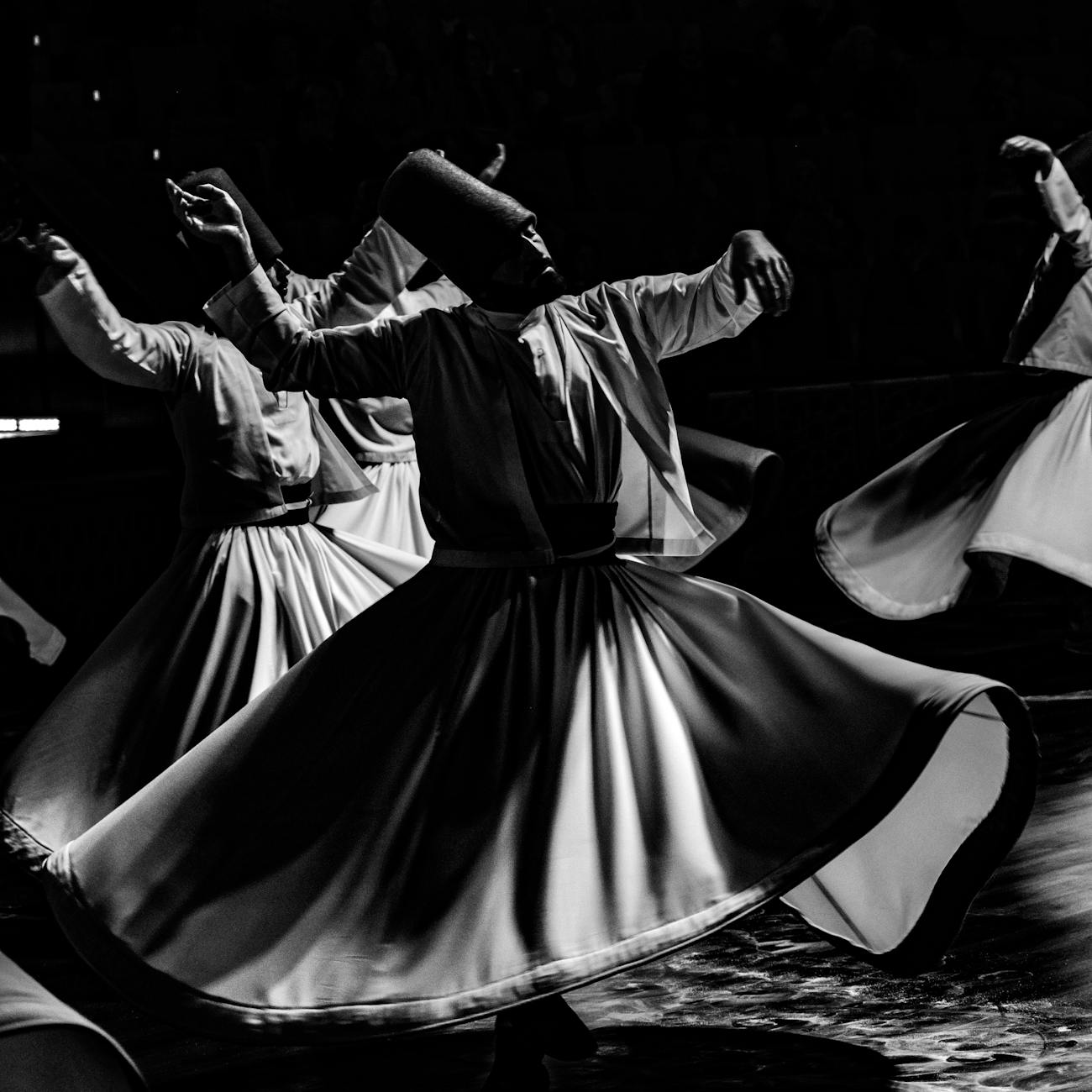
Dance has been an integral part of human culture for centuries, serving as a form of expression, celebration, communication, and ritual. In many cultures, dance is deeply intertwined with spirituality and religion, with movements and gestures holding significant symbolic meaning. The use of sacred symbols and rituals in dance can elevate the practice to a spiritual level, connecting dancers with higher powers, ancestors, or divine beings. In the context of the Advanced Skill Certificate in Sacred Dance as Spiritual Practice, it is essential to understand the key terms and vocabulary associated with sacred symbols and rituals in dance.
Sacred Symbols
Sacred symbols are visual representations of spiritual concepts, beliefs, or values. They can be found in various forms, such as geometric shapes, animals, plants, or objects, each carrying a specific meaning or significance. In dance, sacred symbols are often embodied through movements, gestures, costumes, and props, enhancing the spiritual experience for both the dancer and the audience. Some common sacred symbols used in dance include:
- Mandala: A geometric pattern representing the universe or cosmic order. Dancers may create mandala-like formations with their bodies or use mandala motifs in their costumes. - Lotus: A symbol of purity and enlightenment in many Eastern traditions. Dancers may incorporate lotus flower movements into their choreography to evoke spiritual awakening. - Snake: Symbolizing transformation, rebirth, and healing in various cultures. Dancers may mimic snake-like movements to convey these themes in their performances. - Circle: Represents unity, wholeness, and infinity. Dancers often form circles during rituals or performances to symbolize the interconnectedness of all beings.
These sacred symbols are not only visually appealing but also carry deep spiritual meanings that can resonate with both the dancers and the spectators. By incorporating these symbols into their dance practice, individuals can deepen their spiritual connection and enhance their understanding of the divine.
Rituals in Dance
Rituals are a set of prescribed actions or ceremonies performed in a specific order for a particular purpose. In the context of dance, rituals serve to create a sacred space, set intentions, invoke deities or ancestors, and honor spiritual traditions. Rituals in dance can range from simple gestures before a performance to elaborate ceremonies involving music, chanting, offerings, and symbolic movements. Some common rituals in sacred dance include:
- Purification: Cleansing the dance space or the participants to prepare for a sacred performance. This can be done through smudging, sprinkling holy water, or other purifying rituals. - Invocation: Calling upon divine beings, ancestors, or spiritual guides to bless the dance and its participants. This can be done through prayers, chants, or invocations. - Offerings: Presenting gifts or offerings to the divine as a gesture of gratitude or reverence. This can include flowers, incense, food, or symbolic objects. - Celebration: Expressing joy, gratitude, and connection through dance. Celebratory rituals often involve music, singing, and dancing in a communal setting.
Rituals in dance not only add depth and meaning to the performance but also create a sense of sacredness and reverence for the practice. By engaging in these rituals, dancers can cultivate a deeper connection to the spiritual realm and tap into the transformative power of dance as a spiritual practice.
Key Terms and Vocabulary
- Sacred Dance: Dance performed for religious or spiritual purposes, often involving rituals, symbols, and sacred gestures. - Spiritual Practice: Activities or rituals undertaken to cultivate a sense of connection with the divine, higher self, or spiritual realm. - Transcendence: The act of going beyond ordinary limits or boundaries, often associated with spiritual enlightenment or awakening. - Embodiment: The process of expressing or manifesting spiritual energies or qualities through the physical body, often through dance or movement. - Devotion: Deep commitment, dedication, or reverence for a deity, spiritual path, or practice. - Sacred Space: A designated area or environment that is set apart for spiritual or religious activities, rituals, or ceremonies. - Altar: A sacred or ceremonial table or structure used for offerings, prayers, or rituals in religious or spiritual traditions. - Mantra: A sacred sound, word, or phrase repeated during meditation or rituals to focus the mind and evoke spiritual energies. - Mudra: Symbolic hand gestures used in dance, yoga, and meditation to convey specific meanings or energies. - Trance: A heightened state of consciousness characterized by deep relaxation, altered perceptions, and spiritual experiences, often induced through music, dance, or meditation.
These key terms and vocabulary are essential for understanding the nuances of sacred dance as a spiritual practice and for navigating the world of sacred symbols and rituals in dance. By familiarizing oneself with these terms, dancers can deepen their understanding of the spiritual dimensions of their practice and enhance their ability to connect with the divine through movement and gesture.
Practical Applications
- Incorporating Sacred Symbols: Dancers can explore different sacred symbols and their meanings to incorporate them into their choreography. By embodying these symbols through movements and gestures, dancers can infuse their performances with deeper spiritual significance. - Creating Rituals: Dancers can develop their own rituals to prepare for performances, connect with the divine, or honor spiritual traditions. By designing meaningful rituals, dancers can set intentions, create sacred spaces, and enhance their spiritual practice. - Engaging in Devotional Dance: Dancers can explore devotional dance forms that involve expressing devotion, gratitude, or reverence through movement. By dedicating their dance practice to a deity or spiritual path, dancers can deepen their spiritual connection and cultivate a sense of devotion in their performances.
By applying these practical applications, dancers can enrich their sacred dance practice and deepen their spiritual connection through the use of sacred symbols and rituals.
Challenges
- Cultural Sensitivity: Dancers must be mindful of the cultural origins and meanings of sacred symbols and rituals they incorporate into their practice. It is essential to respect the traditions and beliefs associated with these symbols and rituals to avoid cultural appropriation or misinterpretation. - Authenticity: Dancers may struggle to authentically embody sacred symbols and rituals if they lack a deep understanding of their spiritual significance. It is crucial to cultivate a genuine connection to the symbols and rituals they use in their practice to convey their meanings effectively. - Integration: Dancers may find it challenging to seamlessly integrate sacred symbols and rituals into their choreography or performances. It requires careful planning, creativity, and intentionality to weave these elements into the dance without disrupting the flow or coherence of the performance.
By addressing these challenges, dancers can enhance the depth and authenticity of their sacred dance practice and create meaningful connections with the spiritual dimensions of their art.
In conclusion, the exploration of sacred symbols and rituals in dance is a profound journey that can deepen one's spiritual practice and connection to the divine. By understanding the significance of sacred symbols, engaging in meaningful rituals, and applying key terms and vocabulary, dancers can elevate their practice to a spiritual level and experience the transformative power of dance as a spiritual practice. Through practical applications and by overcoming challenges, dancers can harness the spiritual essence of dance and create profound and meaningful performances that resonate with both the audience and the divine.
Key takeaways
- In the context of the Advanced Skill Certificate in Sacred Dance as Spiritual Practice, it is essential to understand the key terms and vocabulary associated with sacred symbols and rituals in dance.
- In dance, sacred symbols are often embodied through movements, gestures, costumes, and props, enhancing the spiritual experience for both the dancer and the audience.
- Dancers often form circles during rituals or performances to symbolize the interconnectedness of all beings.
- By incorporating these symbols into their dance practice, individuals can deepen their spiritual connection and enhance their understanding of the divine.
- Rituals in dance can range from simple gestures before a performance to elaborate ceremonies involving music, chanting, offerings, and symbolic movements.
- - Invocation: Calling upon divine beings, ancestors, or spiritual guides to bless the dance and its participants.
- By engaging in these rituals, dancers can cultivate a deeper connection to the spiritual realm and tap into the transformative power of dance as a spiritual practice.