
Advanced Drawing Techniques
Advanced Drawing Techniques: In the course Masterclass Certificate in Painting and Drawing for Elderly Care, students will delve into advanced drawing techniques that go beyond the basics. These techniques are designed to challenge and insp…
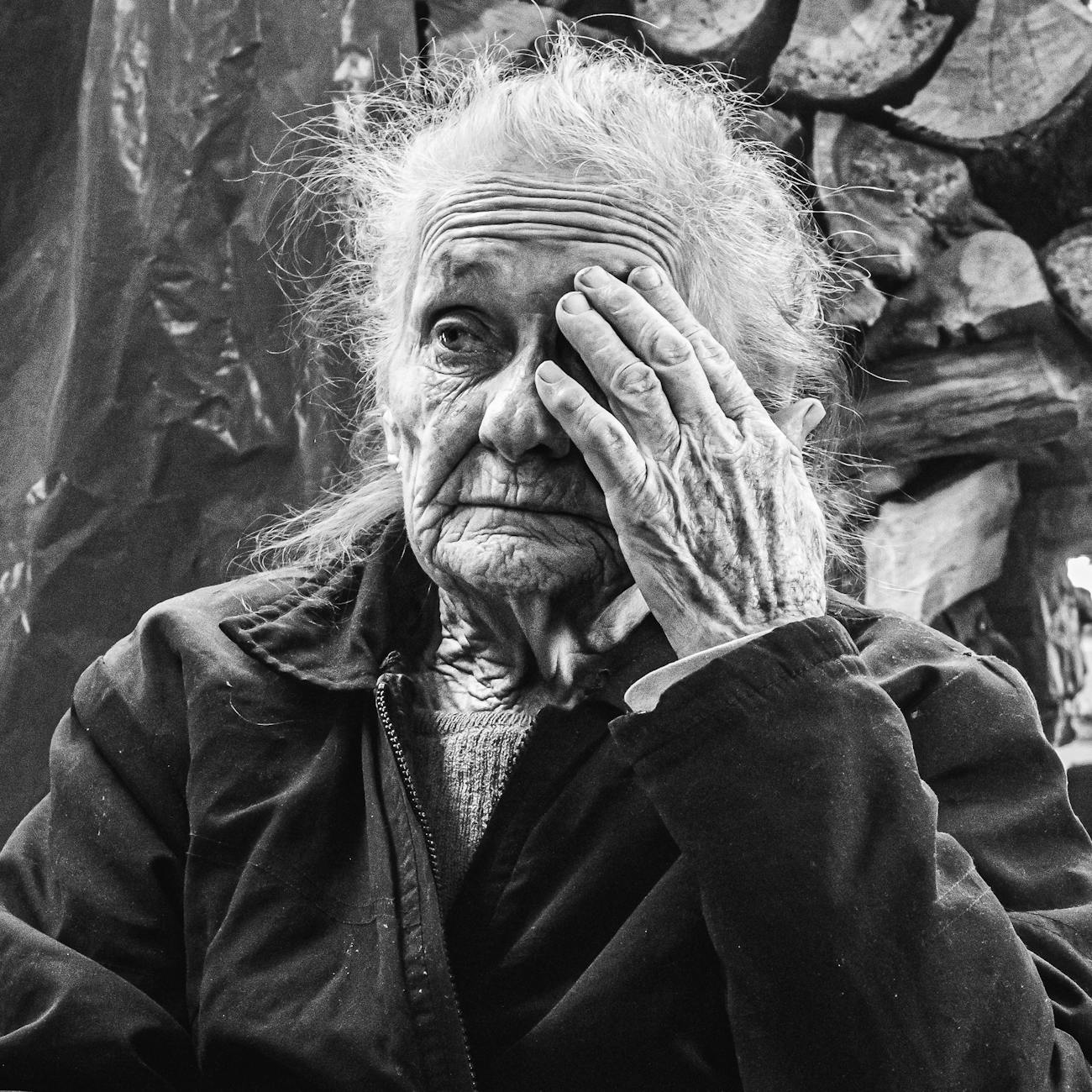
Advanced Drawing Techniques: In the course Masterclass Certificate in Painting and Drawing for Elderly Care, students will delve into advanced drawing techniques that go beyond the basics. These techniques are designed to challenge and inspire artists to push their boundaries and create more complex and detailed works of art. Let's explore some key terms and vocabulary related to advanced drawing techniques.
1. Composition: Composition refers to how the elements of a drawing are arranged within the frame. It involves the placement of objects, shapes, colors, and textures to create a visually pleasing and harmonious image. A strong composition can draw the viewer's eye into the artwork and guide them through the piece.
Example: In a landscape drawing, the artist may use the rule of thirds to place the horizon line or focal point off-center for a more dynamic composition.
2. Perspective: Perspective is the technique used to create the illusion of depth and three-dimensionality in a drawing. There are several types of perspective, including one-point, two-point, and three-point perspective, each providing a different way to represent space and form on a two-dimensional surface.
Example: In a drawing of a cityscape, the artist may use linear perspective to show buildings receding into the distance, creating a sense of depth.
3. Value: Value refers to the lightness or darkness of tones in a drawing. It is crucial for creating contrast, form, and depth in an artwork. Artists use a range of values to add dimension and realism to their drawings.
Example: A still life drawing may include a variety of values, from dark shadows to bright highlights, to create the illusion of volume and shape.
4. Texture: Texture is the surface quality of an object in a drawing. Artists use various techniques, such as hatching, cross-hatching, stippling, and blending, to create different textures in their work. Texture adds visual interest and depth to a drawing.
Example: In a portrait drawing, the artist may use cross-hatching to create the texture of hair, giving it a realistic appearance.
5. Line Variation: Line variation involves using different types of lines, such as thick, thin, curved, or straight, to add interest and emphasis to a drawing. Artists can vary the weight and style of lines to create depth, movement, and expression in their artwork.
Example: A contour drawing of a figure may use varying line weights to show the form and structure of the body, with thicker lines for the outline and thinner lines for the details.
6. Mixed Media: Mixed media refers to the use of more than one medium or material in a drawing. Artists may combine traditional drawing materials like pencil, ink, and charcoal with non-traditional materials such as collage, acrylic paint, or pastels to create unique and expressive works of art.
Example: An artist may create a mixed media drawing by incorporating watercolor washes, ink outlines, and collage elements to add layers of texture and color to their artwork.
7. Negative Space: Negative space is the area around and between objects in a drawing. It plays an essential role in defining shapes, creating balance, and adding visual interest to an artwork. Artists can use negative space to draw attention to the subject and create a sense of unity in their compositions.
Example: In a still life drawing, the artist may focus on the negative space around the objects to highlight their shapes and relationships, creating a dynamic composition.
8. Proportion and Scale: Proportion and scale refer to the size and relationship of objects within a drawing. Artists must accurately depict the proportions of objects relative to each other and the overall scale of the composition to create a realistic and harmonious artwork.
Example: In a figure drawing, the artist must pay attention to the proportions of the body parts, such as the length of the arms compared to the torso, to ensure a lifelike representation.
9. Gesture Drawing: Gesture drawing is a quick and expressive technique used to capture the movement, energy, and essence of a subject. Artists make rapid, loose strokes to convey the gesture or pose of a figure, allowing them to capture the vitality and emotion of the moment.
Example: In a life drawing class, artists may do gesture drawings of a model in short timed intervals to practice capturing the dynamic poses and gestures.
10. Rendering: Rendering is the process of shading, blending, and detailing a drawing to create a realistic representation of form and texture. Artists use various techniques, such as stippling, cross-hatching, and smudging, to render different surfaces and materials in their artwork.
Example: In a still life drawing, the artist may spend time rendering the textures of objects like glass, fabric, or metal to make them look lifelike and tactile.
11. Foreshortening: Foreshortening is a technique used to create the illusion of depth by distorting the proportions of objects that are closer to the viewer. It involves depicting objects in perspective, making them appear shorter or compressed to convey the sense of space and distance.
Example: In a figure drawing, the artist may use foreshortening to show an arm or leg receding into the background, giving the impression of depth and volume.
12. Chiaroscuro: Chiaroscuro is a technique that uses strong contrasts of light and shadow to create a sense of volume and drama in a drawing. Artists use light to highlight forms and dark shadows to add depth and atmosphere to their artwork.
Example: In a portrait drawing, the artist may use chiaroscuro to model the features of the face, emphasizing the light on the forehead and nose while casting deep shadows under the chin and cheeks.
13. Contour Drawing: Contour drawing is a technique that involves drawing the outline or contour of an object without shading or adding internal details. It focuses on capturing the essential shapes and forms of the subject, emphasizing its edges and proportions.
Example: A contour drawing of a landscape may show the outlines of mountains, trees, and buildings, simplifying the scene into basic shapes and lines.
14. Still Life: A still life is a drawing of inanimate objects arranged in a composition. Still life drawings allow artists to explore form, light, texture, and composition without the complexities of depicting living subjects. Artists can use a variety of objects, such as fruit, flowers, or household items, to create engaging and visually compelling artworks.
Example: An artist may set up a still life with a vase of flowers, a bowl of fruit, and a draped fabric to practice capturing the different textures, shapes, and colors in a controlled environment.
15. Abstract Drawing: Abstract drawing is a style of art that does not attempt to represent an accurate depiction of reality. Instead, abstract artists use shapes, colors, lines, and textures to create compositions that are non-representational and open to interpretation. Abstract drawings can convey emotions, ideas, and concepts through visual elements rather than literal representations.
Example: An abstract drawing may use bold geometric shapes, vibrant colors, and gestural marks to convey a sense of energy, movement, or emotion without depicting recognizable objects or scenes.
16. Cross-Hatching: Cross-hatching is a shading technique that involves drawing a series of parallel lines in one direction and then crossing them with another set of parallel lines at an angle. This creates a pattern of crisscrossing lines that can be used to build up values, create textures, and add depth to a drawing.
Example: An artist may use cross-hatching to shade a spherical object, varying the spacing and direction of the lines to create a sense of form and volume.
17. Negative Drawing: Negative drawing is a technique that involves drawing the spaces around and between objects rather than the objects themselves. By focusing on the negative space, artists can create intricate and detailed drawings that highlight the relationships between shapes and forms.
Example: In a negative drawing of a plant, the artist may draw the spaces between the leaves and branches, using the absence of lines to define the shapes and patterns of the plant.
18. Grid Drawing: Grid drawing is a method that uses a grid of lines placed over a reference image to help artists accurately transfer the proportions and details onto their drawing surface. By breaking down the image into smaller sections, artists can more easily reproduce the image with precision and accuracy.
Example: An artist may use a grid drawing technique to enlarge or reduce a photograph or artwork, ensuring that the proportions and composition remain consistent in the final drawing.
19. Color Theory: Color theory is the study of how colors interact, blend, and contrast with each other. It explores the principles of color harmony, temperature, value, and intensity, helping artists create visually pleasing and balanced color palettes in their drawings. Understanding color theory is essential for using color effectively in artworks.
Example: An artist may use a complementary color scheme, such as red and green, to create a dynamic and vibrant drawing with contrasting colors that enhance each other.
20. Expressive Mark-Making: Expressive mark-making is a technique that involves using bold, gestural, and spontaneous marks to convey emotion, movement, and energy in a drawing. Artists can experiment with different tools, such as brushes, pens, or even unconventional materials, to create dynamic and expressive marks that add interest and personality to their artwork.
Example: An artist may use a thick brush loaded with paint to make sweeping, energetic strokes that capture the movement and drama of a scene in a landscape drawing.
These advanced drawing techniques provide artists with the tools and knowledge to create more dynamic, expressive, and engaging artworks. By mastering these techniques and incorporating them into their practice, artists can elevate their drawing skills and produce more sophisticated and impactful artwork.
Advanced Drawing Techniques
Drawing is a fundamental skill in the world of art and a powerful means of expression. Advanced drawing techniques take this skill to new heights, allowing artists to create intricate and detailed works of art. In this section, we will explore key terms and vocabulary related to advanced drawing techniques that are essential for the Masterclass Certificate in Painting and Drawing for Elderly Care.
1. Line Variation
Line variation is the practice of using different types of lines in a drawing to create depth, texture, and interest. By varying the thickness, length, and curvature of lines, artists can add dimension and complexity to their work. For example, using thick, bold lines for the outline of a subject can make it stand out, while thin, delicate lines can be used for subtle details.
2. Cross-Hatching
Cross-hatching is a drawing technique where artists create a series of overlapping lines to build up shading and texture. By varying the direction and density of the lines, artists can achieve a wide range of tones and effects. Cross-hatching is commonly used in pen and ink drawings to add depth and dimension to the artwork.
3. Stippling
Stippling is a technique where artists create shading and texture by using a series of dots. By varying the size, spacing, and density of the dots, artists can achieve subtle gradients and tones. Stippling can be time-consuming but can create beautiful, detailed effects in drawings.
4. Contour Drawing
Contour drawing is a technique where artists create an outline of a subject without lifting their pencil from the paper. This method helps artists develop hand-eye coordination and capture the essence of a subject's form. Contour drawing can be a valuable exercise for improving observational skills and understanding the structure of objects.
5. Gesture Drawing
Gesture drawing is a quick, loose drawing technique that captures the essential movement and energy of a subject. Artists use quick, expressive lines to convey the gesture and pose of a figure or object. Gesture drawing is often used to warm up before more detailed work and can help artists capture the dynamic quality of a subject.
6. Chiaroscuro
Chiaroscuro is an Italian term that refers to the use of strong contrasts between light and dark in a drawing or painting. This technique creates a sense of volume, depth, and drama in the artwork. Artists use chiaroscuro to emphasize form and create a sense of three-dimensionality in their work.
7. Negative Space
Negative space refers to the empty or unoccupied areas around and between objects in a drawing. Paying attention to negative space can help artists create a sense of balance, harmony, and composition in their work. By focusing on the shapes and relationships of negative space, artists can enhance the overall impact of their drawings.
8. Composition
Composition is the arrangement of elements within a drawing to create a cohesive and visually pleasing artwork. Artists consider factors such as balance, symmetry, rhythm, and focal points when composing their drawings. A strong composition can draw the viewer's eye and evoke a specific mood or emotion.
9. Perspective
Perspective is the technique of creating the illusion of depth and space in a two-dimensional drawing. Artists use perspective to represent objects as they appear in three dimensions on a flat surface. There are different types of perspective, such as linear perspective and atmospheric perspective, that artists can use to create realistic and convincing drawings.
10. Foreshortening
Foreshortening is a technique used to create the illusion of depth by depicting objects or figures at an angle. When an object is foreshortened, its dimensions appear compressed or distorted. Artists use foreshortening to create dynamic and realistic drawings that convey a sense of depth and dimension.
11. Texture
Texture refers to the surface quality of an object in a drawing. Artists use various techniques, such as shading, hatching, and stippling, to create the appearance of different textures, such as smooth, rough, or reflective surfaces. Texture adds visual interest and realism to drawings by mimicking the tactile qualities of objects.
12. Sgraffito
Sgraffito is a drawing technique where artists scratch or scrape into a surface to reveal underlying layers of color or texture. This technique can be used in combination with other drawing methods to create unique and expressive effects. Sgraffito adds a tactile and sculptural quality to drawings, making them more dynamic and engaging.
13. Mixed Media
Mixed media is the practice of using a combination of different materials and techniques in a drawing. Artists can experiment with a variety of mediums, such as pencils, ink, charcoal, pastels, and collage, to create diverse and layered artworks. Mixed media allows artists to explore new possibilities and push the boundaries of traditional drawing techniques.
14. Monochromatic
Monochromatic drawings use a single color or hue to create a cohesive and harmonious artwork. Artists can vary the intensity and value of the color to achieve different tones and effects. Monochromatic drawings can be subtle and elegant, emphasizing form and composition without the distraction of multiple colors.
15. Still Life
Still life drawing is the practice of depicting inanimate objects, such as fruits, flowers, or household items, in a composition. Artists use still life drawings to study light, shadow, form, and texture. Still life drawings can be simple or complex, and they provide an opportunity for artists to hone their observational and rendering skills.
16. Portraiture
Portraiture is the art of creating a likeness of a person through drawing or painting. Artists use portraiture to capture the unique features, expressions, and personality of their subjects. Portraits can be realistic or stylized, and they require a keen eye for detail and observation.
17. Figure Drawing
Figure drawing is the practice of depicting the human form in various poses and gestures. Artists study anatomy, proportion, and movement to accurately represent the figure in their drawings. Figure drawing is a challenging but rewarding discipline that helps artists improve their observational skills and understanding of the human body.
18. Abstract Drawing
Abstract drawing is a form of art that does not attempt to represent the physical world accurately. Instead, abstract artists use shapes, colors, lines, and textures to create non-representational or symbolic artworks. Abstract drawing encourages artists to explore their creativity, emotions, and imagination freely.
19. Charcoal Drawing
Charcoal drawing is a versatile and expressive medium that uses charcoal sticks or pencils to create dark, bold lines and rich tonal values. Artists can smudge, blend, and erase charcoal to achieve a wide range of effects. Charcoal drawing is popular for its dramatic and atmospheric qualities, making it ideal for creating expressive and dynamic artworks.
20. Pen and Ink Drawing
Pen and ink drawing is a traditional technique that uses pens, nibs, and ink to create detailed and precise drawings. Artists can vary the line weight, texture, and shading in pen and ink drawings to achieve intricate and expressive results. Pen and ink drawing is valued for its clean lines, fine details, and graphic quality.
21. Pastel Drawing
Pastel drawing is a vibrant and colorful medium that uses soft pastels to create rich, velvety textures and luminous effects. Artists can blend, layer, and smudge pastels to achieve a range of tones and colors. Pastel drawing is popular for its immediacy and versatility, allowing artists to work quickly and achieve bold, expressive results.
22. Watercolor Drawing
Watercolor drawing is a delicate and transparent medium that uses watercolor paints to create luminous washes and subtle effects. Artists can use wet-on-wet, wet-on-dry, and dry brush techniques to achieve different textures and details. Watercolor drawing is prized for its freshness, spontaneity, and ethereal quality.
23. Ink Wash Drawing
Ink wash drawing is a technique that uses diluted ink to create soft, flowing washes of color. Artists can build up layers of ink wash to create depth and volume in their drawings. Ink wash drawing is prized for its expressive and fluid quality, making it ideal for capturing mood and atmosphere in artworks.
24. Pointillism
Pointillism is a drawing technique where artists create images using tiny dots of color. By varying the size, spacing, and color of the dots, artists can achieve a wide range of tones and effects. Pointillism creates vibrant and dynamic artworks that shimmer and vibrate with light.
25. Collage
Collage is a drawing technique that involves cutting and pasting different materials, such as paper, fabric, or photographs, onto a surface to create a composition. Artists can combine various textures, colors, and shapes in collages to create unique and layered artworks. Collage allows artists to experiment with different materials and techniques to push the boundaries of traditional drawing.
26. Grid Drawing
Grid drawing is a method where artists divide a reference image into a grid of squares and then transfer the image onto a larger surface by drawing each square individually. Grid drawing helps artists accurately capture proportions, shapes, and details in their drawings. This technique is useful for beginners and experienced artists alike to improve their observational skills and rendering accuracy.
27. Sighting
Sighting is a technique where artists use a pencil or brush to measure and compare proportions, angles, and distances in a subject. By holding the drawing tool at arm's length and aligning it with specific points on the subject, artists can accurately capture the proportions and perspective in their drawings. Sighting helps artists develop their observational skills and create more realistic and accurate artworks.
28. Layering
Layering is a drawing technique where artists build up multiple layers of color, line, and texture to create depth and complexity in their drawings. By adding and blending different elements in layers, artists can achieve rich and nuanced effects. Layering allows artists to experiment with different materials and techniques to create dynamic and engaging artworks.
29. Negative Drawing
Negative drawing is a technique where artists use the space around an object to define its shape and form. By drawing the negative space or background of a subject, artists can create a sense of volume and depth. Negative drawing helps artists see objects in a new way and improve their understanding of composition and form.
30. Continuous Line Drawing
Continuous line drawing is a technique where artists create a drawing without lifting their pencil from the paper. This method helps artists develop hand-eye coordination and capture the essence of a subject's form in a single, fluid line. Continuous line drawing can be a challenging but rewarding exercise for improving drawing skills and creating expressive artworks.
In conclusion, mastering advanced drawing techniques requires dedication, practice, and a willingness to experiment with different materials and methods. By familiarizing yourself with the key terms and vocabulary in this guide, you can enhance your understanding of drawing and take your skills to the next level. Whether you are interested in realism, abstraction, or mixed media, there are endless possibilities to explore in the world of advanced drawing. Challenge yourself to try new techniques, push your creative boundaries, and create artworks that inspire and delight.
Key takeaways
- Advanced Drawing Techniques: In the course Masterclass Certificate in Painting and Drawing for Elderly Care, students will delve into advanced drawing techniques that go beyond the basics.
- It involves the placement of objects, shapes, colors, and textures to create a visually pleasing and harmonious image.
- Example: In a landscape drawing, the artist may use the rule of thirds to place the horizon line or focal point off-center for a more dynamic composition.
- There are several types of perspective, including one-point, two-point, and three-point perspective, each providing a different way to represent space and form on a two-dimensional surface.
- Example: In a drawing of a cityscape, the artist may use linear perspective to show buildings receding into the distance, creating a sense of depth.
- Artists use a range of values to add dimension and realism to their drawings.
- Example: A still life drawing may include a variety of values, from dark shadows to bright highlights, to create the illusion of volume and shape.