
Mixed Media Art
Mixed Media Art Mixed media art is a form of visual art that combines different mediums and techniques to create a unique piece of artwork. This versatile art form allows artists to experiment with various materials such as paint, collage, …
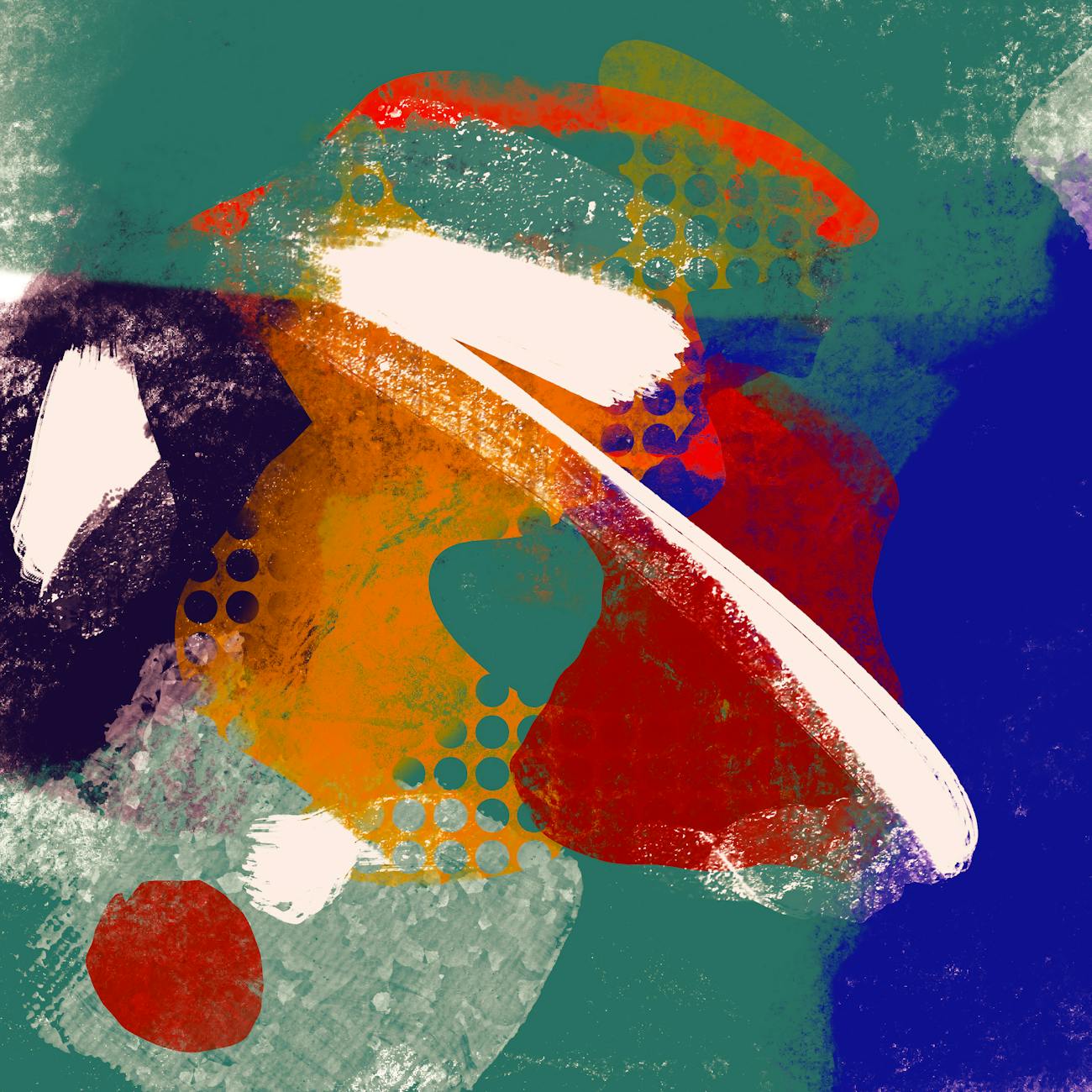
Mixed Media Art Mixed media art is a form of visual art that combines different mediums and techniques to create a unique piece of artwork. This versatile art form allows artists to experiment with various materials such as paint, collage, found objects, and digital elements to create multi-dimensional and textured pieces.
Mixed media art offers endless possibilities for creativity and self-expression, making it a popular choice among artists of all skill levels. This art form encourages artists to think outside the box and push the boundaries of traditional art techniques.
Key Terms and Vocabulary
1. Collage Collage is a technique used in mixed media art where different materials such as paper, fabric, photographs, and other objects are glued onto a surface to create a cohesive composition. Collage allows artists to layer different elements to create depth and texture in their artwork.
Example: An artist might create a collage using old magazine clippings, fabric scraps, and found objects to convey a specific theme or message in their artwork.
2. Found Objects Found objects are everyday items that are repurposed and incorporated into mixed media art. These objects can include anything from buttons and keys to broken jewelry and natural materials like shells and feathers. Found objects add a unique and unexpected element to mixed media artwork.
Example: An artist might collect discarded objects from the beach and incorporate them into their artwork to create a piece that reflects the beauty of nature and the environment.
3. Texture Texture refers to the surface quality of an artwork that can be perceived through touch or sight. In mixed media art, artists often use various techniques and materials to create texture, such as layering paint, adding papers, or using textured gels and pastes. Texture adds visual interest and depth to a piece of artwork.
Example: An artist might use a palette knife to apply thick layers of paint to create a textured surface that mimics the look of impasto in their mixed media piece.
4. Layering Layering is a fundamental technique in mixed media art where artists build up multiple layers of different materials to create depth and complexity in their artwork. By layering materials such as paint, paper, and found objects, artists can achieve visual interest and dimension in their pieces.
Example: An artist might start by painting a background layer, then add collage elements, and finally finish with additional layers of paint or texture to create a cohesive mixed media composition.
5. Gesso Gesso is a primer used in mixed media art to prepare surfaces such as canvas, wood, or paper for painting. Gesso provides a smooth and absorbent surface that helps paint adhere better and prevents it from seeping into the substrate. Artists often use gesso to create a stable foundation for their mixed media artwork.
Example: Before starting a mixed media painting, an artist might apply a layer of gesso to their canvas to ensure that the paint will adhere properly and create a smooth surface for their artwork.
6. Acrylic Mediums Acrylic mediums are additives used in mixed media art to modify the properties of acrylic paint. These mediums come in various forms such as gels, pastes, and varnishes and can be used to create texture, extend drying time, or add gloss to acrylic paintings. Acrylic mediums offer artists a wide range of options for experimenting with different techniques in their artwork.
Example: An artist might mix acrylic gel medium with their paint to create a thick, impasto texture in their mixed media piece, adding depth and visual interest to the composition.
7. Digital Elements Digital elements refer to the use of technology in mixed media art, where artists incorporate digital images, graphics, or effects into their traditional artwork. Digital elements can be added through techniques such as digital printing, image transfers, or digital manipulation to enhance and expand the possibilities of mixed media art.
Example: An artist might combine a hand-painted background with digitally printed images and text to create a mixed media piece that blends traditional and modern techniques in a unique way.
8. Assemblage Assemblage is a form of mixed media art where artists create three-dimensional artworks by assembling found objects and materials into a cohesive composition. Assemblage allows artists to build sculptures, installations, or mixed media collages that explore themes of assemblage and storytelling through the arrangement of objects.
Example: An artist might create an assemblage piece using old toys, metal scraps, and wooden elements to construct a sculpture that reflects memories of childhood and nostalgia in their mixed media artwork.
9. Washes Washes are thin layers of paint or ink applied to a surface to create transparent or translucent effects in mixed media art. Artists use washes to build up color, create gradients, or add subtle texture to their artwork. Washes can be achieved by diluting paint with water or using transparent mediums to achieve desired effects.
Example: An artist might use a watercolor wash to create a soft, ethereal background in their mixed media painting, adding a sense of lightness and fluidity to the composition.
10. Impasto Impasto is a technique in painting where artists apply thick layers of paint to create texture and dimension in their artwork. In mixed media art, artists often use impasto to add tactile qualities to their paintings, emphasizing brushstrokes and creating a three-dimensional effect on the canvas.
Example: An artist might use impasto techniques to build up layers of acrylic paint on their canvas, creating a textured surface that adds depth and visual interest to their mixed media piece.
11. Monoprinting Monoprinting is a printmaking technique used in mixed media art where artists create one-of-a-kind prints by transferring images or designs onto paper or other surfaces. Monoprinting allows artists to experiment with different materials such as ink, paint, and stencils to create unique and unpredictable results in their artwork.
Example: An artist might use a gel plate to create monoprints by rolling out layers of acrylic paint, adding textures, and transferring the image onto paper to produce a series of individual prints in their mixed media project.
12. Stenciling Stenciling is a technique used in mixed media art where artists use pre-cut designs or patterns to apply paint, ink, or other mediums onto a surface. Stencils allow artists to create repeating motifs, add intricate details, or mask off areas in their artwork with precision and control.
Example: An artist might use a stencil to create geometric shapes or floral patterns in their mixed media piece by applying spray paint or acrylic paint through the stencil to create a layered and textured effect on the surface.
Challenges and Opportunities in Mixed Media Art
Mixed media art offers artists a wide range of opportunities to experiment with different techniques, materials, and concepts to create unique and expressive artwork. However, this art form also presents challenges that artists may encounter along the way.
One of the challenges of working in mixed media art is the complexity of combining various materials and techniques cohesively in a single piece. Artists must carefully consider how different elements interact with each other and how to create a harmonious composition that effectively communicates their artistic vision.
Another challenge in mixed media art is the risk of overworking a piece by adding too many layers or elements, which can result in a cluttered or chaotic artwork. Finding a balance between experimentation and restraint is key to creating successful mixed media pieces that engage viewers and convey a clear message.
Despite these challenges, mixed media art provides artists with the opportunity to explore their creativity, push the boundaries of traditional art forms, and express themselves in new and exciting ways. By embracing the versatility and freedom that mixed media art offers, artists can create dynamic and innovative artwork that reflects their unique voice and perspective.
In conclusion, mixed media art is a dynamic and engaging form of visual art that invites artists to explore a wide range of materials, techniques, and concepts to create expressive and compelling artwork. By understanding key terms and vocabulary in mixed media art, artists can enhance their knowledge and skills in this versatile art form and unlock new possibilities for creativity and self-expression.
Key takeaways
- This versatile art form allows artists to experiment with various materials such as paint, collage, found objects, and digital elements to create multi-dimensional and textured pieces.
- Mixed media art offers endless possibilities for creativity and self-expression, making it a popular choice among artists of all skill levels.
- Collage Collage is a technique used in mixed media art where different materials such as paper, fabric, photographs, and other objects are glued onto a surface to create a cohesive composition.
- Example: An artist might create a collage using old magazine clippings, fabric scraps, and found objects to convey a specific theme or message in their artwork.
- These objects can include anything from buttons and keys to broken jewelry and natural materials like shells and feathers.
- Example: An artist might collect discarded objects from the beach and incorporate them into their artwork to create a piece that reflects the beauty of nature and the environment.
- In mixed media art, artists often use various techniques and materials to create texture, such as layering paint, adding papers, or using textured gels and pastes.