
Portrait Drawing
Portrait Drawing: Portrait drawing is the art of representing a person's likeness on paper or another surface through the use of various drawing techniques. It involves capturing the unique features, expressions, and characteristics of an i…
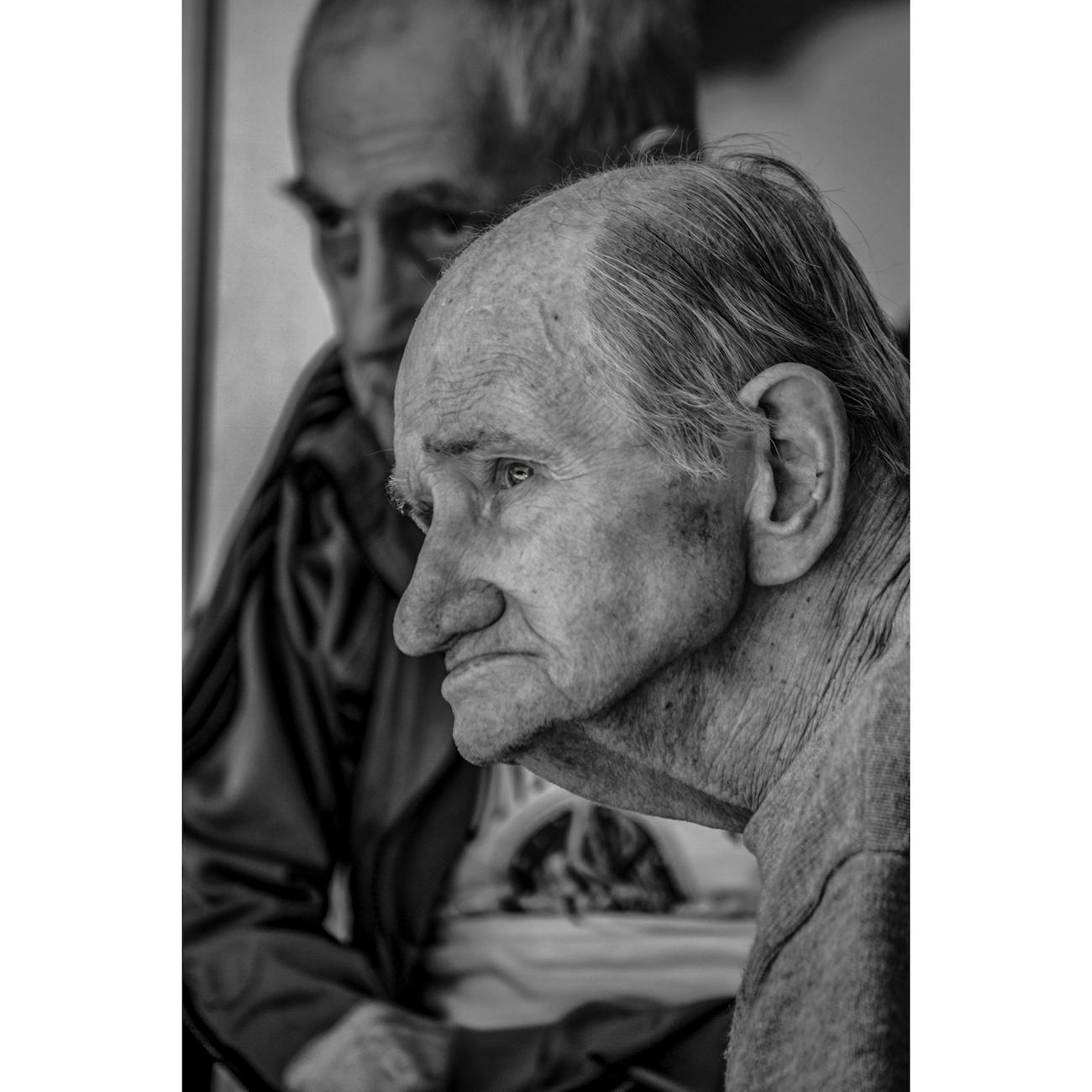
Portrait Drawing: Portrait drawing is the art of representing a person's likeness on paper or another surface through the use of various drawing techniques. It involves capturing the unique features, expressions, and characteristics of an individual to create a realistic or stylized depiction.
Key Terms and Vocabulary:
1. Proportion: Proportion refers to the relative size and scale of various elements within a drawing. In portrait drawing, it is crucial to accurately depict the proportions of facial features such as eyes, nose, mouth, and ears to create a realistic likeness of the subject.
2. Contour: Contour drawing is a technique where the artist outlines the edges of a subject to create a two-dimensional representation. It is essential in portrait drawing to define the contours of the face and features to give the drawing depth and form.
3. Shading: Shading is the technique of using varying degrees of darkness or lightness to create the illusion of depth and volume in a drawing. In portrait drawing, shading is used to define the form of the face, create highlights and shadows, and add realism to the portrait.
4. Proportion Grid: A proportion grid is a tool used by artists to help accurately measure and place facial features in a portrait. It divides the drawing surface into a grid of equal squares, which can be used as a guide to ensure proper proportions and placement of features.
5. Gesture Drawing: Gesture drawing is a quick and loose drawing technique used to capture the movement, energy, and essence of a subject. In portrait drawing, gesture drawing can be used to capture the overall pose and expression of the subject before adding details.
6. Light and Shadow: Light and shadow are essential elements in portrait drawing that help create depth, volume, and form. Understanding how light interacts with the face and features is crucial for creating a realistic and three-dimensional portrait.
7. Charcoal: Charcoal is a popular drawing medium known for its rich, dark tones and versatility. It is commonly used in portrait drawing for creating bold lines, dramatic shading, and expressive marks.
8. Graphite Pencils: Graphite pencils are a staple drawing tool used in portrait drawing for their ability to create precise lines, subtle shading, and fine details. They come in various grades of hardness, ranging from 9H (hardest) to 9B (softest).
9. Eraser: An eraser is a tool used to remove or correct mistakes in a drawing. In portrait drawing, kneaded erasers are often preferred for their ability to lift graphite or charcoal without leaving residue, allowing for precise corrections.
10. Blending Stump: A blending stump is a tool used to smudge and blend different tones in a drawing, creating smooth transitions and soft textures. In portrait drawing, blending stumps can be used to create realistic skin tones and subtle shadows.
11. Portrait Composition: Portrait composition refers to the arrangement of elements within a portrait drawing, including the placement of the subject, background, and other elements. A well-composed portrait draws the viewer's eye to the subject and creates a sense of balance and harmony.
12. Expression: Expression in portrait drawing refers to the portrayal of emotions, mood, and personality through facial features and body language. Capturing the subject's expression is essential for creating a compelling and engaging portrait.
13. Anatomy: Anatomy is the study of the structure and form of the human body. In portrait drawing, a basic understanding of facial anatomy is crucial for accurately depicting features such as muscles, bones, and proportions.
14. Contrast: Contrast in portrait drawing refers to the difference between light and dark areas in a drawing. By using contrast effectively, artists can create depth, drama, and emphasis in their portraits.
15. Foreshortening: Foreshortening is a technique used to create the illusion of depth and perspective in a drawing by depicting objects or body parts as closer or farther away. In portrait drawing, foreshortening can be used to create dynamic poses and realistic proportions.
16. Negative Space: Negative space in drawing refers to the empty or unoccupied areas around the subject. In portrait drawing, paying attention to negative space can help artists create a sense of balance, proportion, and composition in their work.
17. Cross-Hatching: Cross-hatching is a shading technique where lines are drawn in a crisscross pattern to create value and texture. In portrait drawing, cross-hatching can be used to add depth, volume, and dimension to the features of the face.
18. Sighting: Sighting is a technique used by artists to measure and compare proportions, angles, and relationships in a drawing. By using a pencil or thumb as a measuring tool, artists can ensure accuracy and consistency in their portrait drawings.
19. Highlights: Highlights are the brightest areas in a drawing where light is reflected off a surface. In portrait drawing, adding highlights to features such as the forehead, nose, and cheeks can create a sense of luminosity and realism.
20. Monochromatic: Monochromatic refers to a color scheme consisting of variations of a single color. In portrait drawing, using a monochromatic palette can create a cohesive and harmonious look, emphasizing values, form, and texture.
Challenges in Portrait Drawing:
1. Capturing Likeness: One of the biggest challenges in portrait drawing is capturing the likeness of the subject accurately. Artists must pay attention to subtle details such as facial features, expressions, and proportions to create a recognizable portrait.
2. Achieving Realism: Creating a realistic portrait requires a keen understanding of anatomy, light, shadow, and form. Artists must master techniques such as shading, blending, and detailing to achieve a lifelike representation of the subject.
3. Embracing Imperfections: Portraits are meant to capture the essence and character of the subject, which may include imperfections such as wrinkles, scars, or asymmetries. Artists should embrace these imperfections as they add authenticity and uniqueness to the portrait.
4. Experimenting with Style: While realism is a common goal in portrait drawing, artists can also explore different styles, techniques, and interpretations to create expressive and stylized portraits. Experimenting with color, texture, and composition can lead to innovative and captivating results.
5. Overcoming Self-Criticism: Artists often face self-criticism and doubt when working on portraits, especially when striving for perfection. It is essential to embrace mistakes, learn from them, and keep practicing to improve and grow as an artist.
Practical Applications of Portrait Drawing:
1. Personal Portraits: Portrait drawing can be used to create personal portraits of family members, friends, or loved ones as a meaningful and heartfelt gift or keepsake. These portraits capture moments, memories, and relationships in a unique and artistic way.
2. Professional Portraits: Portrait drawing is also widely used in professional settings such as art galleries, museums, and publications. Artists may create portraits of public figures, historical figures, or prominent individuals for display, education, or commemoration.
3. Therapeutic Portraits: Drawing portraits can have therapeutic benefits for both the artist and the subject. Creating portraits can be a form of self-expression, reflection, and healing, while receiving a portrait can be a source of joy, validation, and connection.
4. Memory Keeping: Portrait drawing can serve as a way to preserve memories, stories, and legacies for future generations. Artists can create portraits of ancestors, family members, or events to document and honor the past in a visual and artistic form.
5. Educational Tool: Portrait drawing is a valuable educational tool for studying anatomy, facial expressions, and artistic techniques. It helps artists develop observational skills, hand-eye coordination, and creative problem-solving abilities through hands-on practice and exploration.
Conclusion:
Portrait drawing is a versatile and engaging art form that allows artists to capture the essence, beauty, and complexity of the human face. By mastering key terms and vocabulary, understanding challenges, and exploring practical applications, artists can enhance their skills, creativity, and expression in portrait drawing. Whether creating personal portraits, professional commissions, or therapeutic artworks, portrait drawing offers a rich and rewarding experience for artists of all levels and backgrounds.
Key takeaways
- Portrait Drawing: Portrait drawing is the art of representing a person's likeness on paper or another surface through the use of various drawing techniques.
- In portrait drawing, it is crucial to accurately depict the proportions of facial features such as eyes, nose, mouth, and ears to create a realistic likeness of the subject.
- Contour: Contour drawing is a technique where the artist outlines the edges of a subject to create a two-dimensional representation.
- Shading: Shading is the technique of using varying degrees of darkness or lightness to create the illusion of depth and volume in a drawing.
- It divides the drawing surface into a grid of equal squares, which can be used as a guide to ensure proper proportions and placement of features.
- Gesture Drawing: Gesture drawing is a quick and loose drawing technique used to capture the movement, energy, and essence of a subject.
- Understanding how light interacts with the face and features is crucial for creating a realistic and three-dimensional portrait.