
Outfitting And Commissioning
Expert-defined terms from the Dry Dock Operations course at HealthCareCourses (An LSIB brand). Free to read, free to share, paired with a professional course.
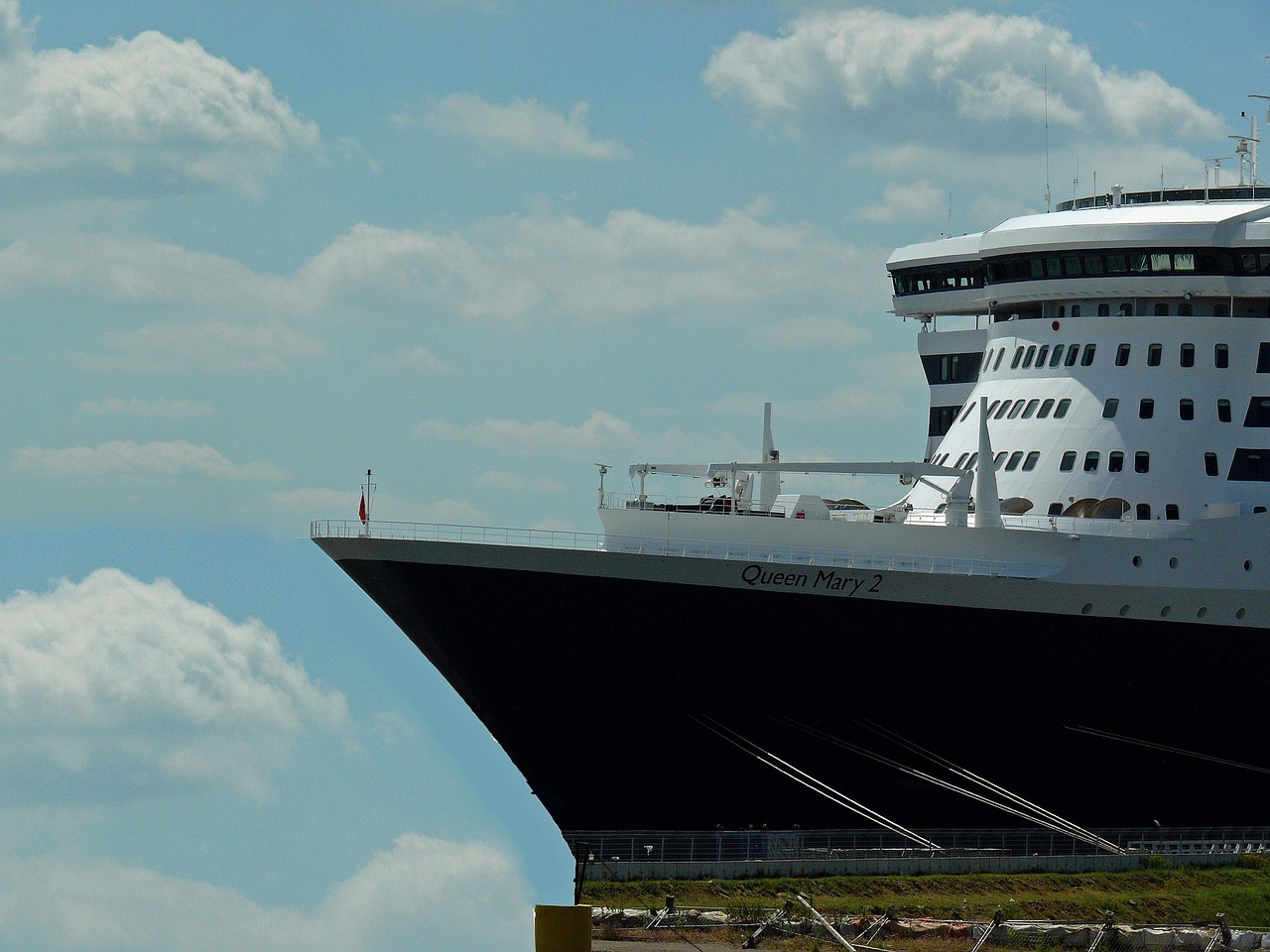
Afloat Repair #
Afloat repair refers to the maintenance and repair of a ship while it is still afloat, either at a dock or at anchor. This type of repair is often necessary for ships that are unable to enter a dry dock due to size or other constraints. Related terms include dry docking and ship repair.
Above Water Survey #
An above water survey is a visual inspection of a ship's hull and superstructure that is performed while the ship is afloat. This type of survey is used to identify any damage or defects that may be present on the ship's hull or superstructure. Related terms include underwater survey and hull inspection.
Accommodation Ladder #
An accommodation ladder is a type of ladder that is used to provide access to a ship from the dock or pier. This type of ladder is typically used for ships that are in dry dock or are undergoing repair. Related terms include gangway and ship access.
Approval Certificates #
Approval certificates are documents that are issued by a classification society or other regulatory body to indicate that a ship has met certain safety and regulatory standards. These certificates are often required for ships to operate legally. Related terms include classification society and regulatory compliance.
Asbestos Removal #
Asbestos removal refers to the process of removing asbestos-containing materials from a ship. Asbestos was commonly used in shipbuilding in the past, but it is now known to be a hazardous material. Related terms include asbestos abatement and hazardous material removal.
Availability #
Availability refers to the amount of time that a ship is available for operation or use. This can be affected by factors such as maintenance, repair, and dry docking. Related terms include operational availability and ship availability.
Ballast Tanks #
Ballast tanks are compartments on a ship that are used to hold water or other ballast materials. These tanks are used to stabilize the ship and maintain its balance. Related terms include ballast system and stability.
Berth #
A berth is a designated location where a ship can dock or moor. This can be a pier, dock, or other type of mooring facility. Related terms include mooring and dockage.
Blocking #
Blocking refers to the process of supporting a ship's hull with blocks or other supports while it is in dry dock. This is done to prevent the ship from sagging or becoming damaged. Related terms include shoring and ship support.
Blowdown #
Blowdown refers to the process of draining or blowing down a ship's systems, such as the ballast tanks or fuel tanks. This is often done to prepare the ship for dry docking or repair. Related terms include drainage and system purging.
Bollard #
A bollard is a post or pillar that is used to secure a ship to the dock or pier. Bollards are typically made of steel or other durable materials. Related terms include mooring line and ship securing.
Caulking #
Caulking refers to the process of sealing or filling gaps or joints on a ship's hull or superstructure. This is often done to prevent water or air leaks. Related terms include sealing and leak prevention.
Certification #
Certification refers to the process of obtaining or issuing a certificate or other document that indicates a ship has met certain safety or regulatory standards. Related terms include approval certificates and regulatory compliance.
Classification Society #
A classification society is an organization that sets and enforces standards for ship design, construction, and operation. These societies also issue certificates and other documents to indicate a ship's compliance with these standards. Related terms include regulatory compliance and ship classification.
Coating #
Coating refers to the process of applying a protective layer or material to a ship's hull or superstructure. This is often done to prevent corrosion or damage. Related terms include painting and protective coating.
Commissioning #
Commissioning refers to the process of preparing a ship for operation or use after it has been built, repaired, or modified. This can include testing and inspecting the ship's systems and equipment. Related terms include outfitting and ship delivery.
Condition Survey #
A condition survey is a detailed inspection of a ship's hull, superstructure, and systems to identify any damage or defects. This type of survey is often used to determine the ship's condition and any necessary repairs. Related terms include damage assessment and ship inspection.
Corrosion Protection #
Corrosion protection refers to the methods or materials used to prevent or mitigate corrosion on a ship's hull or superstructure. This can include coatings, cathodic protection, or other techniques. Related terms include corrosion control and protective coating.
Crane #
A crane is a type of equipment used to lift or move heavy loads, such as ships or ship components. Cranes are often used in shipyards or dry docks. Related terms include hoisting and load handling.
Crew Accommodation #
Crew accommodation refers to the living quarters or facilities provided for a ship's crew. This can include cabins, galley, and other amenities. Related terms include crew facilities and ship accommodation.
Damage Assessment #
Damage assessment refers to the process of evaluating or inspecting a ship to determine the extent of any damage or defects. This can be done after an accident, incident, or other event. Related terms include condition survey and ship inspection.
Deck Machinery #
Deck machinery refers to the equipment or systems used on a ship's deck, such as winches, cranes, or other handling equipment. Related terms include deck equipment and ship handling.
Defect Report #
A defect report is a document that outlines any defects or damage found on a ship during an inspection or survey. This report is often used to identify necessary repairs or maintenance. Related terms include condition survey and ship inspection.
Docking #
Docking refers to the process of placing a ship in a dry dock or other docking facility for repair, maintenance, or other work. Related terms include dry docking and ship repair.
Docking Plan #
A docking plan is a detailed plan or schedule for a ship's docking or dry docking. This plan outlines the work to be done, the timeline, and other important details. Related terms include dry docking schedule and ship repair plan.
Dry Dock #
A dry dock is a type of docking facility that allows a ship to be lifted out of the water for repair, maintenance, or other work. Dry docks are often used for major repairs or overhauls. Related terms include wet dock and ship repair.
Dry Docking #
Dry docking refers to the process of placing a ship in a dry dock for repair, maintenance, or other work. This can include hull repairs, painting, or other tasks. Related terms include dry dock and ship repair.
Electrical Systems #
Electrical systems refer to the electrical equipment, wiring, and other components used on a ship to provide power and lighting. Related terms include electrical distribution and ship electrification.
Fire Protection #
Fire protection refers to the methods or systems used to prevent or mitigate fires on a ship. This can include fire suppression systems, fire-resistant materials, or other techniques. Related terms include fire safety and ship protection.
Fuel Tanks #
Fuel tanks are compartments on a ship that are used to store fuel or other liquids. These tanks are often located in the ship's hull or superstructure. Related terms include fuel system and ship fueling.
Gangway #
A gangway is a type of ramp or ladder used to provide access to a ship from the dock or pier. Gangways are often used for crew or passenger access. Related terms include accommodation ladder and ship access.
Hull #
The hull is the main structure of a ship, including the bottom, sides, and deck. The hull provides buoyancy and support for the ship. Related terms include hull design and ship structure.
Hull Inspection #
A hull inspection is a visual examination of a ship's hull to identify any damage or defects. This can be done while the ship is afloat or in dry dock. Related terms include above water survey and ship inspection.
Inclining Test #
An inclining test is a type of test used to determine a ship's stability and balance. This test involves measuring the ship's angle of inclination and other factors. Related terms include stability test and ship stability.
Inspection #
An inspection is a visual examination of a ship or its components to identify any damage or defects. Inspections can be done while the ship is afloat or in dry dock. Related terms include condition survey and ship inspection.
Insurance Survey #
An insurance survey is a type of survey used to determine a ship's value and condition for insurance purposes. This survey is often used to assess the risk of insuring a ship. Related terms include condition survey and ship valuation.
Life Saving Appliances #
Life saving appliances refer to the equipment or devices used on a ship to save lives in emergency situations, such as lifeboats, life rafts, or emergency beacons. Related terms include life saving equipment and ship safety.
Load Line #
A load line is a marking on a ship's hull that indicates the maximum allowable draft or loading capacity. Load lines are used to ensure the ship is not overloaded. Related terms include draft mark and ship loading.
Maintenance #
Maintenance refers to the routine or scheduled work done to keep a ship in good condition and ensure its continued operation. This can include tasks such as cleaning, painting, or replacing parts. Related terms include repair and ship upkeep.
Marine Survey #
A marine survey is a type of inspection or examination of a ship to determine its condition, value, or other factors. Marine surveys can be used for insurance, purchase, or other purposes. Related terms include ship inspection and condition survey.
Mooring #
Mooring refers to the process of securing a ship to a dock, pier, or other mooring facility. Mooring lines or other equipment are used to hold the ship in place. Related terms include berthing and ship securing.
Outfitting #
Outfitting refers to the process of installing or equipping a ship with the necessary systems, equipment, or components for operation or use. This can include tasks such as installing electrical or plumbing systems. Related terms include commissioning and ship delivery.
Painting #
Painting refers to the process of applying a protective or decorative coating to a ship's hull or superstructure. Painting can help prevent corrosion or damage. Related terms include coating and protective coating.
Pier #
A pier is a type of structure that extends into the water, used for docking or mooring ships. Piers can be used for cargo handling, passenger embarkation, or other purposes. Related terms include dock and mooring facility.
Piping Systems #
Piping systems refer to the network of pipes, valves, and other components used on a ship to distribute fluids, such as fuel, water, or air. Related terms include plumbing and ship systems.
Plumbing #
Plumbing refers to the system of pipes, fittings, and other components used on a ship to distribute water, air, or other fluids. Related terms include piping systems and ship systems.
Pre #
Docking Survey: A pre-docking survey is a type of inspection or survey done before a ship enters dry dock. This survey is used to identify any necessary repairs or maintenance. Related terms include condition survey and ship inspection.
Propulsion Systems #
Propulsion systems refer to the equipment or components used on a ship to generate power or thrust, such as engines, propellers, or thrusters. Related terms include engine and ship propulsion.
Protection #
Protection refers to the methods or systems used to prevent or mitigate damage to a ship, such as corrosion protection, fire protection, or other techniques. Related terms include corrosion protection and ship safety.
Refit #
A refit refers to a major overhaul or modernization of a ship, often involving significant repairs, upgrades, or modifications. Related terms include repair and ship modernization.
Repair #
Repair refers to the process of fixing or restoring a ship or its components to good condition. Repairs can be done while the ship is afloat or in dry dock. Related terms include maintenance and ship upkeep.
Safety Equipment #
Safety equipment refers to the devices or systems used on a ship to ensure the safety of crew, passengers, or cargo, such as life rafts, fire extinguishers, or emergency beacons. Related terms include life saving appliances and ship safety.
Ship Delivery #
Ship delivery refers to the process of transferring ownership or possession of a ship from one party to another. This can involve inspections, testing, and other activities. Related terms include commissioning and outfitting.
Ship Inspection #
A ship inspection is a visual examination of a ship to identify any damage or defects. Inspections can be done while the ship is afloat or in dry dock. Related terms include condition survey and ship survey.
Ship Repair #
Ship repair refers to the process of fixing or restoring a ship or its components to good condition. Repairs can be done while the ship is afloat or in dry dock. Related terms include maintenance and ship upkeep.
Shipyard #
A shipyard is a facility where ships are built, repaired, or maintained. Shipyards can include dry docks, piers, and other equipment or facilities. Related terms include dry dock and ship repair facility.
Shoring #
Shoring refers to the process of supporting a ship's hull with blocks or other supports while it is in dry dock. This is done to prevent the ship from sagging or becoming damaged. Related terms include blocking and ship support.
Steelwork #
Steelwork refers to the fabrication or installation of steel components or structures on a ship, such as hull plating, beams, or other framing. Related terms include welding and ship construction.
Superstructure #
The superstructure is the part of a ship that is above the main deck, including the bridge, accommodations, and other components. Related terms include hull and ship structure.
Survey #
A survey is a type of inspection or examination of a ship to determine its condition, value, or other factors. Surveys can be used for insurance, purchase, or other purposes. Related terms include condition survey and ship inspection.
Tank Testing #
Tank testing refers to the process of testing or inspecting a ship's tanks, such as fuel tanks or ballast tanks, to ensure they are in good condition. Related terms include tank inspection and ship testing.
Tender #
A tender is a type of small boat or vessel used to transport people or goods to or from a ship. Tenders can be used for crew or passenger transfer. Related terms include ship's boat and crew transfer.
Underwater Survey #
An underwater survey is a type of inspection or examination of a ship's hull or other underwater components while it is afloat. This type of survey is used to identify any damage or defects. Related terms include above water survey and hull inspection.
Valve #
A valve is a type of device used to control the flow of fluids, such as water or air, on a ship. Valves can be used in piping systems, engines, or other equipment. Related terms include piping systems and ship systems.
Welding #
Welding refers to the process of joining or attaching metal components or structures on a ship using heat or other techniques. Related terms include steelwork and ship construction.
Winch #
A winch is a type of device used to lift or move heavy loads, such as anchors or cargo, on a ship. Winches can be powered by electricity, hydraulic, or other means. Related terms include deck machinery and ship handling.
Yard Period #
A yard period refers to the time a ship spends in a shipyard or dry dock for repair, maintenance, or other work. This can include tasks such as hull repairs, painting, or other tasks. Related terms include dry docking and ship repair.