
Dock Preparation And Planning
Expert-defined terms from the Dry Dock Operations course at HealthCareCourses (An LSIB brand). Free to read, free to share, paired with a professional course.
Afloat Repair #
Refers to the process of repairing a ship while it is still afloat, as opposed to dry docking, where the ship is lifted out of the water. This method is often used for minor repairs or maintenance tasks that do not require the ship to be in a dry dock. Related terms: dry docking, repair, maintenance.
Above Water Survey #
An inspection of a ship's hull and superstructure that is visible above the waterline. This type of survey is typically conducted while the ship is afloat and is used to identify any damage or corrosion that may be present. Related terms: Survey, inspection, hull.
Accommodation Ladder #
A stairway or ladder that provides access to a ship from the dock or pier. This is an essential piece of equipment for safety and convenience during dock operations. Related terms: Access, safety, dock.
Admeasure #
The process of measuring a ship's dimensions and tonnage to determine its size and capacity. This information is used for a variety of purposes, including registration and taxation. Related terms: Measurement, tonnage, capacity.
Afloat #
A ship that is floating in the water, as opposed to being in dry dock. Ships that are afloat can be repaired or maintained using afloat repair techniques. Related terms: dry dock, repair, maintenance.
Ballast #
Weight added to a ship to stabilize it and improve its stability. Ballast can be in the form of water, steel, or other heavy materials. Related terms: stability, weight, ship.
Ballast Tank #
A compartment on a ship that is used to hold ballast water. Ballast tanks are used to control the ship's stability and buoyancy. Related terms: compartment, ballast, stability.
Berth #
A location where a ship is moored or docked. Berths can be in a port or harbor and are used for a variety of purposes, including loading and unloading cargo. Related terms: location, port, harbor.
Block #
A wooden or metal device used to support a ship in a dry dock. Blocks are used to keep the ship stable and level during the docking process. Related terms: support, metal, dry dock.
Bottom #
The lowest part of a ship's hull, which is in contact with the water. The bottom of a ship is subject to corrosion and damage from marine life. Related terms: hull, water, corrosion.
Caisson #
A waterproof chamber that is used to enclose a dry dock. Caissons are used to allow ships to be repaired or maintained in a dry environment. Related terms: waterproof, enclose, dry dock.
Cargo #
goods or materials that are being transported on a ship. Cargo can include a wide range of items, such as containers, vehicles, and bulk goods. Related terms: goods, materials, transport.
Cathodic Protection #
A method of protecting a ship's hull from corrosion by using an electric current. Cathodic protection is used to prevent corrosion and extend the life of the ship. Related terms: method, corrosion, protection.
Certificate of Inspection #
A document that is issued after a ship has passed a safety inspection. This certificate is used to verify that the ship is seaworthy and meets all safety regulations. Related terms: document, safety, seaworthy.
Certificate of Survey #
A document that is issued after a ship has been inspected and surveyed. This certificate is used to verify the ship's condition and value. Related terms: document, inspected, surveyed.
Chain Locker #
A compartment on a ship where the anchor chain is stored. Chain lockers are used to protect the chain and prevent damage. Related terms: compartment, anchor, protect.
Classification Society #
An organization that sets standards for ship safety and design. Classification societies are used to verify that ships meet all safety and regulatory requirements. Related terms: organization, standards, safety.
Coating #
A layer of material that is applied to a ship's hull to protect it from corrosion. Coatings can include paint, varnish, and other materials. Related terms: layer, protect, corrosion.
Compartment #
A section of a ship that is separated from other areas by watertight bulkheads. Compartments are used to prevent flood damage and stabilize the ship. Related terms: section, separated, watertight.
Condition Survey #
An inspection of a ship to determine its condition and value. Condition surveys are used to identify any damage or defects that may be present. Related terms: inspection, condition, value.
Controlled Atmosphere #
A system that is used to control the atmosphere in a dry dock. Controlled atmospheres are used to prevent corrosion and damage to ships. Related terms: system, control, atmosphere.
Crane #
A machine that is used to lift and move heavy objects, such as ships or equipment. Cranes are used in a variety of applications, including shipbuilding and repair. Related terms: machine, lift, move.
Damage Control #
The process of preventing or mitigating damage to a ship. Damage control includes a variety of techniques and strategies to minimize loss and repair costs. Related terms: process, preventing, mitigating.
Deadweight #
The weight of a ship's payload, including cargo, fuel, and stores. Deadweight is used to determine a ship's capacity and performance. Related terms: weight, payload, capacity.
Dock #
A structure that is used to support a ship during repair or maintenance operations. Docks can be wet or dry, depending on the type of operation being performed. Related terms: structure, support, repair.
Docking Plan #
A document that outlines the procedure for docking a ship. Docking plans include information on safety precautions, equipment requirements, and personnel responsibilities. Related terms: document, procedure, safety.
Dockmaster #
The person in charge of a dock or shipyard. The dockmaster is responsible for overseeing all operations and maintenance activities. Related terms: person, shipyard, overseeing.
Draft #
The depth of a ship's hull below the waterline. Draft is used to determine a ship's stability and buoyancy. Related terms: depth, waterline, stability.
Dry Dock #
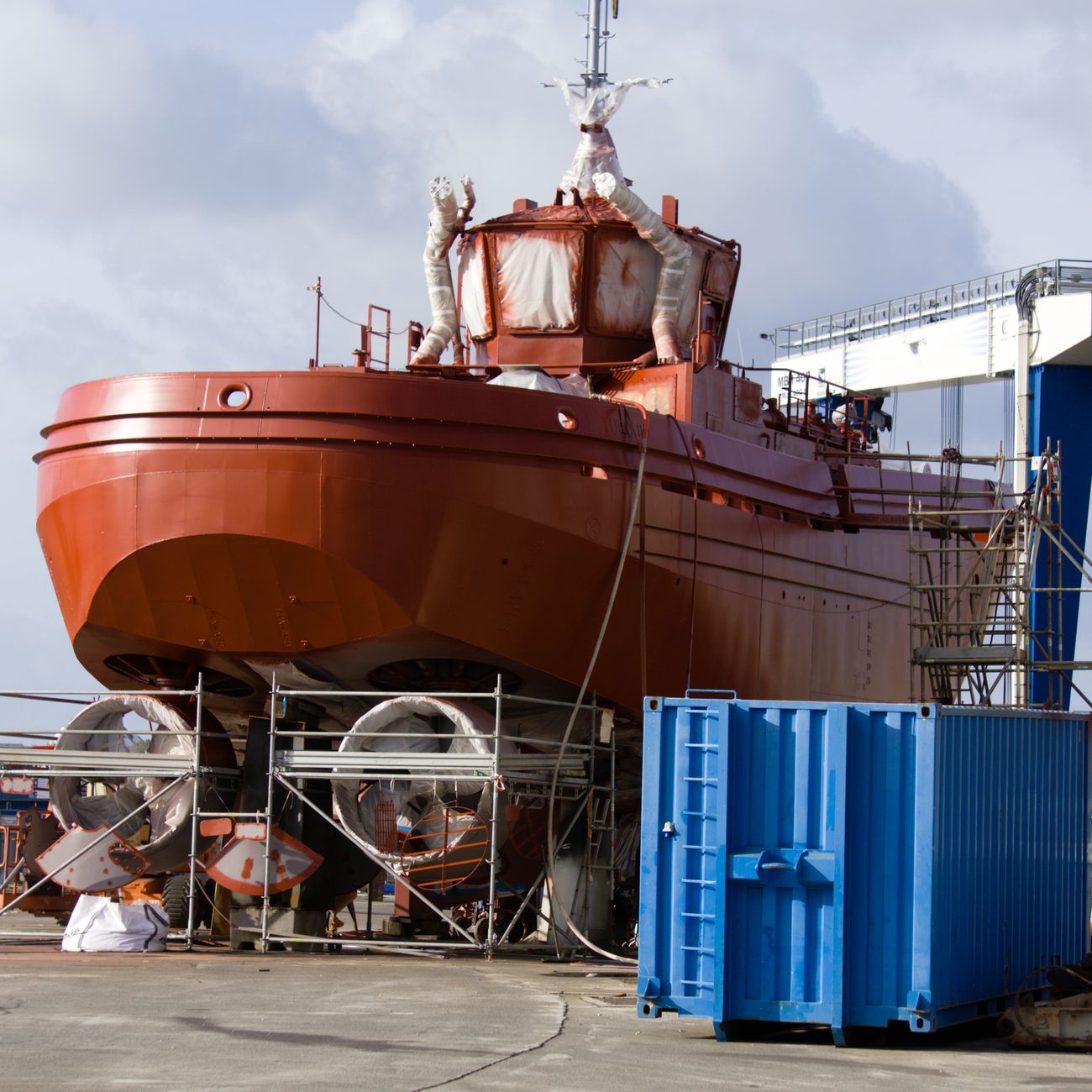
A structure that is used to support a ship out of the water. Dry docks are used for repair and maintenance operations that cannot be performed while the ship is afloat.
Dry Docking #
The process of placing a ship in a dry dock for repair or maintenance. Dry docking includes a variety of activities, such as inspection, repair, and painting. Related terms: process, repair, maintenance.
Echo Sounding #
A method of measuring the depth of water using sonar technology. Echo sounding is used to determine the depth of water in a harbor or channel. Related terms: method, depth, sonar.
Fairing #
The process of smoothing out a ship's hull to reduce drag and improve performance. Fairing includes a variety of techniques, such as sanding and painting. Related terms: process, smoothing, drag.
Fender #
A device that is used to cushion the impact between a ship and a dock or other object. Fenders are used to prevent damage and reduce wear and tear. Related terms: device, cushion, prevent.
Floating Dry Dock #
A type of dry dock that can be floated to allow ships to be repaired or maintained in a dry environment. Floating dry docks are used in a variety of applications, including shipbuilding and repair. Related terms: type, floated, dry dock.
Freeboard #
The distance between a ship's deck and the waterline. Freeboard is used to determine a ship's stability and buoyancy. Related terms: distance, deck, waterline.
Gantry #
A structure that is used to support a crane or other equipment. Gantry cranes are used in a variety of applications, including shipbuilding and repair. Related terms: structure, support, crane.
Hatch #
An opening in a ship's deck that provides access to a compartment or hold. Hatches are used to load and unload cargo, as well as to provide access for maintenance and repair. Related terms: opening, deck, compartment.
Hydrostatics #
The study of the behavior of fluids, such as water, in relation to a ship's hull and stability. Hydrostatics is used to determine a ship's buoyancy and stability. Related terms: study, behavior, fluids.
Inclining Experiment #
A test that is used to determine a ship's stability and buoyancy. Inclining experiments involve tilting the ship to one side and measuring its response. Related terms: test, stability, buoyancy.
Keel #
The bottom of a ship's hull, which runs along the centerline of the ship. The keel is the main structural component of a ship's hull. Related terms: bottom, centerline, hull.
Keel Block #
A device that is used to support a ship's keel in a dry dock. Keel blocks are used to prevent damage to the keel and stabilize the ship. Related terms: device, support, keel.
Lightship #
A ship that is used as a reference point for navigation. Lightships are equipped with lights and other navigational aids to help guide ships through harbors and channels. Related terms: ship, reference, navigation.
Load Line #
A mark on a ship's hull that indicates the maximum load that the ship can carry. Load lines are used to prevent overloading and ensure the ship's safety. Related terms: mark, maximum, load.
Marine Growth #
The accumulation of marine life, such as barnacles and coral, on a ship's hull. Marine growth can cause drag and reduce a ship's performance. Related terms: accumulation, barnacles, coral.
Mooring #
The process of securing a ship to a dock or other object using ropes or chains. Mooring is used to prevent the ship from moving or drifting. Related terms: process, securing, ropes.
Outfitting #
The process of installing equipment and systems on a ship. Outfitting includes a variety of activities, such as installation of engines and electrical systems. Related terms: process, equipment, installation.
Painting #
The process of applying a coat of paint to a ship's hull. Painting is used to protect the hull from corrosion and damage. Related terms: process, coat, paint.
Pier #
A structure that extends out into the water and is used to berth ships. Piers are used for a variety of purposes, including loading and unloading cargo. Related terms: structure, berth, loading.
Pre #
docking Conference: A meeting that is held before a ship is docked to discuss the scope of work and schedule. Pre-docking conferences are used to ensure that all parties are aware of the requirements and responsibilities. Related terms: meeting, scope, schedule.
Quay #
A structure that is used to berth ships and load and unload cargo. Quays are used in a variety of applications, including ports and harbors. Related terms: structure, berth, load.
Refit #
A major repair or overhaul of a ship. Refits are used to extend the life of a ship and improve its performance. Related terms: major, repair, overhaul.
Registration #
The process of registering a ship with a government or other authority. Registration includes a variety of requirements, such as documentation and inspection. Related terms: process, government, authority.
Repair #
The process of fixing or replacing damaged or worn-out parts on a ship. Repair includes a variety of activities, such as welding and painting. Related terms: process, fixing, replacing.
Safety Equipment #
devices or systems that are used to protect people and property from harm. Safety equipment includes a variety of items, such as life jackets and fire extinguishers. Related terms: devices, systems, protect.
Ship Repair #
The process of repairing or maintaining a ship. Ship repair includes a variety of activities, such as inspection, repair, and painting.
Shipyard #
A facility where ships are built or repaired. Shipyards include a variety of equipment and facilities, such as dry docks and cranes. Related terms: facility, built, repaired.
Slipway #
A ramp or incline that is used to launch or recover ships. Slipways are used in a variety of applications, including shipbuilding and repair. Related terms: ramp, incline, launch.
Sounding #
The process of measuring the depth of water using a lead line or other device. Sounding is used to determine the depth of water in a harbor or channel. Related terms: process, depth, lead line.
Stability #
The ability of a ship to resist capsizing or tilting. Stability is affected by a variety of factors, including weight distribution and buoyancy. Related terms: ability, resist, capsizing.
Stevedore #
A person who is responsible for loading and unloading cargo from a ship. Stevedores are used in a variety of applications, including ports and harbors. Related terms: person, loading, unloading.
Survey #
An inspection of a ship to determine its condition and value. Surveys are used to identify any damage or defects that may be present.
Tank #
A compartment on a ship that is used to store liquids or gases. Tanks are used for a variety of purposes, including fuel storage and ballast. Related terms: compartment, liquids, gases.
Tonnage #
A measure of a ship's size or capacity. Tonnage is used to determine a ship's registry and taxation. Related terms: measure, size, capacity.
Towage #
The process of pulling or towing a ship through the water. Towage is used to assist ships that are unable to move under their own power. Related terms: process, towing, assist.
Uplift #
The force exerted on a ship by the water it is floating in. Uplift is used to determine a ship's buoyancy and stability. Related terms: force, water, buoyancy.
Valve #
A device that is used to control the flow of fluids or gases on a ship. Valves are used in a variety of applications, including plumbing and engine systems. Related terms: device, control, fluids.
Vessel #
A ship or boat that is used for transportation or other purposes. Vessels can be manned or unmanned, and can range in size from small boats to large ships. Related terms: ship, boat, transportation.
Waterline #
The line on a ship's hull where the water meets the hull. The waterline is used to determine a ship's draft and stability. Related terms: line, water, hull.
Watertight #
A compartment or structure that is designed to prevent water from entering. Watertight compartments are used to protect ships from flood damage and stabilize the ship. Related terms: compartment, structure, prevent.
Welding #
The process of joining two metal pieces together using heat and pressure. Welding is used in a variety of applications, including shipbuilding and repair. Related terms: process, metal, heat.
Winch #
A machine that is used to lift or move heavy objects, such as anchors or cargo. Winches are used in a variety of applications, including shipbuilding and repair.
Yard #
A facility where ships are built or repaired. Yards include a variety of equipment and facilities, such as dry docks and cranes.