
UV Monitoring and Instrumentation
Welcome to this episode of the Advanced Certificate in UV Safety, brought to you by London School of International Business. Today, we're going to dive into the fascinating world of UV Monitoring and Instrumentation, a crucial aspect of ens…
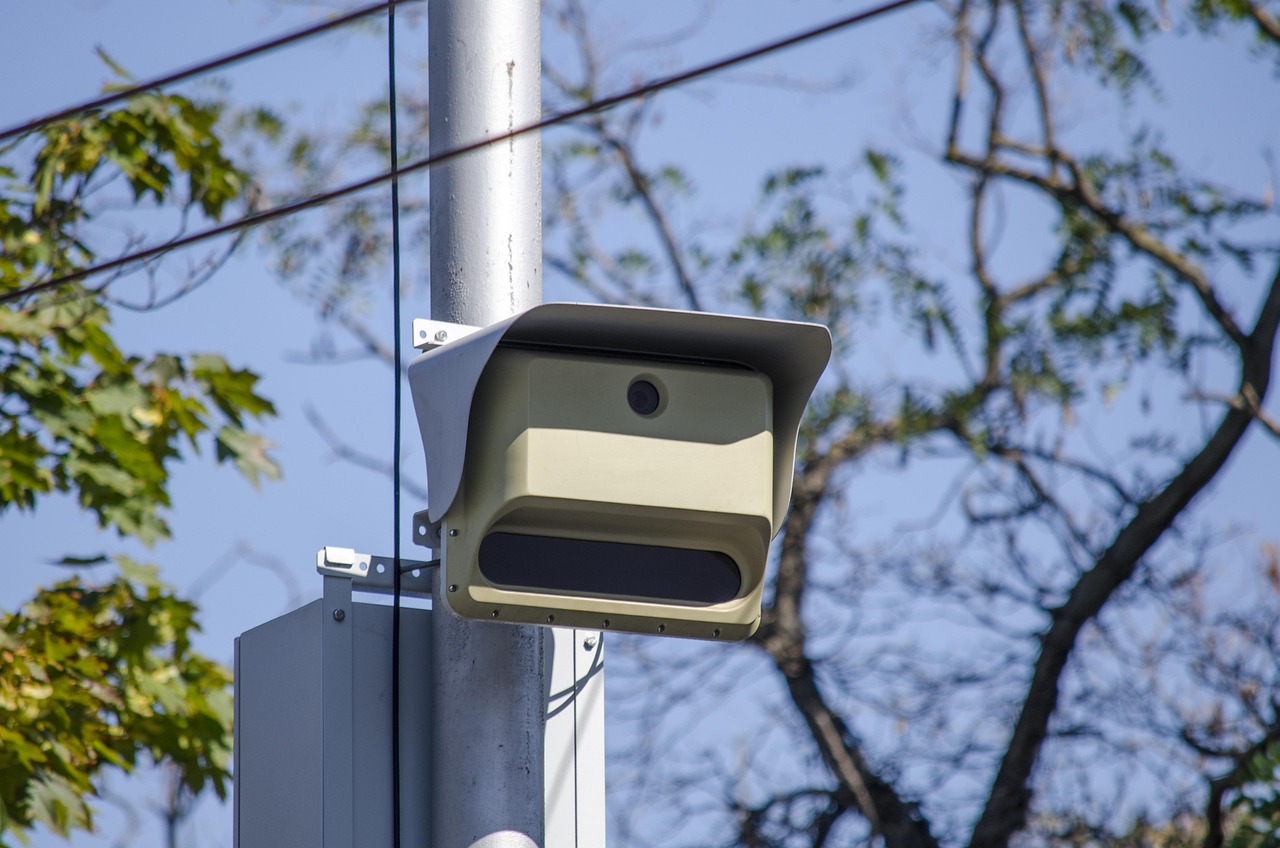
Photo from Pexels
Welcome to this episode of the Advanced Certificate in UV Safety, brought to you by London School of International Business. Today, we're going to dive into the fascinating world of UV Monitoring and Instrumentation, a crucial aspect of ensuring our safety and the safety of those around us. As we explore this topic, you'll discover how it has evolved over time, from its humble beginnings to the sophisticated technologies we have today.
Imagine being able to measure and monitor the invisible forces of ultraviolet radiation that surround us, from the sun's rays to the UV emissions from industrial processes. This is precisely what UV Monitoring and Instrumentation enables us to do, providing us with vital insights into the levels of UV exposure we face in our daily lives. By understanding the importance of this unit, you'll be better equipped to protect yourself, your loved ones, and your community from the potential hazards of UV radiation.
The history of UV Monitoring and Instrumentation dates back to the early 20th century, when scientists first began to study the effects of UV radiation on living organisms. Over the years, our understanding of UV radiation has grown exponentially, and so has the development of technologies to measure and monitor it. From simple UV meters to sophisticated spectrophotometers, the tools at our disposal have become increasingly sophisticated, allowing us to detect even the slightest changes in UV levels.
So, how can you apply this knowledge in your own life or work? Let's say you're a outdoor enthusiast, always on the go, whether it's hiking, biking, or simply enjoying a day at the beach. By using a portable UV meter, you can instantly determine the UV index and take necessary precautions to protect your skin from excessive exposure. Or, if you're an industrial hygienist, responsible for ensuring the safety of workers in a manufacturing plant, you can use UV monitoring instruments to detect potential UV hazards and implement measures to mitigate them.
From simple UV meters to sophisticated spectrophotometers, the tools at our disposal have become increasingly sophisticated, allowing us to detect even the slightest changes in UV levels.
However, there are common pitfalls to avoid when it comes to UV Monitoring and Instrumentation. One of the most significant mistakes is relying solely on visual inspections to determine UV levels. This can be misleading, as UV radiation is invisible to the human eye. Another pitfall is failing to calibrate UV monitoring instruments regularly, which can lead to inaccurate readings and false sense of security. To avoid these pitfalls, it's essential to use multiple measurement methods, including direct reading instruments and laboratory analysis, and to follow a regular maintenance schedule for your equipment.
As we conclude this episode, I want to leave you with an inspiring message: by mastering the art of UV Monitoring and Instrumentation, you're not only protecting yourself and those around you, but also contributing to a broader culture of safety and awareness. Remember, knowledge is power, and the power to create positive change is in your hands. So, take the first step today, and join the community of individuals who are passionate about UV safety.
If you've enjoyed this episode, be sure to subscribe to our podcast, share it with your friends and family, and engage with us on social media. At London School of International Business, we're committed to providing you with the best possible education and resources to help you achieve your goals. Join us on this journey of growth and discovery, and together, let's create a brighter, safer future for all.
Key takeaways
- Today, we're going to dive into the fascinating world of UV Monitoring and Instrumentation, a crucial aspect of ensuring our safety and the safety of those around us.
- Imagine being able to measure and monitor the invisible forces of ultraviolet radiation that surround us, from the sun's rays to the UV emissions from industrial processes.
- From simple UV meters to sophisticated spectrophotometers, the tools at our disposal have become increasingly sophisticated, allowing us to detect even the slightest changes in UV levels.
- Or, if you're an industrial hygienist, responsible for ensuring the safety of workers in a manufacturing plant, you can use UV monitoring instruments to detect potential UV hazards and implement measures to mitigate them.
- To avoid these pitfalls, it's essential to use multiple measurement methods, including direct reading instruments and laboratory analysis, and to follow a regular maintenance schedule for your equipment.
- So, take the first step today, and join the community of individuals who are passionate about UV safety.
- At London School of International Business, we're committed to providing you with the best possible education and resources to help you achieve your goals.