
UV Radiation Fundamentals
Welcome to this episode of the London School of International Business podcast, where we're exploring the fascinating world of UV safety. I'm your host, and I'm excited to dive into the fundamentals of UV radiation, a topic that's not only …
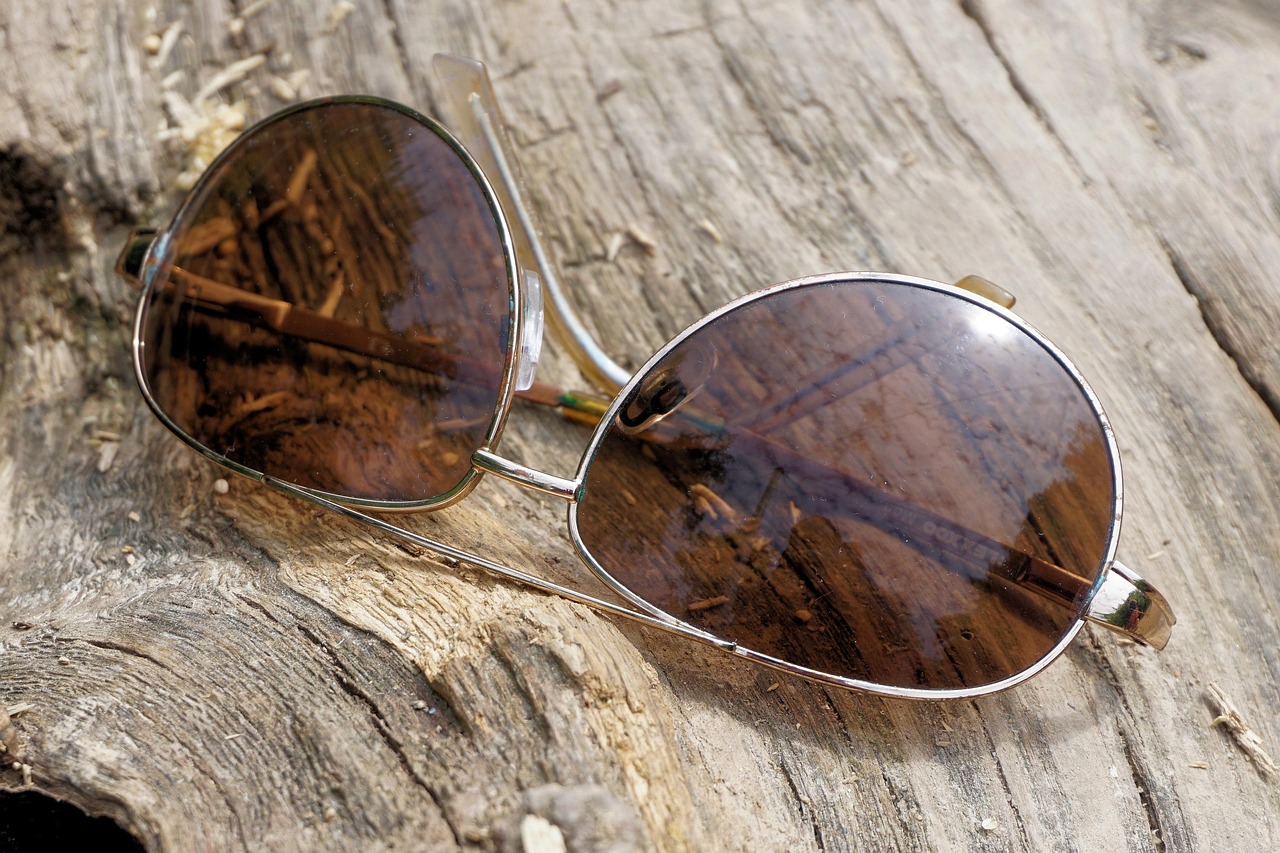
Photo from Pexels
Welcome to this episode of the London School of International Business podcast, where we're exploring the fascinating world of UV safety. I'm your host, and I'm excited to dive into the fundamentals of UV radiation, a topic that's not only crucial for our health but also has a rich history that's worth exploring. You see, the discovery of UV radiation dates back to the early 19th century, when scientists like Johann Ritter first identified the invisible rays that lie beyond the violet end of the visible spectrum. Since then, our understanding of UV radiation has come a long way, and today we know that it's a key player in everything from skin cancer to atmospheric chemistry.
As we delve into the world of UV radiation fundamentals, you'll learn about the different types of UV radiation, including UVA, UVB, and UVC, and how they interact with our skin, eyes, and the environment. You'll also discover the importance of UV radiation in various industries, such as healthcare, cosmetics, and construction. But what makes this topic so relevant to you, our listeners? Well, the truth is that UV radiation affects us all, whether we're spending time outdoors, working with UV-emitting equipment, or simply trying to protect our skin from the sun's harsh rays.
Now, let's talk about some practical applications of UV radiation fundamentals. For instance, have you ever wondered why some sunglasses are better at blocking UV radiation than others? It's because they have special lenses that absorb or reflect UV rays, preventing them from reaching our eyes. Similarly, when it comes to sunscreen, it's not just about slapping on any old lotion – you need to choose one that provides broad-spectrum protection against both UVA and UVB radiation. And if you work with UV-emitting equipment, such as welders or medical professionals, you need to take special precautions to protect your skin and eyes from the harsh radiation.
As we delve into the world of UV radiation fundamentals, you'll learn about the different types of UV radiation, including UVA, UVB, and UVC, and how they interact with our skin, eyes, and the environment.
But here's the thing: despite the importance of UV radiation fundamentals, many of us still make common mistakes that put us at risk. For example, we might assume that a cloudy day means we don't need to wear sunscreen, or that a pair of cheap sunglasses will provide adequate protection. The truth is, UV radiation is sneaky – it can penetrate clouds, glass, and even clothing, causing damage that we might not even notice until it's too late. So, what can you do to avoid these pitfalls? First, always choose a broad-spectrum sunscreen with a high SPF, and apply it generously before heading outdoors. Second, invest in a good pair of UV-blocking sunglasses that wrap around your face to prevent radiation from sneaking in from the sides. And third, be mindful of the time of day and the angle of the sun – if you're going to be outside during peak hours, take extra precautions to protect your skin and eyes.
As we wrap up this episode, I want to leave you with a challenge: take what you've learned today and apply it to your own life. Whether you're an outdoor enthusiast, a healthcare professional, or simply someone who wants to stay safe in the sun, the fundamentals of UV radiation are essential knowledge. So, go ahead and share what you've learned with your friends and family, and don't forget to subscribe to our podcast for more exciting episodes on UV safety and beyond. At the London School of International Business, we're committed to providing you with the knowledge and skills you need to succeed in your career and stay ahead of the curve. Thanks for tuning in, and we'll catch you in the next episode!
Key takeaways
- You see, the discovery of UV radiation dates back to the early 19th century, when scientists like Johann Ritter first identified the invisible rays that lie beyond the violet end of the visible spectrum.
- As we delve into the world of UV radiation fundamentals, you'll learn about the different types of UV radiation, including UVA, UVB, and UVC, and how they interact with our skin, eyes, and the environment.
- Similarly, when it comes to sunscreen, it's not just about slapping on any old lotion – you need to choose one that provides broad-spectrum protection against both UVA and UVB radiation.
- And third, be mindful of the time of day and the angle of the sun – if you're going to be outside during peak hours, take extra precautions to protect your skin and eyes.
- Whether you're an outdoor enthusiast, a healthcare professional, or simply someone who wants to stay safe in the sun, the fundamentals of UV radiation are essential knowledge.