
Laytime And Dispatch
Welcome to this episode of the London School of International Business podcast, where we're exploring the fascinating world of ship chartering and cargo operations. I'm your host, and I'm excited to dive into one of the most critical topics…
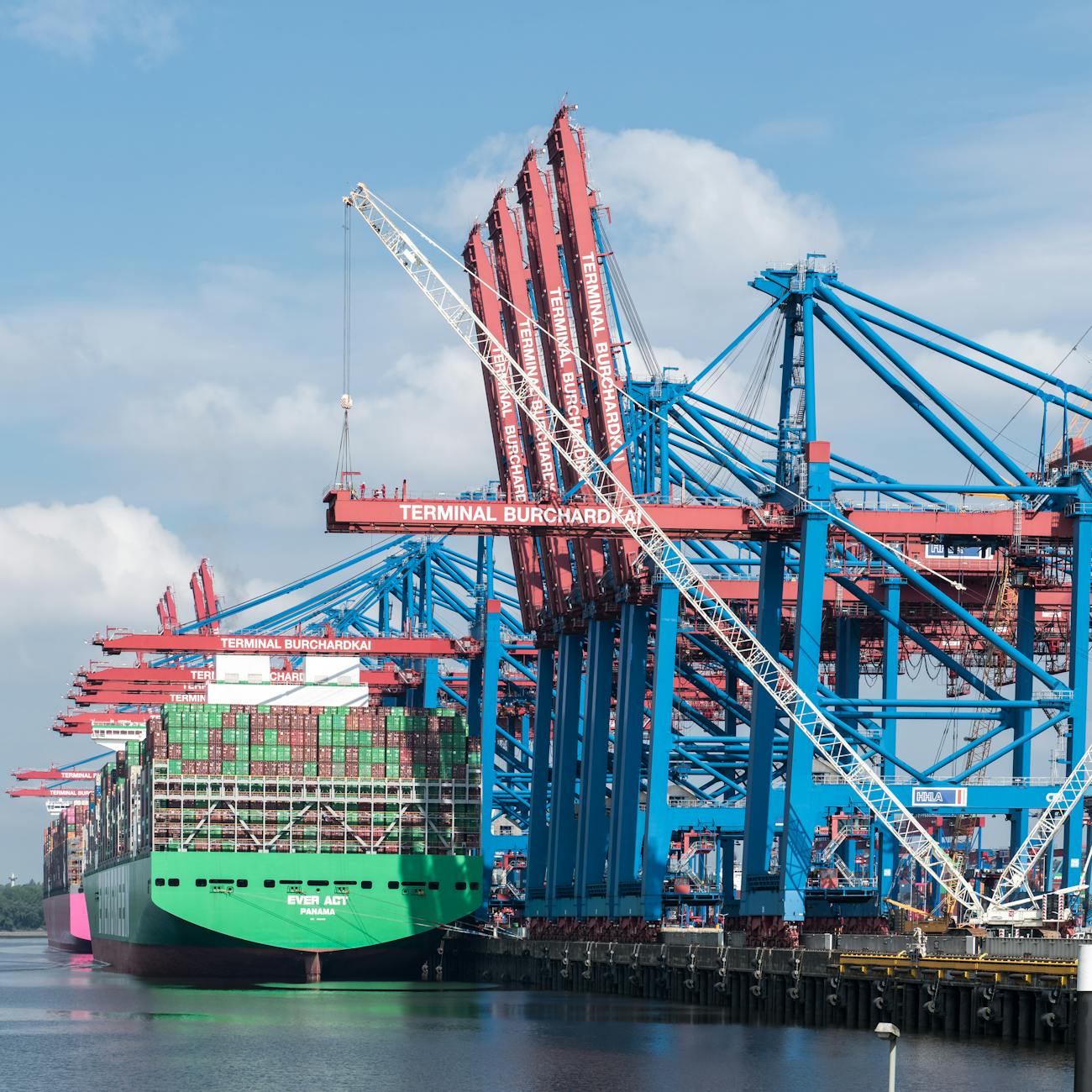
Photo from Pexels
Welcome to this episode of the London School of International Business podcast, where we're exploring the fascinating world of ship chartering and cargo operations. I'm your host, and I'm excited to dive into one of the most critical topics in the industry: Laytime And Dispatch. This unit is a cornerstone of our Global Certificate in Ship Chartering and Cargo Operations, and for good reason. Understanding Laytime And Dispatch is essential for anyone involved in the shipping industry, from charterers to shipowners, and from cargo operators to logistics managers.
To set the stage, let's take a brief look at the history of Laytime And Dispatch. The concept of Laytime has been around for centuries, dating back to the early days of maritime trade. The idea was simple: to establish a fair and reasonable amount of time for a ship to load or unload its cargo. Over time, as the shipping industry evolved, so did the concept of Laytime. Today, Laytime And Dispatch are critical components of any charter party agreement, and their importance cannot be overstated.
So, why are Laytime And Dispatch so crucial? In essence, they determine the amount of time a ship is allowed to spend in port, loading or unloading cargo. This, in turn, affects the ship's overall efficiency, profitability, and even its environmental impact. For charterers, understanding Laytime And Dispatch is vital to ensure that they're not overpaying for demurrage or underutilizing their ships. For shipowners, it's essential to optimize their vessels' performance and minimize downtime.
Now, let's get into the practical applications of Laytime And Dispatch. One of the most effective strategies for managing Laytime is to carefully plan and coordinate cargo operations. This includes working closely with ports, terminals, and other stakeholders to ensure that cargo is handled efficiently and effectively. Another key tactic is to negotiate charter party agreements that accurately reflect the needs and constraints of all parties involved. This might include specifying Laytime provisions, demurrage rates, and dispatch calculations.
But, as with any complex topic, there are common pitfalls to avoid. One of the most significant mistakes is failing to account for unforeseen delays or disruptions. This can lead to costly demurrage claims, damaged relationships, and even reputational harm. To avoid this, it's essential to build flexibility into your Laytime And Dispatch calculations and to maintain open lines of communication with all stakeholders.
For charterers, understanding Laytime And Dispatch is vital to ensure that they're not overpaying for demurrage or underutilizing their ships.
Another common pitfall is neglecting to consider the impact of Laytime And Dispatch on the environment. As the shipping industry continues to face growing pressure to reduce its carbon footprint, optimizing Laytime And Dispatch can play a significant role. By minimizing downtime and reducing unnecessary voyages, shipowners and charterers can lower their emissions and contribute to a more sustainable future.
As we conclude this episode, I want to leave you with an inspiring message. Mastering Laytime And Dispatch is not just about optimizing your shipping operations; it's about gaining a competitive edge in a rapidly evolving industry. By applying the strategies and tactics we've discussed, you'll be better equipped to navigate the complexities of ship chartering and cargo operations. You'll be able to make more informed decisions, build stronger relationships with your stakeholders, and contribute to a more efficient, sustainable, and profitable shipping industry.
So, what's next? We invite you to subscribe to our podcast, where you'll find more episodes exploring the latest topics and trends in international business. Share this episode with your colleagues and friends, and join the conversation on social media using the hashtag #LSIB. At the London School of International Business, we're committed to empowering professionals like you with the knowledge, skills, and expertise to succeed in an ever-changing world. Thanks for tuning in, and we look forward to welcoming you to our next episode.
Key takeaways
- Understanding Laytime And Dispatch is essential for anyone involved in the shipping industry, from charterers to shipowners, and from cargo operators to logistics managers.
- Today, Laytime And Dispatch are critical components of any charter party agreement, and their importance cannot be overstated.
- For charterers, understanding Laytime And Dispatch is vital to ensure that they're not overpaying for demurrage or underutilizing their ships.
- This includes working closely with ports, terminals, and other stakeholders to ensure that cargo is handled efficiently and effectively.
- To avoid this, it's essential to build flexibility into your Laytime And Dispatch calculations and to maintain open lines of communication with all stakeholders.
- By minimizing downtime and reducing unnecessary voyages, shipowners and charterers can lower their emissions and contribute to a more sustainable future.
- You'll be able to make more informed decisions, build stronger relationships with your stakeholders, and contribute to a more efficient, sustainable, and profitable shipping industry.