
Dry Cargo Chartering
Welcome to the Global Certificate in Ship Chartering and Cargo Operations podcast, produced by London School of International Business, or LSIB, where we delve into the fascinating world of shipping and cargo operations. I'm your host, and …
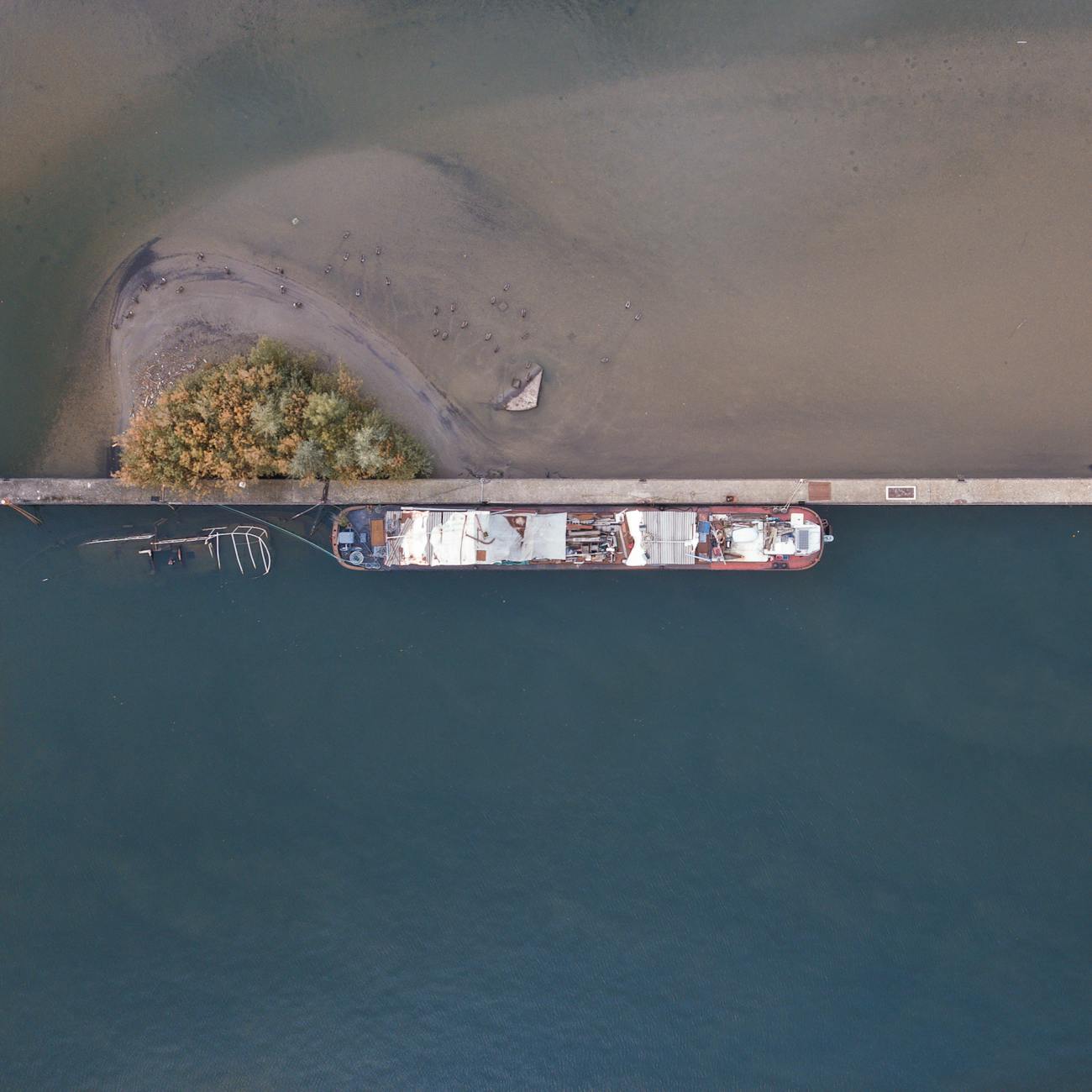
Photo from Pexels
Welcome to the Global Certificate in Ship Chartering and Cargo Operations podcast, produced by London School of International Business, or LSIB, where we delve into the fascinating world of shipping and cargo operations. I'm your host, and I'm excited to share with you the intricacies of Dry Cargo Chartering, a vital component of the shipping industry. As we explore this topic, you'll discover how it has evolved over time, its significance in the global trade landscape, and most importantly, how you can apply the principles of Dry Cargo Chartering in your own career or business.
Imagine a world without the efficient transportation of goods, where commodities like grain, coal, and iron ore can't reach their destinations on time. The consequences would be far-reaching, affecting economies, industries, and ultimately, our daily lives. This is where Dry Cargo Chartering comes in – the process of renting a ship to transport dry bulk cargo from one place to another. It's a complex and highly specialized field that requires a deep understanding of the market, the ships, and the cargo itself.
Let's take a step back in time and look at the history of Dry Cargo Chartering. The shipping industry has been around for centuries, but it wasn't until the Industrial Revolution that the demand for bulk cargo transportation really took off. As trade increased, so did the need for more efficient and cost-effective ways to move goods. This led to the development of specialized ships, like bulk carriers, and the creation of chartering agreements that allowed shipowners and cargo owners to negotiate the terms of transportation.
Fast forward to today, and Dry Cargo Chartering is a multi-billion-dollar industry that plays a critical role in the global supply chain. From the perspective of a cargo owner, chartering a ship can be a daunting task, with many factors to consider, such as the type of cargo, the route, the ship's specifications, and of course, the cost. But with the right knowledge and skills, you can navigate this complex process with confidence. For instance, understanding the different types of charter agreements, such as voyage charters or time charters, can help you make informed decisions about your shipping needs.
So, what are some practical applications of Dry Cargo Chartering that you can use in your own work or business? First and foremost, it's essential to understand the market trends and fluctuations in demand and supply. This will help you make informed decisions about when to charter a ship and at what price. Another crucial aspect is risk management – understanding the potential risks involved in Dry Cargo Chartering, such as cargo damage, delays, or cancellations, and knowing how to mitigate them. For example, you can use hedging strategies, such as freight derivatives, to manage your exposure to market volatility.
From the perspective of a cargo owner, chartering a ship can be a daunting task, with many factors to consider, such as the type of cargo, the route, the ship's specifications, and of course, the cost.
Now, let's talk about some common pitfalls to avoid in Dry Cargo Chartering. One of the biggest mistakes is not thoroughly vetting the shipowner or charterer before agreeing to a charter. This can lead to issues with the ship's condition, crew, or even the charterer's creditworthiness. Another pitfall is not clearly defining the terms of the charter, which can lead to disputes and costly litigation. To avoid these mistakes, it's essential to work with reputable partners, conduct thorough due diligence, and carefully negotiate the terms of the charter.
As you continue on your journey of learning about Dry Cargo Chartering, remember that it's not just about the technical aspects – it's also about building relationships, negotiating, and communicating effectively with all parties involved. By mastering these skills, you'll be well on your way to becoming a successful player in the shipping industry. And, as a student of the Global Certificate in Ship Chartering and Cargo Operations program at London School of International Business, or LSIB, you're already taking the first steps towards achieving your goals.
In conclusion, Dry Cargo Chartering is a fascinating and complex field that requires a deep understanding of the market, the ships, and the cargo. By applying the principles and strategies we've discussed, you'll be better equipped to navigate the challenges and opportunities of this industry. So, don't be afraid to take the helm and steer your career or business towards success. Subscribe to our podcast, share your thoughts and feedback with us, and join the community of like-minded professionals who are passionate about shipping and cargo operations. Thank you for tuning in, and we look forward to welcoming you to the next episode of the Global Certificate in Ship Chartering and Cargo Operations podcast, produced by London School of International Business, or LSIB.
Key takeaways
- As we explore this topic, you'll discover how it has evolved over time, its significance in the global trade landscape, and most importantly, how you can apply the principles of Dry Cargo Chartering in your own career or business.
- Imagine a world without the efficient transportation of goods, where commodities like grain, coal, and iron ore can't reach their destinations on time.
- This led to the development of specialized ships, like bulk carriers, and the creation of chartering agreements that allowed shipowners and cargo owners to negotiate the terms of transportation.
- From the perspective of a cargo owner, chartering a ship can be a daunting task, with many factors to consider, such as the type of cargo, the route, the ship's specifications, and of course, the cost.
- Another crucial aspect is risk management – understanding the potential risks involved in Dry Cargo Chartering, such as cargo damage, delays, or cancellations, and knowing how to mitigate them.
- To avoid these mistakes, it's essential to work with reputable partners, conduct thorough due diligence, and carefully negotiate the terms of the charter.
- As you continue on your journey of learning about Dry Cargo Chartering, remember that it's not just about the technical aspects – it's also about building relationships, negotiating, and communicating effectively with all parties involved.