
Renewable Energy Systems
Renewable energy systems are becoming increasingly important as the world transitions away from fossil fuels and towards more sustainable sources of energy. One of the key terms in this field is renewable energy , which refers to energy tha…
Renewable energy systems are becoming increasingly important as the world transitions away from fossil fuels and towards more sustainable sources of energy. One of the key terms in this field is renewable energy, which refers to energy that is generated from natural resources that can be replenished over time, such as sunlight, wind, and water. Renewable energy systems are designed to harness these resources and convert them into usable forms of energy, such as electricity or heat.
One of the most common types of renewable energy systems is solar power systems, which use photovoltaic panels to convert sunlight into electricity. These systems are often used for residential and commercial applications, and can be designed to provide a significant portion of a building's energy needs. For example, a solar array can be installed on a rooftop to generate electricity during the day, which can then be used to power lights, appliances, and other electrical devices.
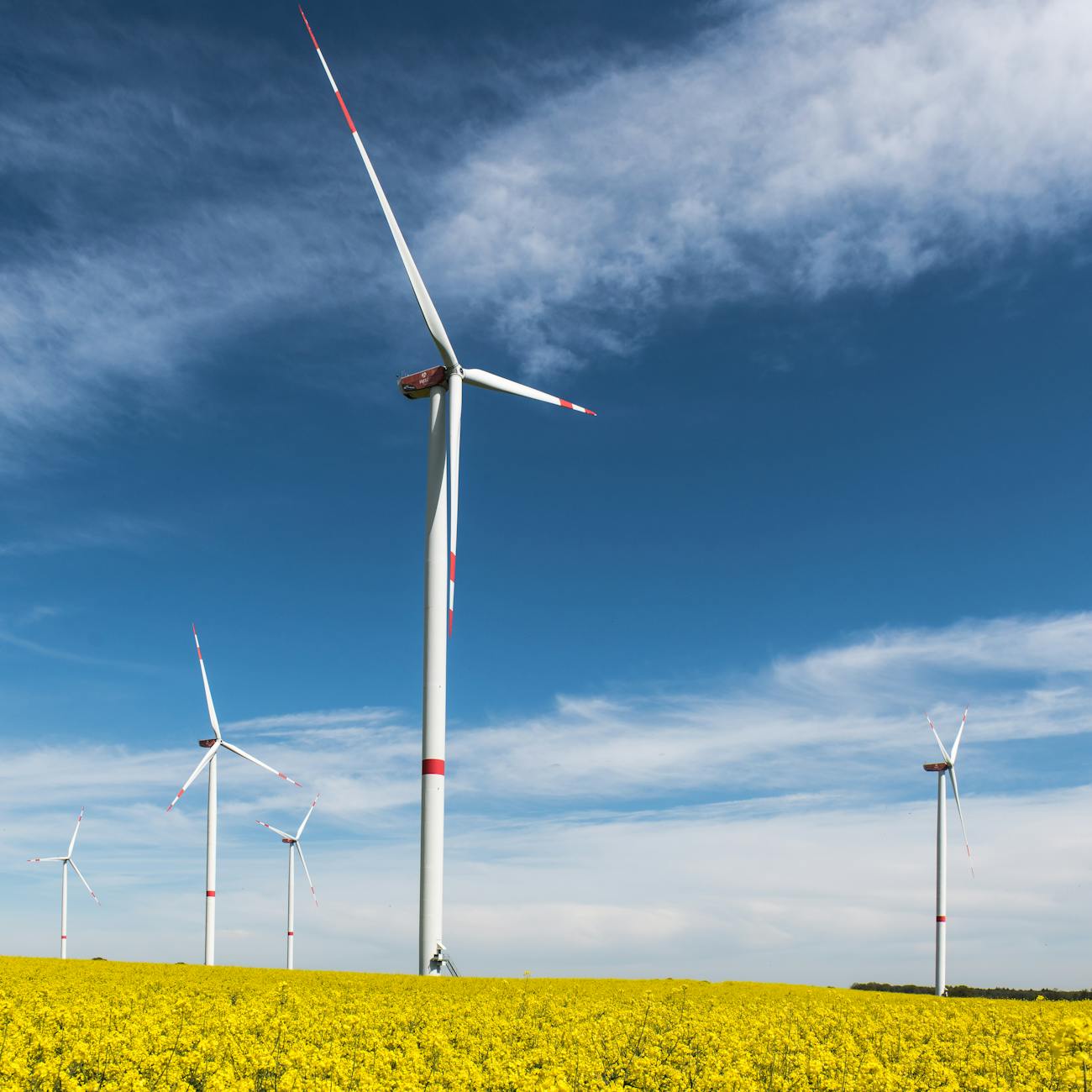
Another type of renewable energy system is wind power systems, which use turbines to convert the kinetic energy of the wind into electricity. These systems are often used for larger-scale applications, such as powering entire communities or feeding electricity into the grid. For example, a wind farm can be installed in a rural area to generate electricity, which can then be transmitted to nearby cities and towns.
Hydroelectric power systems are also a type of renewable energy system, which use the energy of moving water to generate electricity. These systems are often used for large-scale applications, such as powering entire cities or regions. For example, a hydroelectric dam can be built to harness the energy of a river, which can then be used to generate electricity.
Geothermal energy systems are another type of renewable energy system, which use the heat from the earth to generate electricity. These systems are often used for smaller-scale applications, such as providing heat and hot water for buildings. For example, a geothermal heat pump can be installed in a building to provide heating and cooling, which can be more efficient and cost-effective than traditional HVAC systems.
Bioenergy systems are also a type of renewable energy system, which use organic matter such as plants and waste to generate energy. These systems can be used for a variety of applications, including electricity generation, heat production, and transportation fuels. For example, a biomass power plant can be built to generate electricity from organic waste, which can then be used to power nearby communities.
In addition to these types of renewable energy systems, there are also several key components that are used to make them function. For example, inverters are used to convert the DC power generated by solar panels or wind turbines into AC power, which can be used by electrical devices. Charge controllers are used to regulate the flow of energy from a solar array or wind turbine to a battery bank, which can be used to store excess energy for later use.
Battery banks are also an important component of many renewable energy systems, as they provide! A way to store excess energy generated by the system for later use. For example, a deep cycle battery can be used to store energy generated by a solar array during the day, which can then be used to power lights and appliances at night.
Mounting systems are also used to secure solar panels or wind turbines in place, and to ensure that they are operating at the optimal angle and orientation. For example, a tracker system can be used to follow the movement of the sun, which can increase the amount of energy generated by a solar array.
Monitoring systems are also used to track the performance of renewable energy systems, and to identify any problems or issues that may arise. For example, a remote monitoring system can be used to track the energy output of a solar array or wind turbine, which can be used to optimize the system's performance and identify any areas for improvement.
The installation of renewable energy systems is also an important consideration, as it requires specialized knowledge and equipment. For example, a licensed electrician may be required to install a solar array or wind turbine, which can ensure that the system is installed safely and correctly.
The maintenance of renewable energy systems is also important, as it can help to ensure that the system is operating at peak performance and efficiency. For example, a regular cleaning of solar panels can help to remove dirt and debris, which can increase the amount of energy generated by the system.
The cost of renewable energy systems is also an important consideration, as it can vary widely depending on the type and size of the system. For example, a solar array can be more expensive than a wind turbine, but it may also be more efficient and require less maintenance.
The benefits of renewable energy systems are numerous, and can include reduced greenhouse gas emissions, improved air quality, and enhanced energy security. For example, a solar array can help to reduce a building's carbon footprint, which can contribute to a reduction in greenhouse gas emissions and help to mitigate the impacts of climate change.
The challenges of renewable energy systems are also significant, and can include intermittency, which refers to the fact that renewable energy sources such as solar and wind are not always available. For example, a solar array may not generate electricity at night, which can require the use of backup power sources such as batteries or generators.
The integration of renewable energy systems into the existing energy grid is also a challenge, as it requires specialized equipment and infrastructure. For example, a smart grid can be used to manage the flow of energy from renewable sources, which can help to ensure a stable and reliable supply of electricity.
The policy and regulatory frameworks that govern the development and use of renewable energy systems are also important, as they can provide incentives and support for the adoption of these systems. For example, a tax credit can be used to encourage the installation of solar arrays or wind turbines, which can help to reduce the upfront cost of these systems.
The public perception of renewable energy systems is also an important consideration, as it can influence the adoption and use of these systems. For example, a public education campaign can be used to raise awareness about the benefits and advantages of renewable energy systems, which can help to increase public support and acceptance.
The technological advancements in renewable energy systems are also rapid and ongoing, and can include improvements in efficiency, cost, and performance. For example, advances in solar panel technology have led to increases in efficiency and reductions in cost, which have made solar energy more competitive with fossil fuels.
The energy storage technologies that are used in conjunction with renewable energy systems are also important, as they can help to mitigate the intermittency of these sources. For example, a battery storage system can be used to store excess energy generated by a solar array during the day, which can then be used to power lights and appliances at night.
The grid-scale energy storage technologies that are used to store excess energy generated by renewable sources are also critical, as they can help to ensure a stable and reliable supply of electricity. For example, a pumped hydro storage system can be used to store excess energy generated by a solar array or wind turbine, which can then be released during periods of high demand.
The electric vehicle technologies that are used in conjunction with renewable energy systems are also important, as they can help to reduce greenhouse gas emissions and improve air quality. For example, a plug-in hybrid electric vehicle can be used to reduce dependence on fossil fuels, which can help to mitigate the impacts of climate change.
The smart grid technologies that are used to manage the flow of energy from renewable sources are also critical, as they can help to ensure a stable and reliable supply of electricity. For example, a smart meter can be used to track energy usage in real-time, which can help to optimize energy efficiency and reduce waste.
The microgrid technologies that are used to manage the flow of energy from renewable sources at the local level are also important, as they can help to ensure a stable and reliable supply of electricity. For example, a community microgrid can be used to manage the flow of energy from a solar array or wind turbine, which can help to reduce dependence on the grid and improve energy security.
The energy efficiency measures that are used in conjunction with renewable energy systems are also critical, as they can help to reduce energy consumption and waste. For example, a building management system can be used to optimize energy efficiency in a building, which can help to reduce energy consumption and costs.
The sustainable development goals that are associated with renewable energy systems are also important, as they can help to ensure that the development and use of these systems are environmentally and socially sustainable. For example, a life cycle assessment can be used to evaluate the environmental impacts of a renewable energy system, which can help to identify areas for improvement and optimization.
The environmental impacts of renewable energy systems are also an important consideration, as they can have both positive and negative effects on the environment. For example, a wind turbine can have negative impacts on bird populations, which can require the use of mitigation measures such as bird-friendly turbine designs.
The social impacts of renewable energy systems are also significant, as they can have both positive and negative effects on local communities. For example, a solar array can have negative impacts on local aesthetics, which can require the use of mitigation measures such as visual screening.
The economic benefits of renewable energy systems are also numerous, and can include job creation, economic growth, and reduced energy costs. For example, a solar array can create jobs in the manufacturing and installation sectors, which can help to stimulate local economies.
The policy frameworks that govern the development and use of renewable energy systems are also critical, as they can provide incentives and support for the adoption of these systems. For example, a renewable portfolio standard can be used to require utilities to generate a certain percentage of their electricity from renewable sources, which can help to increase the adoption of these systems.
The regulatory frameworks that govern the development and use of renewable energy systems are also important, as they can provide a framework for the safe and responsible development of these systems. For example, a permitting process can be used to ensure that renewable energy systems are installed and operated in a safe and responsible manner.
The international cooperation that is associated with renewable energy systems is also significant, as it can help to facilitate the sharing of knowledge, technologies, and best practices. For example, a global renewable energy alliance can be used to bring together countries and organizations to share knowledge and expertise, which can help to accelerate the transition to a low-carbon economy.
The research and development that is associated with renewable energy systems is also ongoing and critical, as it can help to improve the efficiency, cost, and performance of these systems. For example, advances in solar panel technology have led to increases in efficiency and reductions in cost, which have made solar energy more competitive with fossil fuels.
The demonstration projects that are used to test and validate new renewable energy technologies are also important, as they can help to reduce the risks and uncertainties associated with these systems. For example, a pilot project can be used to test a new solar panel technology, which can help to validate its performance and efficiency.
The commercialization of renewable energy technologies is also critical, as it can help to make these systems more widely available and affordable. For example, a manufacturing facility can be used to produce solar panels or wind turbines, which can help to increase the supply of these systems and reduce their cost.
The financing mechanisms that are used to support the development and use of renewable energy systems are also important, as they can help to reduce the upfront costs and risks associated with these systems.
The risk management strategies that are used to mitigate the risks associated with renewable energy systems are also critical, as they can help to reduce the uncertainties and risks associated with these systems. For example, a weather derivative can be used to manage the risks associated with weather-related events, such as hurricanes or droughts.
The insurance products that are used to manage the risks associated with renewable energy systems are also important, as they can help to reduce the financial risks and uncertainties associated with these systems. For example, a performance guarantee can be used to ensure that a solar array or wind turbine performs at a certain level, which can help to reduce the risks and uncertainties associated with these systems.
The standards and certifications that are used to ensure the quality and performance of renewable energy systems are also critical, as they can help to reduce the risks and uncertainties associated with these systems. For example, a certification program can be used to ensure that solar panels or wind turbines meet certain standards for quality and performance, which can help to reduce the risks and uncertainties associated with these systems.
The testing and validation of renewable energy systems is also important, as it can help to ensure that these systems perform as expected and meet certain standards for quality and performance. For example, a testing protocol can be used to validate the performance of a solar array or wind turbine, which can help to reduce the risks and uncertainties associated with these systems.
The training and education of professionals who work with renewable energy systems is also critical, as it can help to ensure that these systems are installed and operated safely and efficiently. For example, a training program can be used to educate solar installers or wind turbine technicians, which can help to ensure that these systems are installed and operated correctly.
The public awareness of renewable energy systems is also important, as it can help to increase public acceptance and support for these systems.
The community engagement that is associated with renewable energy systems is also critical, as it can help to ensure that these systems are developed and used in a way that is socially and environmentally sustainable. For example, a community outreach program can be used to engage with local communities and ensure that their concerns and needs are taken into account, which can help to increase public acceptance and support for these systems.
The stakeholder engagement that is associated with renewable energy systems is also important, as it can help to ensure that these systems are developed and used in a way that is socially and environmentally sustainable. For example, a stakeholder forum can be used to bring together different stakeholders, including community members, policymakers, and industry representatives, which can help to ensure that these systems are developed and used in a way that is socially and environmentally sustainable.
The policy and regulatory frameworks that govern the development and use of renewable energy systems are also critical, as they can help to provide a framework for the safe and responsible development of these systems. For example, a policy framework can be used to provide incentives and support for the adoption of renewable energy systems, which can help to increase the use of these systems and reduce greenhouse gas emissions.
The international agreements that are associated with renewable energy systems are also significant, as they can help to facilitate the sharing of knowledge, technologies, and best practices. For example, a global climate agreement can be used to bring together countries to share knowledge and expertise, which can help to accelerate the transition to a low-carbon economy.
Key takeaways
- One of the key terms in this field is renewable energy, which refers to energy that is generated from natural resources that can be replenished over time, such as sunlight, wind, and water.
- For example, a solar array can be installed on a rooftop to generate electricity during the day, which can then be used to power lights, appliances, and other electrical devices.
- Another type of renewable energy system is wind power systems, which use turbines to convert the kinetic energy of the wind into electricity.
- For example, a hydroelectric dam can be built to harness the energy of a river, which can then be used to generate electricity.
- For example, a geothermal heat pump can be installed in a building to provide heating and cooling, which can be more efficient and cost-effective than traditional HVAC systems.
- For example, a biomass power plant can be built to generate electricity from organic waste, which can then be used to power nearby communities.
- Charge controllers are used to regulate the flow of energy from a solar array or wind turbine to a battery bank, which can be used to store excess energy for later use.