
Media Relations and Communication in Women’s Sports
Press Release is a written statement distributed to news outlets announcing something newsworthy. In women’s sports, a press release might announce a new league, a sponsorship deal, or the appointment of a female coach. The document follows…
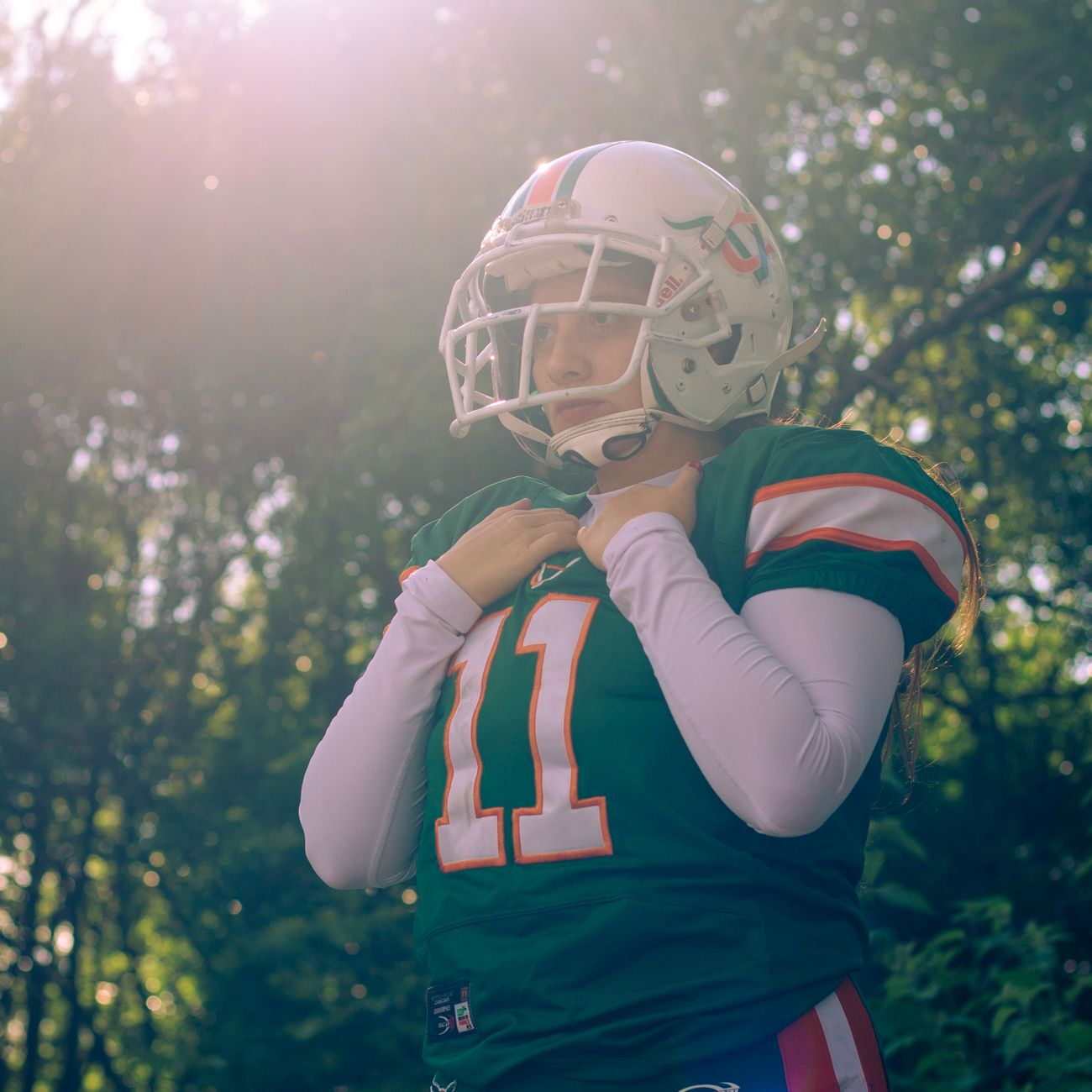
Press Release is a written statement distributed to news outlets announcing something newsworthy. In women’s sports, a press release might announce a new league, a sponsorship deal, or the appointment of a female coach. The document follows a standard format: Headline, dateline, lead paragraph, body, boilerplate, and contact information. A well‑crafted press release uses the inverted pyramid structure, placing the most important facts at the top so that journalists can quickly assess relevance. Practical application: A regional women’s basketball association can issue a press release when a star player signs a professional contract, providing journalists with ready‑to‑publish quotes and statistics. A common challenge is overcoming media bias; outlets may deem women’s sports “niche,” so the press release must highlight broader appeal—community impact, youth development, or economic benefits—to increase pickup.
Media Kit is a collection of assets provided to journalists to facilitate coverage. For women’s sports, a media kit typically includes high‑resolution photos of athletes, biographies, season schedules, brand logos, and fact sheets. The kit may also contain video clips of key moments, such as a championship-winning goal, which can be embedded in online articles. Example: When a women’s soccer club launches a new season, the media kit can be uploaded to a dedicated press portal, allowing reporters to download assets instantly. The challenge lies in ensuring the kit reflects diversity and inclusivity; using only stereotypical images can perpetuate narrow narratives. Including a range of athletes—different ages, ethnicities, body types—helps broaden representation.
Pitch refers to a personalized outreach to a journalist or editor proposing a story angle. In the context of women’s sports, a pitch might suggest a feature on how a female athlete balances motherhood and competition, or an investigative piece on pay disparities in professional leagues. Effective pitches are concise, reference the journalist’s past work, and explain why the story matters now. For instance, a communications officer could pitch a story to a lifestyle magazine about a women’s surfing champion’s environmental activism, tying the angle to Earth Day. A challenge is competition for limited editorial space; pitches must be compelling and demonstrate unique value beyond generic sports coverage.
Embargo is a request that journalists not publish a story until a specified date and time. Embargoes are useful when coordinating major announcements, such as a new broadcasting deal for a women’s league. By setting an embargo, the organization ensures that all media outlets release the news simultaneously, maximizing impact and preventing premature leaks. Practical application: A league announces a partnership with a streaming platform; the press release is sent under embargo to give journalists time to prepare in‑depth pieces. The difficulty arises when a journalist unintentionally breaches the embargo, which can lead to fragmented coverage and diminish the intended splash.
Stakeholder denotes any individual or group with an interest in the outcome of a sports organization. Stakeholders in women’s sports include athletes, sponsors, fans, governing bodies, media outlets, and community groups. Understanding stakeholder priorities is essential for crafting effective communication strategies. For example, sponsors may prioritize brand visibility, while athletes may focus on fair treatment and safety. A communications plan that aligns messages with stakeholder values can foster stronger support. The challenge is balancing divergent expectations; a sponsor’s desire for high‑profile exposure may conflict with an athlete’s need for privacy.
Narrative is the overarching story that shapes public perception. In women’s sports, narratives often revolve around empowerment, perseverance, and breaking barriers. A well‑designed narrative can elevate an athlete from a local hero to a global icon. For instance, the narrative of a teenage gymnast overcoming socioeconomic obstacles to reach the Olympics resonates with audiences beyond sports fans. However, over‑reliance on “inspirational” narratives can inadvertently obscure systemic issues such as funding gaps. Communicators must therefore balance personal stories with broader contextual analysis.
Framing refers to the way information is presented, influencing how audiences interpret it. Media framing of women’s sports can either reinforce stereotypes or challenge them. A headline that reads “Women’s Soccer Team Wins First Match of the Season” frames the achievement positively, while “Women’s Soccer Still Struggling for Attention” emphasizes a deficit. Practitioners should consciously choose frames that highlight progress and competence. One practical technique is to employ data‑driven framing: Citing attendance growth percentages or sponsorship revenue to demonstrate tangible success. The challenge is that entrenched media habits may default to gendered frames, requiring persistent advocacy and relationship building with editors.
Gender Bias denotes the systematic preference for one gender over another, often manifesting in unequal coverage. Studies consistently show that women’s sports receive a fraction of the media attention allocated to men’s sports. Gender bias can appear in language—using diminutives like “girls” instead of “women”—or in visual representation, such as focusing on athletes’ appearance rather than performance. To counter bias, communicators can provide gender‑neutral statistics, request equitable placement in print layouts, and supply story ideas that foreground athletic achievement. A challenge is that bias is often unconscious; training sessions with editors can raise awareness but may need repeated reinforcement.
Representation is the presence and portrayal of women athletes in media content. Adequate representation includes both quantity (how often women’s sports appear) and quality (the depth and accuracy of coverage). For example, a sports network that regularly features a women’s basketball analyst during prime‑time slots provides visible representation. Communicators can track representation through media audits, measuring the number of articles, broadcast minutes, and social media mentions. The challenge lies in securing prime placement; mainstream outlets may allocate limited slots, so strategic partnerships with niche or digital platforms can expand reach.
Visibility extends beyond simple representation to the degree of public awareness. High visibility can translate into increased sponsorship, fan engagement, and participation. Strategies to boost visibility include cross‑promotion with male counterparts, leveraging major events (e.G., The Olympics), and creating viral social media moments. A practical example: A women’s volleyball team collaborates with a popular music artist for a halftime performance, generating buzz on TikTok. The difficulty is maintaining visibility post‑event; sustained content calendars are required to keep audiences engaged.
Media Audit is a systematic review of an organization’s media coverage over a specific period. The audit evaluates metrics such as volume, tone, audience reach, and platform distribution. For women’s sports organizations, a media audit can reveal gaps—perhaps coverage spikes during tournaments but drops sharply afterward. Conducting an audit involves collecting articles, broadcast clips, and social media posts, then coding them for themes and sentiment. The findings inform strategic adjustments, such as targeting under‑served regions with localized stories. Challenges include the time‑intensive nature of data collection and the need for consistent coding criteria to ensure reliability.
Social Media Strategy outlines how an organization uses platforms like Instagram, Twitter, TikTok, and YouTube to engage fans and amplify messages. In women’s sports, a social media strategy may focus on storytelling, behind‑the‑scenes content, and interactive features such as polls or live Q&A sessions with athletes. Practical application: A women’s hockey league launches a weekly “Player Spotlight” series on Instagram Reels, showcasing skill drills and personal anecdotes. The strategy should align with broader communication goals, such as increasing ticket sales or attracting sponsors. A common challenge is algorithmic bias; platforms may prioritize content that aligns with historically popular male sports, requiring creative formats to capture attention.
Influencer is an individual with a sizable online following who can affect audience attitudes and behaviors. Partnerships with influencers can extend the reach of women’s sports messages. For example, a female fitness influencer can promote an upcoming women’s marathon by sharing training tips and linking to registration pages. Influencers can also serve as ambassadors, embodying the values of the sport. However, authenticity is crucial; audiences quickly detect mismatched endorsements, which can damage credibility. Vetting influencers for alignment with the sport’s mission and ensuring clear disclosure of sponsorships are essential steps.
Content Calendar is a planning tool that schedules the creation and publication of media assets across platforms. A content calendar for a women’s rugby franchise might map out weekly posts: Match previews, player interviews, community outreach highlights, and post‑game analyses. By visualizing the schedule, communicators can ensure a balanced mix of promotional and informational content, avoid duplication, and coordinate with other departments (e.G., Ticketing). The challenge is flexibility; unexpected events such as injuries or weather postponements require rapid adjustments, so the calendar should allow for contingency slots.
Crisis Communication involves managing messages during an unexpected event that threatens reputation. In women’s sports, crises may include allegations of misconduct, injuries, or controversies over gender equity. A crisis plan outlines key steps: Immediate acknowledgment, factual information dissemination, spokesperson designation, and ongoing updates. For instance, if a high‑profile female athlete is accused of doping, the organization’s crisis communication team should release a statement confirming the investigation, provide contact details for inquiries, and later share findings. The difficulty lies in balancing transparency with legal considerations; premature statements can exacerbate the situation.
Brand Partnership refers to a collaborative relationship between a sports entity and a commercial brand, often resulting in co‑branded marketing campaigns. In women’s sports, brand partnerships can provide essential funding while enhancing visibility for both parties. An example is a women’s cycling team partnering with a sustainable apparel brand, featuring the brand’s logo on jerseys and jointly promoting eco‑friendly initiatives. Effective partnerships align the brand’s values with the sport’s mission, creating authentic storytelling opportunities. Challenges include ensuring that the partnership does not overshadow the athletes or reduce the sport to a mere advertising vehicle.
Athlete Branding is the process by which an individual athlete cultivates a distinct public persona. For female athletes, strong personal brands can attract sponsorships, inspire fans, and elevate the sport’s profile. Athlete branding may involve consistent visual elements (e.G., Logo, color palette), signature hashtags, and curated content that reflects personal interests—such as advocacy for gender equity. A practical step is to develop a personal media kit with bios, high‑resolution images, and a list of speaking topics. The challenge is managing brand consistency across multiple platforms and ensuring that personal branding does not conflict with team or league policies.
Story Angle is the specific perspective or hook that makes a story newsworthy. In women’s sports, story angles may focus on breakthrough performances, historic milestones, or social impact. For example, a story angle could be “First African‑American woman to coach a professional basketball team,” emphasizing pioneering leadership. Communicators should tailor angles to the target outlet’s audience; a health magazine may prefer an angle on athlete nutrition, while a business journal may highlight economic implications of a new sponsorship. The difficulty lies in avoiding repetitive angles; fresh angles keep coverage dynamic and sustain audience interest.
Newsworthiness comprises criteria that determine whether an event merits coverage. Traditional factors include timeliness, impact, proximity, prominence, and human interest. In the realm of women’s sports, newsworthiness can be elevated by linking achievements to broader societal trends, such as gender equality movements. For instance, a sudden surge in attendance at a women’s lacrosse tournament becomes more newsworthy when tied to local initiatives promoting girls’ participation in sports. Communicators must therefore frame events within these criteria to capture editorial attention. A persistent challenge is that many outlets still apply newsworthiness standards biased toward men’s sports, requiring proactive pitch strategies.
Media Training equips athletes, coaches, and executives with skills to interact effectively with journalists. Training covers message development, handling difficult questions, body language, and staying on‑message. For women’s sports, media training can also address gender‑specific concerns, such as dealing with intrusive questions about personal life or appearance. A typical session includes mock interviews, feedback loops, and development of key sound bites. The practical benefit is increased confidence, leading to more compelling interviews that attract positive coverage. However, scheduling training for busy athletes and ensuring retention of skills over time can be demanding.
Interview Techniques are methods used to elicit clear, concise, and quotable responses. Techniques include the “bridge” (redirecting to a core message), the “pause” (allowing time for thoughtful answers), and the “hook” (starting with a compelling statement). In women’s sports interviews, it is important to avoid leading questions that reinforce stereotypes, such as “Do you think being a mother influences your performance?” Instead, a neutral question like “How do you balance your responsibilities on and off the field?” Encourages authentic insight. The challenge is that inexperienced interviewers may inadvertently focus on gendered topics, so communicators must guide journalists toward performance‑focused queries.
Media Relations is the ongoing process of building and maintaining relationships with journalists, editors, and influencers. Strong media relations enable more frequent and favorable coverage of women’s sports initiatives. Key practices include regular outreach, providing exclusive story ideas, responding promptly to media inquiries, and offering access to athletes for interviews. A practical example: A women’s rugby federation schedules a quarterly “media day” where journalists meet players, tour facilities, and receive background materials. Challenges include limited newsroom resources and competing priorities, making it essential to demonstrate how covering women’s sports adds value to the outlet’s audience.
Media Monitoring involves tracking mentions of an organization across various channels, including print, broadcast, online, and social media. Monitoring helps assess the effectiveness of communication campaigns, identify emerging trends, and detect potential crises early. For women’s sports, media monitoring may reveal that a particular athlete’s Instagram post generated significant conversation, signaling an opportunity for a follow‑up feature. Tools such as media clipping services, social listening platforms, and analytics dashboards assist in this process. The difficulty lies in filtering noise; a high volume of mentions does not always translate to positive sentiment, requiring nuanced analysis.
Media Outreach is the proactive effort to contact journalists and pitch stories. Effective outreach is personalized, timely, and concise. Communicators should research the journalist’s beat, reference recent work, and explain why the proposed story aligns with their audience. For example, reaching out to a health reporter with a pitch about a female swimmer’s injury prevention regimen demonstrates relevance. A challenge is the saturation of inboxes; standing out requires a compelling hook and clear value proposition.
Media Partnership denotes a formal collaboration between a sports organization and a media outlet, often involving content sharing, co‑production, or joint promotional activities. A women’s tennis association might partner with a streaming service to produce a documentary series highlighting rising stars. Such partnerships expand reach, provide production resources, and lend credibility. Practical considerations include negotiating rights, revenue sharing, and editorial control. A potential obstacle is ensuring that the partnership does not limit the organization’s ability to work with other outlets, preserving flexibility for future collaborations.
Media Rights are the legal permissions granting a broadcaster or digital platform the authority to transmit sporting events. In women’s sports, media rights deals are increasingly valuable as leagues seek to monetize content. Negotiating media rights involves assessing audience size, market value, and platform suitability. For example, a women’s basketball league may grant exclusive live streaming rights to a global platform while retaining highlights for free distribution on social media. The challenge is balancing revenue generation with accessibility; overly restrictive rights can limit exposure for emerging fans.
Broadcast Rights are a subset of media rights focused specifically on television and radio transmission. Securing broadcast rights for women’s sports can dramatically increase visibility, particularly in regions where linear TV remains a primary source of information. A practical step is to package broadcast rights with promotional commitments—guaranteeing a certain number of minutes of coverage per game—to assure broadcasters of return on investment. Negotiations must also address production quality, commentary diversity, and compliance with gender equity standards. Obstacles include competing bids from larger men’s leagues and the need to demonstrate audience demand.
Digital Platforms encompass websites, apps, streaming services, and social networks where content is delivered electronically. Women’s sports can leverage digital platforms to bypass traditional gatekeepers and reach niche audiences directly. For instance, a women’s athletics department may launch a dedicated YouTube channel featuring full match replays, athlete interviews, and training tutorials. Effective use of digital platforms requires optimization for mobile devices, SEO best practices, and engaging thumbnails. The challenge is producing sufficient high‑quality content to sustain audience interest while managing production costs.
Engagement Metrics are quantitative measures that indicate how audiences interact with content. Common metrics include likes, comments, shares, watch time, and click‑through rates. In women’s sports, tracking engagement helps identify which stories resonate most with fans. For example, a post highlighting a female boxer’s community outreach may generate higher comment volume than a standard match recap, suggesting a preference for human‑interest content. Metrics must be interpreted in context; a high number of shares may indicate viral potential, while low watch time could signal a mismatch between content length and audience expectations. A challenge is that algorithms may prioritize content from larger, male‑dominated sports, requiring strategic promotion to boost visibility.
Reach refers to the total number of unique individuals who have been exposed to a piece of content. Reach differs from impressions, which count total views regardless of duplication. For women’s sports campaigns, expanding reach is a primary objective, as broader exposure can translate into increased ticket sales, sponsorship interest, and youth participation. A practical method to increase reach is cross‑posting content across multiple platforms and collaborating with partner organizations to share posts. However, measuring accurate reach can be complicated by privacy settings and platform limitations, necessitating a combination of analytics tools.
Impressions are the total number of times content is displayed, regardless of whether the viewer engages. High impressions indicate widespread distribution but do not guarantee meaningful impact. In women’s sports, a press release distributed through a newswire may generate thousands of impressions, yet only a fraction of those may result in actual reads. Communicators should therefore pair impression data with engagement metrics to assess effectiveness. A common pitfall is focusing solely on impression counts, which can mask underlying issues such as low audience relevance.
Sentiment Analysis involves evaluating the tone of media coverage—positive, negative, or neutral. Automated tools can scan articles, social media posts, and comments to quantify sentiment. For women’s sports, sentiment analysis can reveal public reaction to a controversial decision, such as a rule change affecting gameplay. Positive sentiment may boost sponsor confidence, while negative sentiment may signal reputational risk. Practical application includes monitoring sentiment after a major tournament to gauge overall public perception. Challenges include the nuanced nature of language, especially sarcasm or cultural references, which can lead to misclassification by algorithms.
Audience Segmentation is the process of dividing a broader audience into distinct groups based on characteristics such as demographics, interests, or behavior. In women’s sports, segmentation enables targeted communication—e.G., Tailoring messages for young female athletes, parents of youth participants, or corporate sponsors. A segment analysis might reveal that Millennials respond well to short‑form video content, while Baby Boomers prefer email newsletters. Communicators can then allocate resources accordingly, producing platform‑specific assets. The difficulty lies in acquiring accurate data; privacy regulations and limited research budgets may restrict the depth of segmentation.
Inclusive Language refers to word choices that avoid bias and respect the diversity of individuals. In women’s sports communication, inclusive language means using terms like “women’s rugby” instead of “girls’ rugby” when referring to adult athletes, and avoiding descriptors that focus on appearance rather than skill. A style guide can codify inclusive language rules, ensuring consistency across press releases, social media posts, and internal documents. Practical steps include reviewing existing materials for gendered pronouns and replacing them with neutral alternatives where appropriate. Challenges arise when legacy terminology is deeply ingrained; gradual updates and staff training are essential for cultural shift.
Gender Equity is the principle of fairness and equal opportunity across genders. In the context of media relations, gender equity involves ensuring that women’s sports receive comparable coverage, resources, and promotional support to men’s sports. Communicators can advocate for equity by presenting data on coverage gaps, proposing joint media packages that include both men’s and women’s events, and highlighting successful case studies. A practical example is a national sports federation committing to allocate at least 30 % of its total media budget to women’s programs. Obstacles include entrenched institutional biases and the perception that women’s sports generate lower returns, which may require evidence‑based arguments to overcome.
Pay Equity denotes the principle that athletes of different genders should receive comparable compensation for similar performance and market value. While pay equity is primarily a labor issue, media coverage plays a pivotal role in shaping public perception of athletes’ worth. Transparent reporting of salary structures, broadcast revenue shares, and sponsorship deals can pressure governing bodies to address disparities. For instance, publishing a comparative analysis of prize money for men’s and women’s tennis tournaments can spark public discourse and policy change. The challenge is that financial data is often confidential, making comprehensive analysis difficult without cooperation from leagues.
Title IX is a U.S. Federal law that prohibits sex‑based discrimination in any education program receiving federal funding. Though not a media term per se, Title IX’s impact on women’s sports creates a backdrop for communication narratives. Media professionals can reference Title IX when discussing the growth of women’s collegiate athletics, framing stories within a legal and historical context. For example, a feature on a university’s women’s soccer program might note how Title IX funding enabled the construction of a new stadium. Communicators must be careful to contextualize the law accurately, avoiding oversimplification that could misrepresent its scope.
Media Literacy is the ability to access, analyze, evaluate, and create media content. Promoting media literacy among fans of women’s sports empowers them to critically assess coverage, recognize bias, and demand higher standards. Educational campaigns—such as webinars on how to identify gendered framing—can cultivate an informed audience that supports equitable reporting. Practical application includes collaborating with schools to incorporate media literacy modules that feature women’s sports case studies. A challenge is reaching audiences beyond academic settings; leveraging social media for bite‑size lessons can broaden impact.
Storytelling in the sports context involves weaving facts, emotions, and context into a compelling narrative. Effective storytelling for women’s sports often highlights themes of resilience, community impact, and trailblazing achievements. A storytelling framework might begin with a hook (a striking statistic), introduce the protagonist (the athlete), present the conflict (overcoming barriers), and conclude with a resolution (a championship win). Visual storytelling—using video, photography, and graphic design—enhances emotional resonance. Challenges include avoiding tokenism, ensuring that stories do not reduce athletes to mere symbols, and maintaining authenticity.
Public Relations (PR) is the strategic communication process that builds mutually beneficial relationships between an organization and its publics. In women’s sports, PR activities include press releases, media events, community outreach, and crisis management. A PR plan might outline objectives such as increasing media mentions by 20 % over a season, identifying key target audiences, and assigning responsibilities. The plan should incorporate measurable KPIs, such as number of articles published, sentiment scores, and social media reach. Obstacles often involve limited budgets and the need to compete with higher‑profile men’s sports for media attention.
Stakeholder Engagement is the systematic process of involving stakeholders in decision‑making and communication. For women’s sports, engagement may involve regular briefings with sponsors, fan forums, athlete councils, and governing bodies. Effective engagement fosters trust, aligns expectations, and generates collaborative ideas. A practical method is to host quarterly webinars where stakeholders can ask questions and provide feedback on upcoming initiatives. The difficulty is ensuring that engagement is not merely perfunctory; genuine two‑way dialogue requires time, resources, and a willingness to adapt strategies based on stakeholder input.
Brand Identity encompasses the visual, verbal, and experiential elements that define an organization’s public image. In women’s sports, a strong brand identity can differentiate a league from competitors and attract both fans and sponsors. Elements include logo design, color palette, tagline, and tone of voice. For example, a women’s climbing federation might adopt a bold, earthy color scheme and a tagline emphasizing “climbing beyond limits.” Consistency across all communications—press releases, social media posts, merchandise—reinforces brand identity. Challenges arise when rebranding is needed to modernize the image; careful transition planning is required to avoid confusing existing audiences.
Message Architecture is the hierarchy of key messages that guide all communications. It includes core messages (the primary, overarching statements), supporting messages (additional details that reinforce the core), and proof points (data or anecdotes that substantiate claims). In women’s sports, a core message could be “Women’s athletics drive community health and empowerment.” Supporting messages might elaborate on participation rates, economic impact, and role‑model effects. Proof points could cite a 25 % increase in youth enrollment after a local women’s soccer clinic. A well‑structured message architecture ensures consistency across media interactions. The challenge is maintaining flexibility so spokespeople can adapt messages to specific interview contexts without diluting the core narrative.
Spokesperson is the designated individual who speaks on behalf of an organization. In women’s sports, spokespeople may include league executives, athletes, coaches, or diversity officers. Selecting an appropriate spokesperson depends on the topic; a technical discussion about equipment standards may be best handled by a technical director, while a conversation about gender equity could feature a senior executive championing inclusion. Training spokespeople in media techniques, key messages, and crisis protocols is essential. A common pitfall is allowing untrained individuals to speak on complex issues, which can result in misstatements and reputational damage.
Media List is a curated database of journalists, editors, bloggers, and influencers relevant to a particular industry or beat. Maintaining an up‑to‑date media list for women’s sports involves tracking contacts at mainstream sports publications, niche women’s health outlets, and regional newsrooms. The list should include details such as beat focus, preferred contact method, recent coverage topics, and social media handles. Regularly refreshing the list—removing inactive contacts and adding new reporters—maximizes outreach efficiency. The challenge is that media personnel frequently change roles, requiring ongoing research and relationship management.
Press Conference is a live event where an organization presents information to the media and answers questions. In women’s sports, press conferences are often held to announce major milestones, such as the launch of a new league, a significant sponsorship, or a roster change. Effective press conferences include a clear agenda, a concise opening statement, and prepared visuals (slides, video highlights). Providing a media kit on‑site facilitates immediate coverage. However, logistical challenges—such as ensuring equitable microphone time for female journalists and managing off‑camera distractions—must be addressed to maintain professionalism.
Media Briefing is a shorter, more focused interaction than a press conference, typically used to provide background information or updates. A media briefing for women’s sports might be organized to explain new safety protocols after a high‑profile injury. Briefings can be conducted in person, via video call, or through a written summary. The advantage is that they allow journalists to ask specific questions without the spectacle of a full press event. A potential issue is that briefings may receive less coverage if not promoted effectively; therefore, clear invitations and a compelling hook are essential.
Media Pitch Deck is a visual presentation used to convey story ideas to editors, often incorporating images, statistics, and key talking points. For women’s sports, a pitch deck could showcase a series of profiles on rising athletes, complete with high‑resolution action shots and demographic data supporting audience interest. The deck should be concise—no more than ten slides—to respect the editor’s time. Incorporating interactive elements, such as clickable links to video clips, can enhance engagement. Challenges include customizing the deck for each outlet’s style preferences and ensuring that proprietary data is not disclosed inadvertently.
Media Advisory is a short notice alerting journalists to an upcoming event, such as a press conference or a media‑only training session. Unlike a press release, an advisory focuses on logistics: Date, time, location, and who will be available for interviews. In women’s sports, a media advisory might be sent to announce a “Women’s Sports Day” featuring athlete meet‑and‑greets at local schools. The advisory should be concise, typically a paragraph, and include contact information for follow‑up. A common mistake is sending advisories too far in advance, causing journalists to forget the event; timing it a few days prior maximizes attendance.
Media Monitoring Report compiles data on coverage performance over a set period. Reports typically include metrics such as total mentions, reach, tone, and key messages that appeared. For women’s sports, a quarterly media monitoring report could highlight a spike in coverage during a national tournament, identify which stories resonated most, and recommend areas for improvement. Visual elements like charts and word clouds enhance readability. The challenge is ensuring that the report translates data into actionable insights, rather than merely presenting numbers.
Social Listening is the practice of tracking online conversations about a brand, sport, or topic. Tools can capture mentions of a women’s league across platforms, revealing sentiment, trending hashtags, and emerging topics. Social listening can uncover opportunities—for instance, if fans are discussing a particular player’s charitable work, the organization can amplify that story. It also serves as an early warning system for potential crises, such as rumors of rule changes. The difficulty is filtering out irrelevant chatter and prioritizing insights that align with strategic goals.
Hashtag Campaign involves creating a unique, memorable tag to unify social media content and encourage user participation. In women’s sports, a hashtag like #SheScores can be used across platforms to promote match highlights, fan photos, and athlete takeovers. A successful campaign includes clear calls‑to‑action, such as prompting fans to share their own training videos using the hashtag. Monitoring the hashtag’s usage provides data on reach and engagement. Challenges include ensuring the hashtag is not already in use for unrelated topics and maintaining momentum beyond the initial launch.
Live‑Streaming is the real‑time broadcast of audio or video content over the internet. Women’s sports organizations can use live‑streaming to deliver matches, behind‑the‑scenes access, and interactive fan events. Platforms such as YouTube Live, Twitch, or proprietary apps enable global audiences to watch without traditional broadcast constraints. To maximize impact, live‑streams should include interactive features—live chat, polls, and real‑time statistics—that encourage viewer participation. Technical challenges include ensuring reliable bandwidth, managing copyright issues, and providing multilingual commentary to reach diverse audiences.
Podcast is an audio series that can be downloaded or streamed on demand. Women’s sports podcasts offer a platform for in‑depth discussions, athlete interviews, and analysis. For example, a weekly podcast titled “Beyond the Court” could feature conversations with female basketball players about training regimens, mental health, and career transitions. Podcasts help build a loyal audience, as listeners often engage for extended periods. Production challenges include securing high‑quality audio equipment, scheduling guests, and promoting the series to reach listeners beyond existing fans.
Press Release Distribution Service is a third‑party platform that disseminates press releases to a broad network of media outlets, journalists, and databases. Using a distribution service can increase the likelihood that a women’s sports announcement reaches outlets that may not be on the organization’s direct media list. Services often provide analytics on opens, clicks, and geographic reach. However, reliance on mass distribution can result in generic coverage; customizing the release for targeted outlets remains essential. Costs can also be significant for smaller organizations, requiring careful budgeting.
Media Training Workshop is an interactive session designed to develop communication skills among athletes, coaches, and staff. Workshops typically cover message development, handling difficult questions, body language, and mock interviews. In women’s sports, workshops can also address gender‑specific concerns, such as dealing with questions about family plans or appearance. Participants benefit from immediate feedback, role‑playing scenarios, and the creation of personal sound bites. A challenge is scheduling these workshops around training and competition calendars, necessitating flexible delivery formats, including virtual sessions.
Media Relations Calendar is a schedule that outlines key dates for outreach, events, and content releases. For a women’s league, the calendar might include season opening, mid‑season milestones, player awards, and community events. Aligning the calendar with media cycles—such as avoiding major holidays or competing sports events—optimizes coverage opportunities. The calendar also helps coordinate with sponsors to synchronize announcements. Maintaining the calendar requires constant updating as dates shift due to weather, venue changes, or unforeseen circumstances.
Storytelling Framework provides a structured approach to crafting narratives. Common frameworks include the “Hero’s Journey,” the “Problem‑Solution,” and the “Before‑After” model. In women’s sports, a “Problem‑Solution” story could describe the lack of facilities for female athletes (problem) and the construction of a new community center (solution). Applying a framework ensures that stories have clear arcs and emotional resonance. A pitfall is forcing a story into a framework that does not fit, which can make the narrative feel contrived. Selecting the appropriate model based on the content and audience is crucial.
Visual Identity refers to the consistent visual elements—logo, typography, color scheme, imagery—that represent a brand. For women’s sports organizations, a strong visual identity can convey professionalism, dynamism, and inclusivity. Consistency across press releases, social media graphics, merchandise, and signage reinforces brand recognition. Practical steps include developing a brand guide that outlines logo usage, color codes, and photograph style (e.G., Action shots versus posed portraits). A challenge is updating the visual identity without alienating long‑time supporters; a phased rollout with clear communication helps smooth the transition.
Media Pitch Email is a concise electronic message used to propose a story to a journalist. The email should include a compelling subject line, a brief introduction referencing the journalist’s recent work, a concise description of the story, and a call‑to‑action (e.G., Offering an interview). For women’s sports, a pitch email might read: “Subject: Rising Star – 19‑Year‑Old Sprinter Breaks National Record.” The body would then outline the athlete’s background, the record‑breaking performance, and availability for interview. The email must respect the journalist’s time, avoiding attachments unless requested, and provide links to supplemental material.
Media Kit Website is a dedicated online portal where journalists can access press materials, images, videos, and contact information. An effective media kit website for a women’s league should be mobile‑friendly, searchable, and organized by categories (e.G., Athletes, schedules, sponsors). Features such as a download manager for high‑resolution assets and a request form for interview scheduling streamline the process. Security considerations include restricting access to copyrighted material and tracking usage analytics. The challenge is keeping the site updated with the latest information, requiring a designated media liaison.
Earned Media is coverage obtained through editorial or journalistic channels without direct payment. In women’s sports, earned media might include a feature story in a national newspaper, a television segment highlighting a championship, or a viral social media post shared by a fan. Earned media carries high credibility because it is perceived as independent. Strategies to generate earned media include offering exclusive story angles, providing compelling data, and facilitating access to compelling personalities. The difficulty lies in the unpredictability of earned media; not all outreach attempts result in coverage.
Owned Media includes channels that an organization controls, such as its website, social media accounts, newsletters, and mobile apps. For women’s sports, owned media is a crucial platform for delivering consistent messaging, promoting events, and engaging fans directly. An example is a weekly newsletter that highlights upcoming matches, athlete spotlights, and community initiatives. Owned media allows for precise targeting and measurement of engagement metrics. However, building an audience for owned media requires sustained effort and content quality; without compelling material, audiences may gravitate toward external sources.
Paid Media involves promotional placements that require payment, such as advertising, sponsored posts, and programmatic digital ads. In women’s sports, paid media can be used to amplify key messages, drive ticket sales, or increase brand awareness. Targeted ads on platforms like Instagram can reach specific demographics interested in fitness and empowerment. Effective paid media campaigns combine clear calls‑to‑action with eye‑catching visuals and concise copy. A challenge is ensuring that paid messages align with the organization’s overall brand voice and do not appear overly commercial, which could alienate core supporters.
Media Ethics encompasses principles that guide responsible journalism and communication, including accuracy, fairness, and respect for privacy.
Key takeaways
- A common challenge is overcoming media bias; outlets may deem women’s sports “niche,” so the press release must highlight broader appeal—community impact, youth development, or economic benefits—to increase pickup.
- Example: When a women’s soccer club launches a new season, the media kit can be uploaded to a dedicated press portal, allowing reporters to download assets instantly.
- In the context of women’s sports, a pitch might suggest a feature on how a female athlete balances motherhood and competition, or an investigative piece on pay disparities in professional leagues.
- Practical application: A league announces a partnership with a streaming platform; the press release is sent under embargo to give journalists time to prepare in‑depth pieces.
- The challenge is balancing divergent expectations; a sponsor’s desire for high‑profile exposure may conflict with an athlete’s need for privacy.
- For instance, the narrative of a teenage gymnast overcoming socioeconomic obstacles to reach the Olympics resonates with audiences beyond sports fans.
- A headline that reads “Women’s Soccer Team Wins First Match of the Season” frames the achievement positively, while “Women’s Soccer Still Struggling for Attention” emphasizes a deficit.