
Event Planning and Operations for Women’s Competitions
Event planning and operations for women's competitions is a multifaceted field that requires a deep understanding of various key terms and vocabulary. In the context of the Global Certificate in Women in Sports Management, it is essential t…
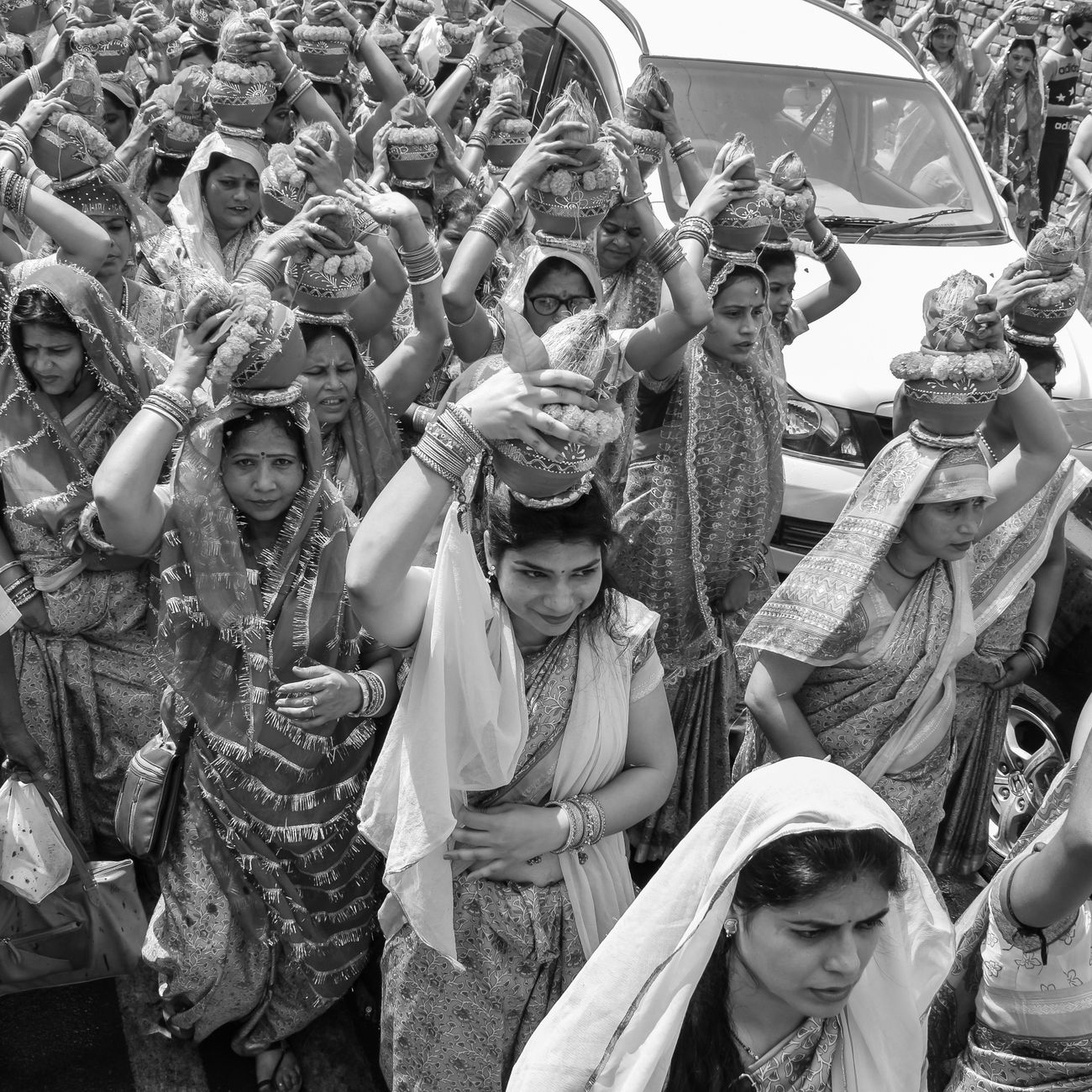
Event planning and operations for women's competitions is a multifaceted field that requires a deep understanding of various key terms and vocabulary. In the context of the Global Certificate in Women in Sports Management, it is essential to grasp the nuances of planning and executing successful events that cater to the unique needs of female athletes and spectators. One of the primary concerns in event planning is ensuring equity and inclusion in all aspects of the competition, from venue selection to marketing and promotion.
When planning an event, it is crucial to consider the target audience and their specific needs and preferences. For women's competitions, this may involve providing amenities such as childcare services, women's-only facilities, and accessible seating areas. Additionally, event planners must ensure that the competition venue is safe and secure for all participants and spectators, with adequate lighting, sanitation, and emergency services.
Another critical aspect of event planning is logistics management, which involves coordinating the transportation, accommodation, and catering needs of athletes, officials, and spectators. This may include arranging for female-only transportation services, booking female-friendly hotels, and providing halal or kosher meal options. Effective logistics management is essential to ensure a smooth and successful event, and event planners must be able to think critically and creatively to overcome any challenges that may arise.
In terms of marketing and promotion, event planners must develop a comprehensive strategy that reaches and engages the target audience. This may involve utilizing social media platforms, partnering with women's organizations, and creating inclusive and diverse promotional materials. Event planners must also be aware of the cultural and socio-economic context of the event and ensure that all marketing and promotional efforts are respectful and sensitive to the needs and values of the target audience.
The operational aspects of event planning are also critical, and event planners must be able to manage the technical and administrative aspects of the competition. This may involve coordinating with volunteers, managing equipment and supplies, and ensuring that all rules and regulations are followed. Event planners must also be able to think on their feet and respond to any unforeseen challenges or issues that may arise during the event.
One of the biggest challenges in event planning for women's competitions is gender bias and stereotyping. Event planners must be aware of these biases and work to create an inclusive and welcoming environment for all participants and spectators. This may involve providing gender-sensitive training for staff and volunteers, creating women-only spaces, and promoting female empowerment and leadership throughout the event.
In addition to these challenges, event planners must also be aware of the commercial and financial aspects of the event. This may involve securing sponsorships and partnerships, managing budgets and finances, and ensuring that the event is financially sustainable. Event planners must also be able to negotiate with stakeholders and vendors to ensure that the event is delivered on time, within budget, and to the required quality standards.
The communication aspects of event planning are also critical, and event planners must be able to effectively communicate with stakeholders, participants, and spectators. This may involve creating clear and concise messaging, utilizing social media and other communication channels, and providing regular updates and information to all stakeholders. Event planners must also be able to manage crisis communications and respond to any negative publicity or controversy that may arise during the event.
In terms of risk management, event planners must be able to identify and mitigate any risks or threats to the event. This may involve conducting risk assessments, developing contingency plans, and implementing emergency procedures. Event planners must also be able to think critically and creatively to overcome any unforeseen challenges or issues that may arise during the event.
The evaluation and review of the event are also essential, and event planners must be able to assess the success and impact of the competition. This may involve collecting feedback from participants and spectators, analyzing data and statistics, and identifying areas for improvement. Event planners must also be able to use this information to inform future event planning and improve the overall quality and delivery of the competition.
In the context of women's competitions, it is essential to consider the unique needs and challenges faced by female athletes and spectators. This may involve providing female-only facilities, childcare services, and accessible seating areas. Event planners must also be aware of the cultural and socio-economic context of the event and ensure that all aspects of the competition are respectful and sensitive to the needs and values of the target audience.
The management of event staff and volunteers is also critical, and event planners must be able to recruit, train, and manage a team of qualified and experienced individuals. This may involve developing training programs, creating volunteer schedules, and managing communication and information flows. Event planners must also be able to motivate and empower event staff and volunteers to deliver a high-quality and successful event.
In terms of technology, event planners must be aware of the latest trends and innovations in event management software, social media, and other digital tools. This may involve utilizing event management platforms, creating mobile apps, and leveraging social media to promote the event and engage with participants and spectators. Event planners must also be able to manage data and analytics to inform event planning and improve the overall quality and delivery of the competition.
The environmental and sustainability aspects of event planning are also essential, and event planners must be able to minimize the environmental impact of the competition. This may involve reducing waste and emissions, utilizing sustainable materials and supplies, and promoting eco-friendly practices throughout the event. Event planners must also be able to communicate the environmental benefits of the event to participants and spectators, and promote sustainable and responsible practices throughout the competition.
In the context of women's competitions, it is essential to consider the long-term impact of the event on the local community and the wider sports industry. This may involve developing legacy programs, creating community engagement initiatives, and promoting female empowerment and leadership throughout the event. Event planners must also be able to evaluate the success and impact of the event, and use this information to inform future event planning and improve the overall quality and delivery of the competition.
The financial aspects of event planning are also critical, and event planners must be able to manage budgets and finances effectively. This may involve securing sponsorships and partnerships, managing revenue and expenditure, and ensuring that the event is financially sustainable.
In terms of governance, event planners must be aware of the rules and regulations that govern the competition, and ensure that all aspects of the event are compliant with relevant laws and regulations. This may involve working with governing bodies, managing risk and liability, and ensuring that all stakeholders are aware of their roles and responsibilities. Event planners must also be able to communicate effectively with stakeholders and participants, and provide clear and concise information about the event.
The cultural and socio-economic context of the event is also essential, and event planners must be aware of the unique needs and challenges faced by different communities and stakeholders. This may involve providing cultural sensitivity training for event staff and volunteers, creating inclusive and diverse promotional materials, and promoting female empowerment and leadership throughout the event.
In the context of women's competitions, it is essential to consider the media and communication aspects of the event. This may involve developing a media strategy, creating press releases and media kits, and managing social media and other communication channels. Event planners must also be able to communicate effectively with media representatives and stakeholders, and provide clear and concise information about the event.
The legacy of the event is also critical, and event planners must be able to develop legacy programs and community engagement initiatives that promote female empowerment and leadership throughout the event. This may involve creating sports development programs, promoting healthy lifestyles and wellbeing, and developing community outreach initiatives that engage with local communities and stakeholders.
In terms of stakeholder management, event planners must be able to identify and engage with key stakeholders, including athletes, coaches, officials, spectators, and sponsors. This may involve developing stakeholder engagement strategies, creating stakeholder communication plans, and managing stakeholder relationships throughout the event.
The venue and infrastructure aspects of the event are also essential, and event planners must be able to manage the technical and administrative aspects of the competition. This may involve coordinating with venue managers, managing equipment and supplies, and ensuring that all rules and regulations are followed.
The event concept and theme are also critical, and event planners must be able to develop a clear and concise concept and theme that resonates with the target audience. This may involve creating event branding and marketing materials, developing event programming and content, and managing event logistics and operations.
In terms of event planning software, event planners must be aware of the latest trends and innovations in event management software, and be able to utilize these tools to manage the technical and administrative aspects of the competition. This may involve using event management platforms, creating mobile apps, and leveraging social media to promote the event and engage with participants and spectators.
The volunteer management aspects of the event are also essential, and event planners must be able to recruit, train, and manage a team of qualified and experienced volunteers. This may involve developing volunteer training programs, creating volunteer schedules, and managing communication and information flows. Event planners must also be able to motivate and empower volunteers to deliver a high-quality and successful event.
The sponsorship and partnership aspects of the event are also critical, and event planners must be able to secure sponsorships and partnerships that support the event and promote female empowerment and leadership. This may involve developing sponsorship proposals, creating partnership agreements, and managing sponsor and partner relationships throughout the event. Event planners must also be able to negotiate with sponsors and partners to ensure that the event is delivered on time, within budget, and to the required quality standards.
In terms of ticketing and registration, event planners must be able to manage the technical and administrative aspects of ticketing and registration. This may involve utilizing ticketing software, creating registration forms, and managing communication and information flows.
The venue selection and management aspects of the event are also essential, and event planners must be able to manage the technical and administrative aspects of the competition.
The event evaluation and review are also critical, and event planners must be able to assess the success and impact of the competition.
In terms of event planning certification, event planners must be aware of the latest trends and innovations in event planning, and be able to obtain certification and training in event planning and management. This may involve completing event planning courses, obtaining certification in event planning, and staying up-to-date with the latest industry trends and best practices. Event planners must also be able to demonstrate their knowledge and skills in event planning and management, and be able to apply this knowledge in a practical and real-world setting.
The event planning industry is constantly evolving, and event planners must be able to stay up-to-date with the latest trends and innovations in event planning and management. This may involve attending industry events and conferences, reading industry publications and research reports, and networking with other event planners and industry professionals. Event planners must also be able to apply this knowledge in a practical and real-world setting, and be able to demonstrate their knowledge and skills in event planning and management.
The event planning process is also critical, and event planners must be able to manage the technical and administrative aspects of the competition. This may involve coordinating with stakeholders, managing equipment and supplies, and ensuring that all rules and regulations are followed.
In terms of event planning tools, event planners must be aware of the latest trends and innovations in event planning software, and be able to utilize these tools to manage the technical and administrative aspects of the competition.
The event planning timeline is also essential, and event planners must be able to create a clear and concise timeline that outlines all aspects of the event. This may involve developing event schedules, creating task lists, and managing communication and information flows.
The event planning team is also critical, and event planners must be able to recruit, train, and manage a team of qualified and experienced individuals. This may involve developing training programs, creating team schedules, and managing communication and information flows. Event planners must also be able to motivate and empower team members to deliver a high-quality and successful event.
In terms of event planning budget, event planners must be able to manage budgets and finances effectively.
Key takeaways
- In the context of the Global Certificate in Women in Sports Management, it is essential to grasp the nuances of planning and executing successful events that cater to the unique needs of female athletes and spectators.
- Additionally, event planners must ensure that the competition venue is safe and secure for all participants and spectators, with adequate lighting, sanitation, and emergency services.
- Another critical aspect of event planning is logistics management, which involves coordinating the transportation, accommodation, and catering needs of athletes, officials, and spectators.
- This may involve utilizing social media platforms, partnering with women's organizations, and creating inclusive and diverse promotional materials.
- The operational aspects of event planning are also critical, and event planners must be able to manage the technical and administrative aspects of the competition.
- This may involve providing gender-sensitive training for staff and volunteers, creating women-only spaces, and promoting female empowerment and leadership throughout the event.
- Event planners must also be able to negotiate with stakeholders and vendors to ensure that the event is delivered on time, within budget, and to the required quality standards.