
Ocean Policy and Institutional Frameworks
The ocean is a vital component of the Earth's ecosystem, providing numerous benefits and services to human societies, including food, energy, transportation, and recreation. As the world's population continues to grow, the importance of eff…
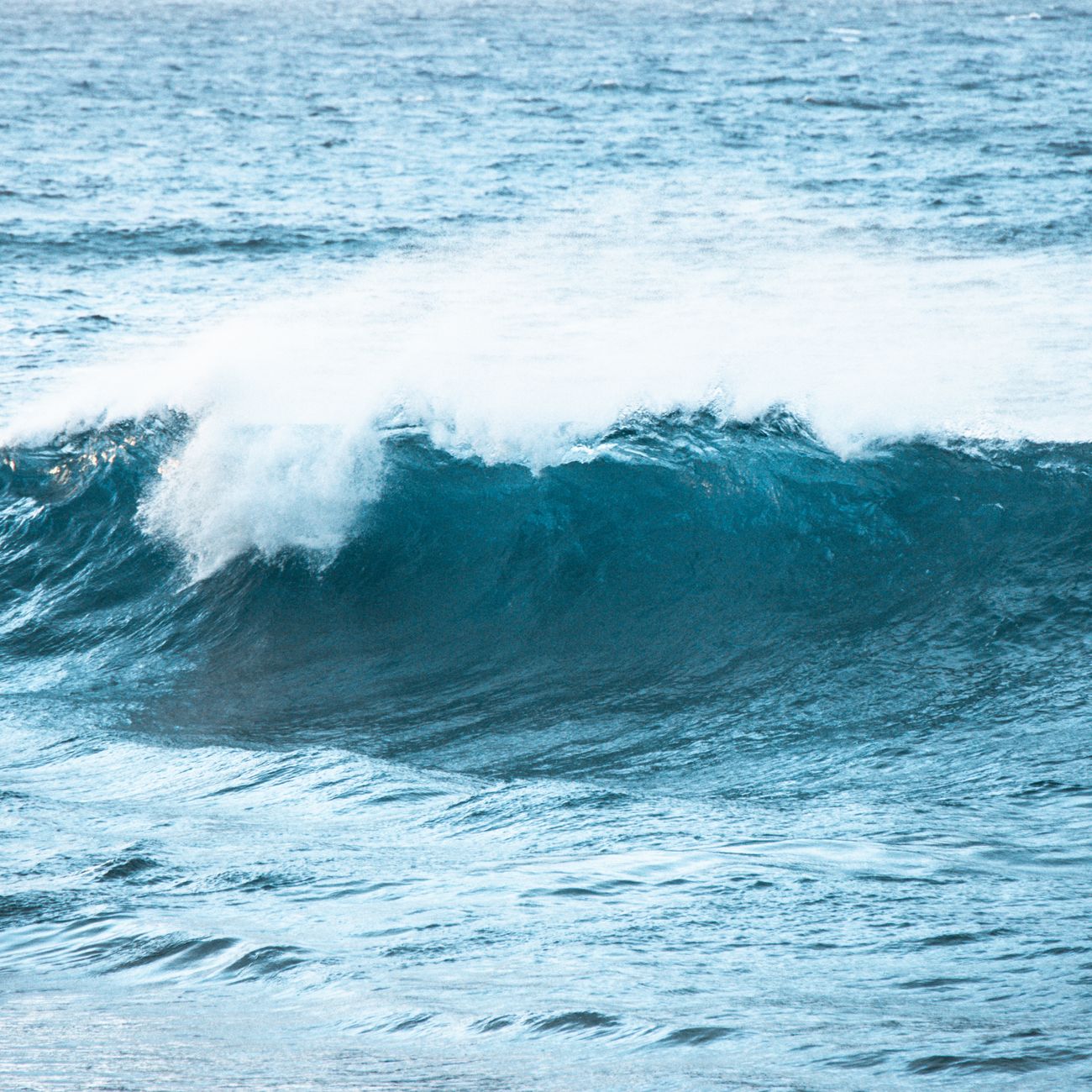
The ocean is a vital component of the Earth's ecosystem, providing numerous benefits and services to human societies, including food, energy, transportation, and recreation. As the world's population continues to grow, the importance of effective ocean governance and management has become increasingly apparent. The Global Certificate Course in Ocean Governance aims to provide students with a comprehensive understanding of the key terms, concepts, and frameworks that underpin ocean policy and institutional arrangements.
One of the fundamental concepts in ocean governance is the Law of the Sea, which is a body of international law that regulates the use of the world's oceans and their resources. The Law of the Sea is based on the United Nations Convention on the Law of the Sea (UNCLOS), which was adopted in 1982 and has been ratified by over 160 countries. UNCLOS provides a framework for the management of the oceans, including the rights and responsibilities of states, the protection of the marine environment, and the conservation of living resources.
Another key concept in ocean governance is sustainable development, which refers to the use of ocean resources in a way that meets the needs of the present without compromising the ability of future generations to meet their own needs. Sustainable development is a core principle of ocean policy, and it requires a balanced approach that takes into account the social, economic, and environmental impacts of human activities in the ocean.
The institutional framework for ocean governance is complex and involves a range of international, regional, and national organizations and agreements. At the international level, the United Nations plays a key role in ocean governance, with the General Assembly and the Security Council addressing ocean-related issues. The Food and Agriculture Organization (FAO) of the United Nations also plays a crucial role in promoting sustainable fishing and aquaculture practices.
Regional organizations, such as the European Union and the Association of Southeast Asian Nations (ASEAN), also have a significant impact on ocean governance. These organizations have developed regional frameworks and policies for managing ocean resources, including fisheries, shipping, and coastal zone management. National governments also play a critical role in ocean governance, with many countries developing their own ocean policies and laws to regulate human activities in their territorial waters.
One of the key challenges in ocean governance is the protection of the marine environment. The ocean is facing numerous threats, including pollution, overfishing, and climate change. These threats have significant impacts on the health of the ocean and its ability to provide ecosystem services, including the provision of food, shelter, and habitat for marine species.
To address these challenges, many countries have established marine protected areas (MPAs), which are designated areas that provide a high level of protection for the marine environment. MPAs can be established in national waters or in the high seas, and they can be used to protect a range of marine ecosystems, including coral reefs, estuaries, and seagrass beds.
Another key concept in ocean governance is integrated coastal zone management (ICZM), which refers to the management of the coastal zone as a single, integrated system. ICZM involves the coordination of multiple stakeholders and sectors, including government agencies, local communities, and the private sector, to manage the coastal zone in a sustainable way.
ICZM is based on a range of principles, including the precautionary principle, which requires that decisions be made in a way that minimizes harm to the environment and human health. ICZM also involves the use of ecosystem-based management, which takes into account the interconnectedness of coastal ecosystems and the impacts of human activities on these ecosystems.
The implementation of ICZM is often challenging, particularly in countries with limited resources and capacity. However, there are many examples of successful ICZM initiatives around the world, including the management of the Great Barrier Reef in Australia and the restoration of the Chesapeake Bay in the United States.
In addition to ICZM, another key concept in ocean governance is ocean governance itself, which refers to the system of rules, institutions, and processes that regulate human activities in the ocean. Ocean governance involves a range of stakeholders, including governments, international organizations, and civil society, and it requires a coordinated approach to manage the complexity of ocean systems.
One of the key challenges in ocean governance is the lack of coordination and cooperation among stakeholders. The ocean is a transboundary system, and many human activities in the ocean have impacts that extend beyond national borders. To address these challenges, many countries have established regional and international agreements, including the UNCLOS and the FAO Code of Conduct for Responsible Fisheries.
The implementation of these agreements is often challenging, particularly in countries with limited capacity and resources. However, there are many examples of successful ocean governance initiatives around the world, including the management of the North Sea and the Baltic Sea in Europe.
In recent years, there has been a growing recognition of the importance of ocean governance in addressing global challenges, including climate change, food security, and sustainable development. The ocean plays a critical role in regulating the Earth's climate, and it is a key source of food and nutrition for millions of people around the world.
To address these challenges, many countries have established national and international initiatives, including the Global Ocean Commission and the United Nations Ocean Conference. These initiatives aim to promote sustainable ocean governance and management, and to address the complex and interconnected challenges facing the ocean and its users.
The private sector also plays a critical role in ocean governance, particularly in the development of sustainable ocean industries, including shipping, tourism, and fisheries. Many companies are now recognizing the importance of ocean governance and are taking steps to reduce their impacts on the marine environment.
For example, some companies are implementing sustainable fisheries practices, including the use of certified sustainable seafood and the implementation of catch limits and closed areas. Other companies are reducing their plastic waste and pollution in the ocean, including the implementation of recycling programs and the use of biodegradable packaging materials.
In addition to the private sector, civil society also plays a critical role in ocean governance, particularly in the promotion of sustainable ocean management and the protection of the marine environment. Many non-governmental organizations (NGOs) are now working to promote sustainable ocean governance, including the World Wildlife Fund (WWF) and the Ocean Conservancy.
These NGOs are working to raise awareness about the importance of ocean governance and the need for sustainable ocean management. They are also working to promote the implementation of international agreements, including the UNCLOS and the FAO Code of Conduct for Responsible Fisheries.
In conclusion, ocean governance is a complex and multifaceted field that requires a coordinated approach to manage the complexity of ocean systems. The implementation of ocean governance is often challenging, particularly in countries with limited capacity and resources.
The private sector and civil society also play a critical role in ocean governance, particularly in the promotion of sustainable ocean management and the protection of the marine environment. Many companies and NGOs are now working to promote sustainable ocean governance, including the implementation of sustainable fisheries practices and the reduction of plastic waste and pollution in the ocean.
The future of ocean governance is uncertain, but it is clear that a coordinated approach will be necessary to address the complex and interconnected challenges facing the ocean and its users. The implementation of ocean governance will require the involvement of multiple stakeholders, including governments, international organizations, the private sector, and civil society.
It will also require a long-term perspective, as the ocean is a slow system that responds slowly to changes in human activities. The implementation of ocean governance will also require a flexible approach, as the ocean is a dynamic system that is subject to change and uncertainty.
In the context of ocean governance, flexibility refers to the ability of institutions and governance systems to adapt to change and uncertainty. This can involve the use of adaptive management approaches, which involve the continuous monitoring and evaluation of ocean systems and the adjustment of management strategies as needed.
The implementation of ocean governance will also require a coordinated approach to research and development, as there are many gaps in our knowledge of ocean systems and the impacts of human activities on these systems. The coordination of research and development will require the involvement of multiple stakeholders, including governments, international organizations, the private sector, and civil society.
The private sector will play a critical role in ocean governance, particularly in the development of sustainable ocean industries, including shipping, tourism, and fisheries.
The implementation of ocean governance will also require a coordinated approach to education and awareness, as there are many gaps in our knowledge of ocean systems and the impacts of human activities on these systems. The coordination of education and awareness will require the involvement of multiple stakeholders, including governments, international organizations, the private sector, and civil society.
The implementation of ocean governance will also require a coordinated approach to capacity building, as there are many gaps in our knowledge of ocean systems and the impacts of human activities on these systems. The coordination of capacity building will require the involvement of multiple stakeholders, including governments, international organizations, the private sector, and civil society.
In addition to the private sector, civil society will also play a critical role in ocean governance, particularly in the promotion of sustainable ocean management and the protection of the marine environment.
Key takeaways
- The Global Certificate Course in Ocean Governance aims to provide students with a comprehensive understanding of the key terms, concepts, and frameworks that underpin ocean policy and institutional arrangements.
- UNCLOS provides a framework for the management of the oceans, including the rights and responsibilities of states, the protection of the marine environment, and the conservation of living resources.
- Sustainable development is a core principle of ocean policy, and it requires a balanced approach that takes into account the social, economic, and environmental impacts of human activities in the ocean.
- At the international level, the United Nations plays a key role in ocean governance, with the General Assembly and the Security Council addressing ocean-related issues.
- National governments also play a critical role in ocean governance, with many countries developing their own ocean policies and laws to regulate human activities in their territorial waters.
- These threats have significant impacts on the health of the ocean and its ability to provide ecosystem services, including the provision of food, shelter, and habitat for marine species.
- To address these challenges, many countries have established marine protected areas (MPAs), which are designated areas that provide a high level of protection for the marine environment.