
Marine Spatial Planning and Ecosystem Management
Marine Spatial Planning is a process that involves the management of human activities in the ocean to achieve ecological, economic, and social objectives. This process requires the use of geographic information systems and other tools to an…
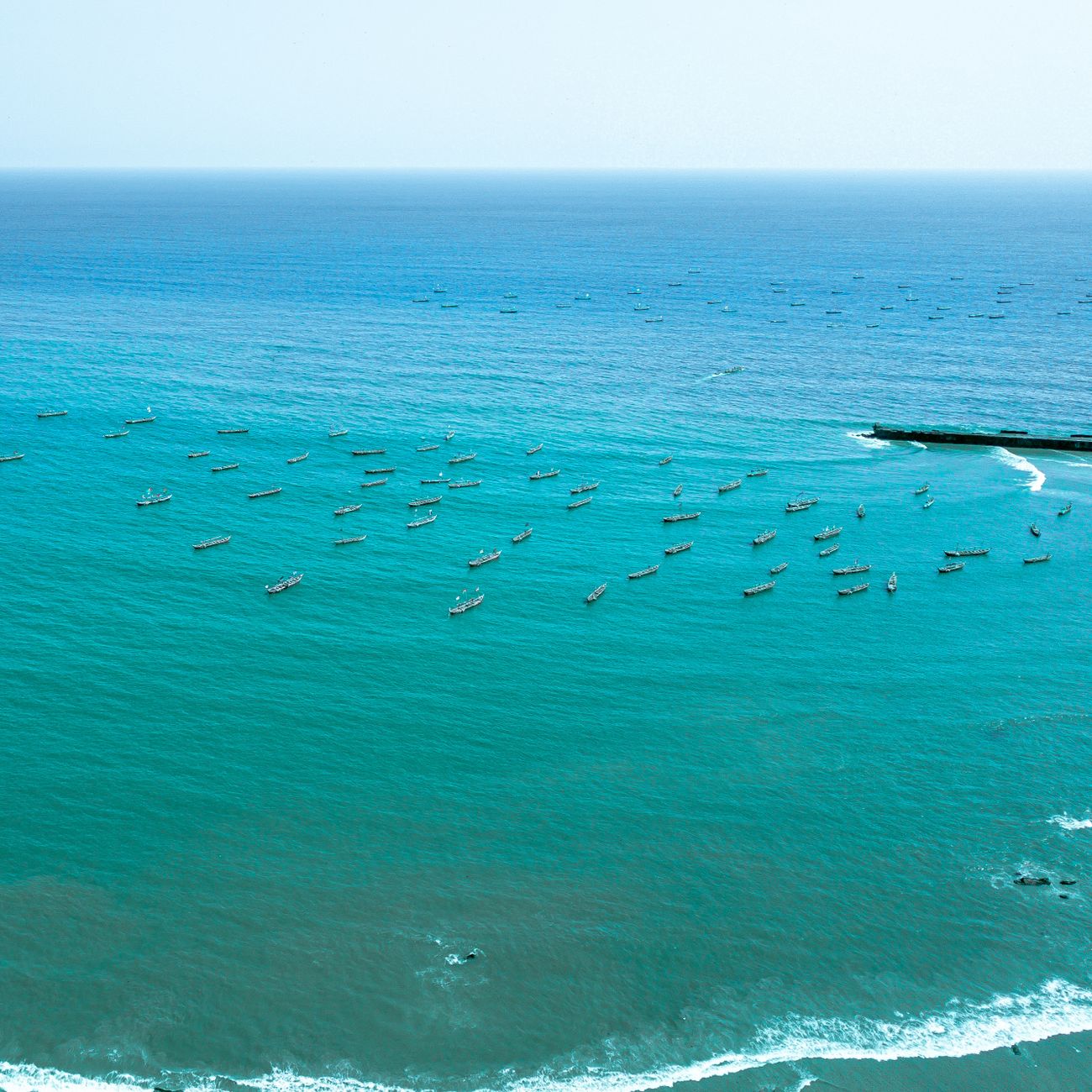
Marine Spatial Planning is a process that involves the management of human activities in the ocean to achieve ecological, economic, and social objectives. This process requires the use of geographic information systems and other tools to analyze and manage the use of marine space. It involves the identification of areas that are suitable for different human activities, such as fishing, shipping, and renewable energy production, while also protecting areas that are important for ecosystem conservation.
The goal of Marine Spatial Planning is to balance the needs of different stakeholders, including fishermen, shipping companies, renewable energy producers, and conservationists, to ensure that human activities in the ocean are sustainable and do not harm the environment. This requires the development of plans that take into account the ecological and social impacts of human activities, as well as the economic benefits that they provide.
Ecosystem Management is a key component of Marine Spatial Planning, as it involves the management of the ecosystem as a whole, rather than just individual species or habitats. This approach recognizes that the ocean is a complex and dynamic system, and that human activities can have unintended consequences for the ecosystem. Ecosystem Management involves the use of scientific research and monitoring to understand the impacts of human activities on the ecosystem, and to develop management plans that minimize these impacts.
One of the key tools used in Ecosystem Management is the ecosystem approach, which involves the management of the ecosystem as a whole, rather than just individual species or habitats. This approach recognizes that the ecosystem is a complex and dynamic system, and that human activities can have unintended consequences for the ecosystem. The ecosystem approach involves the use of scientific research and monitoring to understand the impacts of human activities on the ecosystem, and to develop management plans that minimize these impacts.
Another key concept in Marine Spatial Planning and Ecosystem Management is the idea of resilience, which refers to the ability of the ecosystem to withstand disturbances and stressors, such as climate change, pollution, and overfishing. Resilience is important because it allows the ecosystem to recover from disturbances and stressors, and to continue providing ecosystem services, such as food, shelter, and habitat for species.
In order to manage the ecosystem effectively, it is necessary to have a good understanding of the ecological and social processes that shape the ecosystem. This requires the use of scientific research and monitoring to understand the ecological and social impacts of human activities, as well as the development of management plans that take into account the ecological and social context.
Marine Spatial Planning and Ecosystem Management also involve the use of governance structures and processes to manage human activities in the ocean. This includes the development of laws and regulations to manage human activities, as well as the establishment of institutions and organizations to implement and enforce these laws and regulations.
One of the key challenges in Marine Spatial Planning and Ecosystem Management is the need to balance the ecological, social, and economic objectives of different stakeholders. This requires the use of participatory approaches to involve stakeholders in the planning and management process, as well as the development of indicators and metrics to measure the ecological, social, and economic impacts of human activities.
Another challenge in Marine Spatial Planning and Ecosystem Management is the need to address the transboundary nature of the ocean. The ocean is a global commons, and human activities in one region can have impacts on the ecosystem in other regions. This requires the development of international agreements and cooperation to manage human activities in the ocean and to protect the ecosystem.
In addition to these challenges, Marine Spatial Planning and Ecosystem Management also involve a number of technical and scientific challenges. For example, there is a need for accurate and reliable data on the ecosystem and human activities, as well as the development of models and tools to analyze and manage the ecosystem.
The use of technology is also an important aspect of Marine Spatial Planning and Ecosystem Management. For example, remote sensing and GIS can be used to collect and analyze data on the ecosystem and human activities, while computer models can be used to simulate the ecological and social impacts of human activities.
Furthermore, Marine Spatial Planning and Ecosystem Management require a good understanding of the social and economic context in which human activities take place. This includes an understanding of the cultural and historical context of human activities, as well as the economic and social benefits that they provide.
The ecosystem approach is also important in Marine Spatial Planning and Ecosystem Management, as it involves the management of the ecosystem as a whole, rather than just individual species or habitats.
In addition, the concept of resilience is also important in Marine Spatial Planning and Ecosystem Management, as it refers to the ability of the ecosystem to withstand disturbances and stressors, such as climate change, pollution, and overfishing. Resilience is important because it allows the ecosystem to recover from disturbances and stressors, and to continue providing ecosystem services, such as food, shelter, and habitat for species.
Marine Spatial Planning and Ecosystem Management also involve the use of adaptive management approaches, which involve the continuous monitoring and evaluation of the ecosystem and human activities, and the adjustment of management plans and policies as needed.
The use of participatory approaches is also important in Marine Spatial Planning and Ecosystem Management, as it involves the involvement of stakeholders in the planning and management process. This approach recognizes that the ecosystem is a public good, and that the management of human activities in the ocean should be based on the principles of transparency, accountability, and participation.
In addition, the development of indicators and metrics is also important in Marine Spatial Planning and Ecosystem Management, as it involves the measurement of the ecological, social, and economic impacts of human activities.
The use of international agreements and cooperation is also important in Marine Spatial Planning and Ecosystem Management, as it involves the coordination of human activities in the ocean across national borders. This approach recognizes that the ocean is a global commons, and that human activities in one region can have impacts on the ecosystem in other regions.
In order to address the transboundary nature of the ocean, Marine Spatial Planning and Ecosystem Management require the development of international agreements and cooperation to manage human activities in the ocean and to protect the ecosystem. This includes the development of global and regional frameworks for the management of human activities in the ocean, as well as the establishment of institutions and organizations to implement and enforce these agreements and frameworks.
The use of technology is also an important aspect of Marine Spatial Planning and Ecosystem Management, as it involves the use of remote sensing and GIS to collect and analyze data on the ecosystem and human activities.
Key takeaways
- It involves the identification of areas that are suitable for different human activities, such as fishing, shipping, and renewable energy production, while also protecting areas that are important for ecosystem conservation.
- This requires the development of plans that take into account the ecological and social impacts of human activities, as well as the economic benefits that they provide.
- Ecosystem Management involves the use of scientific research and monitoring to understand the impacts of human activities on the ecosystem, and to develop management plans that minimize these impacts.
- The ecosystem approach involves the use of scientific research and monitoring to understand the impacts of human activities on the ecosystem, and to develop management plans that minimize these impacts.
- Resilience is important because it allows the ecosystem to recover from disturbances and stressors, and to continue providing ecosystem services, such as food, shelter, and habitat for species.
- In order to manage the ecosystem effectively, it is necessary to have a good understanding of the ecological and social processes that shape the ecosystem.
- This includes the development of laws and regulations to manage human activities, as well as the establishment of institutions and organizations to implement and enforce these laws and regulations.