
Monitoring Evaluation and Adaptive Management
Monitoring is the systematic, ongoing collection of data about the performance of a slow‑tourism initiative. It answers the question “What is happening now?” By tracking activities, outputs, and early‑stage outcomes. In an immersive travel …
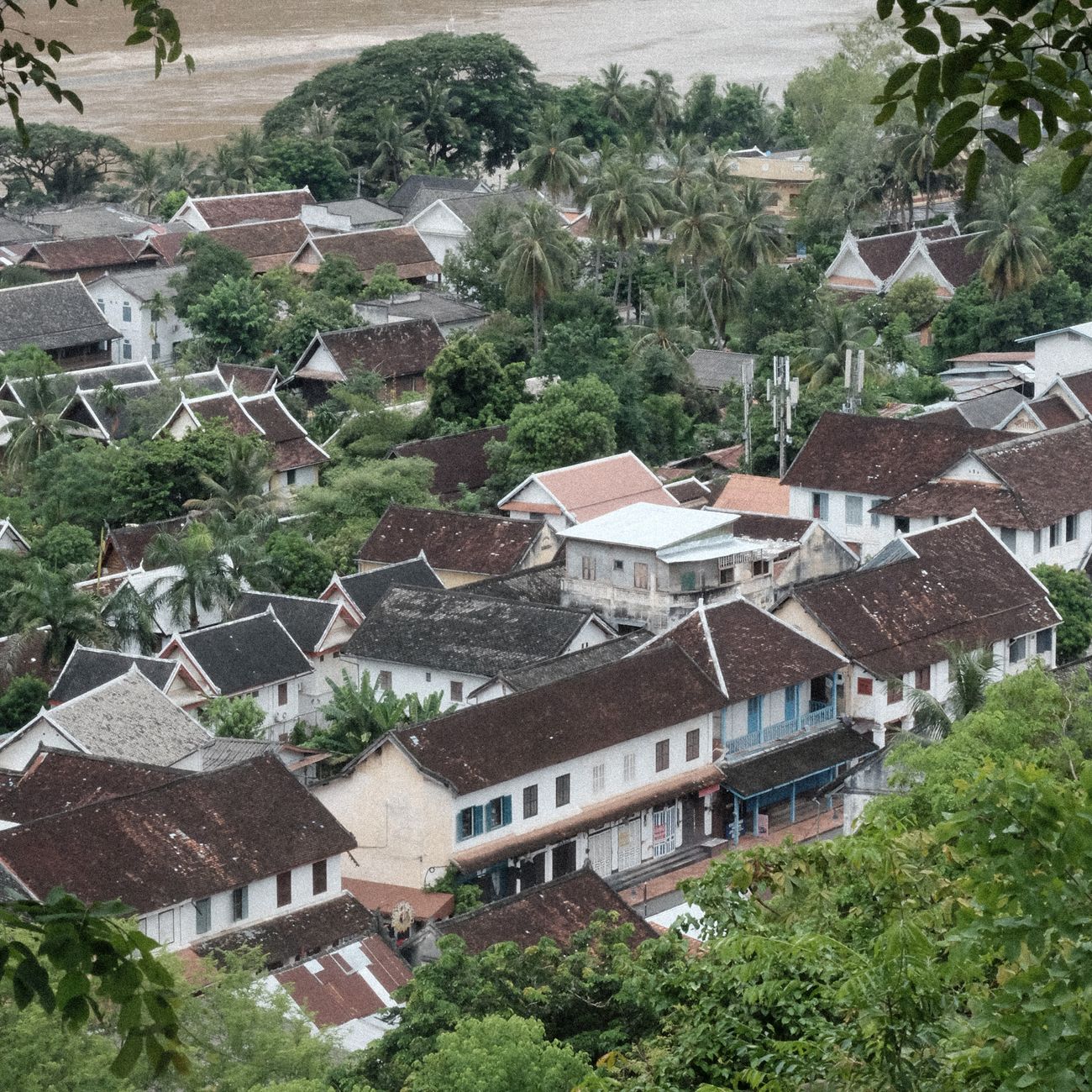
Monitoring is the systematic, ongoing collection of data about the performance of a slow‑tourism initiative. It answers the question “What is happening now?” By tracking activities, outputs, and early‑stage outcomes. In an immersive travel context, monitoring might involve counting the number of visitors who participate in a community‑led cooking workshop, recording the frequency of foot traffic on a historic trail, or logging the volume of waste generated during a weekend stay in a rural homestead. The data gathered are usually quantitative – for example, a daily visitor log – but can also include qualitative observations such as guest comments about the authenticity of the experience. Effective monitoring is continuous, not a one‑off event, and it provides the raw material for later analysis and decision‑making.
Evaluation moves beyond the “what is happening” focus of monitoring to ask “What difference has been made?” It involves a deeper analysis of the data to assess the relevance, effectiveness, efficiency, impact, and sustainability of a tourism programme. Evaluations can be formative – conducted during implementation to refine activities – or summative – conducted after a defined period to judge overall success. For instance, a formative evaluation of a new storytelling route might reveal that participants are spending less time at each stop than anticipated, prompting a redesign of interpretive signage. A summative evaluation could compare the economic benefits to local artisans before and after the route’s launch, using baseline data collected at the start of the project.
Adaptive Management is a structured, iterative process of learning from monitoring and evaluation to adjust strategies and actions in real time. It rests on the premise that complex tourism systems are dynamic and that managers must be flexible to respond to new information, changing stakeholder expectations, or unforeseen environmental impacts. In practice, adaptive management may involve altering the capacity limits of a heritage village after a surge in visitor numbers, or shifting promotional focus from high‑season to shoulder‑season packages based on feedback indicating visitor fatigue with crowded peak periods. The adaptive cycle consists of planning, implementing, monitoring, evaluating, and then revising the plan – a continuous loop that fosters resilience and long‑term sustainability.
Indicator is a specific, measurable sign that reflects progress toward a desired outcome. Indicators can be quantitative, such as “average length of stay (days),” or qualitative, such as “visitor perception of cultural authenticity.” Good indicators are SMART – specific, measurable, achievable, relevant, and time‑bound. For slow tourism, a key indicator might be the proportion of tourists who engage in at least one local activity (e.G., Farm work, craft making) during their stay. Another could be the reduction in carbon emissions per visitor when comparing traditional transport options to bike‑based itineraries.
Baseline data capture the conditions before a tourism intervention begins. Establishing a baseline is essential for measuring change and attributing outcomes to specific actions. In a coastal village, a baseline survey might record current employment rates in hospitality, the existing level of marine litter, and the number of cultural events held annually. These figures become reference points against which future monitoring data are compared, allowing managers to assess whether the programme is moving the community toward its desired future state.
Benchmark refers to a standard or point of reference derived from best‑practice examples, industry norms, or historical performance. Benchmarks help tourism managers gauge whether their outcomes are on track, above, or below expectations. For example, a benchmark for visitor satisfaction in immersive travel could be set at 85 % positive feedback, based on data from comparable destinations that have successfully integrated community‑based experiences.
Logic Model is a visual representation that links inputs, activities, outputs, outcomes, and impacts. It clarifies the causal pathways through which resources (funding, staff, expertise) are expected to generate desired results. In a slow‑tourism project, the logic model might show that investment in local guide training (input) leads to the development of authentic walking tours (activity), which produces a greater number of culturally enriched experiences (output), resulting in increased visitor understanding of local heritage (short‑term outcome) and stronger community pride (long‑term impact).
Theory of Change expands on the logic model by articulating the underlying assumptions and contextual factors that influence each step. It asks “why do we think this will work?” And makes those assumptions explicit. For an immersive travel programme, a theory of change might assume that when tourists participate in hands‑on craft sessions, they develop empathy for local livelihoods, which in turn encourages them to purchase locally made products, thereby boosting household incomes. Testing these assumptions through monitoring and evaluation validates or refines the theory.
Key Performance Indicator (KPI) is a critical metric that organizations track to assess performance against strategic objectives. In the context of slow tourism, KPIs could include “percentage of repeat visitors,” “average spend per guest on local goods,” or “number of community members employed as guides.” KPIs are often highlighted in reports to funders and stakeholders as evidence of progress.
Outcome denotes the short‑ to medium‑term effects of an activity. Outcomes differ from outputs, which are the direct products of activities (e.G., Number of tours delivered). An outcome might be “increased visitor knowledge of traditional farming practices,” measured through post‑visit questionnaires. Outcomes are the stepping stones that lead to broader impacts.
Impact represents the long‑term, systemic changes that result from a tourism programme. Impacts are usually measured at the community or regional level and may include “enhanced cultural resilience,” “improved environmental quality,” or “greater economic diversification.” Impacts are difficult to attribute directly to a single intervention, which is why rigorous evaluation designs, such as counterfactual analysis, are often employed.
Stakeholder encompasses any individual, group, or organization with an interest in the tourism project. Stakeholders in slow tourism include local residents, artisans, government agencies, NGOs, travel agencies, and tourists themselves. Engaging stakeholders throughout the monitoring and evaluation process ensures relevance, builds trust, and improves data quality. Participatory workshops, focus groups, and community scorecards are common methods for capturing stakeholder perspectives.
Participatory Monitoring involves community members in data collection and analysis. This approach empowers locals, builds capacity, and often yields richer, context‑specific insights. For example, village elders might keep a simple ledger of the number of tourists who attend a cultural ceremony, noting any deviations from traditional protocols. Their observations can highlight subtle cultural shifts that external researchers might miss.
Data Collection methods vary according to the type of information needed. Quantitative techniques include visitor counts, surveys with Likert‑scale items, and GPS tracking of movement patterns. Qualitative techniques encompass interviews, participant observation, and narrative storytelling. Mixed‑methods designs combine both to provide a fuller picture of tourist experiences and community impacts.
Qualitative Data captures non‑numerical information such as feelings, motivations, and experiences. In immersive travel, qualitative data might be gathered through open‑ended interview questions like “Describe how your stay influenced your view of the local way of life.” Analyzing these narratives can reveal deeper shifts in attitudes that are not evident from numerical scores alone.
Quantitative Data consists of numbers that can be statistically analyzed. Examples include the total number of overnight stays, average expenditure per visitor, or the percentage of tourists who recycle waste during their stay. Quantitative data are useful for tracking trends over time and for comparing performance against benchmarks.
Mixed Methods integrates both qualitative and quantitative approaches, allowing triangulation of findings. A mixed‑methods study might first collect visitor satisfaction scores (quantitative) and then conduct focus groups to explore the reasons behind high or low scores (qualitative). This combination strengthens the validity of conclusions and supports more nuanced adaptive decisions.
Baseline Survey is the instrument used to gather initial data before program implementation. It typically includes demographic questions, current attitudes, existing economic indicators, and environmental conditions. Designing a robust baseline survey requires careful pre‑testing to ensure questions are culturally appropriate and understandable.
Counterfactual refers to the scenario that would have occurred in the absence of the intervention. Establishing a credible counterfactual is essential for impact evaluation because it isolates the effect of the tourism programme from other influences. Methods for constructing a counterfactual include using a control group of similar communities that did not receive the intervention, or applying statistical techniques such as propensity score matching.
Control Group is a set of subjects or sites that do not receive the treatment but are otherwise comparable to those that do. In a slow‑tourism study, a control group could be a neighboring village that continues with conventional mass‑tourism practices, enabling researchers to compare outcomes such as income diversification or visitor attitudes.
Monitoring Framework outlines the structure for data collection, including the indicators, data sources, frequency, and responsible parties. A well‑designed framework ensures that monitoring activities are systematic, consistent, and aligned with strategic goals. For example, the framework might specify monthly visitor counts, quarterly surveys of local business owners, and annual environmental audits.
Evaluation Framework defines the criteria, methods, and timelines for assessing performance and impact. It identifies the types of evaluation (formative, summative, process, impact) and the tools that will be employed. The framework also clarifies the roles of internal staff versus external evaluators, and sets expectations for reporting and dissemination.
Formative Evaluation occurs during programme implementation and focuses on improving processes. It provides immediate feedback that can be used to adjust activities. In a slow‑tourism pilot, a formative evaluation might reveal that tourists find the schedule too rushed, prompting organizers to extend the duration of each immersion activity.
Summative Evaluation is conducted at the end of a project or after a defined period, assessing overall achievement of objectives. It looks at outcomes and impacts, often using a comparative analysis with baseline data. Summative evaluation results are typically shared with funders, policymakers, and the broader tourism community to demonstrate value and inform future investments.
Process Evaluation examines how a programme was delivered, including the quality of implementation, fidelity to the design, and stakeholder engagement. It helps answer questions such as “Were the training sessions for local guides conducted as planned?” And “Did the community participate in decision‑making as intended?”
Impact Evaluation measures the long‑term effects of the programme on target populations and environments. It often employs rigorous designs, such as randomized controlled trials or quasi‑experimental approaches, to attribute observed changes to the intervention. In the context of immersive travel, impact evaluation might assess whether the introduction of cultural tours has led to measurable improvements in community health indicators, such as reduced stress levels among residents.
Learning Loop is the mechanism by which information from monitoring and evaluation feeds back into decision‑making. It involves summarizing findings, discussing implications with stakeholders, and committing to concrete actions. Effective learning loops are documented and revisited regularly, ensuring that lessons are not lost and that adaptive management remains evidence‑based.
Feedback Mechanism refers to the channels through which data, observations, and stakeholder opinions are communicated back to project managers. Feedback can be formal, such as written reports and dashboards, or informal, such as community meetings and suggestion boxes. Timely feedback enables quick adjustments, such as rerouting a walking tour that is causing erosion on a fragile hillside.
Adaptive Cycle is a conceptual model describing the phases of growth, conservation, release, and reorganization within complex systems. In tourism, the cycle can be observed when a destination experiences rapid growth (expansion), then reaches a plateau (conservation), faces a shock such as overtourism (release), and subsequently restructures its offerings toward more sustainable, slower experiences (reorganization). Recognizing which phase a destination occupies helps managers apply the appropriate adaptive strategies.
Resilience denotes the ability of a tourism system – including the environment, community, and economy – to absorb disturbances while maintaining core functions. Building resilience involves diversifying tourism products, strengthening local governance, and preserving cultural assets. Monitoring resilience indicators, such as the ratio of tourism‑related income to total household income, provides insight into how well a community can withstand external shocks.
Sustainable Development Goals (SDGs) provide a globally recognized framework for aligning tourism initiatives with broader development objectives. Slow tourism projects often contribute directly to SDG 8 (Decent Work and Economic Growth), SDG 11 (Sustainable Cities and Communities), SDG 12 (Responsible Consumption and Production), and SDG 15 (Life on Land). Mapping programme indicators to relevant SDG targets helps attract funding and demonstrates contribution to international agendas.
Community‑Based Monitoring places the responsibility for data collection and analysis in the hands of local residents. This approach fosters ownership, reduces costs, and can improve data relevance. For example, a fishing village might train youth to record the number of tourists who join a daily catch‑and‑cook activity, noting any changes in fish stock observations.
Participatory Evaluation extends participation to the assessment phase, allowing community members to interpret findings and co‑design recommendations. In a participatory evaluation workshop, locals might prioritize which tourism impacts to address first, such as improving waste management before expanding accommodation capacity.
SMART Indicators are those that are Specific, Measurable, Achievable, Relevant, and Time‑bound. They help avoid vague or overly ambitious targets. An example of a SMART indicator for slow tourism is “increase the proportion of visitors who stay at least three nights from 30 % to 45 % within two years.”
Data Quality encompasses accuracy, completeness, consistency, and timeliness of the information collected. Poor data quality can mislead managers and undermine adaptive decisions. Practices such as regular data audits, training of enumerators, and use of standardized tools improve quality.
Validity refers to the extent to which an indicator measures what it is intended to measure. For instance, using “visitor satisfaction with food” as a proxy for “cultural immersion” may lack validity if food quality is not directly linked to cultural learning. Validation studies, pilot testing, and expert review help ensure appropriateness.
Reliability is the degree to which repeated measurements under the same conditions produce consistent results. A reliable visitor count method should yield similar numbers when the same trail is monitored on consecutive days, assuming visitor flow is stable. Reliability is enhanced through clear protocols and training.
Triangulation involves using multiple data sources or methods to cross‑verify findings. Combining visitor surveys, GPS tracking, and local business revenue records can provide a more robust picture of tourism impacts than any single source alone. Triangulation reduces bias and strengthens confidence in conclusions.
Data Management covers the processes of storing, organizing, protecting, and retrieving data. Secure databases, clear naming conventions, and backup routines are essential for preserving the integrity of monitoring and evaluation information. Good data management also facilitates sharing results with stakeholders and complying with privacy regulations.
GIS Mapping (Geographic Information Systems) visualizes spatial data, such as the distribution of tourist activities across a landscape. GIS can reveal hotspots of environmental pressure, guide the placement of new walking routes, and support decision‑making on carrying capacity. For example, mapping waste collection points can highlight areas where additional recycling bins are needed.
Visitor Experience Metrics assess the quality of the tourist journey, including aspects such as perceived authenticity, emotional connection, and learning outcomes. Tools such as the Experience Quality Index or the Authenticity Perception Scale provide structured ways to capture these dimensions. Monitoring these metrics helps ensure that slow‑tourism offerings remain compelling and meaningful.
Carrying Capacity defines the maximum number of visitors that a destination can accommodate without degrading its natural, cultural, or social assets. It can be expressed in terms of physical limits (e.G., Trail erosion thresholds), social limits (e.G., Resident tolerance), or environmental limits (e.G., Waste processing capacity). Monitoring visitor numbers against established carrying capacity thresholds enables proactive management.
Visitor Impact Monitoring tracks the direct and indirect effects of tourism on the environment and community. Indicators may include soil compaction levels, water quality measurements, noise levels, and changes in local cost of living. Regular impact monitoring informs adaptive actions such as limiting group sizes or introducing seasonal closures.
Cultural Heritage Indicators gauge the health of intangible and tangible cultural assets. Examples include the number of traditional festivals held annually, the level of intergenerational knowledge transfer, and the proportion of tourists who participate in heritage workshops. These indicators help balance tourism development with the preservation of local identity.
Ecotourism Metrics focus on the environmental stewardship component of tourism. They might measure the proportion of tours that adhere to low‑impact guidelines, the amount of carbon offset purchased, or the increase in native species sightings reported by visitors. Aligning ecotourism metrics with slow‑tourism principles reinforces the commitment to sustainability.
Social Return on Investment (SROI) quantifies the social, environmental, and economic value created by a tourism programme relative to the investment made. Calculations involve assigning monetary values to outcomes such as job creation, cultural preservation, and improved health. SROI provides a compelling narrative for funders and policymakers.
Cost‑Benefit Analysis (CBA) compares the total costs of a tourism project with its anticipated benefits. In slow tourism, benefits may include higher visitor spend per day, increased employment, and ecosystem services preservation. CBA helps determine whether the programme delivers net positive value and informs resource allocation.
Risk Assessment identifies potential threats to the success of a tourism initiative, such as natural disasters, market fluctuations, or community opposition. By evaluating the likelihood and impact of each risk, managers can develop mitigation strategies, such as diversifying revenue streams or establishing emergency response plans.
Scenario Planning explores alternative futures based on varying assumptions about external drivers (e.G., Climate change, travel trends). Scenario workshops with stakeholders can generate strategic pathways, helping destinations prepare for both optimistic and challenging conditions. Adaptive management uses scenario outcomes to prioritize actions and allocate resources.
Management Plan is the comprehensive document that outlines goals, strategies, responsibilities, timelines, and budgets for a tourism initiative. It integrates monitoring and evaluation components, specifying how data will be collected, who will analyze it, and how findings will be used to adjust the plan. A robust management plan is a living document, updated as new information emerges.
Adaptive Governance extends adaptive management to the institutional level, emphasizing flexible, collaborative decision‑making structures. It involves multiple actors – government agencies, NGOs, private operators, and community groups – sharing authority and information. Adaptive governance enables rapid responses to emerging challenges, such as sudden spikes in visitor numbers during a cultural festival.
Continuous Improvement is the ongoing pursuit of better performance, informed by data and stakeholder feedback. It is a core principle of quality management systems and aligns closely with adaptive management. In practice, continuous improvement may involve regular workshops where staff review monitoring dashboards, discuss lessons learned, and plan incremental changes.
Learning Organization describes an entity that systematically captures, shares, and applies knowledge. For a tourism operator, being a learning organization means documenting best practices, encouraging staff to experiment with new interpretive techniques, and integrating visitor feedback into staff training programs. Such organizations are better positioned to innovate and stay responsive to market shifts.
Visitor Satisfaction Survey is a common tool for gathering guest opinions about their experience. It typically includes Likert‑scale questions on aspects such as accommodation comfort, guide knowledge, and perceived authenticity. To avoid survey fatigue, the instrument should be concise, culturally sensitive, and administered at appropriate points (e.G., After the final activity).
Community Scorecard is a participatory evaluation method where residents rate tourism performance against criteria they deem important (e.G., Benefit sharing, cultural respect, environmental stewardship). The scorecard process fosters dialogue, highlights gaps, and builds consensus on priorities for improvement.
Environmental Impact Assessment (EIA) is a formal appraisal of the potential environmental consequences of a proposed tourism development. While not a monitoring activity per se, the EIA provides baseline data and identifies mitigation measures that later monitoring can verify. For slow tourism, an EIA might focus on the cumulative effects of small‑scale homestays on water resources.
Social Impact Assessment (SIA) examines how tourism influences community dynamics, livelihoods, and cultural practices. It involves qualitative methods such as focus groups and narrative analysis to capture nuanced changes. Findings from SIA feed into adaptive management by highlighting areas where tourism may be eroding social cohesion.
Visitor Flow Analysis uses data on the timing, sequence, and duration of tourist movements to optimize site management. Techniques include heat‑mapping, time‑based counts, and simulation modeling. By understanding peak visitation periods, managers can stagger activities, introduce timed entry, or develop alternative routes to reduce crowding.
Waste Auditing systematically records the types and quantities of waste generated by tourists and local businesses. Audits can reveal opportunities for waste reduction, recycling program implementation, or education campaigns. In slow tourism, emphasizing waste minimization aligns with the ethos of low‑impact travel.
Economic Leakage describes the portion of tourism revenue that exits the local economy rather than benefiting residents. Monitoring leakage involves tracking where tourist spending goes – for example, whether meals are sourced from local farms or imported from distant suppliers. Reducing leakage is a key objective of community‑focused tourism strategies.
Benefit‑Sharing Model outlines how tourism revenues are allocated among stakeholders. It may include direct payments to households, community development funds, or reinvestment in infrastructure. Transparent benefit‑sharing models increase local support and can be tracked through financial reporting and community surveys.
Visitor Motivation Survey explores the reasons why tourists choose a slow‑tourism experience – such as seeking authentic cultural immersion, environmental consciousness, or personal growth. Understanding motivations helps tailor marketing messages, design relevant activities, and anticipate future demand trends.
Interpretive Signage Evaluation assesses whether informational panels effectively convey cultural and natural meanings to visitors. Evaluation methods include observation of visitor engagement, comprehension tests, and feedback forms. Results inform redesign of signage to enhance learning outcomes.
Capacity Building refers to activities that strengthen the skills, knowledge, and resources of local stakeholders. Training workshops on sustainable hospitality, guide certification programs, and digital marketing courses are examples. Monitoring capacity‑building outcomes involves tracking participant numbers, skill acquisition, and subsequent employment or business growth.
Tourism Carrying Capacity Model integrates ecological, social, and infrastructural limits into a single framework. Models often use quantitative thresholds (e.G., Maximum daily visitors per hectare) combined with qualitative judgments (e.G., Resident satisfaction). Adaptive management revisits these thresholds as monitoring data reveal changes in ecosystem health or community attitudes.
Visitor Perception Index aggregates multiple survey items into a composite score reflecting overall visitor attitudes toward the destination. Weighting of items may be based on stakeholder priorities. Changes in the index over time indicate whether adaptive interventions are improving the visitor experience.
Local Employment Ratio measures the proportion of tourism‑related jobs filled by residents. This ratio is a key indicator of inclusive economic development. Monitoring trends can reveal whether new tourism enterprises are creating opportunities for local youth or whether external operators dominate the market.
Revenue Diversification Index evaluates the extent to which tourism income is spread across different products (e.G., Accommodation, guided tours, craft sales). A higher index suggests reduced vulnerability to market fluctuations. Adaptive strategies might aim to introduce new experiences, such as agritourism workshops, to broaden the revenue base.
Visitor Education Program provides information on responsible travel behaviours, cultural etiquette, and environmental stewardship. Monitoring the uptake and effectiveness of education programs can involve pre‑ and post‑session quizzes, observation of visitor actions (e.G., Proper waste disposal), and self‑reporting of behavioural changes.
Community Resilience Score combines indicators of social capital, economic diversification, and environmental health to gauge how well a community can withstand shocks. The score can be updated annually, with adaptive management adjusting interventions to strengthen identified weak spots.
Digital Data Dashboard presents real‑time monitoring indicators in an interactive visual format. Dashboards enable managers to quickly spot trends, such as rising visitor numbers on a particular trail, and trigger immediate responses, like deploying additional staff or issuing temporary closures.
Stakeholder Mapping identifies all relevant actors, their interests, influence, and relationships. Mapping assists in designing inclusive monitoring and evaluation processes, ensuring that voices from marginalized groups are heard. The map is updated as new partnerships form or existing ones evolve.
Ethical Considerations in monitoring and evaluation include informed consent, data privacy, and cultural sensitivity. Researchers must respect local customs when collecting data, avoid exploiting vulnerable populations, and ensure that findings are shared in accessible formats.
Participatory Data Validation involves community members reviewing and confirming the accuracy of collected data. For example, after a week of visitor counts, local volunteers might cross‑check the numbers against manual logs, correcting any discrepancies before the data are entered into the central database.
Temporal Analysis examines how indicators change over time, revealing trends, seasonality, or the impact of specific interventions. Graphs of monthly visitor numbers, for instance, can highlight the effectiveness of promotional campaigns or the need for capacity adjustments during high‑demand periods.
Spatial Analysis focuses on geographic patterns, such as the distribution of tourist spending across a region. GIS layers can illustrate where economic benefits are concentrated and where underserved areas exist, guiding equitable development strategies.
Benchmarking Against Peer Destinations provides context for performance. Comparing visitor satisfaction scores, environmental impact metrics, or community benefit ratios with similar slow‑tourism sites helps identify best practices and areas for improvement.
Data Visualization translates complex data sets into intuitive graphics – charts, maps, infographics – that facilitate stakeholder understanding. Effective visualizations support decision‑making and foster transparency, especially when presenting findings to community members with limited technical background.
Feedback Loop Timing determines how quickly data are turned into action. Short loops (e.G., Daily visitor counts informing immediate crowd control) enable rapid response, while longer loops (e.G., Annual impact assessments guiding strategic planning) support broader adjustments. Balancing both ensures agility and strategic depth.
Resource Allocation decisions are informed by monitoring results that highlight where investments yield the greatest benefits. For instance, if data show that waste generation spikes during certain festivals, resources can be directed toward temporary waste collection infrastructure during those periods.
Policy Alignment ensures that tourism monitoring and adaptive management support national and regional policies on heritage protection, environmental conservation, and rural development. Regular reviews of policy frameworks help maintain coherence and leverage governmental support.
Capacity Constraints often limit the ability to conduct comprehensive monitoring. Common constraints include limited staff, insufficient funding, and lack of technical expertise. Addressing these constraints may involve partnering with academic institutions, seeking grant funding, or training local volunteers in data collection techniques.
Data Gaps arise when certain indicators are not measured or when data are missing for specific time periods. Identifying and prioritizing gaps enables focused efforts to fill them, such as introducing new survey modules or improving data management systems.
Stakeholder Fatigue can occur when community members are repeatedly asked to provide information without seeing tangible benefits. Mitigating fatigue requires clear communication about how data are used, timely sharing of results, and tangible outcomes that reflect community input.
Adaptive Decision‑Making Process typically follows a sequence: (1) Review monitoring data, (2) assess performance against targets, (3) identify gaps or emerging issues, (4) develop alternative actions, (5) select the most appropriate adaptation, (6) implement changes, and (7) monitor the effects of the adaptation. This cyclical process promotes continuous learning.
Scenario Testing within adaptive management involves simulating the outcomes of potential interventions before implementation. For example, a model might predict the environmental impact of increasing homestay capacity by 20 % under different waste‑management scenarios, helping managers choose the least damaging option.
Governance Structures that support adaptive management often include multi‑stakeholder committees, clear lines of authority, and mechanisms for conflict resolution. Formal terms of reference define roles, meeting frequencies, and reporting obligations, ensuring that adaptive processes are institutionalized rather than ad‑hoc.
Technology Integration enhances monitoring efficiency. Mobile data collection apps allow field staff to capture visitor counts, GPS tracks, and survey responses in real time. Cloud‑based platforms store data securely and enable remote analysis. However, technology adoption must be balanced with local capacity and connectivity constraints.
Cost‑Effective Monitoring strategies include using existing data sources (e.G., Accommodation tax records), leveraging citizen science (e.G., Tourists reporting wildlife sightings via a smartphone app), and employing simple tools (e.G., Tally sheets). Cost‑effectiveness does not mean compromising quality; rather, it involves smart design to maximize information value per resource spent.
Learning from Failures is a critical component of adaptive management. Documenting initiatives that did not achieve desired outcomes, analyzing the reasons, and sharing these lessons prevent repetition of mistakes. A culture that values honest reflection encourages innovation and resilience.
Integration of Cultural Indicators ensures that intangible heritage is not overlooked. Measures such as “frequency of traditional song performances attended by tourists” or “number of local artisans involved in tourism activities” capture cultural vitality. Monitoring these indicators helps preserve authenticity while allowing tourism to contribute positively.
Visitor Return Rate tracks the proportion of guests who revisit the destination. High return rates often indicate satisfaction with the slow‑tourism experience and can signal strong word‑of‑mouth promotion. Monitoring return rates informs marketing strategies and helps allocate resources toward repeat‑visitor programs.
Seasonality Management addresses fluctuations in visitor numbers across the year. Adaptive strategies may include developing off‑peak attractions (e.G., Winter craft workshops), offering flexible pricing, or promoting local festivals during low‑season periods. Monitoring seasonal trends guides these interventions.
Environmental Carrying Capacity Metrics such as “soil compaction index” or “water quality parameters” provide concrete evidence of ecosystem health. Regular measurement of these metrics informs whether visitor numbers need to be limited or whether restoration measures are required.
Social Equity Index measures the distribution of tourism benefits across different social groups within the community (e.G., Gender, age, income). A balanced index indicates that tourism is inclusive and does not exacerbate existing inequalities. Adaptive management may target interventions to groups that are under‑benefitting.
Visitor Learning Outcomes assess the extent to which tourists acquire knowledge or develop attitudes aligned with slow‑tourism values. Pre‑ and post‑experience quizzes, reflective journals, or digital badges can capture learning gains. Tracking these outcomes helps refine interpretive content and educational components.
Local Knowledge Integration involves incorporating community wisdom into monitoring design. For example, elders may identify subtle signs of environmental degradation that are not captured by standard scientific indicators. Co‑creating monitoring tools with locals enriches data relevance and strengthens ownership.
Policy Feedback is the process by which monitoring results inform higher‑level policy revisions. If data reveal that current regulations on visitor numbers are insufficient to protect a fragile ecosystem, managers can present evidence to policymakers to advocate for stricter limits or new protective statutes.
Adaptive Budgeting allows financial resources to be reallocated based on monitoring insights. For instance, if a pilot program shows that guided cultural walks generate high visitor satisfaction but low revenue, managers might shift funding toward developing premium experiences that enhance both satisfaction and income.
Risk Mitigation Plans are derived from risk assessments and outline specific actions to reduce identified threats. Monitoring provides early warning signals – such as a sudden increase in waste volume – that trigger the activation of mitigation steps, like deploying additional cleaning crews.
Stakeholder Communication Strategy defines how monitoring and evaluation findings are shared with different audiences. Tailored communication (e.G., Community meetings, executive briefs, tourist newsletters) ensures that each group receives relevant information in an accessible format.
Learning Communities are networks of practitioners who share experiences, challenges, and solutions related to slow tourism monitoring and adaptive management. Participation in such communities fosters cross‑learning, encourages innovation, and builds collective capacity.
Data Ethics Protocol establishes guidelines for handling sensitive information, ensuring anonymity where required, and obtaining informed consent. Ethical protocols protect participants and maintain the credibility of the monitoring programme.
Performance Dashboard consolidates key indicators into a single view for quick assessment. A well‑designed dashboard might display visitor numbers, waste generated, community employment, and satisfaction scores side by side, enabling managers to spot imbalances and act promptly.
Adaptive Learning Cycle emphasizes that learning is not linear but iterative. Each cycle of planning, action, monitoring, evaluation, and adaptation generates new knowledge that informs the next cycle. Over time, this process builds a robust evidence base for sustainable tourism development.
Implementation Fidelity assesses whether activities are delivered as intended. Deviations from the original design can affect outcomes and must be documented. Monitoring fidelity helps explain unexpected results and guides corrective measures.
Impact Attribution distinguishes the effects of the tourism programme from other external factors (e.G., Regional economic trends). Robust attribution methods, such as difference‑in‑differences analysis, strengthen the credibility of impact claims.
Collaborative Data Platforms enable multiple partners to upload, share, and analyze data in a common environment. Cloud‑based platforms with role‑based access promote transparency while safeguarding sensitive information.
Visitor Flow Management Tools like reservation systems, timed entry tickets, and digital queue apps help regulate the number of tourists on site at any given time. Monitoring the effectiveness of these tools informs refinements to visitor management strategies.
Community Benefit Agreements formalize the distribution of tourism revenues and responsibilities. Monitoring compliance with these agreements ensures that promised benefits materialize and that any breaches are addressed promptly.
Environmental Monitoring Protocols define standardized procedures for measuring ecological indicators (e.G., Water pH, biodiversity counts). Consistency across time and locations enables reliable trend analysis.
Social Monitoring Protocols outline methods for capturing community wellbeing, cultural vitality, and resident satisfaction. Tools may include household surveys, focus group discussions, and participatory mapping exercises.
Tourism Impact Matrix maps the interactions between tourism activities and various sustainability dimensions (environmental, social, economic). The matrix helps identify potential trade‑offs and synergies, guiding adaptive decisions that maximize positive outcomes while minimizing negative ones.
Visitor Experience Mapping visualizes the journey from pre‑arrival to post‑departure, highlighting touchpoints where interventions can enhance authenticity, learning, and satisfaction. Mapping informs the design of seamless, immersive experiences that align with slow‑tourism values.
Data Triad Approach combines three sources – quantitative visitor counts, qualitative guest narratives, and community observations – to create a holistic understanding of tourism dynamics. This triangulated approach reduces reliance on any single data type and improves confidence in findings.
Monitoring Frequency determines how often data are collected (daily, weekly, monthly, annually). Frequency is balanced against resource availability and the volatility of the indicator. High‑frequency monitoring is essential for rapidly changing variables (e.G., Visitor numbers), while low‑frequency monitoring suits slower‑changing outcomes (e.
Key takeaways
- The data gathered are usually quantitative – for example, a daily visitor log – but can also include qualitative observations such as guest comments about the authenticity of the experience.
- For instance, a formative evaluation of a new storytelling route might reveal that participants are spending less time at each stop than anticipated, prompting a redesign of interpretive signage.
- It rests on the premise that complex tourism systems are dynamic and that managers must be flexible to respond to new information, changing stakeholder expectations, or unforeseen environmental impacts.
- Indicators can be quantitative, such as “average length of stay (days),” or qualitative, such as “visitor perception of cultural authenticity.
- These figures become reference points against which future monitoring data are compared, allowing managers to assess whether the programme is moving the community toward its desired future state.
- For example, a benchmark for visitor satisfaction in immersive travel could be set at 85 % positive feedback, based on data from comparable destinations that have successfully integrated community‑based experiences.
- It clarifies the causal pathways through which resources (funding, staff, expertise) are expected to generate desired results.