
Visitor Experience Design and Co Creation
Visitor Experience Design is a multidisciplinary field that focuses on creating memorable and engaging experiences for visitors in various settings, such as museums, parks, and cultural attractions. It involves understanding the needs and d…
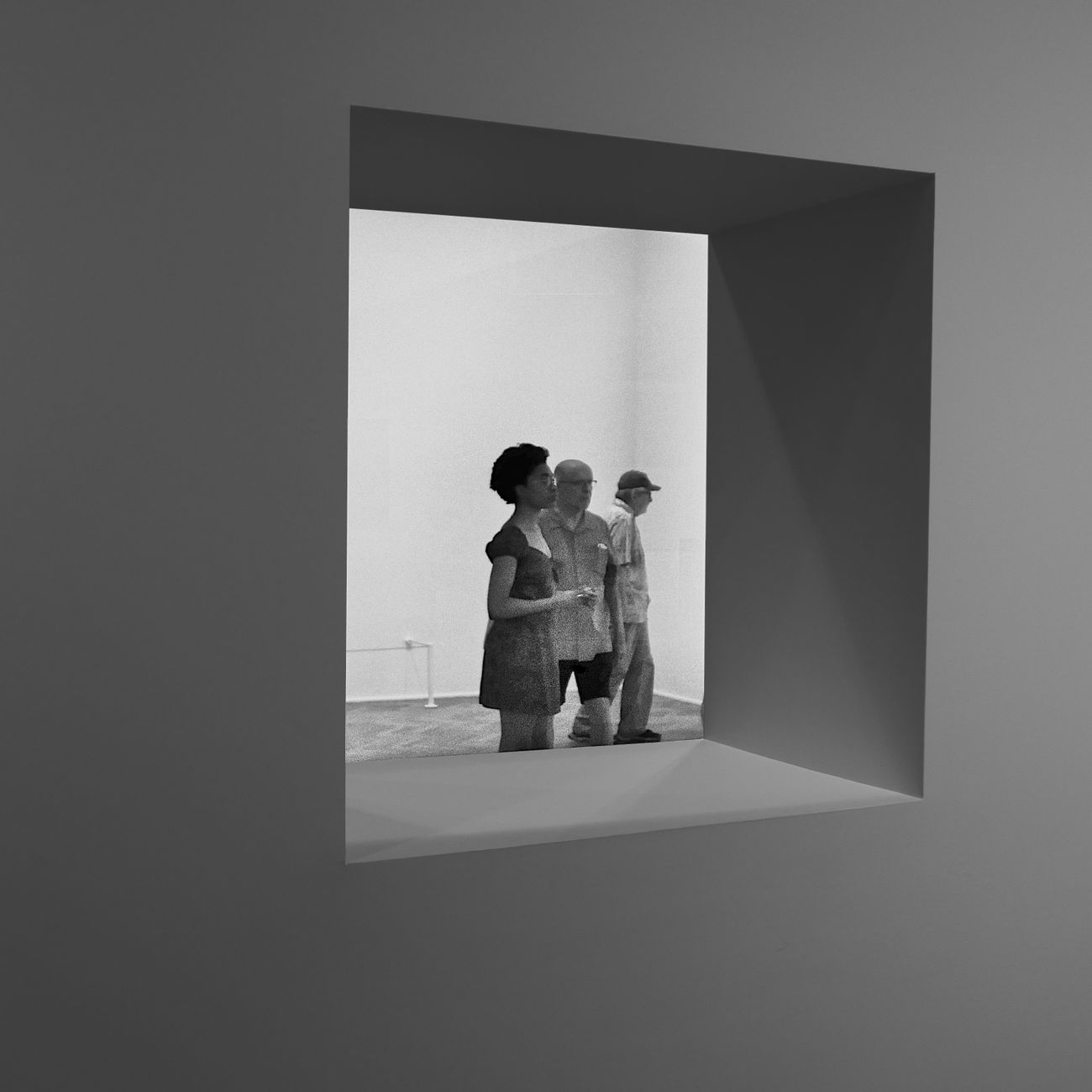
Visitor Experience Design is a multidisciplinary field that focuses on creating memorable and engaging experiences for visitors in various settings, such as museums, parks, and cultural attractions. It involves understanding the needs and desires of visitors and designing experiences that meet those needs while also providing a sense of wonder and discovery. Co-creation is a key concept in Visitor Experience Design, which involves collaborating with visitors to create personalized and meaningful experiences. This approach recognizes that visitors are not just passive consumers, but active participants in the experience, and that their input and feedback are essential to creating a successful experience.
One of the key principles of Visitor Experience Design is the concept of immersion, which refers to the ability of an experience to transport visitors to a new and unfamiliar world. Immersive experiences can be created through the use of sensory stimuli, such as sound, sight, and touch, as well as through the use of storytelling and narrative techniques. For example, a museum exhibit on ancient civilizations might use virtual reality technology to transport visitors to a ancient city, where they can explore the streets and buildings in a fully immersive environment.
Co-creation is a key aspect of Visitor Experience Design, as it allows visitors to take an active role in shaping their experience. This can be achieved through a variety of techniques, such as crowdsourcing and participatory design. For example, a museum might ask visitors to contribute to an exhibit by sharing their own stories and memories related to the topic. This approach not only creates a sense of ownership and investment among visitors, but also provides valuable feedback and insights for the designers.
Another important concept in Visitor Experience Design is the idea of flow, which refers to the state of being completely absorbed and engaged in an experience. Flow is often described as a state of optimal arousal, where visitors are challenged enough to be engaged, but not so much that they become overwhelmed or frustrated. Designers can create flow experiences by providing visitors with a sense of control and agency, as well as by offering a range of interactive and immersive elements.
The concept of personalization is also critical in Visitor Experience Design, as it allows visitors to tailor their experience to their individual needs and interests. Personalization can be achieved through the use of technology, such as mobile apps and beacons, which can provide visitors with real-time information and recommendations based on their location and preferences. For example, a museum might use RFID technology to track visitors' movements and provide them with personalized recommendations for exhibits and activities.
In addition to these concepts, Visitor Experience Design also involves a range of practical considerations, such as wayfinding and navigation. Designers must create clear and intuitive signage and maps to help visitors navigate the space and find their way to different exhibits and activities. They must also consider the physical and emotional needs of visitors, such as providing accessible restrooms and comfortable seating areas.
Co-creation is not without its challenges, however. One of the main challenges is balancing the needs and desires of different visitor groups. For example, some visitors may want to explore an exhibit in depth, while others may want to skim the surface and move on to the next thing. Designers must find ways to accommodate these different learning styles and preferences, while also creating a cohesive and engaging experience for all visitors.
Another challenge of co-creation is managing the expectations of visitors. Visitors may have certain assumptions or preconceptions about what an experience will be like, and designers must find ways to manage those expectations and exceed them. This can be achieved through clear communication and transparency about what visitors can expect, as well as through the use of surprises and delights to create a sense of wonder and enchantment.
The concept of sustainability is also becoming increasingly important in Visitor Experience Design, as designers and organizations seek to reduce their environmental impact and create more sustainable experiences. This can involve using eco-friendly materials and energy-efficient systems, as well as reducing waste and emissions. Designers must also consider the social and cultural impact of their designs, and seek to create experiences that are inclusive and respectful of all visitors.
In terms of technology, Visitor Experience Design is rapidly evolving to incorporate new and emerging technologies, such as virtual and augmented reality, and artificial intelligence. These technologies offer new opportunities for creating immersive and interactive experiences, as well as for personalizing and optimizing the visitor experience. For example, a museum might use virtual reality to create an immersive experience of a historical event, or use artificial intelligence to provide visitors with personalized recommendations for exhibits and activities.
The use of data and analytics is also becoming increasingly important in Visitor Experience Design, as designers and organizations seek to measure and evaluate the effectiveness of their designs. This can involve using metrics such as visitor numbers and engagement levels, as well as feedback and surveys to gather insights and information about the visitor experience. Designers must also consider the ethical implications of data collection and analysis, and ensure that they are transparent and respectful of visitors' privacy and rights.
In addition to these concepts and technologies, Visitor Experience Design also involves a range of practical skills and techniques, such as project management and team collaboration. Designers must be able to work effectively with stakeholders and partners, including curators and educators, as well as technologists and engineers. They must also be able to manage budgets and timelines, and ensure that their designs are feasible and sustainable.
The concept of co-creation is also closely tied to the idea of community engagement and participation. Designers must find ways to engage and involve local communities in the design process, and create experiences that are relevant and meaningful to their needs and interests. This can involve using participatory design techniques, such as workshops and focus groups, to gather feedback and insights from community members.
Overall, Visitor Experience Design is a complex and multidisciplinary field that requires a deep understanding of human behavior and psychology, as well as technical skills and knowledge of design principles and practices. By incorporating co-creation and immersive technologies, designers can create experiences that are engaging and memorable, and that provide visitors with a sense of wonder and enchantment. As the field continues to evolve and grow, it is likely that we will see new and innovative approaches to Visitor Experience Design, and a greater emphasis on sustainability and social responsibility.
One of the key benefits of Visitor Experience Design is its ability to enhance the emotional and cognitive experience of visitors. By creating immersive and interactive experiences, designers can increase engagement and participation, and provide visitors with a deeper understanding and appreciation of the subject matter. This can be particularly effective in museums and galleries, where visitors may be intimidated or overwhelmed by the sheer amount of information on display.
The use of storytelling and narrative techniques is also a key aspect of Visitor Experience Design. By creating a compelling and engaging narrative, designers can draw visitors into the experience and provide them with a sense of context and meaning. This can be achieved through the use of visual and audio elements, such as images and soundscapes, as well as through the use of interactive and immersive technologies.
In terms of challenges, one of the main obstacles facing Visitor Experience Design is the need to balance the needs and desires of different visitor groups. This can be particularly difficult in large and diverse audiences, where visitors may have different learning styles and preferences. Designers must find ways to accommodate these different needs and desires, while also creating a cohesive and engaging experience for all visitors.
Another challenge facing Visitor Experience Design is the need to evaluate and measure the effectiveness of designs. This can be difficult due to the subjective nature of the visitor experience, and the need to balance quantitative and qualitative methods of evaluation. Designers must find ways to gather and analyze data on visitor behavior and engagement, and use this information to inform and improve their designs.
In terms of future directions, Visitor Experience Design is likely to continue to evolve and grow in response to changing technologies and societal trends. One of the key areas of growth is likely to be the use of virtual and augmented reality technologies, which offer new opportunities for creating immersive and interactive experiences. Designers must find ways to integrate these technologies into their designs, and create experiences that are engaging and memorable for visitors.
The concept of sustainability is also likely to become increasingly important in Visitor Experience Design, as organizations and designers seek to reduce their environmental impact and create more sustainable experiences.
Key takeaways
- This approach recognizes that visitors are not just passive consumers, but active participants in the experience, and that their input and feedback are essential to creating a successful experience.
- For example, a museum exhibit on ancient civilizations might use virtual reality technology to transport visitors to a ancient city, where they can explore the streets and buildings in a fully immersive environment.
- This approach not only creates a sense of ownership and investment among visitors, but also provides valuable feedback and insights for the designers.
- Flow is often described as a state of optimal arousal, where visitors are challenged enough to be engaged, but not so much that they become overwhelmed or frustrated.
- Personalization can be achieved through the use of technology, such as mobile apps and beacons, which can provide visitors with real-time information and recommendations based on their location and preferences.
- They must also consider the physical and emotional needs of visitors, such as providing accessible restrooms and comfortable seating areas.
- Designers must find ways to accommodate these different learning styles and preferences, while also creating a cohesive and engaging experience for all visitors.