
Patient Privacy and Data Protection
HIPAA is the cornerstone United States federal law that governs the protection of health information. It establishes standards for the handling of protected health information (PHI) by covered entities such as dental practices, hospitals, a…
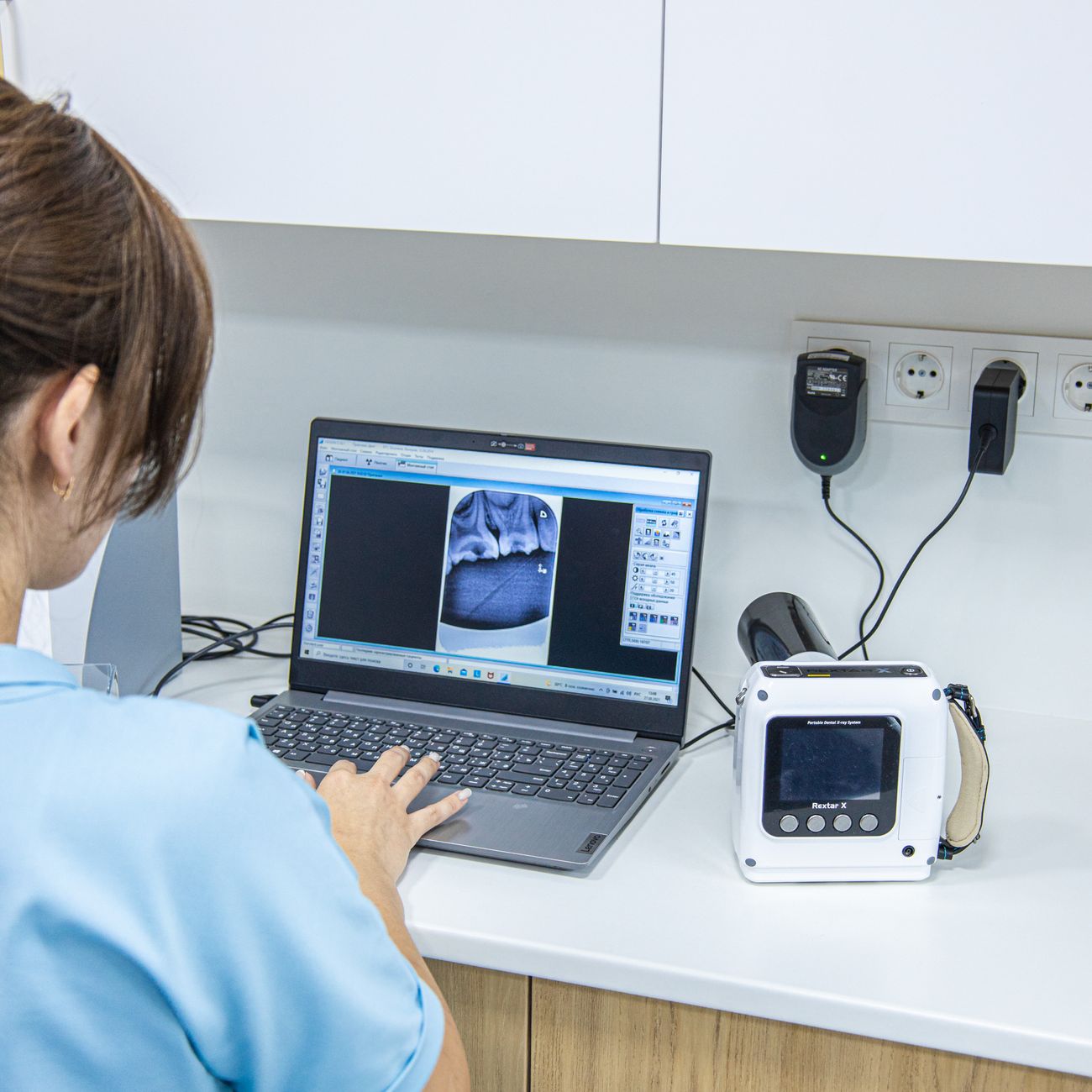
HIPAA is the cornerstone United States federal law that governs the protection of health information. It establishes standards for the handling of protected health information (PHI) by covered entities such as dental practices, hospitals, and health plans. The law requires that practices implement administrative, physical, and technical safeguards to ensure the confidentiality, integrity, and availability of PHI. For a dental office, this means securing patient charts, radiographs, treatment notes, and billing records from unauthorized access or disclosure. Failure to comply can result in civil penalties ranging from $100 to $50,000 per violation, and criminal penalties for willful neglect. Understanding the specific provisions of the Privacy Rule and the Security Rule is essential for anyone responsible for patient data protection.
PHI stands for protected health information, which includes any individually identifiable health information that is created, received, stored, or transmitted by a dental practice. Examples of PHI in a dental setting are patient names, dates of birth, dental chart notes, radiographs, treatment plans, and insurance details. Even seemingly innocuous data, such as a list of patients who received a particular procedure, can be considered PHI if it can be linked to an individual. Dental staff must treat all PHI as confidential and apply the same level of protection to electronic, paper, and oral forms of the information.
PII means personally identifiable information. While PHI is a subset of PII that relates specifically to health, PII includes any data that can be used to identify an individual, such as Social Security numbers, driver’s license numbers, or email addresses. In many jurisdictions, especially under the European Union’s General Data Protection Regulation (GDPR), the distinction between PHI and PII is less pronounced, and both are afforded robust protection. Dental practices that handle international patients must be aware of the broader definition of PII to avoid inadvertent violations.
GDPR is the European Union regulation that sets a high standard for data protection and privacy. Although it is an EU law, it applies to any organization that processes the data of EU residents, regardless of where the organization is located. For a dental practice that offers services to EU patients, compliance with GDPR is mandatory. GDPR introduces concepts such as the right to be forgotten, data subject access requests, and the requirement to appoint a data protection officer (DPO) when large-scale processing occurs. Understanding these obligations is critical for global dental compliance programs.
Data breach refers to the unauthorized acquisition, access, use, or disclosure of PHI or PII. In a dental practice, a data breach might occur when a laptop containing patient records is stolen, when an employee inadvertently emails PHI to the wrong recipient, or when a hacker exploits a vulnerability in the practice management software. The impact of a breach can range from minor inconvenience to severe reputational damage and costly legal penalties. Effective breach response plans must include immediate containment, notification to affected individuals, reporting to regulatory authorities, and remediation steps to prevent recurrence.
Encryption is a technical safeguard that transforms readable data into an unreadable format using an algorithm and a cryptographic key. When data is encrypted, only individuals with the correct decryption key can access the original information. In dental practices, encryption should be applied to data at rest (such as files stored on servers or laptops) and data in transit (such as emails or messages sent over the internet). Full‑disk encryption on workstations and portable devices is a best practice to protect PHI in case of loss or theft.
Access control involves policies and mechanisms that restrict who can view or modify PHI. Role‑based access control (RBAC) is a common model in which users are assigned roles (e.G., Dentist, hygienist, receptionist) and each role has specific permissions. For example, a receptionist may be allowed to schedule appointments and verify insurance but should not have the ability to edit clinical notes. Implementing RBAC reduces the risk of accidental or intentional misuse of patient data.
Audit trail is a chronological record of system activity that documents who accessed which data, when, and what actions were performed. In dental software, audit trails help demonstrate compliance by providing evidence that only authorized personnel accessed PHI. They also support forensic investigations after a suspected breach. Practices should regularly review audit logs for unusual patterns, such as repeated access to a single patient’s record outside of normal business hours.
Consent is the process by which a patient gives permission for their health information to be used or disclosed for specific purposes. In the United States, consent is required for most uses beyond treatment, payment, and health‑care operations. For example, a dental practice must obtain written consent before sharing a patient’s radiographs with a third‑party marketing firm. Consent forms should be clear, concise, and stored with the patient’s record. In jurisdictions governed by GDPR, consent must be “freely given, specific, informed, and unambiguous,” and patients have the right to withdraw consent at any time.
Minimum necessary is a principle that requires a practice to limit the amount of PHI disclosed or accessed to the smallest amount needed to accomplish a specific task. When a dental assistant retrieves a patient’s chart to verify an insurance claim, they should only view the fields relevant to that claim, not the entire clinical history. Applying the minimum necessary rule helps reduce exposure and aligns with both HIPAA and GDPR requirements.
Business Associate Agreement (BAA) is a contract required under HIPAA when a covered entity (such as a dental practice) shares PHI with a third party that performs services on its behalf (the business associate). Examples of business associates include cloud service providers, electronic billing vendors, and transcription services. The BAA must outline the associate’s responsibilities for safeguarding PHI, reporting breaches, and ensuring compliance. Without a valid BAA, a practice may be held liable for any violations caused by the associate.
De‑identification is the process of removing or masking identifiers from PHI so that the data can no longer be linked to an individual. HIPAA provides two methods: The Safe Harbor method, which removes 18 specific identifiers, and the Expert Determination method, which involves a statistical analysis by a qualified expert. De‑identified data can be used for research, quality improvement, and marketing without the same stringent restrictions as PHI, but practices must document the de‑identification process to prove compliance.
Anonymization goes a step further than de‑identification by ensuring that data cannot be re‑identified under any circumstances. Anonymized data is considered outside the scope of HIPAA and GDPR, allowing for broader sharing. Dental practices engaged in large‑scale epidemiological studies often anonymize patient datasets before transferring them to academic partners. The challenge lies in balancing data utility with privacy, as overly aggressive anonymization may render the data useless for analysis.
Data retention policies dictate how long PHI must be kept before it can be securely destroyed. HIPAA requires that records be retained for at least six years from the date of creation or the date when they were last in effect. State laws may impose longer periods. Dental practices should develop a retention schedule that aligns with all applicable regulations and document the schedule in a written policy.
Data disposal refers to the secure destruction of records that are no longer needed. For paper records, shredding or pulping is required. For electronic media, methods such as cryptographic erasure, degaussing, or physical destruction must be employed. Improper disposal can lead to accidental exposure of PHI, a common cause of data breaches. Staff training on disposal procedures is essential to mitigate this risk.
Breach notification obligations require a dental practice to inform affected individuals, the Department of Health and Human Services (HHS), and sometimes the media, when a breach involving PHI occurs. Under HIPAA, notification must be made without unreasonable delay and no later than 60 days after discovery. GDPR mandates notification to supervisory authorities within 72 hours of becoming aware of a breach. Failure to notify can result in significant fines and loss of patient trust.
Risk assessment is a systematic process used to identify, evaluate, and prioritize risks to PHI. A dental practice should conduct a thorough assessment that examines physical security (e.G., Locked cabinets), technical safeguards (e.G., Firewalls), and administrative controls (e.G., Policies). The assessment should result in a risk management plan that outlines mitigation strategies, such as updating software, implementing stronger passwords, or enhancing staff training.
Security incident is any event that may compromise the confidentiality, integrity, or availability of PHI. Incidents can range from attempted phishing attacks to actual data loss. A robust incident response program includes detection, analysis, containment, eradication, recovery, and post‑incident review. Documenting each step is vital for compliance audits and continuous improvement.
Confidentiality is the principle that patient information should be accessible only to those who need it for legitimate purposes. In dental practice, confidentiality is maintained through policies, training, and technical safeguards. Breaches of confidentiality can erode patient trust and lead to legal consequences.
Integrity ensures that PHI is accurate, complete, and unaltered except by authorized individuals. Mechanisms such as checksums, digital signatures, and version control help maintain integrity. For example, a corrupted radiograph file could lead to misdiagnosis; therefore, regular integrity checks are a recommended practice.
Availability means that PHI must be accessible when required for patient care. Redundant systems, backup procedures, and disaster recovery plans support availability. A dental practice that experiences a server outage without a backup strategy may be unable to provide timely treatment, violating both patient care standards and compliance obligations.
Role‑based access (RBAC) assigns permissions based on job functions. When configuring practice management software, administrators should define roles such as “Dentist,” “Hygienist,” “Front Desk,” and “Administrator,” each with tailored access levels. Regular reviews of role assignments help prevent privilege creep, where users accumulate unnecessary permissions over time.
Authentication verifies the identity of a user before granting access to systems containing PHI. Strong authentication methods include passwords combined with biometric factors or security tokens. Dental practices should enforce password complexity rules and change passwords regularly to reduce the risk of credential theft.
Authorization determines what an authenticated user is allowed to do. After a user logs in, the system checks their role and grants or denies access to specific functions. Proper separation of authentication and authorization processes enhances security and auditability.
Multifactor authentication (MFA) adds an extra layer of security by requiring two or more verification methods, such as something the user knows (password), something the user has (smartcard), or something the user is (fingerprint). Implementing MFA for remote access to the practice’s network is a highly effective control against unauthorized entry.
Secure Socket Layer (SSL) and its successor TLS are cryptographic protocols that protect data transmitted over the internet. When a patient portal uses HTTPS, it is employing TLS to encrypt the communication between the patient’s browser and the server. Dental practices must ensure that all web‑based applications handling PHI are configured to use the latest TLS versions and cipher suites.
Firewalls act as barriers that filter incoming and outgoing network traffic based on predefined security rules. A properly configured firewall can block malicious traffic, prevent unauthorized remote connections, and limit exposure of internal systems that store PHI. Dental offices should employ both perimeter firewalls and host‑based firewalls on critical servers.
Intrusion Detection System (IDS) monitors network traffic for suspicious activity and alerts administrators when potential threats are detected. An IDS can help identify attempted breaches, such as port scanning or unauthorized login attempts, allowing the practice to respond quickly before data is compromised.
Data subject rights under GDPR give individuals control over their personal data. These rights include the right to access, rectify, erase, restrict processing, and obtain a copy of their data in a portable format. Dental practices serving EU patients must establish procedures to respond to these requests within the statutory 30‑day window.
Data controller is the entity that determines the purposes and means of processing personal data. In many dental scenarios, the practice itself is the data controller. The controller holds primary responsibility for compliance, including ensuring lawful processing, maintaining records, and appointing a DPO if required.
Data processor processes personal data on behalf of the controller. A cloud‑hosting provider that stores patient records is a data processor. Contracts between the controller and processor must specify the processor’s obligations, including security measures and breach reporting.
Privacy Impact Assessment (PIA) is a systematic analysis that evaluates how a project or system will affect privacy. Before implementing a new patient portal, a dental practice should conduct a PIA to identify potential privacy risks, assess the adequacy of controls, and document mitigation plans. A well‑executed PIA can prevent costly redesigns later.
Privacy by design is an approach that integrates privacy considerations into the development of systems from the outset, rather than as an afterthought. For example, a dental software vendor that builds encryption, access controls, and audit logging directly into the application is practicing privacy by design. This methodology aligns with GDPR and improves overall security posture.
Data minimization requires that only the data necessary for a specific purpose be collected and retained. In a dental practice, this means not storing unnecessary demographic details, such as a patient’s marital status, unless it directly supports treatment or billing. Minimizing data reduces exposure and simplifies compliance.
Secure messaging platforms enable clinicians to exchange patient information via encrypted channels. Using a HIPAA‑compliant secure messaging app eliminates the risk associated with consumer email or text messages, which are not protected. Dental staff should be trained to use only approved messaging tools for any PHI exchange.
Electronic Health Record (EHR) systems are digital versions of patient charts that contain comprehensive clinical information. In dentistry, the EHR often integrates with practice management software to handle scheduling, billing, and clinical documentation. Selecting an EHR that offers robust security features, such as role‑based access, audit trails, and encryption, is a critical compliance decision.
Practice management software combines administrative and clinical functions, including appointment scheduling, billing, and charting. Because it handles PHI, the software must meet HIPAA security standards. Practices should evaluate vendors for their security certifications, data residency policies, and incident response capabilities before signing contracts.
Cloud storage provides scalable, off‑site data repositories that can be accessed over the internet. While convenient, cloud storage introduces new risks, such as multi‑tenant data leakage and reliance on third‑party security controls. Dental practices must ensure that cloud providers sign a BAA, implement encryption at rest and in transit, and provide transparent audit logs.
Portable devices such as laptops, tablets, and smartphones are frequently used for patient care documentation. These devices are high‑value targets for theft. Implementing full‑disk encryption, strong passwords, and remote wipe capabilities mitigates the risk of PHI exposure if a device is lost.
Mobile health (mHealth) applications allow patients to track oral health, receive reminders, and communicate with their dentist. When mHealth apps collect PHI, they become subject to privacy regulations. Dental practices must vet any third‑party app for compliance, obtain patient consent, and ensure data is transmitted securely.
Telehealth has expanded dramatically, enabling remote consultations and follow‑up care. During a telehealth session, video streams may contain PHI. Secure video platforms that use end‑to‑end encryption are required to protect patient privacy. Additionally, practices must document telehealth encounters with the same level of detail as in‑person visits.
Remote monitoring devices, such as smart toothbrushes that transmit usage data, can generate health information relevant to dental care. When this data is linked to an identifiable patient, it becomes PHI. Dental practices incorporating remote monitoring must establish clear policies for data collection, storage, and sharing.
Patient portal provides patients with online access to their records, appointment schedules, and billing statements. A portal must be secured with strong authentication, encrypted communications, and regular vulnerability testing. Patients should be educated on protecting their login credentials to prevent unauthorized access.
Consent management platforms help track and store patient consents for various data uses. Automated consent workflows can reduce administrative burden and ensure that each use of PHI is properly authorized. For instance, a consent management system can record a patient’s opt‑in for marketing communications and automatically enforce that preference across all systems.
Opt‑out and opt‑in mechanisms give patients control over whether their data is used for secondary purposes. An opt‑in approach requires explicit permission before data is shared, whereas an opt‑out assumes consent unless the patient declines. HIPAA generally favors an opt‑out model for marketing, while GDPR mandates opt‑in for most non‑essential processing.
Data mapping involves documenting the flow of PHI throughout the organization. By creating a visual map that shows where data is collected, stored, transmitted, and disposed of, a dental practice can identify weak points and ensure that every step complies with privacy requirements. Data mapping is a prerequisite for effective risk assessments and PIA development.
Data flow diagrams illustrate how information moves between systems, users, and external entities. Understanding data flow helps in designing secure interfaces, such as API integrations between the EHR and billing service, ensuring that each connection is encrypted and authenticated.
Data classification categorizes information based on sensitivity and required protection levels. In a dental office, PHI would be classified as “high sensitivity,” while general marketing materials might be “low sensitivity.” Classification guides the application of security controls, such as stronger encryption for high‑sensitivity data.
Data stewardship assigns responsibility for specific data assets to designated individuals. A data steward may be a senior dentist who oversees the integrity and security of clinical records. Clear stewardship roles improve accountability and streamline decision‑making regarding data handling.
Data governance is the overall framework of policies, procedures, and standards that guide data management. A comprehensive data governance program in a dental practice includes data ownership, quality controls, security policies, and compliance monitoring. Effective governance aligns operational practices with legal obligations.
Breach response plan outlines the steps to take when a security incident occurs. The plan should define roles (e.G., Incident commander, communications lead), containment strategies, notification timelines, and post‑incident analysis. Regular drills and tabletop exercises help ensure that the team can execute the plan under pressure.
Incident response is the operational execution of the breach response plan. It begins with detection, proceeds through analysis and containment, and ends with recovery and lessons learned. Incident response teams must maintain detailed logs to support regulatory reporting and internal improvement.
Forensic analysis involves the systematic examination of digital evidence to determine the cause and impact of a breach. In a dental context, forensic investigators may examine server logs, file timestamps, and network traffic captures to trace the origin of an unauthorized access event.
Staff training is a critical control that reduces human error. Training programs should cover topics such as password hygiene, phishing awareness, proper handling of paper records, and reporting procedures for suspected breaches. Ongoing refresher courses keep security awareness high.
Policies and procedures are formal documents that define how an organization meets its privacy and security obligations. Policies provide high‑level statements of intent (e.G., “All PHI must be encrypted”), while procedures detail the specific steps staff must follow (e.G., “How to encrypt a laptop”). Both should be reviewed annually and updated as regulations evolve.
Confidentiality agreements (often called nondisclosure agreements) bind employees, contractors, and vendors to protect PHI. These agreements reinforce legal obligations and provide a basis for disciplinary action if confidentiality is breached.
Privacy notice is a written statement that informs patients about how their data will be used, who will have access, and what rights they possess. Under HIPAA, a Notice of Privacy Practices (NPP) must be provided at the first encounter and posted prominently. GDPR requires a similar transparent notice, emphasizing lawful bases for processing.
Privacy policy is a broader document that outlines an organization’s commitment to protecting personal data, describing governance structures, risk management processes, and compliance mechanisms. It serves as a reference for staff and regulators alike.
Security policy specifies the technical and administrative safeguards that protect PHI. It includes requirements for encryption, firewalls, patch management, and incident reporting. A well‑crafted security policy is the foundation of an effective compliance program.
Risk management is the continuous process of identifying, assessing, and mitigating risks to PHI. It involves regular vulnerability scans, penetration testing, and the implementation of controls based on risk tolerance. Documentation of risk management activities is essential for audits.
Vulnerability assessment systematically scans systems for known weaknesses, such as outdated software or misconfigured servers. Findings are prioritized based on potential impact, and remediation actions are tracked to closure.
Penetration testing (or “pen testing”) simulates real‑world attacks to evaluate the effectiveness of security controls. Engaging a qualified third‑party to conduct penetration testing on the practice’s network can uncover hidden vulnerabilities that routine scans may miss.
Compliance audit is an independent review that verifies whether a dental practice meets regulatory requirements. Audits may be internal, performed by a compliance officer, or external, conducted by a certified auditor. Audits typically examine policies, procedures, technical controls, and documentation.
Certification and accreditation are formal recognitions that an organization has achieved a defined level of compliance. For example, a dental practice may pursue ISO 27001 certification for information security management, demonstrating a systematic approach to protecting PHI.
Legal obligations vary by jurisdiction and may include state‑specific privacy statutes, such as the California Consumer Privacy Act (CCPA). Dental practices must stay informed about applicable laws, as non‑compliance can result in civil penalties, criminal liability, and loss of licensure.
State privacy laws often supplement federal regulations. For instance, the New York SHIELD Act imposes data security requirements on any entity that holds the private data of New York residents. Dental practices operating in multiple states must develop a unified privacy framework that satisfies the most stringent requirements.
Right to be forgotten under GDPR allows individuals to request the erasure of their personal data when it is no longer necessary for the purpose it was collected. In a dental context, a patient may ask for the removal of their data from a research database. The practice must verify the request, assess any legal retention obligations, and securely delete the data if permissible.
Data subject access request (DSAR) is a formal request by a patient to obtain a copy of the personal data a practice holds about them. The practice must respond within 30 days, providing the data in a portable format and explaining any exemptions (e.G., Data needed for ongoing treatment). Efficient DSAR handling demonstrates respect for patient rights and regulatory compliance.
Data protection officer (DPO) is a role mandated by GDPR for organizations that engage in large‑scale processing of special categories of data. In a dental practice that processes significant amounts of health data, appointing a DPO ensures oversight of privacy obligations, provides a point of contact for regulators, and leads privacy impact assessments.
Secure backup strategies protect against data loss due to hardware failure, ransomware, or natural disasters. Backups should be encrypted, stored off‑site, and tested regularly for recoverability. A backup that includes PHI must also be protected by the same security controls as the primary data.
Ransomware is malicious software that encrypts a victim’s files and demands payment for decryption. Dental practices are attractive targets because the loss of patient records can halt operations. Preventative measures include patch management, employee awareness training, network segmentation, and regular, secure backups.
Network segmentation separates critical systems (e.G., EHR servers) from less sensitive networks (e.G., Guest Wi‑Fi). By creating isolated zones, a breach in a non‑critical segment is less likely to spread to systems containing PHI. Implementing firewalls and VLANs are common methods of segmentation.
Secure configuration refers to hardening operating systems, applications, and devices according to industry best practices. This includes disabling unnecessary services, applying the principle of least privilege, and regularly updating security patches. Secure configuration reduces the attack surface and improves overall resilience.
Patch management is the systematic process of applying software updates to fix security vulnerabilities. Dental practices should establish a schedule for reviewing vendor advisories, testing patches in a controlled environment, and deploying them promptly. Automated patch management tools can streamline this process.
Physical security protects the tangible assets that store PHI, such as servers, workstations, and paper records. Controls include locked cabinets, restricted access to server rooms, surveillance cameras, and visitor sign‑in logs. Physical security complements technical safeguards and is a required element of HIPAA compliance.
Visitor management procedures ensure that anyone entering the practice’s premises is identified, escorted, and limited to authorized areas. Guest sign‑in logs and badge systems help prevent unauthorized individuals from accessing areas where PHI is stored.
Remote access allows staff to connect to the practice’s network from off‑site locations. Secure remote access must use VPNs (Virtual Private Networks) with strong encryption, MFA, and strict access controls. Open or poorly configured remote access points are common vectors for intrusion.
Vendor risk management assesses the security posture of third‑party service providers that handle PHI. Practices should conduct due diligence, request security questionnaires, review audit reports, and monitor ongoing compliance. A BAA is a contractual component of vendor risk management.
Data lifecycle describes the stages through which data passes, from creation to deletion. Understanding the lifecycle helps implement appropriate controls at each stage, such as encryption at creation, access monitoring during storage, and secure disposal at the end.
Data stewardship and data governance are complementary concepts; stewardship focuses on day‑to‑day responsibility for data quality and security, while governance establishes the overarching policies and frameworks that guide stewardship activities.
Privacy training differs from general security training by emphasizing legal requirements, patient rights, and appropriate communication about data handling. It should include case studies specific to dental practice scenarios, such as handling a patient’s request to share records with a specialist.
Incident reporting mechanisms enable staff to quickly notify the compliance officer of suspicious activity. A simple, accessible reporting channel (e.G., A dedicated email address or hotline) encourages prompt action and helps contain potential breaches.
Digital signature provides a cryptographic method to verify the authenticity and integrity of electronic documents. When a patient signs a consent form electronically, a digital signature can demonstrate that the document has not been altered and that the signer’s identity is verified.
Secure coding practices are essential for any custom software developed in-house, such as a proprietary patient scheduling app. Secure coding guidelines include input validation, proper error handling, and protection against injection attacks. Code reviews and static analysis tools help enforce these standards.
Data sovereignty concerns the location of data storage and the applicable jurisdiction’s laws. Some jurisdictions require that health data be stored within national borders. Dental practices using cloud services must verify the data center locations and ensure compliance with any data‑residency requirements.
Cross‑border data transfer is regulated under GDPR, which permits transfers only when adequate safeguards are in place, such as Standard Contractual Clauses (SCCs) or Binding Corporate Rules (BCRs). A dental practice that shares patient data with a foreign research partner must ensure that the transfer mechanisms meet GDPR standards.
Health Information Exchange (HIE) enables sharing of patient data across different health‑care providers. Participation in an HIE can improve continuity of care, but it also introduces additional privacy considerations. Dental practices must verify that the HIE complies with HIPAA and that appropriate consent is obtained from patients.
Electronic prescribing (e‑prescribing) systems transmit prescription information electronically. These systems must be integrated with the practice’s EHR and must use secure, authenticated channels to prevent tampering or interception of prescription data.
Tele‑dental platforms provide remote consultation services specifically for oral health. The platforms must meet the same privacy and security standards as general telehealth solutions, including encrypted video streams and secure storage of session records.
Clinical decision support (CDS) tools assist clinicians by providing evidence‑based recommendations. When CDS tools access PHI to generate alerts (e.G., Drug interaction warnings), they must do so within a secure environment and maintain audit logs of their activity.
Audit compliance involves regular checks to verify that policies, procedures, and technical controls are being followed. Internal auditors can use checklists aligned with HIPAA, GDPR, and other standards to assess compliance status and identify gaps.
Continuous monitoring uses automated tools to track security events, configuration changes, and compliance metrics in real time. Alerts generated by continuous monitoring systems enable rapid response to anomalies, such as unexpected privileged account activity.
Risk appetite defines the amount of risk a dental practice is willing to accept in pursuit of its objectives. Establishing a clear risk appetite helps prioritize remediation efforts, focusing resources on high‑impact risks while accepting lower‑impact risks that are cost‑prohibitive to mitigate.
Incident timeline documents the sequence of events from detection to resolution. Maintaining a detailed timeline is essential for regulatory reporting, internal learning, and legal defense if litigation arises.
Legal hold is a directive to preserve all relevant data when litigation is anticipated. In a dental practice, a legal hold may require retaining specific patient records, communications, and logs until the dispute is resolved. Failure to preserve data can result in sanctions.
Data breach insurance provides financial protection against costs associated with a breach, such as notification expenses, legal fees, and public relations. While insurance does not replace robust security controls, it can mitigate the financial impact of an incident.
Security awareness culture is fostered when every member of the dental team understands their role in protecting patient data. Leadership must model best practices, reward compliance, and address non‑compliance promptly to embed security into the organization’s DNA.
Ethical considerations extend beyond legal compliance. Dental professionals have a fiduciary duty to protect patient confidentiality. Ethical decision‑making includes weighing the benefits of data sharing for research against the potential harm to patient privacy.
Patient empowerment involves giving patients tools to control their own data, such as access to a personal health record portal where they can view, download, and share their information. Empowered patients are more likely to trust the practice and participate in data‑driven care initiatives.
Data analytics can improve clinical outcomes by identifying trends in treatment success rates, infection control, and patient satisfaction. However, analytics projects must respect privacy by using de‑identified or anonymized datasets, applying data minimization, and obtaining necessary consents.
Artificial intelligence (AI) applications in dentistry, such as image analysis for caries detection, rely on large datasets of radiographs. When training AI models, practices must ensure that the data is properly de‑identified and that any sharing with AI vendors occurs under a BAA or equivalent agreement.
Regulatory reporting obligations differ by jurisdiction. In the United States, HIPAA breach notifications must be filed with the HHS Office for Civil Rights (OCR) and sometimes with state health departments. In the European Union, GDPR requires notification to the relevant supervisory authority. Understanding the specific reporting timelines and content requirements is essential for timely compliance.
Data integrity verification processes, such as checksums and hash functions, confirm that files have not been altered. Dental practices can schedule periodic integrity checks on critical files, such as radiographs, to detect unauthorized modifications.
Secure disposal of media includes methods for wiping solid‑state drives (SSD) and hard drives. Simple deletion is insufficient; practices should use certified data‑destruction tools that overwrite storage sectors multiple times or physically destroy the media.
Privacy training assessment measures the effectiveness of education programs. Post‑training quizzes, simulated phishing campaigns, and competency evaluations help gauge staff understanding and identify areas needing reinforcement.
Compliance dashboard provides a visual summary of key metrics, such as the number of open risk items, upcoming audit deadlines, and incident response status. A dashboard enables leadership to monitor compliance health and allocate resources strategically.
Documentation retention schedule outlines how long each type of record must be kept. For dental records, the schedule might specify six years for adult records, ten years for minors, and indefinite retention for records related to litigation. Aligning the schedule with both HIPAA and state statutes prevents premature destruction or unnecessary storage.
Data provenance tracks the origin and transformation history of data. Maintaining provenance information helps demonstrate compliance with data minimization and consent requirements, especially when data is shared across multiple systems.
Secure development lifecycle (SDLC) integrates security checkpoints at each phase of software development, from requirements gathering to deployment. Dental practices that develop custom applications should adopt an SDLC that includes threat modeling, code review, and penetration testing.
Third‑party risk assessment evaluates the security posture of vendors that may not be directly under the practice’s control. Questionnaires should probe the vendor’s encryption standards, incident response capabilities, and compliance certifications (e.G., SOC 2, ISO 27001).
Data breach simulation exercises test the organization’s ability to respond to a breach scenario. Simulations may involve a mock ransomware attack, prompting the incident response team to follow the breach response plan, communicate with stakeholders, and document actions.
Policy exception process allows for controlled deviations from standard policies when necessary (e.G., Emergency access to PHI during a disaster). Exceptions must be documented, justified, approved by senior management, and limited in duration.
Patient data segmentation separates sensitive clinical data from administrative data. By storing clinical notes in a highly protected database and keeping billing information in a separate, less‑sensitive environment, the practice reduces the overall exposure risk.
Legal counsel involvement ensures that privacy policies, consent forms, and breach notifications are drafted in accordance with current law. Regular consultations with counsel help anticipate regulatory changes and adapt compliance programs proactively.
Continuous improvement is a core principle of quality management systems. By regularly reviewing audit findings, incident reports, and risk assessments, a dental practice can refine its privacy and security controls, staying ahead of emerging threats.
Encryption key management governs how cryptographic keys are generated, stored, rotated, and destroyed. Poor key management can render encryption ineffective.
Key takeaways
- It establishes standards for the handling of protected health information (PHI) by covered entities such as dental practices, hospitals, and health plans.
- PHI stands for protected health information, which includes any individually identifiable health information that is created, received, stored, or transmitted by a dental practice.
- While PHI is a subset of PII that relates specifically to health, PII includes any data that can be used to identify an individual, such as Social Security numbers, driver’s license numbers, or email addresses.
- GDPR introduces concepts such as the right to be forgotten, data subject access requests, and the requirement to appoint a data protection officer (DPO) when large-scale processing occurs.
- Effective breach response plans must include immediate containment, notification to affected individuals, reporting to regulatory authorities, and remediation steps to prevent recurrence.
- In dental practices, encryption should be applied to data at rest (such as files stored on servers or laptops) and data in transit (such as emails or messages sent over the internet).
- For example, a receptionist may be allowed to schedule appointments and verify insurance but should not have the ability to edit clinical notes.