
Regulatory Frameworks in Dentistry
The regulatory framework for dentistry is a complex system that governs the practice of dentistry, ensuring that dental professionals provide high-quality care to patients while maintaining the highest standards of safety and ethics. At the…
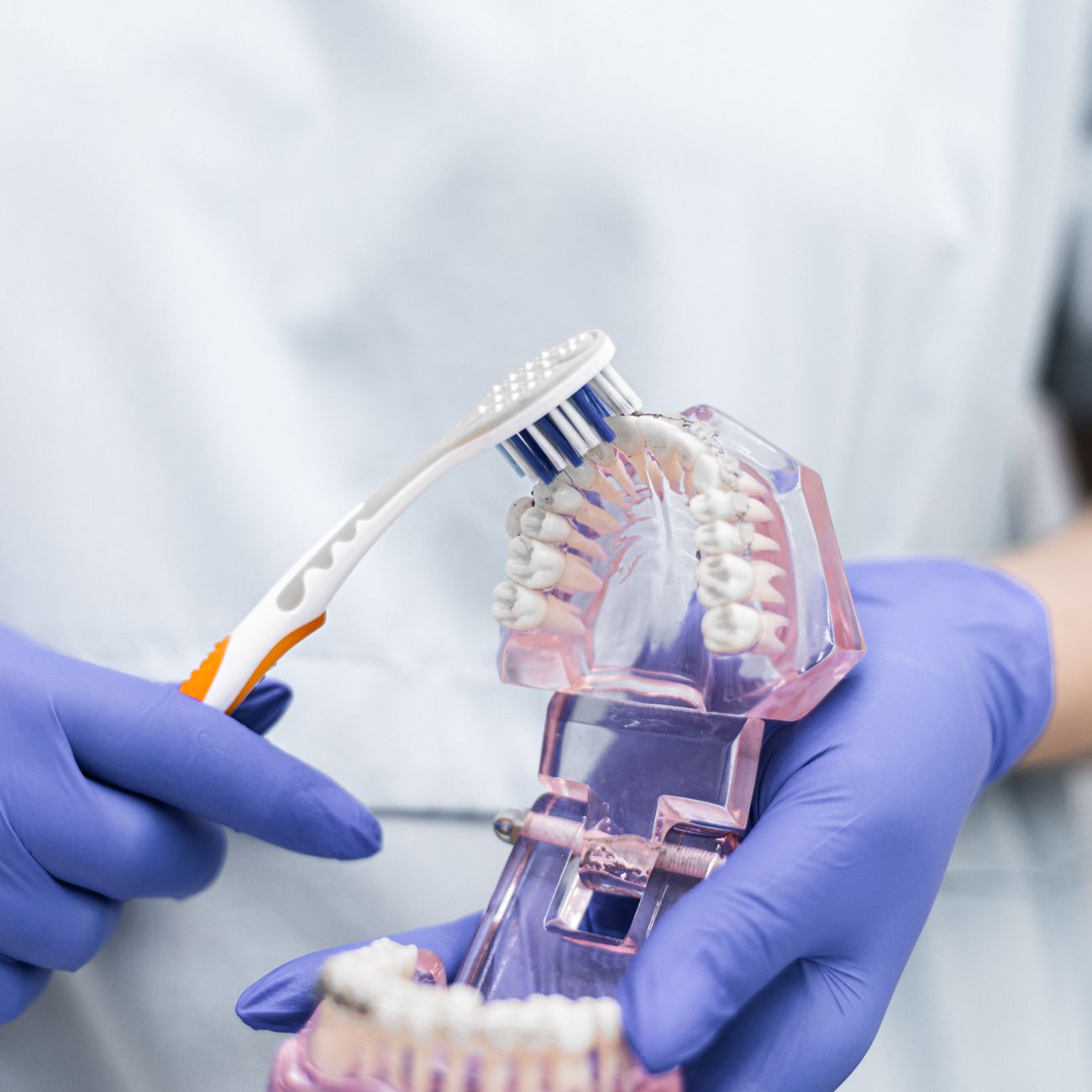
The regulatory framework for dentistry is a complex system that governs the practice of dentistry, ensuring that dental professionals provide high-quality care to patients while maintaining the highest standards of safety and ethics. At the heart of this framework are laws and regulations that dictate the scope of practice, education, and training requirements for dental professionals. These laws and regulations are established by government agencies and professional organizations to protect the public and promote the integrity of the dental profession.
One of the key components of the regulatory framework is licensure, which is the process by which dental professionals are granted the authority to practice dentistry in a particular jurisdiction. Licensure requirements vary by jurisdiction, but typically involve completing a degree in dentistry, passing a licensing exam, and meeting other eligibility criteria. Dental professionals must also comply with continuing education requirements to maintain their licensure and stay current with the latest techniques and procedures.
The regulatory framework also encompasses standards of practice, which outline the minimum requirements for dental care. These standards are established by professional organizations and government agencies to ensure that dental professionals provide high-quality care that meets the needs of patients. Standards of practice cover a range of topics, including infection control, radiation safety, and patient confidentiality.
In addition to licensure and standards of practice, the regulatory framework also includes guidelines for clinical governance. Clinical governance refers to the systems and processes that dental professionals use to manage risk and ensure that patients receive high-quality care. This includes quality assurance mechanisms, such as audits and peer review, to monitor and improve the quality of care.
The regulatory framework also plays a critical role in ensuring that dental professionals comply with legislation related to health and safety. This includes occupational health and safety laws, which require dental professionals to take reasonable steps to prevent harm to themselves and others in the workplace. Dental professionals must also comply with environmental laws, which regulate the disposal of hazardous waste and the use of chemicals in the dental practice.
Another important aspect of the regulatory framework is complaints handling. Dental professionals must have systems in place to handle complaints from patients and other stakeholders. This includes procedures for investigating complaints, resolving disputes, and implementing changes to prevent similar problems from arising in the future.
The regulatory framework also encompasses education and training requirements for dental professionals. This includes degree programs in dentistry, as well as continuing education courses and workshops to help dental professionals stay current with the latest techniques and procedures. Dental professionals must also comply with certification requirements, which involve passing a certification exam to demonstrate competence in a particular area of dentistry.
In addition to these requirements, the regulatory framework also includes guidelines for research and innovation in dentistry. This includes ethics guidelines for clinical trials and other research studies, as well as regulations governing the use of new technologies and materials in dentistry.
The regulatory framework for dentistry is also influenced by international standards and guidelines. This includes standards established by international organizations, such as the World Health Organization, as well as guidelines developed by professional organizations with an international membership.
Dental professionals must also comply with data protection laws, which regulate the collection, storage, and use of personal data. This includes requirements for patient confidentiality, as well as procedures for obtaining informed consent from patients before collecting or using their personal data.
The regulatory framework for dentistry also encompasses employment laws, which govern the relationship between dental professionals and their employers. This includes requirements for employment contracts, as well as procedures for resolving disputes and terminating employment.
In addition to these requirements, the regulatory framework also includes guidelines for health promotion and disease prevention in dentistry. This includes strategies for promoting oral health, as well as interventions for preventing and managing oral diseases.
The regulatory framework for dentistry is also influenced by social and cultural factors, which can impact the delivery of dental care. This includes requirements for cultural competence, as well as strategies for addressing health disparities and promoting health equity.
Dental professionals must also comply with environmental sustainability requirements, which regulate the impact of dental practices on the environment. This includes requirements for waste management, as well as procedures for reducing energy consumption and minimizing the use of hazardous materials.
The regulatory framework for dentistry is constantly evolving, with new laws and regulations being introduced to address emerging issues and challenges. Dental professionals must stay up-to-date with these changes, and be prepared to adapt to new requirements and guidelines as they are introduced.
In order to comply with the regulatory framework, dental professionals must have a thorough understanding of the laws and regulations that govern their practice. This includes requirements for licensure, standards of practice, and clinical governance, as well as guidelines for complaints handling, education and training, and research and innovation.
Dental professionals must also be aware of the penalties for non-compliance with the regulatory framework. This can include fines, suspension or revocation of licensure, and damage to their reputation.
In order to stay compliant with the regulatory framework, dental professionals can seek guidance from professional organizations and government agencies. This can include advice on licensure requirements, standards of practice, and guidelines for clinical governance and complaints handling.
Dental professionals can also participate in continuing education courses and workshops to stay current with the latest techniques and procedures. This can include training on new technologies and materials, as well as guidance on research and innovation in dentistry.
In addition to these resources, dental professionals can also seek support from colleagues and mentors to help them navigate the regulatory framework.
The regulatory framework for dentistry is an essential component of the dental profession, and plays a critical role in ensuring that dental professionals provide high-quality care to patients while maintaining the highest standards of safety and ethics. By understanding the regulatory framework and staying compliant with its requirements, dental professionals can help to promote the integrity of the dental profession and maintain the trust of their patients.
The regulatory framework for dentistry is also influenced by international trends and developments in the dental profession. This includes advances in technology and materials, as well as changes in patient expectations and demographics.
Dental professionals must be aware of these trends and developments, and be prepared to adapt to new challenges and opportunities as they arise. This can include participating in continuing education courses and workshops, as well as staying up-to-date with the latest research and developments in the dental profession.
The regulatory framework for dentistry is also subject to review and revision on a regular basis. This can include changes to laws and regulations, as well as updates to guidelines and standards of practice.
Dental professionals must be aware of these changes and updates, and be prepared to adapt to new requirements and guidelines as they are introduced.
In order to ensure that the regulatory framework for dentistry remains effective and relevant, dental professionals must be involved in the process of review and revision. This can include providing feedback on proposed changes, as well as participating in consultations and workshops to discuss new developments and challenges in the dental profession.
By working together, dental professionals and regulatory bodies can help to ensure that the regulatory framework for dentistry remains effective and relevant, and that dental professionals are able to provide high-quality care to patients while maintaining the highest standards of safety and ethics. The regulatory framework for dentistry is a complex and constantly evolving system, and dental professionals must be aware of its requirements and guidelines in order to provide high-quality care to patients and maintain the integrity of the dental profession.
Key takeaways
- The regulatory framework for dentistry is a complex system that governs the practice of dentistry, ensuring that dental professionals provide high-quality care to patients while maintaining the highest standards of safety and ethics.
- One of the key components of the regulatory framework is licensure, which is the process by which dental professionals are granted the authority to practice dentistry in a particular jurisdiction.
- These standards are established by professional organizations and government agencies to ensure that dental professionals provide high-quality care that meets the needs of patients.
- Clinical governance refers to the systems and processes that dental professionals use to manage risk and ensure that patients receive high-quality care.
- This includes occupational health and safety laws, which require dental professionals to take reasonable steps to prevent harm to themselves and others in the workplace.
- This includes procedures for investigating complaints, resolving disputes, and implementing changes to prevent similar problems from arising in the future.
- This includes degree programs in dentistry, as well as continuing education courses and workshops to help dental professionals stay current with the latest techniques and procedures.