
Lavender Farm Establishment
Lavender is a perennial herb belonging to the genus Lavandula , renowned for its aromatic foliage and spikes of purple flowers. In the context of a farm establishment, the term extends beyond the plant itself to encompass the entire product…
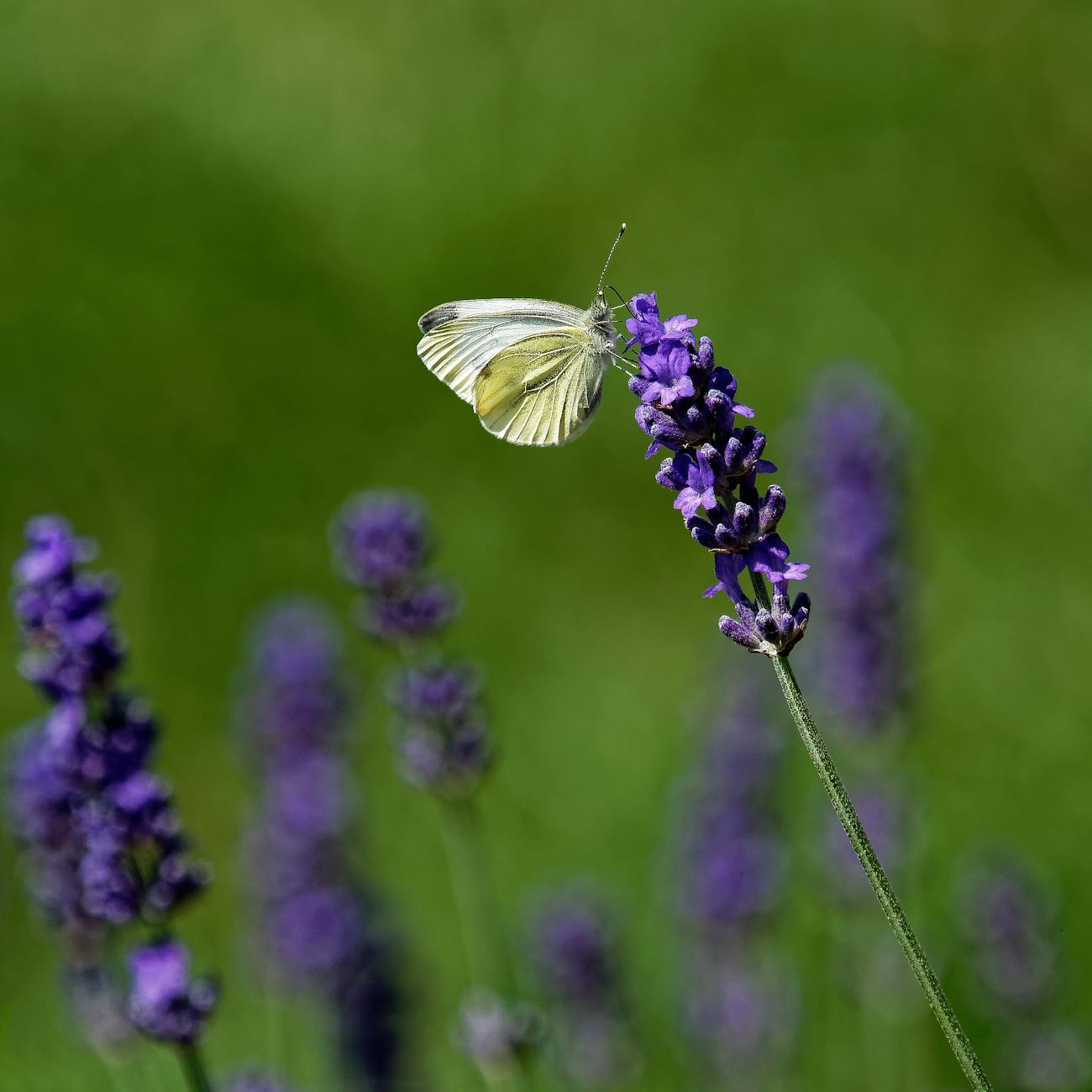
Lavender is a perennial herb belonging to the genus Lavandula, renowned for its aromatic foliage and spikes of purple flowers. In the context of a farm establishment, the term extends beyond the plant itself to encompass the entire production system, from soil preparation to market delivery. Understanding the specialized vocabulary is essential for successful cultivation, especially in the climatic and regulatory environment of Moldova.
Species selection is the first critical decision. The two most widely cultivated species for oil production are Lavandula angustifolia (English lavender) and Lavandula × intermedia (lavandin). English lavender yields a finer fragrance and higher market price, while lavandin offers greater biomass and oil yield. For example, a farm in the Codri region may choose lavandin to exploit its robust growth in the slightly cooler microclimates, whereas a boutique operation targeting premium essential oil markets may prefer English lavender.
Varietal identification further refines this choice. Within each species, cultivars such as ‘Munstead’, ‘Hidcote’, and ‘Grosso’ exhibit distinct traits in terms of flower color, oil composition, and disease resistance. Selecting a cultivar adapted to local soil pH and moisture regimes can reduce input costs. In practice, a trial plot of three cultivars planted side‑by‑side for one season can reveal which performs best under Moldovan conditions.
Hardiness zone refers to the range of minimum winter temperatures a plant can survive. Moldova falls primarily within USDA zones 6b to 8a. Understanding this classification helps growers decide whether to provide winter protection, such as mulching with straw or employing low tunnels. A common challenge is unexpected frost events that can damage early growth; selecting a cultivar with proven cold tolerance mitigates this risk.
Soil texture describes the proportion of sand, silt, and clay particles. Lavender thrives on well‑drained, loamy soils with a sand content of at least 30 %. When the native soil is heavy clay, a common practice is to amend it with coarse sand or gravel to improve aeration. For instance, a farmer in the Orhei district may excavate the top 30 cm of clay and replace it with a 1:1 Mixture of native soil and river sand to create optimal conditions.
Soil pH is a measure of acidity or alkalinity, ranging from 0 (highly acidic) to 14 (highly alkaline). Lavender prefers a pH between 6.5 And 8.0. If the soil is too acidic, lime can be applied at a rate of 2–4 t ha⁻¹ to raise the pH. Conversely, if the soil is overly alkaline, elemental sulfur may be incorporated. Regular soil testing, at least twice per year, ensures the pH remains within the desired window.
Organic matter content influences water retention and nutrient availability. A target of 2–3 % organic matter is sufficient for lavender, as excessive organic content can retain too much moisture and promote root rot. Adding well‑composted manure or green manure crops such as clover during the off‑season can modestly increase organic matter without compromising drainage.
Drainage is perhaps the most vital soil property for lavender. The plant is intolerant of waterlogged conditions, which can lead to Phytophthora root rot. Installing raised beds or constructing gentle slopes of 2–3 % ensures excess water runs off. In areas with a high water table, installing a subsurface drainage pipe at a depth of 50 cm can be an effective solution.
Propagation method determines how new plants are introduced. The two principal methods are seed propagation and vegetative propagation. Seed propagation is less common for commercial oil production because seed‑grown plants may not be true‑to‑type and often have lower oil content. Vegetative propagation, which includes stem cuttings and root cuttings, ensures genetic uniformity and faster establishment. A typical protocol for stem cuttings involves taking 10‑cm segments from semi‑hardwood growth in early summer, removing lower leaves, dipping the cut end in a rooting hormone containing indole‑3‑butyric acid (IBA), and placing the cuttings in a misting greenhouse for 2–3 weeks.
Rooting hormone is a plant growth regulator that stimulates root development. Commercial formulations contain IBA at concentrations of 0.1–0.5 %. Over‑application can cause phytotoxicity, so it is essential to follow label instructions. An example of a practical application is to dip each cutting in a powder form for 5 seconds, then plant in a sterile sand‑perlite mixture.
Nursery phase follows successful rooting. Young plants are typically grown in 5‑litre containers for 8–10 weeks before field transplantation. During this phase, careful monitoring of temperature (18–22 °C) and humidity (70–80 %) promotes vigorous root development. A challenge at this stage is the risk of fungal pathogens such as Pythium spp., Which can be mitigated by using a fungicide‑treated substrate and maintaining good air circulation.
Transplanting time is usually in early spring, once the danger of hard frost has passed and soil temperatures reach at least 12 °C. Planting too early can expose seedlings to chilling injury, while planting too late reduces the vegetative growth period, potentially lowering final yield. In Moldova, the optimal window often falls between mid‑April and early May, depending on local weather patterns.
Plant spacing influences canopy development, airflow, and ease of harvest. Common spacing guidelines are 60 cm between rows and 40 cm between plants within a row for English lavender, and 80 cm × 60 cm for lavandin. Wider spacing reduces competition for water and nutrients, and improves air circulation, thereby lowering disease pressure. However, tighter spacing can increase plant density and overall yield per hectare if disease management is robust.
Planting depth should place the root ball just below the soil surface, with the crown level with the surrounding ground. Planting too deep encourages stem rot, while planting too shallow can lead to desiccation. A practical tip is to dig a hole slightly larger than the root ball, backfill with a mixture of native soil and a small amount of well‑rotten compost, and firm gently to eliminate air pockets.
Irrigation strategy is a key component of farm management. Lavender is drought‑tolerant once established, but young plants require regular watering to develop a strong root system. Drip irrigation is the preferred method because it delivers water directly to the root zone, minimizing foliage wetness and reducing disease risk. A typical drip line delivers 2–3 L h⁻¹ per emitter, with a schedule of 2–3 times per week during the first six weeks after planting, gradually reducing to once every 10–14 days as the plants mature.
Fertigation, the combined application of fertilizer and irrigation water, can be employed to supply nutrients efficiently. A balanced fertilizer with an N‑P‑K ratio of 10‑10‑10 applied at 50 kg ha⁻¹ per year, split into three applications (early spring, mid‑summer, early autumn), supports healthy growth without excessive vegetative vigor that might dilute essential oil concentration. Over‑fertilization, particularly with nitrogen, can lead to lush foliage at the expense of flower production and oil quality.
Nitrogen is essential for leaf development, while phosphorus promotes root growth and flower initiation, and potassium aids in overall plant vigor and stress tolerance. Micronutrients such as magnesium, iron, and zinc are required in smaller amounts but are crucial for enzyme function and chlorophyll synthesis. Soil tests should guide the precise rates of each nutrient to avoid deficiencies or toxicities.
Weed management is vital because weeds compete for water, nutrients, and light. Mechanical cultivation, such as shallow tillage or the use of a rotary hoe, is effective in the early stages. Mulching with organic materials (straw, wood chips) suppresses weed emergence and conserves soil moisture. However, mulch must be kept thin (5–10 cm) to prevent excessive moisture retention, which could predispose the lavender to root rot.
Integrated pest management (IPM) combines cultural, biological, and chemical controls to keep pest populations below economic thresholds. Common pests in Moldovan lavender farms include aphids (Aphis spp.), Thrips, and spider mites. Beneficial insects such as ladybird beetles and predatory mites can be introduced to curb pest numbers. For example, releasing Phytoseiulus persimilis in a greenhouse nursery can reduce spider mite infestations without the need for synthetic acaricides.
Disease identification is a necessary skill. The most prevalent diseases affecting lavender are gray mold (Botrytis cinerea), root rot (Phytophthora spp.), And leaf spot (Alternaria spp.). Gray mold thrives in humid conditions and can be controlled by ensuring good air circulation, avoiding overhead irrigation, and applying a fungicide such as copper hydroxide during periods of high humidity. Root rot is primarily a drainage issue; improving soil structure and avoiding waterlogged conditions are the most effective preventative measures.
Harvest timing directly influences oil composition. The optimal harvest window occurs when the majority of flower buds have opened but before full senescence, typically 70–85 % bloom. Harvesting too early results in lower oil yield, while harvesting too late can lead to a decrease in desirable linalyl acetate and a rise in unwanted compounds. In practice, growers may conduct daily visual inspections and use a handheld refractometer to assess oil content in a sample of harvested material.
Harvest method can be manual or mechanized. Manual cutting with sharp shears or sickles allows selective harvesting of flower spikes, preserving the plant’s vigor. Mechanical harvesters, such as rotary cutters, increase efficiency but may cause excessive leaf damage and reduce subsequent yields if not properly adjusted. A hybrid approach—using manual cutting for the first two harvests and mechanized equipment for later cuts—balances labor costs with plant health.
Post‑harvest handling includes immediate transport to a drying facility, as prolonged exposure to moisture can promote mold growth. The material should be spread in thin layers (10–15 cm) on ventilated drying racks, with a target moisture content of 10–12 % before storage. Forced‑air dryers set at 40 °C can accelerate drying while preserving volatile compounds. Over‑drying (below 8 % moisture) can lead to loss of aromatic constituents.
Distillation is the process by which essential oil is extracted from dried lavender material. The most common technique is steam distillation, which involves passing steam through the plant material and condensing the resulting vapor‑oil mixture. The distillation time for lavender is typically 2–3 hours, with a yield of 0.5–2 % (V/w) oil depending on species and harvest conditions. A practical challenge is maintaining consistent temperature (100–105 °C) to avoid thermal degradation of delicate aroma compounds.
Oil composition is characterized by the relative percentages of key constituents such as linalool, linalyl acetate, camphor, and 1,8‑cineole. English lavender typically contains higher linalyl acetate (30–45 %) and lower camphor (<1 %), resulting in a sweeter fragrance prized in perfumery. Lavandin, by contrast, may have camphor levels up to 5 %, giving a more herbaceous scent suitable for cleaning products. Understanding these profiles enables growers to target specific market segments.
Quality standards are governed by national and international regulations. In the European Union, the European Pharmacopoeia sets limits for parameters such as oil density (0.885–0.905 G mL⁻¹), refractive index (1.466–1.470), And camphor content (<0.5 % For English lavender). Certification bodies such as ISO 9001 and Organic EU provide frameworks for quality management and organic production, respectively. Compliance requires regular laboratory analysis, documentation, and traceability from field to final product.
Market channels include direct sales to perfumers, aromatherapy manufacturers, culinary producers, and the tourism sector (e.G., Lavender festivals). Export markets demand strict adherence to phytosanitary standards, including pest‑free certification and residue testing. A practical example: A farm aiming to export to Germany must provide a phytosanitary certificate, proof of EU organic certification, and meet the maximum permissible levels of pesticide residues as defined by EU Regulation 396/2005.
Packaging influences both product preservation and branding. Dark glass bottles of 30 mL or 100 mL are standard for essential oil retail, protecting the oil from light‑induced oxidation. For bulk shipments, stainless‑steel drums with nitrogen flushing are employed to maintain oil integrity. Proper labeling, including batch number, harvest date, and chemical analysis, is mandatory for traceability.
Business planning involves financial modeling to assess profitability. Initial capital costs encompass land acquisition, site preparation (soil amendment, drainage), irrigation infrastructure, nursery facilities, and harvesting equipment. Operating expenses include labor, fertilizers, water, pest control, and distillation energy. A typical return‑on‑investment (ROI) horizon for a well‑managed lavender farm in Moldova ranges from 4 to 7 years, assuming an average yield of 2 t ha⁻¹ of dried flower spikes and an oil price of €35 kg⁻¹.
Labor requirements vary throughout the production cycle. The most labor‑intensive phases are planting, pruning, and harvesting. Mechanization can reduce labor costs, but initial equipment investment must be weighed against long‑term savings. For example, a small‑scale operation may rely on family labor, whereas a larger commercial farm (10 ha) may invest in a motorized pruning shear and a small‑scale distillation unit to achieve economies of scale.
Mechanization options include motorized weeder machines, tractor‑mounted mowers for post‑harvest residue management, and portable drum dryers for on‑site oil extraction. The choice of equipment should consider field topology, soil compaction risk, and maintenance capabilities. A common challenge is the limited availability of specialized lavender equipment in Moldova, prompting growers to adapt generic horticultural machinery.
Safety considerations are essential during both field operations and oil processing. Personal protective equipment (PPE) such as gloves, goggles, and respiratory masks should be worn when handling chemicals (fertilizers, pesticides) and during distillation, where hot steam poses burn hazards. Additionally, essential oil vapors can be irritant; adequate ventilation in the distillation area is mandatory.
Environmental sustainability is increasingly important for market acceptance. Lavender farms can adopt practices such as water‑use efficiency, composting of plant residues, and the use of renewable energy (solar panels) to power irrigation pumps. Carbon sequestration can be enhanced by integrating cover crops like clover, which fix nitrogen and improve soil structure. A practical illustration: Planting a 1 m strip of white clover between lavender rows can reduce irrigation demand by up to 15 % through improved soil moisture retention.
Water use efficiency is measured by the ratio of biomass produced per unit of water applied (kg m⁻³). Lavender’s inherent drought tolerance yields a high water‑use efficiency, often exceeding 5 kg m⁻³ under optimal conditions. Implementing drip irrigation with soil moisture sensors allows precise water delivery, further improving this metric. A challenge arises during prolonged drought periods, when even established lavender may experience reduced flowering; supplemental irrigation during critical bloom stages can mitigate yield loss.
Soil health monitoring involves periodic assessment of physical, chemical, and biological parameters. Soil bulk density, aggregate stability, and microbial activity (e.G., Dehydrogenase enzyme activity) provide insight into the long‑term viability of the farm. Incorporating organic amendments such as composted lavender waste recycles nutrients and enhances microbial diversity. For example, applying 5 t ha⁻¹ of composted lavender stems after each harvest can increase soil organic carbon by 0.2 % Annually.
Pollination dynamics influence seed set in the rare case that a farmer chooses to produce seed for breeding purposes. Lavender is primarily insect‑pollinated, with bees (Apis mellifera) being the most effective vectors. Maintaining a diverse floral environment and providing nesting habitats (e.G., Bee hotels) encourages pollinator activity. However, for oil production the focus remains on vegetative propagation, so pollination is less critical but still contributes to overall biodiversity.
Legal and regulatory framework in Moldova includes land use permits, water extraction licenses, and compliance with the National Plant Protection Service. Farmers must register their agricultural activity with the Ministry of Agriculture, Food Industry and Forestry, and obtain a phytosanitary certificate for any export shipments. Failure to adhere to these regulations can result in fines, product rejection, or loss of market access.
Export documentation typically comprises a commercial invoice, packing list, certificate of origin, phytosanitary certificate, and, if applicable, an organic certification. The Certificate of Origin may be required to benefit from preferential tariffs under the EU‑Moldova Association Agreement. A practical tip is to engage a customs broker familiar with EU import procedures to streamline the clearance process.
Risk management strategies include crop insurance, diversification, and contingency planning for extreme weather events. Moldova’s climate can be variable, with occasional summer droughts and spring frosts. Installing a weather monitoring station on the farm enables real‑time data collection, allowing growers to adjust irrigation schedules or apply frost protection measures promptly. Diversifying product lines—such as offering dried lavender bouquets alongside essential oil—can buffer income against fluctuations in oil prices.
Brand development is a non‑technical but essential aspect of farm establishment. A compelling brand story that highlights the farm’s location in the historic region of Moldova, its commitment to sustainable practices, and the unique aromatic profile of its lavender can differentiate the product in competitive markets. Visual branding elements, such as a logo featuring the lavender flower and local motifs, reinforce consumer recognition.
Training and capacity building are vital for long‑term success. Engaging with local agricultural extension services, participating in workshops organized by the International Lavender Association, and collaborating with research institutions (e.G., The Institute of Plant Protection and Genetics) provide access to the latest agronomic research and technology. Continuous learning helps address emerging challenges such as new pest pressures or changing market standards.
Technology adoption can enhance efficiency. Precision agriculture tools—GPS‑guided equipment, remote sensing drones, and mobile apps for field data entry—allow for accurate mapping of soil variability, pest hotspots, and yield estimates. For instance, a drone equipped with multispectral sensors can detect early signs of water stress by identifying changes in the NDVI (Normalized Difference Vegetation Index), prompting targeted irrigation adjustments.
Financial incentives are available through national programs that support agricultural diversification and organic farming. The Moldovan Ministry of Agriculture offers subsidies for the installation of drip irrigation systems and for certification under the EU organic regime. Accessing these funds requires a well‑prepared project proposal outlining expected environmental and economic benefits.
Community engagement strengthens the social license to operate. Hosting open days, educational tours, and participating in regional lavender festivals fosters goodwill and can generate additional revenue streams through agritourism. A successful example is a farm in the Hâncești district that combined lavender fields with a small guesthouse, offering guided tours and workshops on essential oil distillation, thereby creating a diversified income model.
Future trends indicate a growing demand for natural and sustainably sourced products, particularly in the cosmetics and wellness sectors. Lavender’s versatility—as a fragrance, a therapeutic agent, and a culinary herb—positions it well to capitalize on these trends. However, growers must stay vigilant regarding emerging regulations on pesticide residues, labeling claims (e.G., “Organic” vs. “Natural”), and consumer expectations for traceability.
Summary of key terms provides a quick reference for learners. Each term is linked to practical considerations, examples, and potential challenges, ensuring that the vocabulary is not merely theoretical but directly applicable to the establishment and operation of a lavender farm in Moldova. Mastery of these concepts equips growers to make informed decisions, optimize production, and navigate the complexities of the global lavender market.
Key takeaways
- In the context of a farm establishment, the term extends beyond the plant itself to encompass the entire production system, from soil preparation to market delivery.
- For example, a farm in the Codri region may choose lavandin to exploit its robust growth in the slightly cooler microclimates, whereas a boutique operation targeting premium essential oil markets may prefer English lavender.
- Within each species, cultivars such as ‘Munstead’, ‘Hidcote’, and ‘Grosso’ exhibit distinct traits in terms of flower color, oil composition, and disease resistance.
- Understanding this classification helps growers decide whether to provide winter protection, such as mulching with straw or employing low tunnels.
- For instance, a farmer in the Orhei district may excavate the top 30 cm of clay and replace it with a 1:1 Mixture of native soil and river sand to create optimal conditions.
- Soil pH is a measure of acidity or alkalinity, ranging from 0 (highly acidic) to 14 (highly alkaline).
- Adding well‑composted manure or green manure crops such as clover during the off‑season can modestly increase organic matter without compromising drainage.