
Lavender Plant Biology
Lavender (genus Lavandula) belongs to the family Lamiaceae, a group characterized by square stems, opposite leaves, and a distinctive aromatic profile. Understanding the botanical terminology associated with lavender is essential for effect…
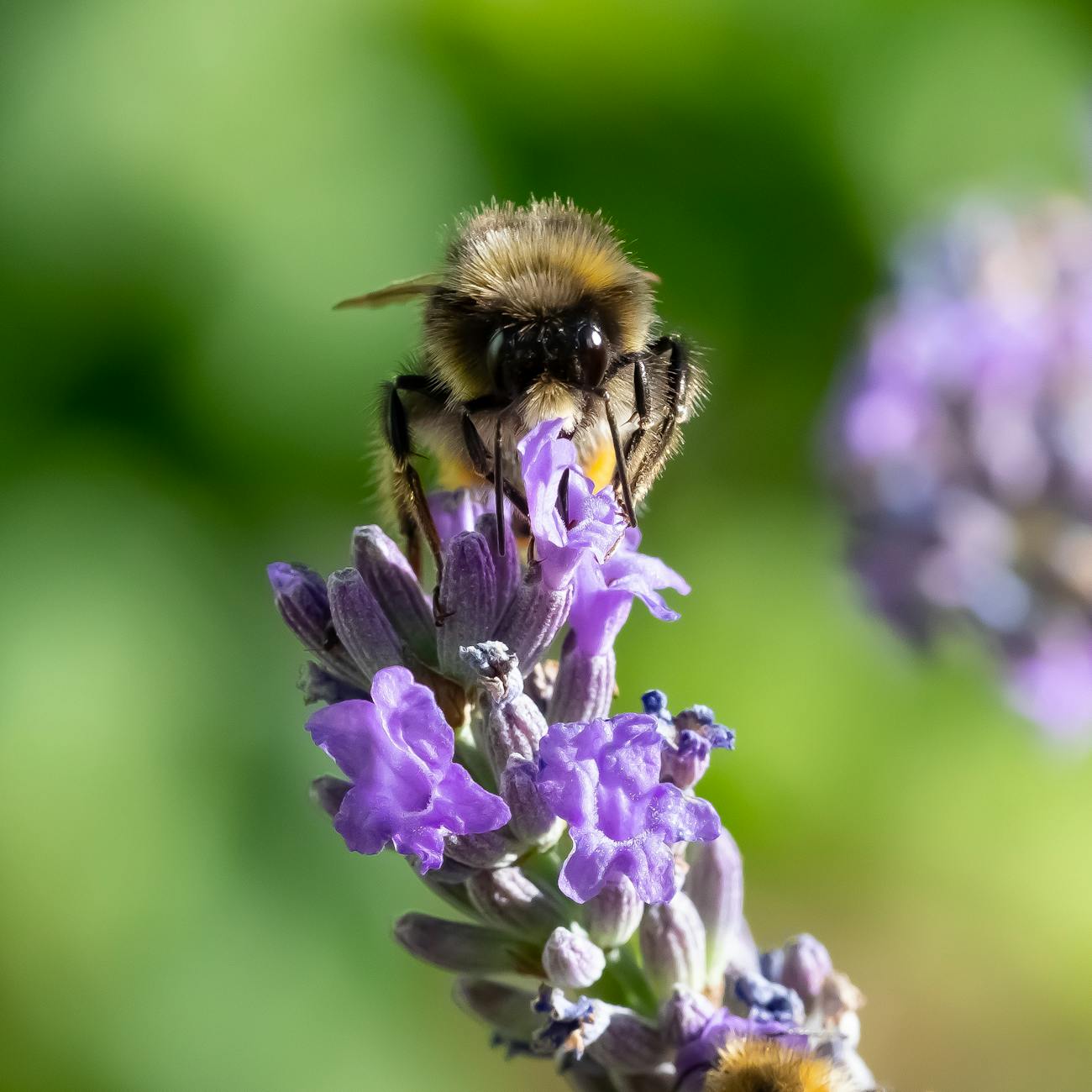
Lavender (genus Lavandula) belongs to the family Lamiaceae, a group characterized by square stems, opposite leaves, and a distinctive aromatic profile. Understanding the botanical terminology associated with lavender is essential for effective cultivation, especially in the varied climatic zones of Moldova. The following glossary presents the most important terms, organized by plant structure, growth processes, environmental requirements, and management practices. Each definition includes practical examples, typical challenges, and suggestions for application in a commercial setting.
Taxonomy – The scientific classification system that places lavender within the kingdom Plantae, division Angiospermae, class Magnoliopsida, order Lamiales, family Lamiaceae, genus Lavandula. Knowing the taxonomic hierarchy helps growers select appropriate species and varieties; for instance, Lavandula angustifolia (English lavender) is preferred for high‑quality oil, while Lavandula × intermedia (lavandin) offers greater vigor and higher yield but a different oil composition.
Species – A distinct group of plants capable of interbreeding and producing fertile offspring. Major cultivated species include Lavandula angustifolia, Lavandula latifolia, Lavandula dentata, and Lavandula stoechas. Each species exhibits unique leaf morphology, flower color, and oil profile, influencing site selection and market targeting.
Cultivar – A cultivated variety selected for specific traits such as flower color, growth habit, or oil composition. Examples in Moldova include ‘Muntenia Blue’ for its deep violet hue and ‘Moldovan Gold’ for its high linalyl acetate content. When choosing cultivars, consider adaptability to local soils, resistance to common pests, and alignment with intended product lines (e.G., Essential oil versus dried flowers).
Hybrid – The offspring of two different species or cultivars, often created to combine desirable traits. The most common commercial hybrid is Lavandula × intermedia, resulting from a cross between L. Angustifolia and L. Latifolia. Hybrids may exhibit increased vigor (heterosis) but can also display unpredictable oil profiles, requiring careful chemotype analysis.
Phenotype – The observable characteristics of a plant, determined by genetic makeup and environmental influences. In lavender, phenotype includes plant height, leaf size, flower color, and oil yield. Monitoring phenotypic variation across different fields helps identify optimal management practices and detect stress early.
Genotype – The genetic constitution of a plant. While growers cannot directly manipulate genotype, they can select plant material with proven genetic performance. Molecular markers are increasingly used to verify true‑to‑type cultivars and to detect contamination by unwanted species.
Morphology – The study of the form and structure of plants. Lavender morphology includes several key parts: Roots, stem, leaves, inflorescence, flower, and seed. Mastery of these terms enables precise communication with agronomists, extension agents, and certification bodies.
Root system – Lavender develops a fibrous to moderately deep taproot depending on soil texture and moisture. A well‑developed root system enhances drought tolerance, a crucial factor in Moldova’s continental climate with dry summer periods. Root rot caused by water‑logged soils is a common challenge; thus, growers should select well‑draining substrates and avoid excessive irrigation.
Rhizome – A horizontal underground stem that can produce new shoots and roots. Some lavender species, particularly L. Dentata, may form short rhizomes, facilitating vegetative spread. In commercial fields, rhizomatous growth can lead to clumping, requiring periodic division to maintain uniform spacing.
Stem – The aerial axis that supports leaves and inflorescences. Lavender stems are typically square (quadrangular) in cross‑section, a hallmark of the Lamiaceae family. The stem’s internode length influences plant architecture; shorter internodes produce compact, bushy plants suitable for high‑density planting, while longer internodes favor open growth with easier harvest access.
Leaf arrangement – Lavender exhibits opposite leaf arrangement, meaning pairs of leaves emerge at the same node on opposite sides of the stem. Leaves are simple, entire, and often covered with glandular trichomes that store essential oil compounds. Leaf size and shape vary among species: L. Angustifolia has narrow, lanceolate leaves, whereas L. Latifolia displays broader, ovate leaves. Leaf morphology affects transpiration rates and susceptibility to herbivory.
Trichome – A hair‑like outgrowth from the epidermis, often glandular in lavender. Trichomes synthesize and store volatile compounds such as linalool, linalyl acetate, and camphor. The density and activity of trichomes directly impact oil yield and quality. Environmental stresses like high temperature or drought can increase trichome production, but extreme conditions may also degrade oil composition.
Inflorescence – The cluster of flowers arranged on a stem. Lavender inflorescences are typically spikes or panicles, with each spike composed of many small, bilaterally symmetrical flowers. The timing of inflorescence emergence is a key phenological indicator used to schedule irrigation, fertilization, and pest management. Early flowering may expose buds to late frosts; late flowering can reduce harvest windows.
Pedicel – The short stalk that attaches an individual flower to the main inflorescence axis. Pedicel length influences flower spacing and pollinator access. In dense cultivars, short pedicels can create compact spikes that are easier to harvest mechanically but may limit airflow, increasing humidity‑related disease risk.
Corolla – The collective term for the petals of a flower. Lavender corollas are fused into a tube that flares at the mouth, forming a distinctive “two‑lipped” shape (bilabiate). The upper lip often serves as a landing platform for pollinators, while the lower lip guides them toward the reproductive organs. Corolla color varies from pale lilac to deep violet, and occasionally white or pink in ornamental varieties.
Sepal – The outermost whorl of a flower, typically green and leaf‑like, protecting the developing bud. In lavender, sepals are small and may persist after blooming, contributing to the overall visual appeal of dried flower arrangements.
Stamen – The male reproductive organ consisting of an anther and filament. Lavender flowers usually contain four stamens, a characteristic of the Lamiaceae family. Stamen length influences pollen release; longer stamens may improve cross‑pollination but can also increase susceptibility to wind‑borne pollen loss.
Pistil – The female reproductive structure, comprising the stigma, style, and ovary. Lavender pistils are fused into a single compound pistil. Successful fertilization results in the development of a schizocarpic fruit, which splits into two nutlets containing the seeds.
Nutlet – A small, hard fruit that houses the seed of lavender. Nutlets are typically brown, have a rough surface, and contain a single seed. Seed viability declines rapidly after harvest; therefore, growers aiming for seed propagation must sow fresh material or store seeds under controlled humidity and temperature.
Phenology – The study of periodic plant life cycle events such as germination, leaf emergence, flowering, and senescence. Lavender phenology in Moldova is influenced by temperature, photoperiod, and moisture. Monitoring phenological stages allows precise timing of cultural operations: For example, applying nitrogen when vegetative growth peaks, or reducing irrigation as plants transition to flowering.
Photoperiod – The length of day versus night. Lavender is a short‑day plant for flowering, meaning that decreasing day length in late summer triggers the onset of bloom. Understanding local photoperiod patterns helps growers anticipate flowering windows and schedule harvests to capture peak oil content.
Thermal time – A measure of accumulated heat, expressed in growing degree days (GDD). Lavender requires approximately 1500–1800 GDD to reach full bloom in temperate regions. Calculating thermal time assists in planning irrigation and fertilization regimes, ensuring resources are applied when plants are most responsive.
Hardiness zone – A geographic classification based on minimum winter temperatures. Moldova falls within USDA zones 6–7, which are marginal for some lavender species. Selecting cold‑tolerant cultivars, such as ‘Hidcote’, and employing protective measures like mulching can mitigate winter injury.
Soil texture – The proportion of sand, silt, and clay particles. Lavender thrives in loamy to sandy soils with good drainage. Heavy clay soils retain moisture, increasing the risk of root rot, while overly sandy soils may lack sufficient nutrient‑holding capacity. Soil amendments such as organic matter or gypsum can improve structure.
Soil pH – The acidity or alkalinity of the growing medium. Lavender prefers a slightly alkaline to neutral pH (6.5–7.5). Acidic soils (<6.0) Can impair nutrient uptake, particularly of calcium and magnesium, leading to leaf tip necrosis. Lime applications raise pH, while elemental sulfur can lower it if required.
Electrical conductivity (EC) – An indicator of soil salinity. Elevated EC can cause osmotic stress, reducing water uptake and leaf expansion. Lavender is moderately tolerant of low to moderate salinity; however, high EC (>4 dS m⁻¹) may diminish oil quality. Regular soil testing helps maintain EC within optimal ranges.
Organic matter – Decomposed plant and animal residues that improve soil structure, water retention, and nutrient availability. Incorporating well‑composted organic matter enhances aeration, supporting the shallow root system of lavender. Excessive organic inputs, however, can increase nitrogen levels, potentially delaying flowering.
Macro‑nutrients – Essential elements required in large quantities: Nitrogen (N), phosphorus (P), and potassium (K). In lavender cultivation, nitrogen promotes vegetative growth but excess can suppress flower production and dilute oil concentration. Phosphorus supports root development and energy transfer, while potassium improves stress tolerance and oil synthesis. Balanced fertilization, often guided by soil tests, is crucial.
Micro‑nutrients – Elements required in trace amounts, such as iron (Fe), manganese (Mn), zinc (Zn), copper (Cu), and boron (B). Deficiencies may manifest as interveinal chlorosis, stunted growth, or poor seed set. For example, iron deficiency is common in alkaline soils and can be corrected with chelated iron sprays.
Fertilizer regime – The schedule and composition of nutrient applications. A typical lavender program in Moldova involves a basal application of a balanced NPK fertilizer at planting, followed by split nitrogen applications during early vegetative stages, and a reduced nitrogen rate as flowering commences. Foliar micronutrient sprays may be applied during peak bloom to support oil biosynthesis.
Water use efficiency (WUE) – The ratio of biomass produced to water consumed. Lavender exhibits high WUE due to its aromatic leaf compounds that reduce transpiration. Nonetheless, inadequate irrigation during drought periods can cause leaf wilting and reduced oil yield. Drip irrigation, coupled with soil moisture sensors, optimizes water delivery while conserving resources.
Irrigation timing – The scheduling of water applications relative to plant developmental stage. Early growth stages benefit from frequent, light watering to establish root systems. As plants mature, irrigation frequency can be reduced, emphasizing deep watering to encourage root penetration. Over‑irrigation, especially in poorly drained soils, is a leading cause of fungal disease outbreaks.
Mulch – A protective layer of organic or inorganic material applied to the soil surface. In lavender fields, organic mulches such as straw or wood chips moderate soil temperature, suppress weeds, and conserve moisture. In colder regions, mulching also protects the root zone from freeze‑thaw cycles. Mulch must be applied thinly to avoid moisture accumulation that could promote rot.
Pruning – The selective removal of plant parts to shape growth, improve airflow, and stimulate flower production. Lavender is typically pruned after the first flowering flush, removing spent flower spikes and cutting back stems to just above the leaf nodes. Regular pruning prevents woody, unproductive growth and facilitates mechanical harvesting.
Harvest window – The period during which flowers contain peak concentrations of essential oil constituents. For English lavender, the optimal harvest occurs when flowers are in full bloom but before seed set, usually 70–85 % flower opening. Harvesting too early yields lower oil content; harvesting too late can result in higher camphor levels and reduced market value.
Distillation – The process of extracting essential oil from lavender plant material by steam or hydro‑distillation. The quality of the oil depends on harvest timing, plant part used (flower spikes vs. Whole inflorescence), and distillation parameters (temperature, duration). Steam distillation at 100–105 °C for 2–3 hours is standard for high‑quality oil.
Essential oil – A volatile, aromatic compound extracted from lavender tissues, primarily composed of terpenes such as linalool, linalyl acetate, and camphor. The oil’s chemotype determines its suitability for various applications: A high linalyl acetate content is prized for perfumery, while a higher camphor level may be desirable for medicinal uses. Gas chromatography (GC) analysis is used to verify chemotype.
Chemotype – The specific chemical composition of a plant’s essential oil, determined by genetics and environmental factors. Lavender chemotypes are classified as “linalool‑rich”, “linalyl acetate‑rich”, or “camphor‑rich”. Selecting the appropriate chemotype aligns production with market demand; for example, the European perfume industry prefers low‑camphor, high‑linalyl acetate oils.
Yield – The amount of product obtained per unit area, expressed as kilograms of dried flowers or liters of essential oil per hectare. Lavender yields vary widely: Dry flower yields range from 1.5 To 3 t ha⁻¹, while oil yields can be 0.6–1.5 % Of dry weight. Yield is influenced by cultivar choice, planting density, soil fertility, irrigation, and pest management.
Planting density – The spacing of individual lavender plants within a field. Typical densities range from 12 000 to 20 000 plants per hectare, corresponding to spacing of 30 × 30 cm to 40 × 50 cm. Higher densities increase total flower production per area but may intensify competition for water and nutrients, requiring careful management of irrigation and fertilization.
Row orientation – The alignment of planting rows relative to prevailing winds and sun angle. In Moldova, orienting rows north‑south maximizes uniform light exposure and reduces shading, while also allowing wind to flow parallel to rows, minimizing physical damage to stems.
Crop rotation – The practice of alternating lavender with non‑related crops to break pest cycles and improve soil health. Rotating with legumes such as clover can increase nitrogen fixation, while a break of two years before replanting reduces soil‑borne pathogen loads.
Pest – An organism that damages the crop. Major lavender pests in Moldova include the lavender beetle (Chaetocnema octopunctata), aphids (Aphis spp.), and spider mites (Tetranychus urticae). Integrated pest management (IPM) strategies combine monitoring, cultural controls, biological agents, and targeted chemical applications.
Beetle – The larvae of the lavender beetle feed on foliage, creating characteristic “window” damage. Adult beetles emerge in late spring and can be controlled by hand‑picking or using neem‑based insecticides. Maintaining a diverse field margin with flowering plants encourages natural predators such as lady beetles.
Aphid – Small sap‑sucking insects that excrete honeydew, fostering sooty mold growth. Aphid infestations can be mitigated by introducing parasitoid wasps (Aphidius colemani) and by applying mild soap sprays. Over‑use of nitrogen fertilizer can exacerbate aphid problems by producing lush, tender growth.
Mite – Tiny arthropods that cause stippling and bronzing of leaves. Spider mite populations surge under hot, dry conditions common in summer months. Biological control with predatory mites (Phytoseiulus persimilis) and the use of reflective mulches can reduce mite pressure.
Disease – A pathological condition caused by fungi, bacteria, or viruses. In lavender, the most frequent diseases are root rot (caused by Phytophthora spp.), Leaf spot (Alternaria spp.), And powdery mildew (Erysiphe spp.). Proper drainage, adequate spacing, and timely fungicide applications are essential components of disease management.
Root rot – A decay of root tissues caused by water‑logged conditions that favor pathogenic fungi. Symptoms include yellowing leaves, wilting, and a foul odor from the root zone. Preventive measures involve planting on raised beds, using well‑draining soils, and applying fungicides only when soil moisture exceeds 80 % field capacity for more than 48 hours.
Leaf spot – Necrotic lesions on foliage, often surrounded by a yellow halo. Leaf spot can reduce photosynthetic capacity and predispose plants to secondary infections. Removal of infected leaves and the application of copper‑based fungicides during humid periods help control the disease.
Powdery mildew – A white, powdery fungal growth on leaf surfaces, thriving in high humidity and moderate temperatures. Lavender is relatively resistant, but dense planting can create microclimates conducive to mildew development. Cultural controls include increasing plant spacing, pruning for airflow, and applying sulfur or potassium bicarbonate sprays.
Biological control – The use of living organisms to suppress pest populations. In lavender fields, beneficial insects such as the predatory beetle (Hippodamia convergens) and the parasitic wasp (Encarsia formosa) are released to target aphids and whiteflies. Successful biological control requires minimal pesticide use to avoid harming the beneficial agents.
Chemical control – The application of synthetic pesticides to manage pests and diseases. When necessary, growers should select products with low toxicity, short residual periods, and specific activity against the target organism. Rotating active ingredients according to label recommendations reduces the risk of resistance development.
Resistance management – Strategies to delay the evolution of pest or pathogen populations that can survive pesticide applications. Practices include rotating chemicals with different modes of action, integrating non‑chemical methods, and adhering to recommended spray intervals.
Harvesting equipment – Mechanical devices used to cut and collect lavender flower spikes. Hand‑cutting with pruning shears remains common for high‑value niche markets, while larger operations may employ rotary harvesters or combine‑type machines. Equipment selection influences labor costs, fruit quality, and oil yield.
Mechanical harvesting – The use of powered machinery to cut stems at a uniform height, reducing labor intensity. While faster, mechanical harvesting can cause stem bruising, increasing the risk of post‑harvest mold. Adjusting harvester speed and blade sharpness minimizes damage.
Post‑harvest handling – The series of steps after cutting, including drying, cleaning, and storage. Lavender spikes should be dried in a well‑ventilated, shaded area at 30–35 °C for 5–7 days to preserve volatile compounds. Over‑drying can lead to loss of aromatic oils, while insufficient drying promotes fungal growth.
Drying method – Techniques used to reduce moisture content. Traditional sun drying is cost‑effective but can expose material to rain and dust. Controlled‑environment drying using low‑temperature dehydrators provides consistent results and protects oil quality, albeit at higher capital cost.
Moisture content – The proportion of water remaining in dried lavender, expressed as a percentage of fresh weight. Target moisture levels for storage are typically 8–10 %. Moisture meters or oven‑drying tests are employed to verify compliance. High moisture accelerates microbial decay and reduces shelf life.
Storage – The conditions under which dried lavender is kept prior to processing. Storage rooms should be cool (10–15 °C), dry, and dark to prevent oxidation of essential oils. Airtight containers such as laminated pouches or sealed drums protect against moisture ingress and volatile loss.
Quality assessment – The evaluation of lavender products against industry standards. Parameters include oil content, chemotype, color, fragrance intensity, and absence of contaminants. Certified laboratories perform gas chromatography, moisture analysis, and microbial testing. Consistent quality is essential for market acceptance and certification.
Certification – Formal recognition that a product meets defined standards. In Moldova, the national agricultural authority may issue organic certification, while the International Lavender Association provides a “Lavender Quality” label based on oil composition. Certification supports premium pricing and access to export markets.
Market demand – The consumer need for lavender products, driven by trends in aromatherapy, cosmetics, and natural health. Understanding regional preferences—for instance, higher demand for low‑camphor oil in the European perfume sector—guides cultivar selection and production planning.
Economic viability – The assessment of profitability based on input costs, yield, and market price. A detailed cost‑benefit analysis should include land preparation, planting material, irrigation infrastructure, labor, pest management, harvesting, processing, and certification fees. Sensitivity analysis helps identify risk factors such as price fluctuations or weather extremes.
Risk management – Strategies to mitigate potential losses. In lavender cultivation, risks include frost damage, drought, pest outbreaks, and market volatility. Insurance policies, diversified product lines (oil, dried flowers, culinary use), and staggered planting dates are common approaches to spread risk.
Climate adaptation – Adjustments made to cultivation practices to suit local weather patterns. In Moldova’s continental climate, growers may employ early‑season mulching to protect seedlings from late frosts, and late‑season irrigation to sustain flowering during dry spells. Selecting cold‑hardy cultivars and employing windbreaks reduce exposure to harsh conditions.
Windbreak – A barrier of trees or shrubs planted to reduce wind speed across a field. Lavender is moderately tolerant of wind, but strong gusts can break stems and increase transpiration. A windbreak consisting of hardy species such as poplar or willow can protect a lavender orchard while allowing sufficient airflow for disease prevention.
Pollinator – An organism that transfers pollen from the male to the female parts of a flower. Bees, especially honeybees and solitary bees, are primary pollinators of lavender. Providing nesting habitats and avoiding broad‑spectrum insecticides support pollinator health, which in turn improves seed set and genetic diversity.
Seed propagation – The practice of growing new plants from seeds rather than vegetative cuttings. While less common for commercial lavender due to variability, seed propagation is valuable for breeding programs and for establishing new cultivars. Seedlings require careful selection and may benefit from early protective measures such as shade cloth.
Vegetative propagation – The generation of new plants from parts of the parent plant, typically through cuttings. Lavender cuttings are taken from semi‑hardwood stems in late summer, treated with rooting hormone, and placed in a mist propagation system. This method ensures genetic uniformity and faster establishment compared to seed.
Rooting hormone – A plant growth regulator that stimulates root development on cuttings. Indole‑3‑butyric acid (IBA) at 0.5–1 % Concentration is commonly used for lavender. Over‑application can cause abnormal root growth; therefore, precise dosing and proper labeling are essential.
Propagation substrate – The medium in which cuttings are placed to develop roots. A mix of peat, perlite, and sand provides adequate aeration and moisture retention. Sterilizing the substrate reduces the risk of fungal infections that can compromise cutting survival.
Hardening off – The gradual acclimation of young plants to outdoor conditions. After rooting, lavender transplants are sheltered for 7–10 days, with incremental exposure to sunlight and wind. This process reduces transplant shock and improves field establishment rates.
Transplant shock – The physiological stress experienced by a plant when moved to a new environment. Symptoms include wilting, leaf yellowing, and reduced growth. Mitigation strategies include maintaining consistent moisture, applying anti‑stress biostimulants, and avoiding high‑temperature planting dates.
Biostimulant – A substance that enhances plant growth and resilience without providing direct nutrients. Seaweed extracts, humic acids, and mycorrhizal inoculants are examples used in lavender to improve root development and stress tolerance. Application rates should follow manufacturer recommendations to avoid phytotoxicity.
Mycorrhiza – A symbiotic association between plant roots and fungi that enhances nutrient uptake, particularly phosphorus. Inoculating lavender seedlings with arbuscular mycorrhizal fungi can increase drought resistance and promote healthier root systems, especially in soils with low organic matter.
Crop monitoring – The systematic observation of plant health, growth stage, and environmental conditions. Tools such as handheld refractometers for leaf water potential, soil moisture probes, and mobile apps for phenology tracking aid in data‑driven decision making. Accurate monitoring enables timely interventions, reducing input waste.
Remote sensing – The use of aerial or satellite imagery to assess crop status over large areas. Multispectral images can detect stress signals, such as reduced chlorophyll content, before visual symptoms appear. Integrating remote sensing data with ground truth measurements refines irrigation scheduling and pest scouting.
Integrated pest management (IPM) – A holistic approach that combines cultural, biological, mechanical, and chemical tactics to control pests while minimizing environmental impact. IPM for lavender includes regular scouting, threshold‑based pesticide applications, and the preservation of natural enemies. Documentation of pest pressure and control actions is essential for certification compliance.
Threshold level – The pest population density at which control measures become economically justified. For lavender beetle, a threshold of 5 % leaf damage may trigger intervention, whereas aphid control may be initiated when colony size exceeds 30 individuals per leaf. Setting appropriate thresholds prevents unnecessary pesticide use.
Economic threshold – The pest density at which the cost of damage equals the cost of control. Calculating economic thresholds requires knowledge of market prices, yield potential, and control costs. In lavender, the high value of essential oil often justifies lower thresholds compared to grain crops.
Harvest timing – The precise moment when flowers are cut to maximize oil content and desired chemotype. Monitoring flower color, scent intensity, and seed development provides indicators. In Moldova, the optimal harvest period for English lavender typically falls between mid‑June and early July, depending on annual weather patterns.
Post‑harvest loss – The reduction in product quantity or quality after cutting. Causes include moisture re‑absorption, oxidation of volatile compounds, and microbial contamination. Rapid drying, proper storage, and careful handling reduce these losses, preserving the economic value of the crop.
Value‑added product – A processed item that commands a higher price than the raw material. Lavender can be transformed into essential oil, scented soaps, cosmetics, culinary herbs, and therapeutic balms. Diversifying product lines buffers income against fluctuations in raw flower market prices.
Supply chain – The network that moves lavender from field to final consumer. It includes growers, processors, distributors, retailers, and exporters. Efficient supply chain management ensures product freshness, maintains quality standards, and reduces logistical costs. Traceability systems, often based on barcoding, support transparency and certification.
Export regulations – The legal requirements for shipping lavender products across borders. Documentation may include phytosanitary certificates, origin declarations, and compliance with destination country standards for pesticide residues. Understanding these regulations prevents shipment delays and penalties.
Phytosanitary certificate – An official document confirming that a consignment is free from regulated pests and diseases. Obtaining the certificate involves inspection by national plant protection services and may require treatment such as fumigation or heat treatment for certain pests.
Residue limit – The maximum allowable concentration of pesticide residues in a product, set by regulatory agencies. Lavender oil destined for the EU market must meet EU pesticide residue limits, which are often stricter than those in other regions. Regular laboratory testing ensures compliance.
Organic farming – A production system that excludes synthetic fertilizers and pesticides, relying on natural inputs and ecological balance. Organic lavender commands premium prices, but requires rigorous management of soil fertility, pest control, and certification processes. Compost, green manure, and biological controls are core components.
Compost – Decomposed organic material used to improve soil fertility and structure. Applying compost at a rate of 20–30 t ha⁻¹ before planting provides a slow‑release source of nutrients and enhances microbial activity, supporting plant health and disease resistance.
Green manure – A cover crop grown specifically to be incorporated into the soil, enriching it with organic matter and nitrogen. Leguminous green manures such as vetch or clover are particularly beneficial for lavender fields, especially after a period of fallow.
Soil amendment – Any material added to soil to improve its physical or chemical properties. In lavender cultivation, gypsum can be used to improve structure in heavy clay soils, while lime adjusts pH in acidic soils. Amendments should be applied based on soil test recommendations to avoid nutrient imbalances.
Soil test – An analysis of soil samples to determine nutrient levels, pH, EC, and texture. Conducting a soil test before planting provides a baseline for fertilizer planning and helps identify potential constraints such as high salinity or nutrient deficiencies.
Soil health – The overall condition of the soil ecosystem, encompassing physical structure, chemical balance, and biological activity. Healthy soil supports robust lavender growth, improves water infiltration, and reduces disease pressure. Practices such as reduced tillage, cover cropping, and organic matter addition promote soil health.
Cover crop – A plant grown primarily to protect and improve soil between main crop cycles. In lavender rotations, a winter cover crop of rye or barley can prevent erosion, suppress weeds, and add organic matter. Terminating the cover crop before planting ensures adequate soil moisture for lavender seedlings.
Weed management – The control of undesired plants that compete with lavender for resources. Mechanical methods such as shallow hoeing, mulching, and hand pulling are preferred in organic systems. Herbicide use should be limited to pre‑plant applications, respecting the narrow window before lavender emergence.
Herbicide – A chemical agent used to control weeds. In conventional lavender production, a pre‑emergence herbicide such as trifluralin may be applied to the seedbed. Strict adherence to label rates and timing prevents phytotoxicity to lavender seedlings.
Mechanical weeding – The use of tools or machines to physically remove weeds. Rotary cultivators can be employed between rows without damaging shallow lavender roots if row spacing is adequate. Operator skill and equipment calibration are critical to avoid stem injury.
Allelopathy – The chemical inhibition of one plant by another through the release of allelochemicals. Certain cover crops, like mustard, release glucosinolates that suppress soil‑borne pathogens and weeds, providing a natural disease‑reduction strategy for subsequent lavender planting.
Plant nutrition – The provision of essential elements for growth and development. Balanced nutrition supports vigorous vegetative growth, timely flowering, and high oil content. Foliar feeding with micronutrient solutions can correct deficiencies quickly during critical growth phases.
Foliar spray – Application of nutrients directly onto leaf surfaces. Foliar sprays of iron chelate are effective for correcting iron chlorosis in alkaline soils, delivering the nutrient directly to the site of deficiency.
Crop insurance – A financial product that compensates growers for losses due to natural disasters, disease, or market fluctuations. In Moldova, government‑supported agricultural insurance schemes may cover lavender under specific weather‑related loss categories, providing a safety net for producers.
Yield forecasting – The prediction of expected production based on current plant performance, weather data, and historical trends. Accurate forecasts assist in budgeting, marketing, and resource allocation. Statistical models incorporating GDD accumulation, rainfall patterns, and plant density improve forecast reliability.
Precision agriculture – The use of technology to apply inputs at variable rates across a field, matching plant needs. GPS‑guided variable‑rate irrigation and fertilization systems can optimize water and nutrient use in lavender fields, reducing waste and environmental impact.
Variable‑rate irrigation – Adjusting water delivery based on spatial variability in soil moisture or plant water status. Sensors placed in representative zones guide the irrigation controller to supply more water where soil is drier and less where moisture is adequate, conserving water and preventing over‑irrigation.
Data logger – An electronic device that records environmental parameters such as temperature, humidity, and soil moisture over time. Deploying data loggers throughout a lavender farm provides a detailed microclimate profile, informing management decisions and supporting research.
Decision support system (DSS) – Software that integrates field data, weather forecasts, and agronomic models to recommend actions such as irrigation timing or pest treatment. A DSS tailored for lavender can suggest optimal harvest dates based on predicted oil composition trends.
Crop modeling – The simulation of plant growth and development using mathematical representations of physiological processes. Models such as AquaCrop or STICS can be adapted for lavender to predict water use, biomass accumulation, and yield under varying climate scenarios.
Climate change – Long‑term shifts in temperature, precipitation, and extreme weather events. Anticipating climate change impacts on lavender may involve selecting more heat‑tolerant cultivars, adjusting planting dates, and investing in irrigation infrastructure to buffer against increased drought frequency.
Heat stress – The physiological strain on plants caused by high temperatures, leading to reduced photosynthesis, wilting, and lower oil synthesis. Protective measures include shading nets, increased irrigation during heat spikes, and breeding for heat‑tolerant genotypes.
Frost tolerance – The ability of a plant to survive low temperatures without damage. Lavender’s frost tolerance varies among cultivars; for example, ‘Hidcote’ can withstand temperatures down to –15 °C, while ‘Munstead’ is more susceptible. Site selection on gentle slopes with good air drainage reduces frost risk.
Wind tolerance – The capacity of a plant to endure strong winds without mechanical damage. Lavender’s flexible stems and compact habit confer moderate wind tolerance, but extreme gusts can cause breakage. Windbreaks and proper row orientation mitigate wind damage.
Salinity tolerance – The ability to grow in soils with elevated salt levels. Lavender tolerates low to moderate salinity, but high EC can impair growth and oil quality. Managing irrigation water quality, employing leaching practices, and selecting salt‑tolerant rootstocks are strategies to address salinity issues.
Ecotype – A genetically distinct population adapted to specific environmental conditions. In Moldova, local ecotypes may have evolved tolerance to regional climate extremes, offering a resource for breeding programs aimed at improving resilience.
Breeding program – A systematic effort to develop new cultivars with desired traits such as disease resistance, higher oil yield, or specific chemotype.
Key takeaways
- The following glossary presents the most important terms, organized by plant structure, growth processes, environmental requirements, and management practices.
- Taxonomy – The scientific classification system that places lavender within the kingdom Plantae, division Angiospermae, class Magnoliopsida, order Lamiales, family Lamiaceae, genus Lavandula.
- Major cultivated species include Lavandula angustifolia, Lavandula latifolia, Lavandula dentata, and Lavandula stoechas.
- When choosing cultivars, consider adaptability to local soils, resistance to common pests, and alignment with intended product lines (e.
- Hybrids may exhibit increased vigor (heterosis) but can also display unpredictable oil profiles, requiring careful chemotype analysis.
- Monitoring phenotypic variation across different fields helps identify optimal management practices and detect stress early.
- Molecular markers are increasingly used to verify true‑to‑type cultivars and to detect contamination by unwanted species.