
Freight And Chartering
Freight terminology forms the backbone of any discussion on dry cargo chartering, and a clear grasp of each term is essential for both newcomers and seasoned professionals. The term freight itself refers to the payment made by the charterer…
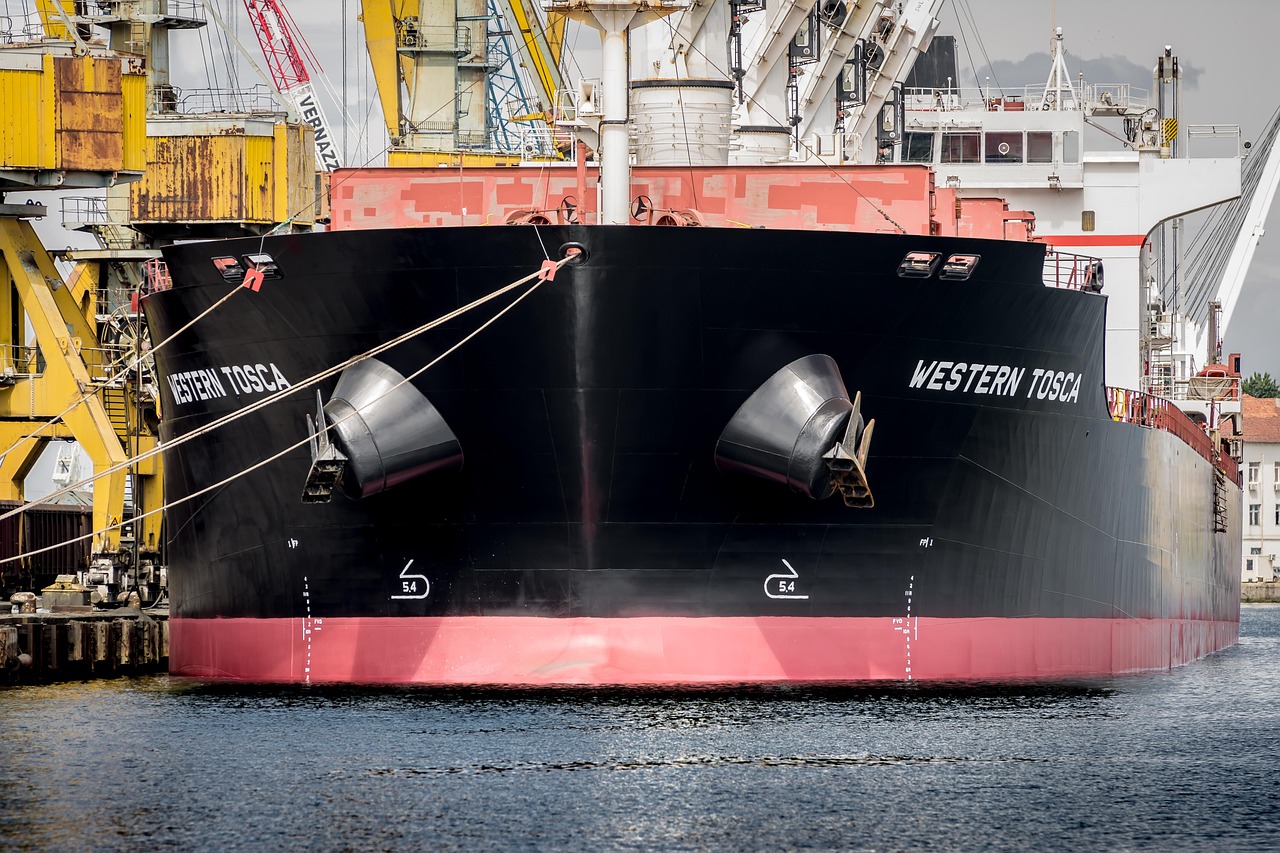
Freight terminology forms the backbone of any discussion on dry cargo chartering, and a clear grasp of each term is essential for both newcomers and seasoned professionals. The term freight itself refers to the payment made by the charterer to the shipowner for the carriage of cargo. It can be expressed as a fixed sum per metric ton, as a lump‑sum amount for the entire cargo, or sometimes as a percentage of the cargo value. For example, a charterer might agree to pay a freight of US$15 per ton for a grain shipment from the Black Sea to the Mediterranean. Understanding how freight is calculated, negotiated, and recorded is crucial because it directly impacts the profitability of the voyage and the risk exposure of both parties.
Chartering contracts are the legal instruments that bind the shipowner and the charterer. The three principal forms of charter are the voyage charter, the time charter, and the bareboat charter. In a voyage charter, the shipowner agrees to transport a specific cargo on a defined route for a predetermined freight. The shipowner retains control over the vessel’s operation, and the charterer’s responsibility is limited to loading, unloading, and paying the agreed freight. A typical example is a charterer hiring a bulk carrier to move coal from Australia to China, with the shipowner handling navigation, crew, and fuel costs.
A time charter, by contrast, transfers the operational control of the vessel to the charterer for a set period, usually expressed in months or years. The charterer pays a daily hire rate, known as the time charter equivalent (TCE), and is responsible for voyage expenses such as fuel, port charges, and canal tolls. The charterer also decides on the cargoes to be carried, the routes to be taken, and the loading and discharge ports, while the shipowner remains responsible for crewing and vessel maintenance. For instance, a steel producer might secure a time charter for a 24‑month period to guarantee a steady supply of raw materials, paying a daily rate of US$12,000 and bearing all voyage costs.
The bareboat charter, sometimes called a demise charter, represents the most extensive transfer of rights. Here, the charterer takes full possession of the vessel, including legal ownership of the ship for the charter period, and assumes responsibility for crewing, insurance, and maintenance. The charterer pays a fixed charter rate, often quoted per day, and may also be required to provide a security deposit. This arrangement is common in the shipping industry for operators who prefer to manage a fleet without owning the vessels outright. A practical illustration is a logistics company that obtains a bareboat charter of a Capesize bulk carrier to support its expanding commodity trading business, thereby controlling the vessel’s deployment and cost structure.
A central concept that recurs across all charter types is laytime. Laytime denotes the amount of time allowed for loading and unloading cargo without incurring additional charges. It is typically expressed in hours or days and is stipulated in the charter party. For example, a charter party might allocate 72 hours of laytime for loading at a grain terminal. If the loading operation exceeds the agreed laytime, the charterer becomes liable for demurrage, a penalty charge designed to compensate the shipowner for the vessel’s idle time. Conversely, if the loading is completed more quickly than permitted, the shipowner may pay a dispatch fee to the charterer as an incentive for efficient cargo handling.
Demurrage rates are negotiated in advance and can vary widely depending on market conditions, vessel type, and the nature of the cargo. A common demurrage rate for a Panamax bulk carrier might be US$15,000 per day, whereas for a smaller Handymax vessel it could be US$8,000 per day. The demurrage clause often includes a “maximum aggregate” provision, limiting the total demurrage payable for a single voyage, and a “minimum aggregate” clause, ensuring that the shipowner receives a baseline compensation even if the charterer completes loading and discharge ahead of schedule.
The freight and chartering world also uses the term deadweight tonnage (DWT) to describe a vessel’s carrying capacity. DWT represents the total weight a ship can safely carry, including cargo, fuel, provisions, crew, and ballast water. Understanding DWT is essential when matching cargo volumes to vessel size, as it influences both freight rates and charter availability. For instance, a 60,000‑DWT bulk carrier is well suited for transporting iron ore from Brazil to Europe, while a 30,000‑DWT vessel would be more appropriate for smaller grain shipments.
Related to deadweight is the concept of draft, which measures how deeply a vessel sits in the water when loaded. Draft is a critical factor in port selection because many terminals impose draft restrictions based on berth depth and tidal conditions. A vessel with a fully loaded draft of 12.5 Meters may be unable to berth at a port with a maximum permissible draft of 12 meters, necessitating cargo off‑loading at a lighterage facility or the selection of an alternative berth. Charter parties often contain a draft clause that specifies the maximum allowable draft for the loading and discharge ports, thereby protecting both parties from unforeseen operational constraints.
The term cargo itself encompasses a wide range of dry bulk commodities, each with distinct handling characteristics and market dynamics. Common cargoes include coal, iron ore, grain, fertilizers, and bauxite. Each cargo type carries specific requirements regarding stowage, moisture content, and contamination control. For example, grain cargoes demand careful ventilation and moisture monitoring to prevent spoilage, while coal shipments may be subject to stringent emissions regulations at discharge ports. A thorough understanding of cargo specifications enables charterers to negotiate appropriate freight terms and to anticipate potential operational challenges.
In the context of cargo handling, the phrase loading rate refers to the speed at which cargo is transferred from shore facilities to the vessel. Loading rates are expressed in metric tons per hour (tph) and are determined by the capacity of the terminal’s equipment, such as conveyor belts, ship loaders, and shore cranes. A high loading rate, such as 5,000 tph, can significantly reduce laytime usage and lower the risk of demurrage, whereas a low rate may extend laytime and increase costs. Charter parties may incorporate a “loading rate clause” that stipulates a minimum loading speed, with penalties for failure to meet the agreed benchmark.
Another essential term is discharge rate, which mirrors the loading rate but applies to the off‑loading process at the destination port. Discharge rates are equally important for managing laytime and avoiding demurrage. Ports with limited infrastructure may impose slower discharge rates, prompting charterers to factor these constraints into their voyage planning. For instance, a vessel delivering bauxite to a developing port might experience a discharge rate of only 2,000 tph, extending the laytime and potentially triggering demurrage if not accounted for in the charter party.
Freight negotiations frequently involve the concept of freight forwarder, a third‑party intermediary that assists the charterer in arranging cargo shipments, securing berth space, and managing documentation. Freight forwarders possess extensive market knowledge and often act as brokers, linking cargo owners with shipowners. Their expertise can help charterers achieve more favorable freight rates and reduce exposure to operational risks. However, reliance on a forwarder also introduces an additional layer of communication and potential for misalignment of expectations, underscoring the need for clear contractual terms.
The role of the shipbroker is distinct from that of the freight forwarder. Shipbrokers specialize in matching vessel supply with cargo demand, facilitating charter negotiations, and providing market intelligence. They operate on a commission basis, typically receiving a percentage of the freight or hire paid by the charterer. A broker’s effectiveness is measured by their ability to secure optimal terms for their clients, whether that involves a lower freight rate for a charterer or a higher hire for a shipowner. The broker’s market reports, often referred to as “benchmarks,” inform participants about prevailing freight levels for various routes and vessel sizes.
A critical concept for risk management is insurance. In dry cargo chartering, several layers of insurance are customary. The Hull and Machinery (H&M) insurance covers physical damage to the vessel, while Protection and Indemnity (P&I) insurance protects against third‑party liabilities such as crew injury, pollution, and cargo loss. Additionally, a cargo insurance policy may be taken out by the cargo owner or the charterer to safeguard against loss or damage to the cargo itself. For example, a grain trader might secure a cargo insurance policy that covers the full value of the shipment, ensuring financial protection in the event of contamination or spoilage during transit.
The term ballast refers to the water taken on board a vessel to improve stability when sailing without cargo. Ballasting and de‑ballasting operations are integral to voyage planning, as they affect fuel consumption, draft, and turnaround time. Modern vessels often employ ballast water management systems to comply with international regulations aimed at preventing the transfer of invasive species. Failure to adhere to ballast water standards can result in fines and operational delays, highlighting the importance of incorporating compliance considerations into charter agreements.
A recurring challenge in chartering is the management of port congestion. Congestion can arise from a mismatch between vessel arrivals and berth availability, leading to extended waiting times for loading or discharge. Congestion can trigger demurrage if the vessel exceeds the agreed laytime while awaiting a berth. Charter parties may contain “force majeure” clauses that excuse either party from liability in the event of severe congestion, but such provisions are often subject to negotiation and legal interpretation. Practical mitigation strategies include selecting alternative ports, adjusting loading windows, or employing lighterage services to bypass congested terminals.
Another term that frequently appears in charter parties is off‑hire. An off‑hire clause defines the circumstances under which a vessel is deemed unavailable for service, thereby suspending the payment of hire to the shipowner. Common off‑hire triggers include loss of propulsion, damage to the hull that renders the vessel unseaworthy, or crew strikes. For instance, if a bulk carrier suffers a main engine failure en route, the charterer may invoke the off‑hire clause, pausing the daily hire until repairs are completed. Understanding off‑hire provisions is vital for both parties, as they affect cash flow and operational planning.
The concept of performance bond is sometimes employed in charter agreements, particularly in high‑value cargoes or when dealing with less familiar counterparties. A performance bond, typically issued by a bank, guarantees that the charterer will fulfill its contractual obligations, such as timely payment of freight. In the event of default, the bond can be called upon to compensate the shipowner for losses incurred. While performance bonds add a layer of security, they also increase transaction costs and may require additional documentation.
When assessing the suitability of a vessel for a particular cargo, the term stowage factor becomes relevant. The stowage factor, expressed in cubic meters per metric ton, indicates the volume that a specific cargo will occupy in the ship’s holds. For example, iron ore has a stowage factor of approximately 0.5 M³/ton, whereas wheat may have a stowage factor of around 1.3 M³/ton. By calculating the total cargo volume, charterers can determine whether a vessel’s hold capacity matches the cargo quantity, thereby avoiding under‑utilization or the need for multiple voyages.
A closely related term is trim, which describes the distribution of weight within the vessel. Proper trim ensures optimal hydrodynamic performance, fuel efficiency, and stability. Improper trim can lead to increased fuel consumption, higher emissions, and even structural stress on the hull. In bulk cargo operations, trim management is achieved by careful loading plans that balance cargo across holds, taking into account cargo density and the vessel’s longitudinal centre of gravity. Charter parties may include “trim clauses” that assign responsibility for achieving acceptable trim to either the shipowner or the charterer, depending on the charter type.
The financial metric net present value (NPV) is often used by charterers and shipowners to evaluate the profitability of charter agreements. NPV calculates the present value of expected cash flows, discounted at a chosen rate, and subtracts the initial investment. In the context of a time charter, the charterer may compute NPV by projecting fuel costs, port fees, and freight revenues over the charter period, while the shipowner may assess NPV by considering maintenance expenses, crew salaries, and expected hire income. A positive NPV indicates a financially attractive opportunity, whereas a negative NPV suggests that the terms may need renegotiation.
The term benchmark refers to a standard freight rate that serves as a reference point for negotiations. Benchmarks are typically published by industry associations, shipbrokers, or market data providers, and are based on recent transactions for similar vessels and routes. For example, the “Baltic Dry Index” (BDI) provides a composite benchmark for dry bulk shipping rates, reflecting market conditions across various vessel sizes. Charterers often use benchmarks to justify their offers, while shipowners may reference them to defend higher freight demands. Understanding benchmark dynamics is essential for achieving a balanced negotiation outcome.
A frequent operational term is lighterage, which involves transferring cargo from a vessel to smaller barges or lighters when the ship cannot berth directly at the dock due to draft restrictions or berth unavailability. Lighterage can be a cost‑effective solution in shallow ports, but it introduces additional handling steps, potential cargo loss, and increased demurrage risk if not managed efficiently. Charter parties may specify lighterage provisions, outlining who bears the cost and responsibility for the lighterage operation.
The concept of dry dock is relevant to vessel maintenance and compliance. A dry dock is a specialized facility where a ship is taken out of the water for inspection, repairs, painting, and hull cleaning. Scheduled dry docking is essential for maintaining vessel performance, meeting classification society requirements, and ensuring compliance with environmental regulations. In charter contracts, the shipowner typically plans dry dock periods well in advance, and may negotiate an “off‑hire” or “maintenance” clause that allocates a specific number of days per year for such activities without affecting the hire payments.
In terms of environmental compliance, the term ballast water treatment system (BWTS) is increasingly prevalent. International regulations require ships to treat ballast water to eliminate invasive species before discharge. A BWTS adds capital cost and operational complexity, and its performance must be documented through certificates and regular testing. Charter parties may contain clauses that require the vessel to possess a certified BWTS, especially when operating in regions with strict environmental standards, such as the European Union’s Marine Strategy Framework Directive.
The term fuel surcharge appears in many charter agreements, particularly when fuel prices are volatile. A fuel surcharge is an additional payment from the charterer to the shipowner to offset the increased cost of bunker fuel. The surcharge is usually calculated as a percentage of the freight or hire and may be linked to a published fuel price index, such as the “Platts Marine Diesel Index.” For example, a charter party might stipulate a 5 % fuel surcharge when the bunker price exceeds US$600 per metric ton. Including a fuel surcharge clause protects both parties from sudden fuel cost spikes, but it also adds complexity to the settlement process.
A related concept is lay‑can, which defines the period between the vessel’s readiness to load cargo and the commencement of loading. Lay‑can is expressed as a date range, such as “10 May to 15 May,” and it provides flexibility for both parties to coordinate vessel arrival, berth allocation, and cargo readiness. Failure to meet the agreed lay‑can can result in penalties, typically in the form of demurrage or a reduction in freight. Effective communication and precise scheduling are essential to avoid lay‑can breaches.
The term notice of readiness (NOR) is a formal declaration by the shipowner that the vessel has arrived at the loading or discharge port, is fully prepared for cargo operations, and meets all contractual conditions. The NOR triggers the start of laytime, and its timing can have significant financial implications. For instance, if a charterer delays the issuance of a NOR, the shipowner may claim that laytime has not commenced, thereby protecting against premature demurrage charges. Conversely, an early NOR may benefit the charterer by reducing total laytime consumption.
In the context of cargo valuation, the phrase value‑added services (VAS) refers to additional services provided by the charterer or the shipowner that enhance the cargo’s marketability or handling efficiency. VAS may include cargo cleaning, moisture testing, or specialized packaging. While VAS can increase the overall revenue from a shipment, they also introduce extra costs that must be accounted for in the freight negotiation. Charter parties may allocate VAS costs to either party, depending on the nature of the service and its impact on cargo quality.
A key logistical term is transshipment, which involves transferring cargo from one vessel to another at an intermediate port. Transshipment is common in regions where port infrastructure cannot accommodate large vessels, or where cargo consolidation is required. While transshipment can improve route flexibility, it also adds handling steps, increasing the risk of cargo damage and demurrage. Charter parties may contain specific clauses that outline the rights and responsibilities of each party during transshipment, including liability for cargo loss and the allocation of associated costs.
The term dead‑freight arises when a charterer fails to provide the agreed cargo quantity, resulting in a loss of revenue for the shipowner. Dead‑freight is typically calculated based on the freight rate for the unladen portion of the vessel’s capacity. For example, if a charterer contracts a 50,000‑ton vessel but only delivers 40,000 tons, the shipowner may claim dead‑freight for the remaining 10,000 tons at the agreed freight rate. Dead‑freight clauses incentivize charterers to secure sufficient cargo volumes and protect shipowners from under‑utilization.
A related financial term is freight advance, which is a pre‑payment made by the charterer to the shipowner before cargo loading. Freight advances are common in scenarios where the charterer’s creditworthiness is uncertain or where the shipowner wishes to mitigate payment risk. The advance amount is usually deducted from the final freight settlement, and any excess is returned to the charterer. Proper documentation of freight advances is essential to avoid disputes during the post‑voyage settlement.
The concept of margin is pivotal in chartering economics. Margin refers to the difference between the revenue earned (freight or hire) and the operating costs incurred (fuel, port fees, crew wages, etc.). A positive margin indicates profitability, while a negative margin signals a loss. Charterers and shipowners continuously monitor margin trends to assess market conditions and adjust their strategies. For instance, a shipowner may decide to accept a lower freight rate if the expected margin remains acceptable due to low fuel prices.
Another operational term is port state control (PSC), which involves inspections conducted by the authorities of the port‑state to ensure that visiting vessels comply with international regulations. PSC inspections can result in detention, fines, or restrictions on cargo operations if deficiencies are found. Charter parties may include “PSC clauses” that allocate responsibility for any costs arising from PSC actions, thereby protecting the shipowner or charterer from unforeseen expenses. Awareness of PSC risks is essential when planning voyages to ports with stringent inspection regimes.
In the realm of documentation, the bill of lading (B/L) is a critical legal instrument that serves as a receipt for cargo, a document of title, and a contract of carriage. The B/L is issued by the shipowner or its agent once the cargo is loaded, and it outlines the terms of the shipment, the cargo description, and the consignee. For example, a grain shipment may be accompanied by a clean B/L that indicates the cargo is free from damage and conforms to the contract specifications. The B/L can be transferred, endorsed, or used to secure financing, making it a valuable asset in trade finance.
A complementary document is the charter party, which is the contract governing the relationship between the shipowner and the charterer. The charter party details the freight or hire, laytime, demurrage, cargo specifications, and all other terms and conditions. Standard forms of charter parties include the “NYPE,” “BIMCO,” and “GENCON” templates, each tailored to specific market segments and vessel types. Understanding the nuances of each form is vital for drafting agreements that accurately reflect the parties’ intentions and mitigate potential disputes.
The term incoterm (International Commercial Terms) is frequently referenced in cargo contracts to define the allocation of costs, risks, and responsibilities between the seller and the buyer. Incoterms such as “FOB” (Free On Board) or “CFR” (Cost and Freight) directly impact the charterer’s obligations. For instance, under a CFR term, the seller is responsible for paying the freight to the destination port, thereby obligating the charterer to arrange the vessel and negotiate the freight rate. Mastery of incoterms is essential for aligning charter agreements with broader trade contracts.
A strategic concept in the industry is fleet optimization, which involves aligning a shipowner’s vessel portfolio with market demand to maximize utilization and profitability. Fleet optimization may include decisions on vessel acquisition, disposal, redeployment, and chartering strategy. For example, a shipowner may choose to time‑charter a portion of its fleet during periods of high demand while placing other vessels on a bareboat charter to generate steady cash flow. Effective fleet optimization requires sophisticated market analysis, forecasting, and risk management.
The term market cycle describes the periodic fluctuations in freight rates, vessel supply, and cargo demand that characterize the shipping industry. Market cycles can be influenced by macro‑economic factors, such as global commodity production, geopolitical events, and regulatory changes. Recognizing the phase of the market cycle—whether expansion, peak, contraction, or trough—helps charterers and shipowners make informed decisions about entering into contracts, adjusting rates, or repositioning vessels.
A frequently encountered risk is currency risk, which arises when freight or hire payments are denominated in a currency different from the party’s functional currency. Fluctuations in exchange rates can affect the actual value received by the shipowner or the cost incurred by the charterer. To mitigate currency risk, parties may incorporate “currency clauses” that specify the payment currency, or they may use hedging instruments such as forward contracts or options. For instance, a charterer paying freight in euros while the shipowner’s expenses are in US dollars may seek to hedge the euro exposure to protect against adverse movements.
The term re‑flagging refers to the process of changing a vessel’s flag state, often for regulatory, tax, or operational advantages. Re‑flagging can affect the vessel’s compliance obligations, insurance premiums, and crew composition. While re‑flagging is more common among shipowners than charterers, it can indirectly influence charter agreements if the new flag imposes different laytime or demurrage provisions. Understanding the implications of flag state regulations is essential when negotiating charter terms that involve potential re‑flagging.
In the context of cargo quality, the phrase quality clause appears in charter parties to address specifications such as moisture content, impurity levels, and particle size. For example, a quality clause for wheat may require a moisture content not exceeding 14 %, with penalties applied for any deviation. Quality clauses protect the cargo owner from receiving sub‑standard product and provide a basis for claim settlements if the cargo fails to meet agreed standards.
A logistical term often used in port operations is stevedoring, which refers to the loading and unloading of cargo by specialized workers or companies. Stevedoring services are critical for efficient cargo handling, and their performance directly impacts laytime usage. Charter parties may allocate stevedoring costs to either the charterer or the shipowner, depending on the charter type. For instance, in a voyage charter, the charterer typically bears stevedoring expenses, while in a time charter, the charterer may be responsible for arranging stevedoring services and paying the associated fees.
The concept of free pratique is essential for vessels entering ports after a period of disease control. Free pratique is an official document issued by health authorities confirming that the vessel is free from contagious disease and may proceed with cargo operations. While free pratique is more relevant to passenger ships and tankers, certain dry cargo ports may still require it, especially in the wake of global health concerns. Failure to obtain free pratique can result in delayed berth allocation and potential demurrage.
A term associated with vessel performance is speed premium, which is an additional payment made by the charterer to the shipowner for maintaining a higher vessel speed than the standard contractual speed. Speed premiums are often negotiated when the charterer needs to meet a tight delivery schedule, and they compensate the shipowner for the increased fuel consumption and wear associated with higher speeds. For example, a charterer may pay a speed premium of US$1,000 per day for a vessel to operate at 15 knots instead of the agreed 13 knots.
The term vessel class denotes the classification society that has surveyed and certified the ship’s structural integrity, safety equipment, and compliance with international conventions. Common classification societies include Lloyd’s Register, DNV GL, and Bureau Veritas. The vessel class influences insurance premiums, charter rates, and port access. A vessel with a higher class rating may command a premium freight, while a lower class vessel may face restrictions in certain ports or higher insurance costs.
The phrase cargo handling equipment encompasses the machinery and tools used to load, secure, and discharge cargo, such as conveyor belts, ship loaders, cranes, and pneumatic systems. The capacity and efficiency of cargo handling equipment directly affect loading and discharge rates, which in turn impact laytime and demurrage risk. Charter parties may specify the minimum equipment standards required at the loading and discharge ports to ensure that cargo operations can be performed within the agreed laytime.
A critical operational term is anchoring, which refers to the vessel’s use of anchors to remain stationary when a berth is unavailable. Anchoring can be costly due to the fuel consumption required for maintaining position and the potential for increased exposure to weather-related delays. Charter parties may include anchoring clauses that define the circumstances under which anchoring is permissible and who bears the associated costs. For instance, if a vessel must anchor for three days due to berth unavailability, the charterer may be liable for the demurrage incurred during that period.
The term off‑hire clause is often paired with maintenance periods, which are scheduled times for routine vessel upkeep, such as hull cleaning, engine overhauls, and safety inspections. Off‑hire clauses protect the shipowner by suspending hire payments during these periods, while the charterer may be required to arrange alternative cargo transport. Clear communication of maintenance schedules is essential to avoid disruption of cargo commitments and to align expectations regarding vessel availability.
A financial term that appears in charter agreements is performance bond, which serves as a guarantee that the charterer will meet its contractual obligations, such as timely freight payment and cargo delivery. Performance bonds are typically issued by reputable banks and can be called upon in the event of default, providing the shipowner with a source of compensation for losses incurred. While performance bonds increase transaction security, they also add a layer of administrative complexity.
The term force majeure represents an event beyond the control of either party that prevents performance of the charter agreement, such as natural disasters, war, or sudden regulatory changes. Force‑majeure clauses outline the conditions under which either party may be excused from liability, the procedures for notification, and the remedies available. For example, a sudden embargo on a cargo destination may trigger a force‑majeure clause, allowing the charterer to suspend freight obligations without penalty.
A related concept is re‑negotiation, which occurs when market conditions change significantly after a charter party has been signed, prompting either party to seek an amendment to the original terms. Re‑negotiation may involve adjusting freight rates, extending laytime, or modifying demurrage provisions. Successful re‑negotiation requires transparent communication, a clear understanding of market dynamics, and a willingness to find mutually beneficial solutions.
The term cargo claim refers to a request for compensation made by the cargo owner or charterer due to loss, damage, or contamination of the cargo during transit. Cargo claims are typically settled through the shipowner’s P&I club, the cargo insurer, or by direct negotiation. The charter party often outlines the procedure for filing a cargo claim, the timeframe for notification, and the documentation required to support the claim. Prompt reporting of cargo damage, along with comprehensive survey reports, is essential to facilitate a fair settlement.
A specialized term in dry cargo chartering is dry bulk index, which is a market indicator that tracks freight rates for specific bulk cargoes, vessel sizes, and trade routes. The dry bulk index provides a benchmark for assessing market trends and negotiating freight rates. For instance, a charterer may reference the “Capesize Iron Ore Index” when proposing a freight offer, ensuring that the rate aligns with prevailing market conditions.
The phrase contract of affreightment (COA) describes a broader agreement wherein the shipowner commits to providing a series of voyages over a defined period, rather than a single voyage. A COA may specify the total cargo volume to be transported, the routes to be covered, and the overall freight arrangement. This type of contract is common in long‑term supply chains, such as a coal supplier securing annual transport capacity from a fleet of vessels. COAs provide certainty for both parties but require careful planning to accommodate variations in cargo availability and market rates.
A term that often arises in multi‑port shipments is sequential loading, which involves loading cargo at multiple ports in a predetermined order. Sequential loading can affect vessel stability, draft, and cargo segregation, especially when different commodities are loaded on the same voyage. Charter parties may require a detailed loading plan that addresses the sequence, ensuring that the vessel’s trim remains within acceptable limits and that cargo contamination is avoided.
The term turn‑around time (TAT) represents the total time a vessel spends in port, from arrival to departure, encompassing all operational activities such as loading, discharge, inspections, and paperwork. Minimizing TAT is a key objective for both charterers and shipowners, as reduced port time translates into higher vessel utilization and lower demurrage risk. Efficient coordination of stevedoring, customs clearance, and berth allocation are essential components of achieving a low TAT.
A practical challenge in dry cargo chartering is the management of seasonal demand. Certain commodities, such as agricultural products, exhibit peak demand periods aligned with harvest cycles, while others, like coal, may have more stable demand. Seasonal fluctuations influence freight rates, vessel availability, and charter timing. Charterers must anticipate these patterns to secure favorable rates, while shipowners may adjust fleet deployment to match seasonal cargo flows.
The term cargo stowage plan outlines the arrangement of cargo within the vessel’s holds, taking into account cargo density, compatibility, and stability considerations. A well‑designed stowage plan ensures optimal space utilization, maintains proper trim, and prevents cargo contamination. For example, when transporting both coal and grain on the same voyage, the stowage plan must separate the two cargoes to avoid cross‑contamination, and it must position the heavier coal cargo low in the hull to maintain stability.
A frequently used financial instrument is the letter of credit (LC), which provides a guarantee from the charterer’s bank that payment for freight or cargo will be made upon presentation of required documents. LCs are common in international trade to mitigate payment risk, especially when dealing with new or less‑familiar counterparties. A charter party may stipulate that freight payment is contingent upon the issuance of an irrevocable LC in favor of the shipowner.
The term dead‑run describes a situation where a vessel runs out of fuel before reaching the next bunkering point, forcing it to continue under reduced speed or to anchor. Dead‑run scenarios can be caused by inaccurate fuel consumption forecasts, unexpected weather conditions, or delays in port operations. Charter parties may include provisions that allocate responsibility for dead‑run events, typically assigning the risk to the party that controls voyage planning, often the charterer in a time charter.
A technical term is hull integrity, which refers to the structural soundness of the vessel’s hull, ensuring that it can safely withstand the stresses of loading, sea conditions, and cargo weight. Hull integrity is monitored through regular surveys, inspections, and maintenance programs. Damage to hull integrity can result in off‑hire periods, increased insurance premiums, and potential regulatory penalties. Charter parties may require the shipowner to provide certificates confirming hull integrity before cargo loading.
The concept of cargo segregation is essential when multiple cargoes are carried on a single voyage. Segregation ensures that incompatible cargoes do not come into contact, preventing chemical reactions, contamination, or quality degradation. For instance, transporting both fertilizer and grain on the same vessel requires physical separation, often through the use of bulkheads or dedicated holds. Charter parties may specify segregation requirements and the penalties for failure to comply.
A commonly cited term is freight forwarder’s commission, which is the fee paid to a freight forwarder for arranging cargo transportation, handling documentation, and providing logistical support. The commission is typically a percentage of the freight value and is negotiated between the forwarder and the charterer. Understanding the commission structure helps charterers assess the total cost of shipping and evaluate the value added by the forwarder’s services.
The term cargo manifest is a detailed list of all cargo items aboard a vessel, including quantities, descriptions, and destination ports. The manifest is required for customs clearance, port authority approval, and insurance purposes. Accurate preparation of the cargo manifest is critical to avoid delays, penalties, or disputes over cargo ownership. Charter parties often stipulate that the manifest be submitted within a specified timeframe after loading.
A relevant risk factor is port state authority inspections, which can be triggered by random checks, previous deficiencies, or specific cargo types. These inspections assess compliance with safety, environmental, and operational standards. Non‑compliance can lead to detention, fines, or mandatory corrective actions. Charter parties may allocate the cost of any resulting delays or remedial work to the party responsible for the deficiency, typically the shipowner.
The phrase cargo insurance clause outlines the requirement for insurance coverage on the cargo, specifying the type of policy, the insured value, and the parties responsible for obtaining the coverage. For high‑value cargoes, charterers often require an “all‑risk” policy that covers loss, damage, and theft. The insurance clause may also detail the process for filing claims, including the need for survey reports and documentation.
A strategic term is fleet deployment strategy, which involves planning the geographic positioning of vessels to capitalize on market opportunities, minimize empty legs, and align with seasonal demand. Effective deployment reduces operational costs and enhances revenue generation. For example, a shipowner may reposition a bulk carrier from the Atlantic to the Pacific during a period of high grain demand, thereby capturing premium freight rates.
The term ballast water exchange describes the practice of replacing coastal ballast water with open‑ocean water to reduce the transfer of invasive species. While ballast water exchange is a traditional method, many modern vessels now use advanced treatment systems. Charter parties may require compliance with ballast water regulations, specifying the acceptable method of ballast management and the documentation needed to prove compliance.
Key takeaways
- Understanding how freight is calculated, negotiated, and recorded is crucial because it directly impacts the profitability of the voyage and the risk exposure of both parties.
- The shipowner retains control over the vessel’s operation, and the charterer’s responsibility is limited to loading, unloading, and paying the agreed freight.
- For instance, a steel producer might secure a time charter for a 24‑month period to guarantee a steady supply of raw materials, paying a daily rate of US$12,000 and bearing all voyage costs.
- A practical illustration is a logistics company that obtains a bareboat charter of a Capesize bulk carrier to support its expanding commodity trading business, thereby controlling the vessel’s deployment and cost structure.
- If the loading operation exceeds the agreed laytime, the charterer becomes liable for demurrage, a penalty charge designed to compensate the shipowner for the vessel’s idle time.
- A common demurrage rate for a Panamax bulk carrier might be US$15,000 per day, whereas for a smaller Handymax vessel it could be US$8,000 per day.
- For instance, a 60,000‑DWT bulk carrier is well suited for transporting iron ore from Brazil to Europe, while a 30,000‑DWT vessel would be more appropriate for smaller grain shipments.