
Dry Cargo Market Principles
The dry cargo market is a complex and dynamic industry that involves the transportation of dry goods such as grains, coal, and iron ore. Understanding the key terms and vocabulary used in this market is essential for anyone looking to work …
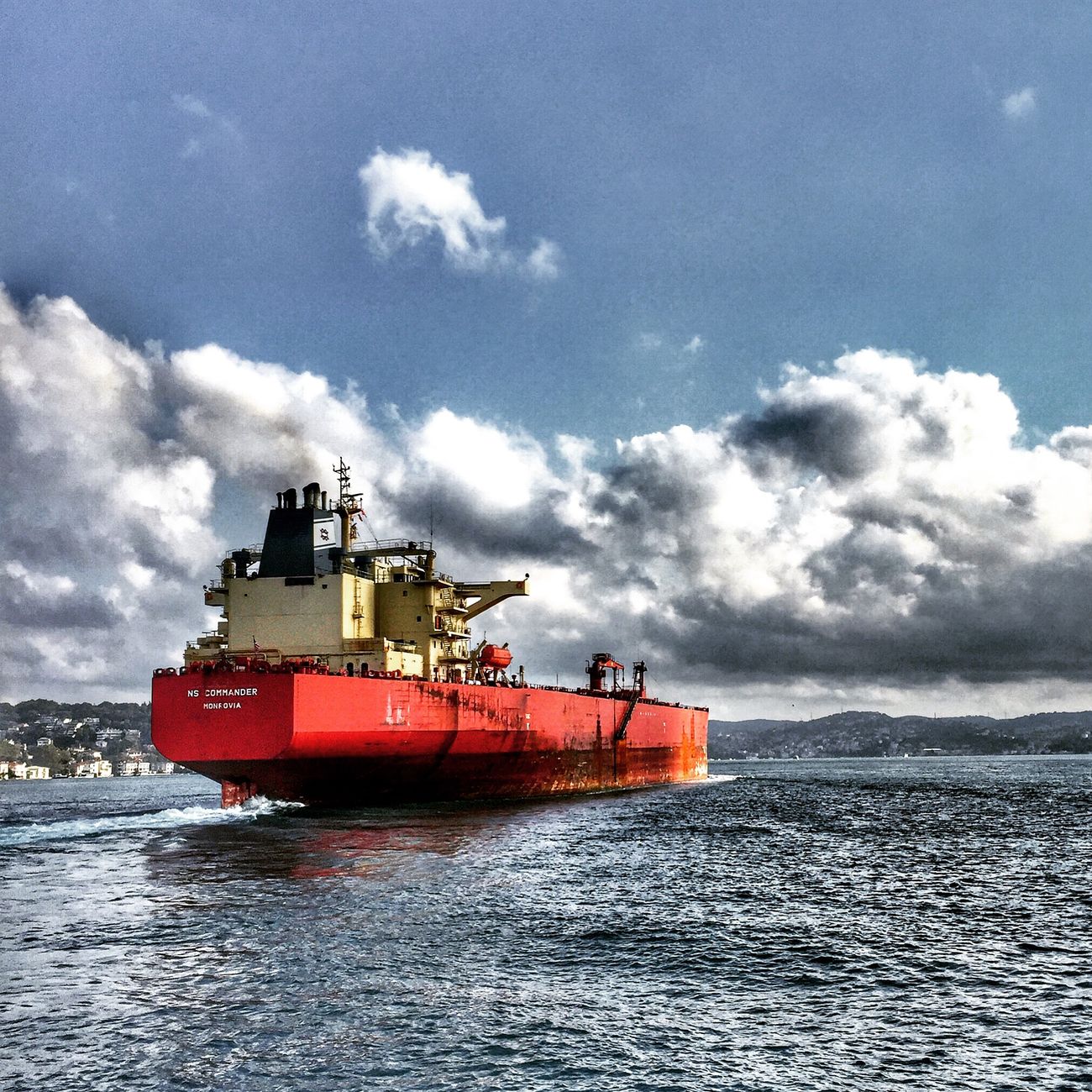
The dry cargo market is a complex and dynamic industry that involves the transportation of dry goods such as grains, coal, and iron ore. Understanding the key terms and vocabulary used in this market is essential for anyone looking to work in the field of dry cargo chartering. One of the most important terms in the dry cargo market is chartering, which refers to the process of hiring a ship to transport goods from one place to another. There are different types of chartering, including voyage chartering, where a ship is hired for a specific voyage, and time chartering, where a ship is hired for a specific period of time.
Another important term in the dry cargo market is freight, which refers to the cost of transporting goods from one place to another. Freight rates can vary depending on a number of factors, including the type of goods being transported, the distance they are being transported, and the type of ship being used. Freight rates are typically negotiated between the shipowner and the charterer, and can be influenced by a number of factors, including the state of the market, the availability of ships, and the level of demand for transportation services.
In addition to chartering and freight, there are a number of other key terms and concepts that are important in the dry cargo market. One of these is laycan, which refers to the period of time during which a ship is available to load or discharge cargo. The laycan is typically specified in the charter party, which is the contract between the shipowner and the charterer. The charter party will also specify the cargo to be transported, the loading port and discharging port, and the freight rate to be paid.
The dry cargo market is also subject to a number of different market trends and cycles, which can influence the demand for transportation services and the rates that are paid. For example, the market may be affected by seasonal fluctuations in demand, such as increased demand for transportation of grain during harvest season. The market may also be affected by global economic trends, such as changes in the level of economic activity in different regions of the world.
One of the key players in the dry cargo market is the shipowner, who is the owner of the ship that is being used to transport goods. The shipowner will typically hire a ship manager to manage the day-to-day operations of the ship, including finding cargo, negotiating freight rates, and overseeing the maintenance and repair of the ship. The shipowner will also typically hire a chartering manager to negotiate charter parties with charterers and to manage the ship's schedule and cargo operations.
Another key player in the dry cargo market is the charterer, who is the company or individual that is hiring the ship to transport goods. The charterer will typically have a cargo manager who is responsible for finding ships to transport the company's cargo, negotiating freight rates, and overseeing the loading and discharging of cargo. The charterer may also have a logistics manager who is responsible for managing the movement of goods from the point of origin to the point of destination.
In addition to shipowners and charterers, there are a number of other key players in the dry cargo market, including brokers and agents. Brokers are companies or individuals that specialize in matching ships with cargo, and agents are companies or individuals that specialize in providing a range of services to shipowners and charterers, including chartering, operations, and logistics. Brokers and agents play a critical role in the dry cargo market, as they help to match ships with cargo and facilitate the negotiation of charter parties and freight rates.
The dry cargo market is also subject to a number of different regulations and laws, which can vary depending on the country and region in which the ship is operating. For example, ships operating in international waters are subject to the United Nations Convention on the Law of the Sea (UNCLOS), which sets out a range of rules and regulations governing the use of the world's oceans. Ships operating in domestic waters are subject to the laws and regulations of the country in which they are operating, which can include rules and regulations governing safety, security, and environmental protection.
One of the key challenges facing the dry cargo market is the need to balance supply and demand. The market is subject to a number of different factors that can influence the demand for transportation services, including seasonal fluctuations and global economic trends. The market is also subject to a number of different factors that can influence the supply of ships, including the age and condition of the fleet and the level of newbuilding activity. Shipowners and charterers must carefully manage the supply and demand for ships in order to ensure that they are able to transport goods efficiently and effectively.
Another key challenge facing the dry cargo market is the need to manage risk. The market is subject to a number of different risks, including market risk, credit risk, and operational risk. Market risk refers to the risk that freight rates will decline, credit risk refers to the risk that charterers will default on their payments, and operational risk refers to the risk of accidents or other operational problems. Shipowners and charterers must carefully manage these risks in order to ensure that they are able to operate successfully in the market.
The dry cargo market is also subject to a number of different technological trends and innovations, which can influence the efficiency and effectiveness of transportation services. For example, the use of digitalization and automation can help to improve the efficiency of cargo operations and reduce costs. The use of data analytics and artificial intelligence can also help to improve the accuracy of freight rate forecasting and the optimization of ship routing and scheduling.
In addition to technological trends and innovations, the dry cargo market is also subject to a number of different environmental trends and regulations. For example, the International Maritime Organization (IMO) has implemented a number of regulations aimed at reducing the environmental impact of shipping, including regulations governing emissions and ballast water management. Shipowners and charterers must carefully manage the environmental impact of their operations in order to ensure that they are able to comply with these regulations and minimize their environmental footprint.
The dry cargo market is a complex and dynamic industry that is subject to a number of different trends, cycles, and regulations. By carefully managing the supply and demand for ships, managing risk, and staying up-to-date with the latest technological and environmental trends and innovations, shipowners and charterers can operate successfully in the market and provide efficient and effective transportation services to their customers.
One of the key skills required to work in the dry cargo market is the ability to negotiate and communicate effectively. Shipowners and charterers must be able to negotiate charter parties and freight rates, and communicate effectively with each other and with other stakeholders, including brokers, agents, and regulators. This requires strong interpersonal skills and the ability to build relationships and trust with others.
Another key skill required to work in the dry cargo market is the ability to analyze and interpret complex data and information. Shipowners and charterers must be able to analyze market trends and forecasts, and interpret complex data and information related to ship operations and cargo management. This requires strong analytical skills and the ability to think critically and make decisions based on complex data and information.
The dry cargo market is also subject to a number of different cultural and linguistic differences, which can influence the way that business is conducted and the way that relationships are built. Shipowners and charterers must be able to understand and respect these differences, and communicate effectively across cultural and linguistic boundaries. This requires strong cultural awareness and the ability to adapt to different cultural and linguistic contexts.
In addition to these skills, shipowners and charterers must also have a strong knowledge of the dry cargo market and the regulations and laws that govern it. This includes knowledge of chartering, freight, and cargo operations, as well as knowledge of the latest technological and environmental trends and innovations. Shipowners and charterers must also have a strong understanding of the risks and challenges facing the market, and be able to manage and mitigate these risks in order to operate successfully.
The dry cargo market is a complex and dynamic industry that requires a range of skills and knowledge in order to operate successfully. By understanding the key terms and vocabulary used in this market, and by developing strong negotiation, communication, analytical, and cultural awareness skills, shipowners and charterers can provide efficient and effective transportation services to their customers and build strong relationships with other stakeholders. By staying up-to-date with the latest technological and environmental trends and innovations, and by carefully managing the risks and challenges facing the market, shipowners and charterers can operate successfully in the dry cargo market and achieve their business goals.
One of the key areas of focus for shipowners and charterers is the optimization of ship operations and cargo management. This includes optimizing ship routing and scheduling, as well as optimizing cargo loading and discharging operations. By optimizing these operations, shipowners and charterers can reduce costs, improve efficiency, and minimize the environmental impact of their operations.
Another key area of focus for shipowners and charterers is the management of ship maintenance and repair. This includes scheduling regular maintenance and repair operations, as well as managing the supply of spare parts and other materials. By managing ship maintenance and repair effectively, shipowners and charterers can minimize downtime, reduce costs, and ensure that their ships are operating safely and efficiently.
The dry cargo market is also subject to a number of different security and safety risks, which can include the risk of piracy and armed robbery, as well as the risk of accidents and environmental damage. Shipowners and charterers must take steps to mitigate these risks, including implementing security measures such as guards and surveillance systems, and safety measures such as regular maintenance and inspection of ships and equipment.
In addition to these risks, the dry cargo market is also subject to a number of different regulatory and compliance risks, which can include the risk of non-compliance with regulations and laws, as well as the risk of penalties and fines for non-compliance. Shipowners and charterers must take steps to manage these risks, including implementing compliance programs and training staff on regulatory requirements.
One of the key areas of focus for shipowners and charterers is the development of strategic partnerships and relationships with other stakeholders, including brokers, agents, and regulators. By developing these partnerships and relationships, shipowners and charterers can gain access to new markets and customers, as well as improve their ability to manage risks and challenges.
Another key area of focus for shipowners and charterers is the management of change and uncertainty in the market. This includes managing the impact of market trends and cycles, as well as managing the impact of regulatory changes and compliance risks. By managing change and uncertainty effectively, shipowners and charterers can minimize the risks and challenges facing their business, and maximize their opportunities for growth and success.
One of the key areas of focus for shipowners and charterers is the measurement and evaluation of performance and results. This includes measuring and evaluating the performance of ships and cargo operations, as well as measuring and evaluating the results of business strategies and decisions. By measuring and evaluating performance and results effectively, shipowners and charterers can identify areas for improvement, and make informed decisions about how to optimize their operations and achieve their business goals.
Another key area of focus for shipowners and charterers is the development of leadership and management skills. This includes developing the skills and knowledge needed to lead and manage teams, as well as developing the skills and knowledge needed to make strategic decisions and drive business growth. By developing leadership and management skills effectively, shipowners and charterers can build strong teams, drive business growth, and achieve their business goals.
One of the key areas of focus for shipowners and charterers is the identification and mitigation of risks and challenges. This includes identifying and mitigating the risks and challenges facing the business, as well as identifying and mitigating the risks and challenges facing the market. By identifying and mitigating risks and challenges effectively, shipowners and charterers can minimize the risks and challenges facing their business, and maximize their opportunities for growth and success.
Another key area of focus for shipowners and charterers is the development of sustainable and responsible business practices. This includes developing business practices that are sustainable and responsible, as well as developing business practices that minimize the environmental impact of operations. By developing sustainable and responsible business practices, shipowners and charterers can minimize their environmental footprint, and maximize their opportunities for growth and success.
One of the key areas of focus for shipowners and charterers is the optimization of ship design and construction. This includes optimizing the design and construction of ships to minimize their environmental impact, as well as optimizing the design and construction of ships to maximize their efficiency and effectiveness. By optimizing ship design and construction, shipowners and charterers can minimize their environmental footprint, and maximize their opportunities for growth and success.
Another key area of focus for shipowners and charterers is the development of new technologies and innovations. This includes developing new technologies and innovations that can help to minimize the environmental impact of operations, as well as developing new technologies and innovations that can help to maximize the efficiency and effectiveness of operations. By developing new technologies and innovations, shipowners and charterers can minimize their environmental footprint, and maximize their opportunities for growth and success.
One of the key areas of focus for shipowners and charterers is the measurement and evaluation of environmental impact. This includes measuring and evaluating the environmental impact of operations, as well as measuring and evaluating the effectiveness of strategies and practices aimed at minimizing environmental impact. By measuring and evaluating environmental impact effectively, shipowners and charterers can identify areas for improvement, and make informed decisions about how to minimize their environmental footprint.
Another key area of focus for shipowners and charterers is the development of strategic plans and business strategies. This includes developing strategic plans and business strategies that are aligned with the company's goals and objectives, as well as developing strategic plans and business strategies that take into account the latest technological and environmental trends and innovations. By developing strategic plans and business strategies effectively, shipowners and charterers can drive business growth, and achieve their business goals.
One of the key areas of focus for shipowners and charterers is the identification and mitigation of compliance risks. This includes identifying and mitigating the risks of non-compliance with regulations and laws, as well as identifying and mitigating the risks of penalties and fines for non-compliance. By identifying and mitigating compliance risks effectively, shipowners and charterers can minimize the risks and challenges facing their business, and maximize their opportunities for growth and success.
Another key area of focus for shipowners and charterers is the development of training and development programs. This includes developing training and development programs that are aligned with the company's goals and objectives, as well as developing training and development programs that take into account the latest technological and environmental trends and innovations. By developing training and development programs effectively, shipowners and charterers can build strong teams, drive business growth, and achieve their business goals.
One of the key areas of focus for shipowners and charterers is the optimization of supply chain operations. This includes optimizing the supply chain operations to minimize costs, improve efficiency, and maximize the effectiveness of operations. By optimizing supply chain operations, shipowners and charterers can minimize their environmental footprint, and maximize their opportunities for growth and success.
Another key area of focus for shipowners and charterers is the development of strategic partnerships and collaborations. This includes developing strategic partnerships and collaborations that are aligned with the company's goals and objectives, as well as developing strategic partnerships and collaborations that take into account the latest technological and environmental trends and innovations. By developing strategic partnerships and collaborations effectively, shipowners and charterers can drive business growth, and achieve their business goals.
One of the key areas of focus for shipowners and charterers is the measurement and evaluation of performance metrics. This includes measuring and evaluating the performance metrics of ships and cargo operations, as well as measuring and evaluating the performance metrics of business strategies and decisions. By measuring and evaluating performance metrics effectively, shipowners and charterers can identify areas for improvement, and make informed decisions about how to optimize their operations and achieve their business goals.
Another key area of focus for shipowners and charterers is the development of innovative solutions and technologies. This includes developing innovative solutions and technologies that can help to minimize the environmental impact of operations, as well as developing innovative solutions and technologies that can help to maximize the efficiency and effectiveness of operations. By developing innovative solutions and technologies, shipowners and charterers can minimize their environmental footprint, and maximize their opportunities for growth and success.
One of the key areas of focus for shipowners and charterers is the identification and mitigation of risks and challenges in the market.
Another key area of focus for shipowners and charterers is the development of strategic plans and business strategies that are aligned with the company's goals and objectives. This includes developing strategic plans and business strategies that take into account the latest technological and environmental trends and innovations, as well as developing strategic plans and business strategies that are flexible and adaptable to changing market conditions.
One of the key areas of focus for shipowners and charterers is the measurement and evaluation of customer satisfaction. This includes measuring and evaluating the level of customer satisfaction with transportation services, as well as measuring and evaluating the effectiveness of strategies and practices aimed at improving customer satisfaction. By measuring and evaluating customer satisfaction effectively, shipowners and charterers can identify areas for improvement, and make informed decisions about how to optimize their operations and achieve their business goals.
Another key area of focus for shipowners and charterers is the development of strategic partnerships and collaborations with other stakeholders.
This includes optimizing ship operations and cargo management to minimize costs, improve efficiency, and maximize the effectiveness of operations. By optimizing ship operations and cargo management, shipowners and charterers can minimize their environmental footprint, and maximize their opportunities for growth and success.
Another key area of focus for shipowners and charterers is the development of innovative solutions and technologies that can help to minimize the environmental impact of operations. This includes developing innovative solutions and technologies that can help to reduce emissions, improve fuel efficiency, and minimize waste.
Key takeaways
- There are different types of chartering, including voyage chartering, where a ship is hired for a specific voyage, and time chartering, where a ship is hired for a specific period of time.
- Freight rates can vary depending on a number of factors, including the type of goods being transported, the distance they are being transported, and the type of ship being used.
- The charter party will also specify the cargo to be transported, the loading port and discharging port, and the freight rate to be paid.
- The dry cargo market is also subject to a number of different market trends and cycles, which can influence the demand for transportation services and the rates that are paid.
- The shipowner will typically hire a ship manager to manage the day-to-day operations of the ship, including finding cargo, negotiating freight rates, and overseeing the maintenance and repair of the ship.
- The charterer will typically have a cargo manager who is responsible for finding ships to transport the company's cargo, negotiating freight rates, and overseeing the loading and discharging of cargo.
- Brokers and agents play a critical role in the dry cargo market, as they help to match ships with cargo and facilitate the negotiation of charter parties and freight rates.