
International Oil and Gas Marketing
The international oil and gas marketing industry is a complex and multifaceted sector that involves the production , refining , and distribution of oil and gas products to meet the energy demands of countries around the world. At the heart …
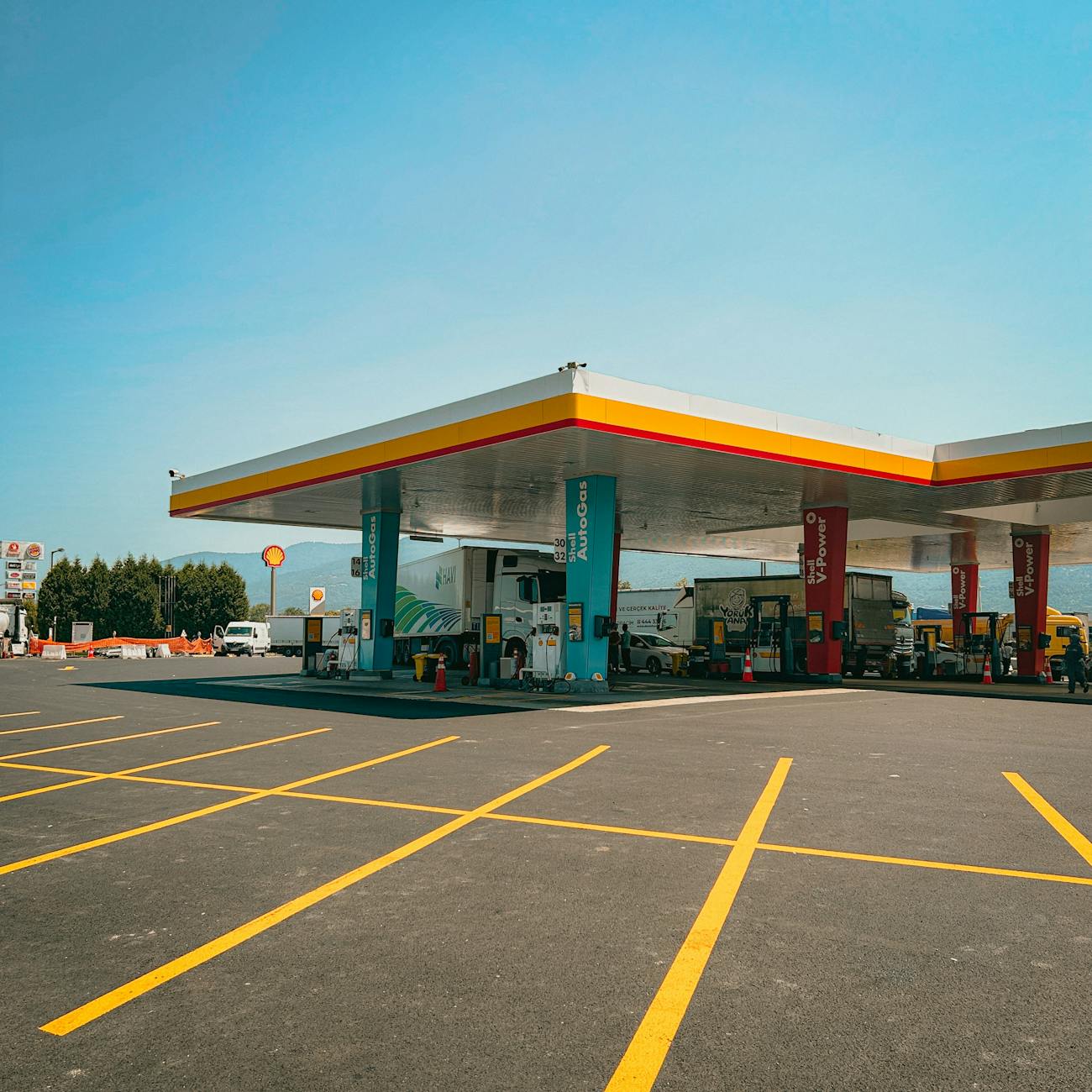
The international oil and gas marketing industry is a complex and multifaceted sector that involves the production, refining, and distribution of oil and gas products to meet the energy demands of countries around the world. At the heart of this industry are the key players, including national oil companies, international oil companies, and independent oil and gas companies, which play a crucial role in the exploration, production, and marketing of oil and gas.
One of the primary activities in international oil and gas marketing is the trading of oil and gas products, which involves the buying and selling of these products on the international market. This activity is typically carried out by trading companies, which specialize in the purchase and sale of oil and gas products. These companies use a variety of pricing mechanisms, including spot prices and forward prices, to determine the value of the products they trade.
Another important aspect of international oil and gas marketing is the transportation of oil and gas products from the production site to the consumer. This activity is typically carried out by shipping companies, which specialize in the transportation of oil and gas products by sea. The transportation of oil and gas products is a critical component of the international oil and gas marketing industry, as it allows these products to be delivered to consumers around the world.
In addition to trading and transportation, international oil and gas marketing also involves the refining of oil and gas products. This process involves the conversion of crude oil into a variety of petroleum products, including gasoline, diesel, and jet fuel. The refining process is a critical component of the international oil and gas marketing industry, as it allows oil and gas companies to produce a variety of products that meet the needs of consumers around the world.
The international oil and gas marketing industry is also subject to a variety of regulations and standards, which are designed to ensure the safety and environmental sustainability of oil and gas operations. These regulations and standards are typically established by government agencies and industry organizations, and are designed to protect the environment and ensure the welfare of communities affected by oil and gas operations.
One of the challenges facing the international oil and gas marketing industry is the volatility of oil and gas prices. This volatility can make it difficult for oil and gas companies to predict their revenues and profits, and can also make it challenging for consumers to budget for their energy needs. To manage this volatility, oil and gas companies use a variety of hedging strategies, including forward contracts and options contracts, to manage their price risk.
Another challenge facing the international oil and gas marketing industry is the impact of oil and gas operations on the environment. The production, refining, and transportation of oil and gas products can result in a variety of environmental impacts, including air pollution, water pollution, and habitat destruction. To mitigate these impacts, oil and gas companies are increasingly using sustainable practices, including renewable energy and carbon capture, to reduce their environmental footprint.
The international oil and gas marketing industry is also subject to a variety of geopolitical risks, including conflict, sanctions, and regime change. These risks can make it challenging for oil and gas companies to operate in certain regions, and can also disrupt the global supply of oil and gas products. To manage these risks, oil and gas companies use a variety of strategies, including diversification and hedging, to mitigate their exposure to geopolitical risk.
In terms of marketing strategies, oil and gas companies use a variety of tactics to promote their products and services to consumers. These tactics include advertising, public relations, and sales promotions, which are designed to increase awareness of oil and gas products and to drive sales. Oil and gas companies also use digital marketing strategies, including social media and email marketing, to engage with consumers and to promote their products and services.
The international oil and gas marketing industry is also characterized by a variety of market trends, including the growing demand for renewable energy and the increasing focus on sustainability. These trends are driving innovation in the oil and gas industry, as companies seek to develop new technologies and strategies to meet the evolving needs of consumers. For example, many oil and gas companies are investing in renewable energy projects, such as wind farms and solar panels, to reduce their dependence on fossil fuels and to mitigate their impact on the environment.
In addition to these trends, the international oil and gas marketing industry is also subject to a variety of regulatory requirements, including environmental regulations and safety standards. These regulations are designed to protect the environment and to ensure the safety of oil and gas operations, and are typically enforced by government agencies and industry organizations. For example, many countries have implemented regulations to reduce the emission of greenhouse gases from oil and gas operations, and to promote the use of renewable energy.
The international oil and gas marketing industry is also characterized by a variety of challenges, including the volatility of oil and gas prices, the impact of oil and gas operations on the environment, and the geopolitical risks associated with oil and gas production. To manage these challenges, oil and gas companies use a variety of strategies, including hedging, diversification, and sustainable practices. For example, many oil and gas companies are using renewable energy and carbon capture to reduce their environmental footprint, and are investing in diversification strategies to mitigate their exposure to geopolitical risk.
In terms of future outlook, the international oil and gas marketing industry is expected to continue to evolve in response to changing market trends and regulatory requirements. For example, many experts predict that the demand for renewable energy will continue to grow, and that sustainability will become an increasingly important consideration for oil and gas companies. To remain competitive in this evolving market, oil and gas companies will need to adapt to changing market trends and regulatory requirements, and will need to invest in innovation and sustainable practices.
The international oil and gas marketing industry is also expected to be impacted by a variety of technological advancements, including the development of new energy technologies and the improvement of existing technologies. For example, many experts predict that the development of advanced renewable energy technologies will continue to drive the growth of the renewable energy sector, and that the improvement of existing technologies will continue to increase the efficiency and productivity of oil and gas operations.
In terms of career opportunities, the international oil and gas marketing industry offers a wide range of career paths for individuals with various skills and experiences. For example, individuals with experience in marketing, sales, and business development may be interested in pursuing careers in oil and gas marketing, while individuals with experience in engineering, geology, and environmental science may be interested in pursuing careers in oil and gas production and operations.
Overall, the international oil and gas marketing industry is a complex and dynamic sector that is subject to a variety of market trends, regulatory requirements, and challenges. To succeed in this industry, oil and gas companies must be able to adapt to changing market trends and regulatory requirements, and must be able to invest in innovation and sustainable practices. By understanding the key terms and vocabulary of the international oil and gas marketing industry, individuals can gain a deeper insight into the complexities of this industry, and can develop the skills and knowledge needed to succeed in this field.
The marketing mix is a critical component of the international oil and gas marketing industry, and refers to the combination of product, price, promotion, and place that a company uses to position its products and services in the market. In the context of the international oil and gas marketing industry, the marketing mix may include the development of new energy products, the implementation of pricing strategies, the use of promotional tactics, and the selection of distribution channels.
The product component of the marketing mix refers to the goods and services that a company offers to its customers. In the context of the international oil and gas marketing industry, the product component may include crude oil, refined petroleum products, natural gas, and renewable energy products. The price component of the marketing mix refers to the amount that a company charges for its products and services. In the context of the international oil and gas marketing industry, the price component may include the use of spot prices, forward prices, and hedging strategies to manage price risk.
The promotion component of the marketing mix refers to the tactics that a company uses to communicate with its customers and to promote its products and services. In the context of the international oil and gas marketing industry, the promotion component may include the use of advertising, public relations, and sales promotions to increase awareness of oil and gas products and to drive sales. The place component of the marketing mix refers to the channels that a company uses to distribute its products and services to its customers. In the context of the international oil and gas marketing industry, the place component may include the use of shipping companies, pipelines, and storage facilities to transport and store oil and gas products.
The international oil and gas marketing industry is also subject to a variety of regulatory requirements, including environmental regulations and safety standards.
In addition to these regulations, the international oil and gas marketing industry is also subject to a variety of industry standards, including ISO standards and API standards. These standards are designed to ensure the quality and safety of oil and gas products, and are typically developed and implemented by industry organizations. For example, the International Organization for Standardization (ISO) has developed a variety of standards for the oil and gas industry, including ISO 14001 for environmental management and ISO 9001 for quality management.
Key takeaways
- One of the primary activities in international oil and gas marketing is the trading of oil and gas products, which involves the buying and selling of these products on the international market.
- The transportation of oil and gas products is a critical component of the international oil and gas marketing industry, as it allows these products to be delivered to consumers around the world.
- This process involves the conversion of crude oil into a variety of petroleum products, including gasoline, diesel, and jet fuel.
- The international oil and gas marketing industry is also subject to a variety of regulations and standards, which are designed to ensure the safety and environmental sustainability of oil and gas operations.
- This volatility can make it difficult for oil and gas companies to predict their revenues and profits, and can also make it challenging for consumers to budget for their energy needs.
- The production, refining, and transportation of oil and gas products can result in a variety of environmental impacts, including air pollution, water pollution, and habitat destruction.
- To manage these risks, oil and gas companies use a variety of strategies, including diversification and hedging, to mitigate their exposure to geopolitical risk.