
Oil and Gas Exploration and Production
Oil and gas exploration and production involve a range of complex activities, from identifying potential hydrocarbon reserves to extracting and processing the oil and gas. The process begins with reconnaissance surveys, which involve gather…
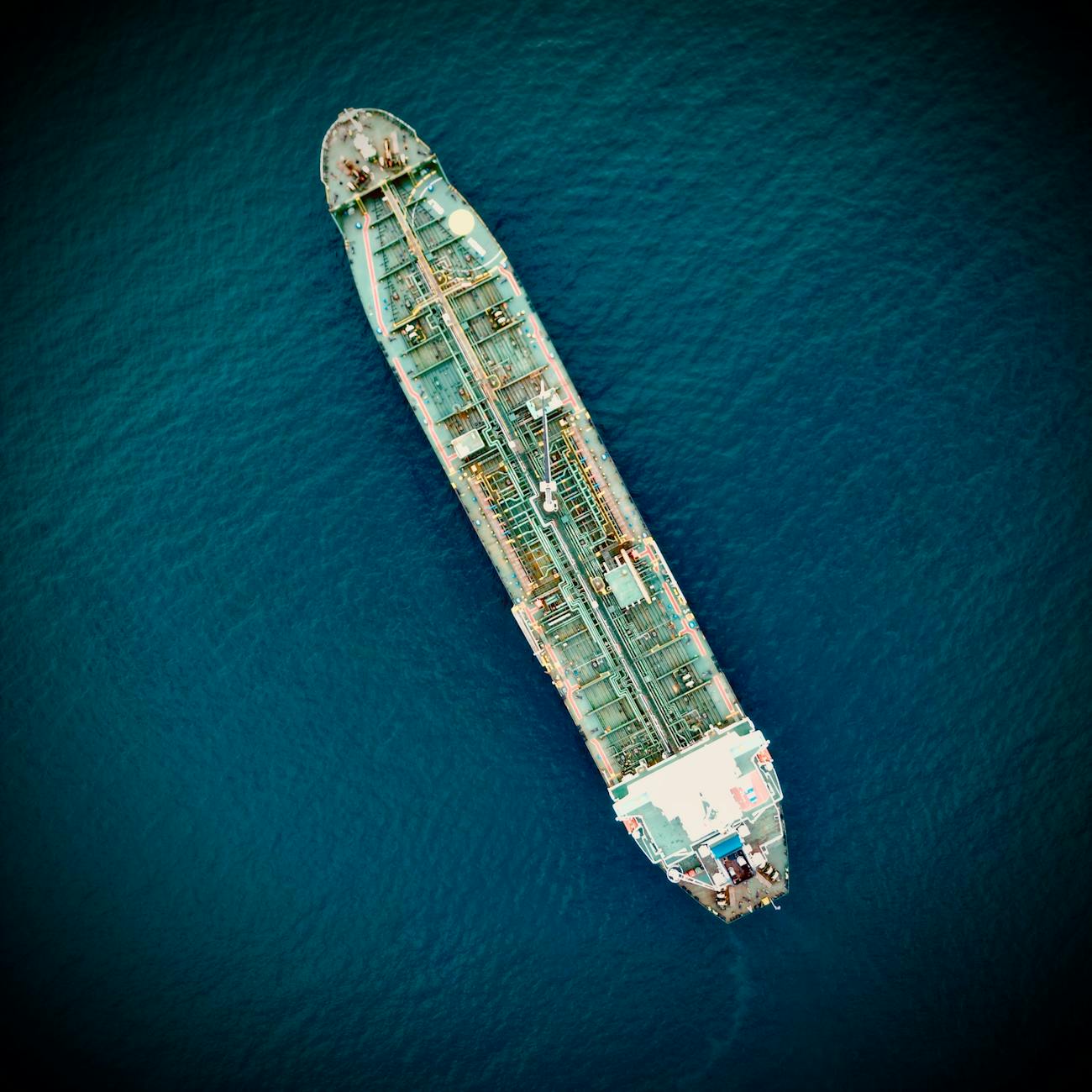
Oil and gas exploration and production involve a range of complex activities, from identifying potential hydrocarbon reserves to extracting and processing the oil and gas. The process begins with reconnaissance surveys, which involve gathering data about the geology of an area to identify potential sites for exploration. This data can come from a variety of sources, including seismic surveys, which use seismic waves to create detailed images of the subsurface geology.
Once a potential site has been identified, the next step is to conduct a more detailed exploration program, which can involve drilling exploratory wells to gather more information about the geology and potential hydrocarbon reserves. This can be a costly and time-consuming process, but it is essential for determining whether a site is suitable for oil and gas production.
If the results of the exploration program are positive, the next step is to develop the site and begin production. This involves drilling production wells and installing the necessary infrastructure, such as pipelines and processing facilities. The type of infrastructure required will depend on the location and nature of the site, as well as the type and amount of hydrocarbons being produced.
One of the key challenges in oil and gas production is reservoir management, which involves maximizing the amount of hydrocarbons that can be extracted from a given site. This can be achieved through a variety of techniques, including enhanced recovery methods, such as water or gas injection, which can help to increase the amount of oil or gas that can be extracted.
Another important aspect of oil and gas production is safety, which is critical for protecting the environment and preventing accidents. This can involve implementing strict safety protocols and procedures, as well as investing in technology and equipment that can help to minimize the risks associated with oil and gas production.
In addition to the technical challenges, oil and gas production also involves a range of commercial considerations, including the cost of production, the price of oil and gas, and the potential for profit. The commercial viability of an oil or gas project will depend on a range of factors, including the size and quality of the reserves, the cost of production, and the market demand for the hydrocarbons.
The oil and gas industry is also subject to a range of regulatory requirements, which can vary depending on the location and nature of the project. These regulations can cover a range of issues, including environmental protection, safety standards, and taxation. The regulatory framework can have a significant impact on the commercial viability of an oil or gas project, and companies must ensure that they are compliant with all relevant regulations.
One of the key technologies used in oil and gas production is drilling technology, which involves using specialized equipment to drill wells and extract hydrocarbons from the subsurface. There are a range of different drilling techniques, including conventional drilling, which involves drilling straight down into the subsurface, and horizontal drilling, which involves drilling at an angle to access more of the reservoir.
Another important technology is seismic technology, which involves using seismic waves to create detailed images of the subsurface geology. This can be used to identify potential hydrocarbon reserves and to optimize the drilling program. Seismic technology can also be used to monitor the production of hydrocarbons and to identify any potential problems or issues.
The oil and gas industry is also investing heavily in digital technologies, such as data analytics and artificial intelligence, which can be used to optimize production, reduce costs, and improve safety. These technologies can be used to analyze large amounts of data and to identify patterns and trends that can inform decision-making.
In addition to the technical and commercial challenges, the oil and gas industry is also facing a range of environmental challenges, including climate change and the need to reduce emissions. The industry is under pressure to reduce its environmental impact and to invest in cleaner and more sustainable technologies. This can involve investing in renewable energy sources, such as wind and solar power, and reducing the amount of waste and pollution generated by oil and gas production.
The oil and gas industry is a global industry, with companies operating in a range of different countries and regions. The industry is subject to a range of global trends and challenges, including fluctuations in the price of oil and gas, changes in government policies and regulations, and shifts in market demand. Companies must be able to adapt to these changes and to navigate the complex global landscape.
One of the key skills required in the oil and gas industry is project management, which involves planning, organizing, and controlling projects to ensure that they are completed on time, within budget, and to the required quality. This can involve managing a range of different stakeholders, including contractors, suppliers, and government agencies.
Another important skill is communication, which involves being able to communicate effectively with stakeholders and to negotiate and resolve conflicts. This can involve developing strong relationships with stakeholders and being able to communicate complex technical information in a clear and concise way.
The oil and gas industry is also facing a range of challenges related to talent management, including attracting and retaining skilled workers, developing the skills and competencies of existing workers, and managing the succession of leaders. Companies must be able to develop and implement effective talent management strategies to ensure that they have the skills and expertise needed to succeed in the industry.
In terms of career development, there are a range of different paths and opportunities available in the oil and gas industry. These can include roles in exploration and production, as well as in support functions such as finance, human resources, and information technology. Companies must be able to provide training and development opportunities to help employees to develop their skills and competencies and to advance their careers.
The oil and gas industry is a complex and challenging industry, with a range of technical, commercial, and environmental challenges. However, it is also an industry that offers a range of opportunities and rewards for those who are willing to develop the skills and expertise needed to succeed. By understanding the key terms and concepts related to oil and gas exploration and production, individuals can gain a deeper insight into the industry and the challenges and opportunities that it presents.
The future of the oil and gas industry is likely to be shaped by a range of global trends and challenges, including fluctuations in the price of oil and gas, changes in government policies and regulations, and shifts in market demand. The industry will need to adapt to these changes and to develop new technologies and strategies to remain competitive and to reduce its environmental impact.
In terms of innovation, the oil and gas industry is likely to see a range of new technologies and approaches emerge, including the use of digital technologies, such as data analytics and artificial intelligence, to optimize production and reduce costs. The industry will also need to invest in cleaner and more sustainable technologies, such as renewable energy sources, to reduce its environmental impact.
One of the key challenges facing the oil and gas industry is the need to reduce its environmental impact and to invest in sustainable technologies. The industry will also need to develop new technologies and strategies to reduce its carbon footprint and to mitigate the impacts of climate change.
In terms of governance, the oil and gas industry is subject to a range of regulations and standards, which can vary depending on the location and nature of the project. Companies must be able to navigate this complex regulatory landscape and to ensure that they are compliant with all relevant regulations and standards. This can involve developing strong relationships with government agencies and other stakeholders, as well as investing in training and capacity building to ensure that employees have the skills and expertise needed to operate in a complex and rapidly changing regulatory environment.
The commercial viability of an oil or gas project will depend on a range of factors, including the size and quality of the reserves, the cost of production, and the market demand for the hydrocarbons. Companies must be able to develop and implement effective commercial strategies to ensure that their projects are profitable and sustainable. This can involve investing in market research and analysis, as well as developing strong relationships with customers and other stakeholders.
In terms of risk management, the oil and gas industry is subject to a range of risk factors, including geological risks, technical risks, and commercial risks. Companies must be able to identify and mitigate these risks to ensure that their projects are successful and sustainable. This can involve investing in risk assessment and mitigation strategies, as well as developing strong relationships with stakeholders and partners.
In terms of social responsibility, the oil and gas industry has a range of obligations to stakeholders, including local communities, employees, and the environment. Companies must be able to develop and implement effective social responsibility strategies to ensure that their operations are sustainable and responsible. This can involve investing in community development programs, as well as developing strong relationships with stakeholders and partners.
In terms of technology, the oil and gas industry is likely to see a range of new technologies and approaches emerge, including the use of digital technologies, such as data analytics and artificial intelligence, to optimize production and reduce costs.
Key takeaways
- Oil and gas exploration and production involve a range of complex activities, from identifying potential hydrocarbon reserves to extracting and processing the oil and gas.
- This can be a costly and time-consuming process, but it is essential for determining whether a site is suitable for oil and gas production.
- The type of infrastructure required will depend on the location and nature of the site, as well as the type and amount of hydrocarbons being produced.
- This can be achieved through a variety of techniques, including enhanced recovery methods, such as water or gas injection, which can help to increase the amount of oil or gas that can be extracted.
- This can involve implementing strict safety protocols and procedures, as well as investing in technology and equipment that can help to minimize the risks associated with oil and gas production.
- In addition to the technical challenges, oil and gas production also involves a range of commercial considerations, including the cost of production, the price of oil and gas, and the potential for profit.
- The regulatory framework can have a significant impact on the commercial viability of an oil or gas project, and companies must ensure that they are compliant with all relevant regulations.