
International Marine Crime and Illegal
International marine crime and illegal activities pose significant threats to the world's oceans and marine ecosystems. These crimes can have devastating impacts on the environment, human health, and the economy. It is essential to understa…
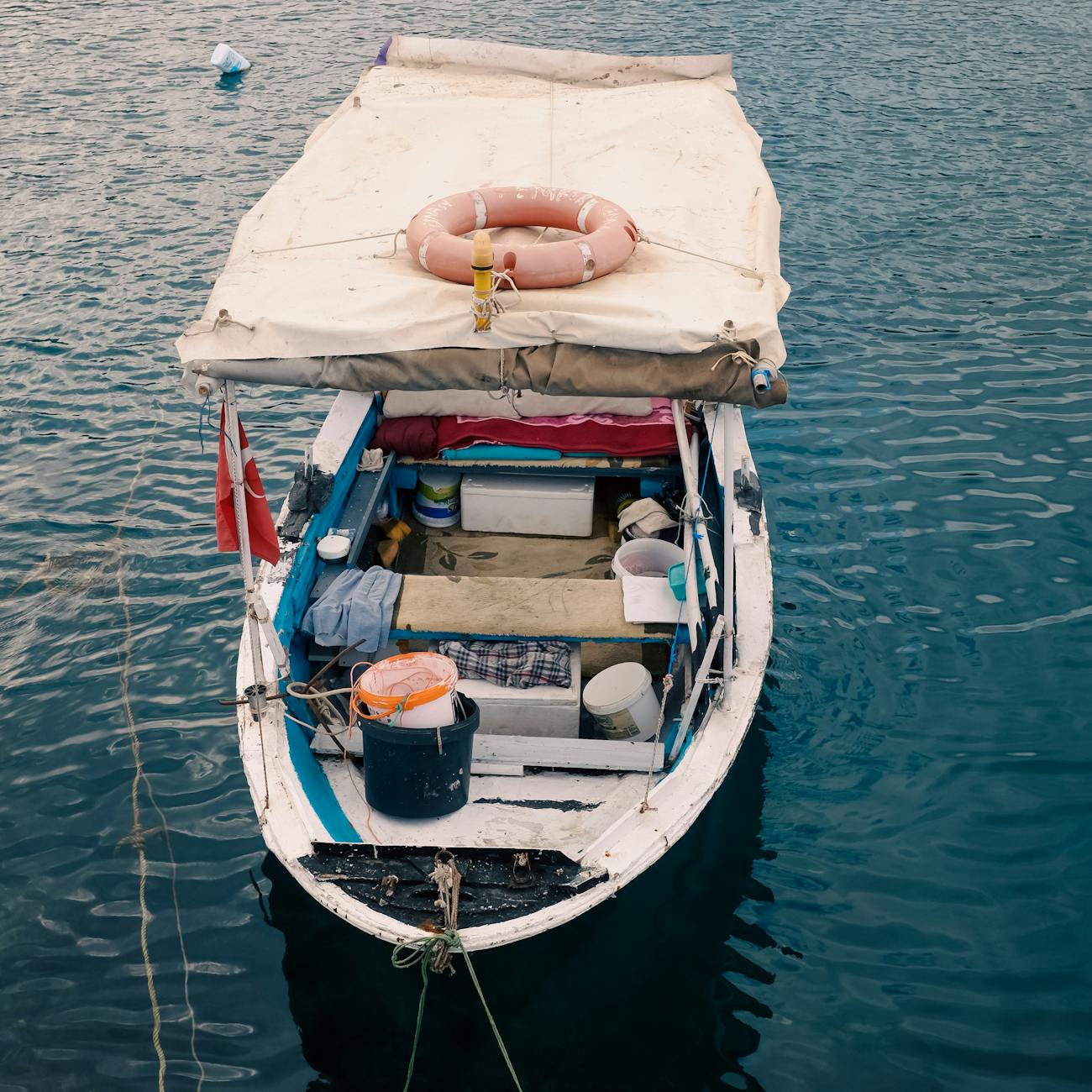
International marine crime and illegal activities pose significant threats to the world's oceans and marine ecosystems. These crimes can have devastating impacts on the environment, human health, and the economy. It is essential to understand the key terms and vocabulary related to international marine crime and illicit activities to effectively prevent, investigate, and prosecute these crimes.
One of the primary concerns in international marine crime is piracy. Piracy refers to the act of robbery or violent crime committed at sea or in connection with navigation. Pirates often target merchant vessels, tankers, and other ships, stealing cargo, equipment, and even holding crew members for ransom. Piracy is a significant problem in certain regions, such as the Gulf of Aden and the Malacca Strait, where it can disrupt international trade and commerce.
Another critical issue is smuggling. Smuggling involves the illegal transportation of goods, people, or contraband across international borders, often using ships or boats. Smugglers may attempt to evade customs inspections, taxes, or other regulations by concealing their cargo or using false documentation. Smuggling can involve a range of goods, including narcotics, weapons, and counterfeit products.
Illegal fishing is also a significant concern in international marine crime. Overfishing and destructive fishing practices can deplete fish populations, damage habitats, and harm the marine ecosystem. Illegal fishing often involves the use of unauthorized gear, such as driftnets or bottom trawls, which can catch non-target species and damage the seafloor. Illicit fishing activities can also involve the mislabeling or misreporting of catch, as well as the smuggling of fish products.
Marine pollution is another critical issue in international marine crime. Marine pollution involves the intentional or negligent release of harmful substances, such as oil, chemicals, or plastics, into the marine environment. Marine pollution can have devastating impacts on marine life, human health, and the economy. Illicit activities, such as dumping or smuggling of hazardous waste, can contribute to marine pollution.
Shipbreaking is another area of concern in international marine crime. Shipbreaking involves the dismantling of ships, often in developing countries, where lax regulations and poor working conditions can lead to environmental and health hazards. Shipbreaking can involve the illegal removal of hazardous materials, such as asbestos or PCBs, which can contaminate the environment and harm workers.
Port security is a critical aspect of preventing international marine crime. Port security involves the protection of ships, cargo, and port facilities from threats such as terrorism, sabotage, and theft. Effective port security measures can include access controls, surveillance, and screening of cargo and personnel.
International cooperation is essential in combating international marine crime. International cooperation involves the sharing of intelligence, coordination of efforts, and harmonization of laws and regulations among countries. International cooperation can facilitate the investigation and prosecution of international marine crimes, as well as the prevention of these crimes through capacity building and technical assistance.
The United Nations Convention on the Law of the Sea (UNCLOS) is a critical framework for international cooperation in combating international marine crime. UNCLOS provides a comprehensive set of rules and regulations for the use of the world's oceans, including provisions related to navigation, fishing, and environmental protection. UNCLOS also establishes the jurisdiction of states over their territorial seas and exclusive economic zones, which can facilitate the enforcement of laws and regulations related to international marine crime.
The International Maritime Organization (IMO) is another critical organization in combating international marine crime. The IMO is a specialized agency of the United Nations that is responsible for developing and implementing global standards for maritime safety, security, and environmental protection. The IMO has developed a range of conventions and codes related to international marine crime, including the Safety of Life at Sea (SOLAS) Convention and the International Convention for the Prevention of Pollution from Ships (MARPOL).
Flag state jurisdiction is a critical concept in international marine crime. Flag state jurisdiction refers to the authority of a state over its registered ships, regardless of where they operate. Flag states have a responsibility to enforce laws and regulations related to international marine crime, including those related to safety, security, and environmental protection. However, some flag states may laxly enforce these laws, which can contribute to international marine crime.
Port state jurisdiction is another critical concept in international marine crime. Port state jurisdiction refers to the authority of a state over foreign ships that visit its ports. Port states have the right to inspect and detain ships that are suspected of violating laws and regulations related to international marine crime. Port state jurisdiction can be an effective tool in combating international marine crime, particularly when combined with international cooperation and information sharing.
The International Chamber of Shipping (ICS) is a critical organization in combating international marine crime. The ICS is the principal international trade association for the shipping industry, representing the interests of shipowners and operators worldwide. The ICS has developed a range of guidelines and recommendations related to international marine crime, including those related to piracy, smuggling, and marine pollution.
Capacity building is a critical aspect of combating international marine crime. Capacity building involves the development of skills, knowledge, and infrastructure in countries to prevent, investigate, and prosecute international marine crimes. Capacity building can include training and technical assistance for law enforcement officials, judges, and prosecutors, as well as the development of legislative and regulatory frameworks.
The World Customs Organization (WCO) is a critical organization in combating international marine crime. The WCO is an independent intergovernmental organization that develops and promotes global standards for customs and border management. The WCO has developed a range of conventions and guidelines related to international marine crime, including those related to smuggling, counterfeiting, and money laundering.
Information sharing is a critical aspect of combating international marine crime. Information sharing involves the exchange of data and intelligence between countries and organizations to prevent, investigate, and prosecute international marine crimes. Information sharing can include the sharing of ship movement data, cargo information, and law enforcement intelligence.
The Financial Action Task Force (FATF) is a critical organization in combating international marine crime. The FATF is an intergovernmental organization that develops and promotes global standards for anti-money laundering and combating the financing of terrorism. The FATF has developed a range of recommendations and guidelines related to international marine crime, including those related to smuggling, counterfeiting, and money laundering.
Corruption is a significant challenge in combating international marine crime. Corruption involves the abuse of power or position for personal gain, which can facilitate international marine crimes such as smuggling, bribery, and extortion. Corruption can occur at all levels, from government officials to law enforcement and customs officials.
Transnational organized crime is a critical aspect of international marine crime. Transnational organized crime involves the coordination of criminal activities across national borders, often using networks of criminals and corrupt officials. Transnational organized crime can involve a range of international marine crimes, including smuggling, trafficking, and money laundering.
The role of technology is critical in combating international marine crime. Technology can facilitate the tracking and monitoring of ships, as well as the detection and prevention of international marine crimes. Technology can include satellite imaging, ais systems, and big data analytics, which can provide valuable insights and intelligence for law enforcement officials.
The challenges of combating international marine crime are significant. These challenges can include limited resources, corruption, and lack of cooperation among countries. The complexity of international marine crimes, which often involve multiple countries and jurisdictions, can also make it difficult to investigate and prosecute these crimes.
The future of combating international marine crime will depend on the effectiveness of international cooperation, capacity building, and technology. The development of new technologies, such as artificial intelligence and blockchain, can facilitate the tracking and monitoring of ships, as well as the detection and prevention of international marine crimes. The strengthening of international cooperation and capacity building can also facilitate the investigation and prosecution of international marine crimes.
The importance of combating international marine crime cannot be overstated. International marine crime can have devastating impacts on the environment, human health, and the economy. The prevention and prosecution of international marine crimes are critical to protecting the world's oceans and marine ecosystems, as well as promoting international trade and commerce.
In summary, international marine crime and illicit activities pose significant threats to the world's oceans and marine ecosystems. The prevention and prosecution of these crimes require international cooperation, capacity building, and technology. The development of new technologies and the strengthening of international cooperation and capacity building can facilitate the investigation and prosecution of international marine crimes, as well as the prevention of these crimes. The importance of combating international marine crime cannot be overstated, and it is essential that countries and organizations work together to prevent and prosecute these crimes.
Key takeaways
- It is essential to understand the key terms and vocabulary related to international marine crime and illicit activities to effectively prevent, investigate, and prosecute these crimes.
- Piracy is a significant problem in certain regions, such as the Gulf of Aden and the Malacca Strait, where it can disrupt international trade and commerce.
- Smuggling involves the illegal transportation of goods, people, or contraband across international borders, often using ships or boats.
- Illegal fishing often involves the use of unauthorized gear, such as driftnets or bottom trawls, which can catch non-target species and damage the seafloor.
- Marine pollution involves the intentional or negligent release of harmful substances, such as oil, chemicals, or plastics, into the marine environment.
- Shipbreaking involves the dismantling of ships, often in developing countries, where lax regulations and poor working conditions can lead to environmental and health hazards.
- Port security involves the protection of ships, cargo, and port facilities from threats such as terrorism, sabotage, and theft.