
Shipping and Marine Environmental Impact Assessment
Shipping and marine environmental impact assessment is a crucial aspect of marine environmental law and policy, as it helps to identify and mitigate the potential environmental impacts of shipping activities on the marine ecosystem. The pro…
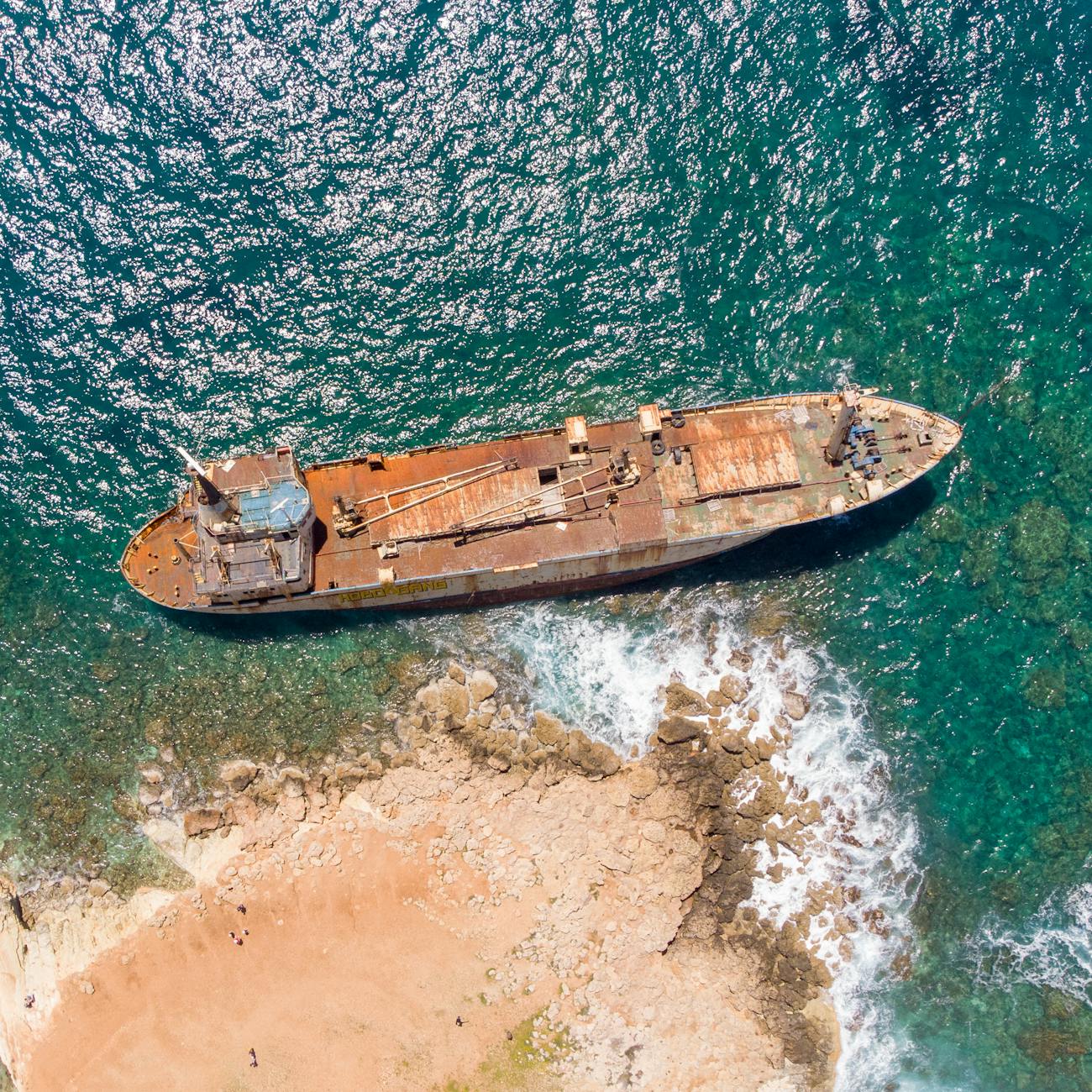
Shipping and marine environmental impact assessment is a crucial aspect of marine environmental law and policy, as it helps to identify and mitigate the potential environmental impacts of shipping activities on the marine ecosystem. The process involves a thorough evaluation of the potential effects of shipping on the marine environment, including the impact on wildlife habitats, water quality, and human health.
One of the key terms in shipping and marine environmental impact assessment is Environmental Impact Assessment (EIA), which is a systematic process used to identify and evaluate the potential environmental consequences of proposed projects or activities. In the context of shipping, EIA is used to assess the potential impacts of shipping activities, such as the construction of new ports or the introduction of new shipping routes, on the marine environment.
Another important term is Marine Pollution, which refers to the introduction of harmful substances or materials into the marine environment, including oil spills, chemical pollutants, and plastic debris. Marine pollution can have severe impacts on the marine ecosystem, including the death of marine species, the destruction of habitats, and the contamination of the food chain.
The International Maritime Organization (IMO) is a specialized agency of the United Nations that plays a crucial role in regulating shipping activities and reducing marine pollution. The IMO has implemented various regulations and conventions aimed at preventing marine pollution, including the International Convention for the Prevention of Pollution from Ships (MARPOL) and the Convention on the Prevention of Marine Pollution by Dumping of Wastes and Other Matter (LC).
The Ballast Water Management (BWM) Convention is another important regulation that aims to prevent the introduction of invasive species into the marine environment through the discharge of ballast water from ships. The convention requires ships to implement ballast water management systems that can effectively remove or kill invasive species from the ballast water before it is discharged into the marine environment.
Shipping activities can also have significant impacts on climate change, primarily through the emission of greenhouse gases, such as carbon dioxide and methane, from ships. The IMO has implemented regulations aimed at reducing greenhouse gas emissions from ships, including the Energy Efficiency Design Index (EEDI) and the Ship Energy Efficiency Management Plan (SEEMP).
The ship recycling industry is another area of concern in terms of marine environmental impact assessment. Ship recycling involves the breaking down of end-of-life ships into their component parts, which can result in the release of hazardous materials, such as asbestos and heavy metals, into the marine environment. The Hong Kong International Convention for the Safe and Environmentally Sound Recycling of Ships (HKC) is a key regulation that aims to ensure that ship recycling is carried out in an environmentally sound manner.
In addition to these regulations, there are also various certification schemes and standards that aim to promote sustainable shipping practices and reduce the environmental impacts of shipping activities. For example, the International Organization for Standardization (ISO) has developed a range of standards for the shipping industry, including ISO 14001, which provides a framework for environmental management systems, and ISO 28000, which provides a framework for security management systems.
The precautionary principle is a key concept in marine environmental law and policy, which requires that measures be taken to prevent environmental harm, even if there is no scientific certainty about the potential impacts of an activity. This principle is often applied in the context of shipping and marine environmental impact assessment, where it is used to justify the implementation of regulations and measures aimed at preventing environmental harm, even if the potential impacts of an activity are not yet fully understood.
The public participation process is also an important aspect of shipping and marine environmental impact assessment, which involves the involvement of stakeholders and the general public in the decision-making process. This can include consultations, hearings, and other forms of engagement, which provide an opportunity for stakeholders and the general public to comment on proposed shipping activities and express their concerns about potential environmental impacts.
In terms of enforcement, there are various mechanisms that can be used to ensure compliance with regulations and standards aimed at reducing the environmental impacts of shipping activities. For example, inspections and audits can be used to monitor compliance with regulations, while penalties and fines can be imposed on ships that do not comply with regulations.
The port state control (PSC) regime is another important mechanism for enforcing regulations and standards in the shipping industry. Under the PSC regime, inspectors from port states can inspect ships that visit their ports to ensure that they comply with international regulations and standards.
In addition to these mechanisms, there are also various technologies and tools that can be used to support shipping and marine environmental impact assessment. For example, remote sensing technologies, such as satellites and unmanned aerial vehicles, can be used to monitor shipping activities and detect potential environmental impacts, while modeling tools can be used to predict the potential impacts of shipping activities on the marine environment.
The human element is also an important consideration in shipping and marine environmental impact assessment, as shipping activities can have significant impacts on human health and welfare. For example, noise pollution from ships can have negative impacts on human health, while oil spills can have devastating impacts on coastal communities.
The economic impacts of shipping activities are also an important consideration in shipping and marine environmental impact assessment. For example, shipping activities can have significant economic benefits, such as the creation of jobs and the generation of revenue, but they can also have negative economic impacts, such as the destruction of fisheries and the degradation of coastal ecosystems.
In terms of case studies, there are many examples of shipping and marine environmental impact assessments that have been carried out around the world. For example, the Exxon Valdez oil spill in 1989 is a well-known example of the devastating impacts that shipping activities can have on the marine environment, while the introduction of invasive species into the Great Lakes through the discharge of ballast water from ships is another example of the potential environmental impacts of shipping activities.
The challenges of shipping and marine environmental impact assessment are numerous, and include the need for more effective regulations and enforcement mechanisms, the need for more accurate and reliable data and information, and the need for more effective public participation and engagement processes.
The future of shipping and marine environmental impact assessment is likely to be shaped by a range of factors, including the development of new technologies and tools, the implementation of new regulations and standards, and the growing recognition of the importance of environmental protection and sustainability in the shipping industry.
The role of international organizations, such as the IMO and the United Nations, will be critical in shaping the future of shipping and marine environmental impact assessment, as will the role of national governments, industry stakeholders, and civil society organizations.
The importance of education and training in shipping and marine environmental impact assessment cannot be overstated, as it is essential for building the capacity and expertise needed to carry out effective environmental impact assessments and to implement regulations and standards aimed at reducing the environmental impacts of shipping activities.
The need for more effective collaboration and cooperation between stakeholders is also critical in shipping and marine environmental impact assessment, as it is essential for sharing knowledge and best practices, and for developing and implementing effective strategies and measures aimed at reducing the environmental impacts of shipping activities.
The complexity of shipping and marine environmental impact assessment should not be underestimated, as it involves a range of technical, scientific, and social factors, and requires a multidisciplinary approach that takes into account the environmental, social, and economic impacts of shipping activities.
The uncertainty associated with shipping and marine environmental impact assessment is also a significant challenge, as it can be difficult to predict the potential environmental impacts of shipping activities, and to develop effective strategies and measures aimed at mitigating these impacts.
The importance of monitoring and evaluation in shipping and marine environmental impact assessment cannot be overstated, as it is essential for tracking the effectiveness of regulations and measures aimed at reducing the environmental impacts of shipping activities, and for identifying areas for improvement.
The role of research and development in shipping and marine environmental impact assessment is critical, as it is essential for developing new technologies and tools, and for improving our understanding of the environmental impacts of shipping activities.
The need for more effective dissemination of information and knowledge in shipping and marine environmental impact assessment is also important, as it is essential for raising awareness of the environmental impacts of shipping activities, and for promoting best practices and standards aimed at reducing these impacts.
The importance of international cooperation in shipping and marine environmental impact assessment cannot be overstated, as it is essential for developing and implementing effective regulations and standards aimed at reducing the environmental impacts of shipping activities, and for promoting best practices and standards aimed at reducing these impacts.
The challenges of shipping and marine environmental impact assessment in the context of climate change are significant, as climate change is likely to have major impacts on the environmental impacts of shipping activities, and will require the development of new strategies and measures aimed at reducing these impacts.
The need for more effective adaptation and resilience in shipping and marine environmental impact assessment is also critical, as it is essential for reducing the vulnerability of coastal communities and ecosystems to the environmental impacts of shipping activities, and for promoting sustainable development and environmental protection in the shipping industry.
The importance of education and awareness in shipping and marine environmental impact assessment cannot be overstated, as it is essential for promoting best practices and standards aimed at reducing the environmental impacts of shipping activities, and for raising awareness of the environmental impacts of shipping activities among stakeholders and the general public.
The role of industry stakeholders in shipping and marine environmental impact assessment is critical, as it is essential for promoting best practices and standards aimed at reducing the environmental impacts of shipping activities, and for developing and implementing effective strategies and measures aimed at reducing these impacts.
The importance of certification and verification in shipping and marine environmental impact assessment cannot be overstated, as it is essential for promoting best practices and standards aimed at reducing the environmental impacts of shipping activities, and for providing assurance that shipping activities are being carried out in an environmentally responsible manner.
The need for more effective enforcement and compliance in shipping and marine environmental impact assessment is also critical, as it is essential for ensuring that shipping activities are being carried out in accordance with regulations and standards aimed at reducing the environmental impacts of shipping activities, and for preventing environmental harm and degradation.
The importance of research and development in shipping and marine environmental impact assessment cannot be overstated, as it is essential for developing new technologies and tools, and for improving our understanding of the environmental impacts of shipping activities.
The role of government agencies in shipping and marine environmental impact assessment is critical, as it is essential for developing and implementing effective regulations and standards aimed at reducing the environmental impacts of shipping activities, and for promoting best practices and standards aimed at reducing these impacts.
The importance of international cooperation in shipping and marine environmental impact assessment cannot be overstated, as it is essential for developing and implementing effective regulations and standards aimed at reducing the environmental impacts of shipping activities, and for promoting best practices and standards aimed at reducing these impacts.
The need for more effective dissemination of information and knowledge in shipping and marine environmental impact assessment is also important, as it is essential for raising awareness of the environmental impacts of shipping activities, and for promoting best practices and standards aimed at reducing these impacts.
The role of civil society organizations in shipping and marine environmental impact assessment is critical, as it is essential for promoting best practices and standards aimed at reducing the environmental impacts of shipping activities, and for raising awareness of the environmental impacts of shipping activities among stakeholders and the general public.
Key takeaways
- Shipping and marine environmental impact assessment is a crucial aspect of marine environmental law and policy, as it helps to identify and mitigate the potential environmental impacts of shipping activities on the marine ecosystem.
- In the context of shipping, EIA is used to assess the potential impacts of shipping activities, such as the construction of new ports or the introduction of new shipping routes, on the marine environment.
- Another important term is Marine Pollution, which refers to the introduction of harmful substances or materials into the marine environment, including oil spills, chemical pollutants, and plastic debris.
- The International Maritime Organization (IMO) is a specialized agency of the United Nations that plays a crucial role in regulating shipping activities and reducing marine pollution.
- The Ballast Water Management (BWM) Convention is another important regulation that aims to prevent the introduction of invasive species into the marine environment through the discharge of ballast water from ships.
- The IMO has implemented regulations aimed at reducing greenhouse gas emissions from ships, including the Energy Efficiency Design Index (EEDI) and the Ship Energy Efficiency Management Plan (SEEMP).
- Ship recycling involves the breaking down of end-of-life ships into their component parts, which can result in the release of hazardous materials, such as asbestos and heavy metals, into the marine environment.