
Designing and Implementing Sports Injury Prevention Programs
In this explanation, we will cover key terms and vocabulary related to designing and implementing sports injury prevention programs. These terms are essential for understanding the concepts and best practices in sports injury prevention.
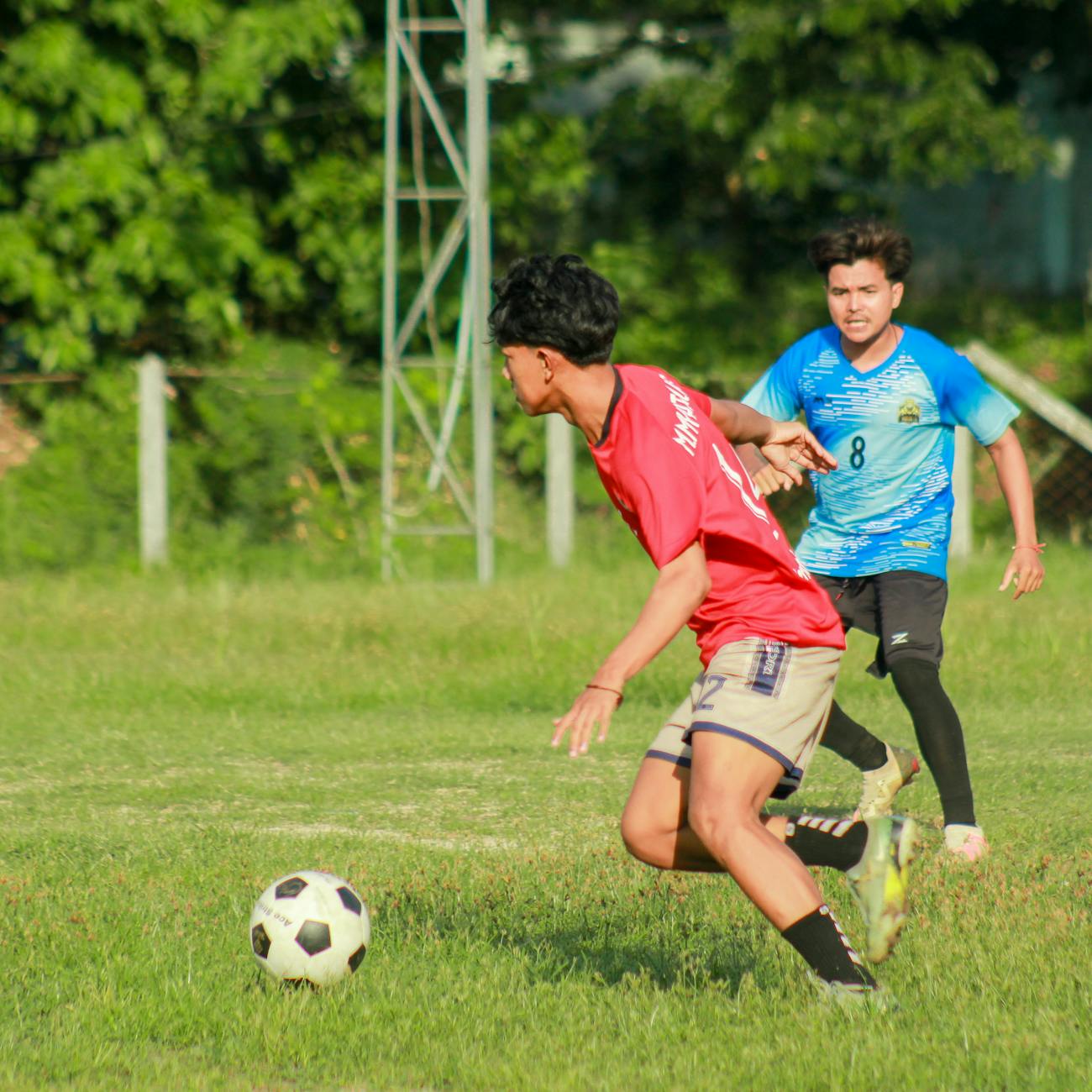
In this explanation, we will cover key terms and vocabulary related to designing and implementing sports injury prevention programs. These terms are essential for understanding the concepts and best practices in sports injury prevention.
1. **Injury Prevention**: A proactive approach to reducing the risk of sports injuries through evidence-based strategies, policies, and programs.
Example: Using proper warm-up and cool-down techniques to prevent muscle strains and sprains.
Challenge: Identifying the most common sports injuries and designing prevention programs to address them.
2. **Epidemiology**: The study of the distribution and determinants of injuries in a population.
Example: Tracking injury rates in a specific sport to identify trends and patterns.
Challenge: Conducting a thorough injury surveillance system to collect accurate data.
3. **Risk Factors**: Variables that increase the likelihood of sustaining a sports injury.
Example: Poor physical conditioning, lack of proper equipment, and insufficient rest between training sessions.
Challenge: Identifying and addressing modifiable risk factors to reduce injury rates.
4. **Modifiable Risk Factors**: Variables that can be changed or controlled to reduce the risk of injury.
Example: Improving flexibility, strength, and balance through targeted exercises.
Challenge: Implementing interventions to address modifiable risk factors in a sports setting.
5. Exercise Prescription: The process of designing and implementing a specific exercise program to address an individual's needs and goals.
Example: A coach prescribing a strength training program to improve muscular imbalances and reduce the risk of injury.
Challenge: Tailoring exercise prescriptions to individual athletes and their specific sports.
6. **Evidence-Based Practice**: The use of research evidence, clinical expertise, and patient values to inform decision-making in sports injury prevention.
Example: Implementing a balance training program based on research demonstrating its effectiveness in reducing ankle sprains.
Challenge: Keeping up-to-date with the latest research and applying it in practice.
7. **Injury Surveillance**: The systematic collection, analysis, and interpretation of injury data.
Example: Using injury reports to track injury rates and patterns in a sports team.
Challenge: Ensuring accurate and complete data collection.
8. **Injury Classification**: The process of categorizing injuries based on their severity, anatomical location, and mechanism of injury.
Example: Classifying an ankle sprain as a grade 2 injury based on its severity.
Challenge: Ensuring consistent and accurate injury classification.
9. **Return-to-Play (RTP)**: The process of safely returning an athlete to sports participation after an injury.
Example: Gradually increasing an athlete's training load after an ACL reconstruction.
Challenge: Balancing the athlete's readiness to return to play with the risk of reinjury.
10. **Injury Prevention Program**: A structured intervention designed to reduce the risk of sports injuries.
Example: A neuromuscular training program to prevent ACL injuries in female athletes.
Challenge: Ensuring adherence and compliance with the injury prevention program.
11. **Implementation Science**: The study of methods to promote the systematic uptake of research findings and evidence-based practices into routine practice.
Example: Using implementation science frameworks to design and evaluate injury prevention programs.
Challenge: Overcoming barriers to implementation, such as lack of resources, knowledge, and motivation.
12. **Behavior Change Theory**: The application of psychological theories to understand and promote behavior change.
Example: Using the Transtheoretical Model to design a motivational interviewing intervention to promote adherence to an injury prevention program.
Challenge: Tailoring behavior change interventions to individual athletes and their specific barriers to behavior change.
13. **Multidisciplinary Approach**: The collaboration of healthcare professionals from different disciplines to address sports injuries.
Example: A sports medicine team consisting of physicians, physiotherapists, athletic trainers, and coaches.
Challenge: Coordinating care and communication among different healthcare professionals.
14. **Injury Prevention Framework**: A systematic approach to designing and implementing injury prevention programs.
Example: The Sports Injury Prevention Framework developed by the World Health Organization.
Challenge: Applying the framework to different sports and populations.
15. **Patient-Centered Care**: The provision of care that is respectful of and responsive to an individual's preferences, needs, and values.
Example: Involving athletes in the decision-making process regarding their injury prevention and management.
Challenge: Balancing patient-centered care with evidence-based practice.
In conclusion, understanding the key terms and vocabulary related to designing and implementing sports injury prevention programs is essential for promoting athlete safety and reducing injury rates. By applying these concepts and best practices, sports professionals can create a safer and more enjoyable sports experience for all participants.
Key takeaways
- In this explanation, we will cover key terms and vocabulary related to designing and implementing sports injury prevention programs.
- **Injury Prevention**: A proactive approach to reducing the risk of sports injuries through evidence-based strategies, policies, and programs.
- Example: Using proper warm-up and cool-down techniques to prevent muscle strains and sprains.
- Challenge: Identifying the most common sports injuries and designing prevention programs to address them.
- **Epidemiology**: The study of the distribution and determinants of injuries in a population.
- Example: Tracking injury rates in a specific sport to identify trends and patterns.
- Challenge: Conducting a thorough injury surveillance system to collect accurate data.