
First Aid and Emergency Procedures for Sports Injuries
First Aid and Emergency Procedures for Sports Injuries are crucial for anyone involved in sports, whether as a participant, coach, or trainer. In this explanation, we will cover key terms and vocabulary related to first aid and emergency pr…
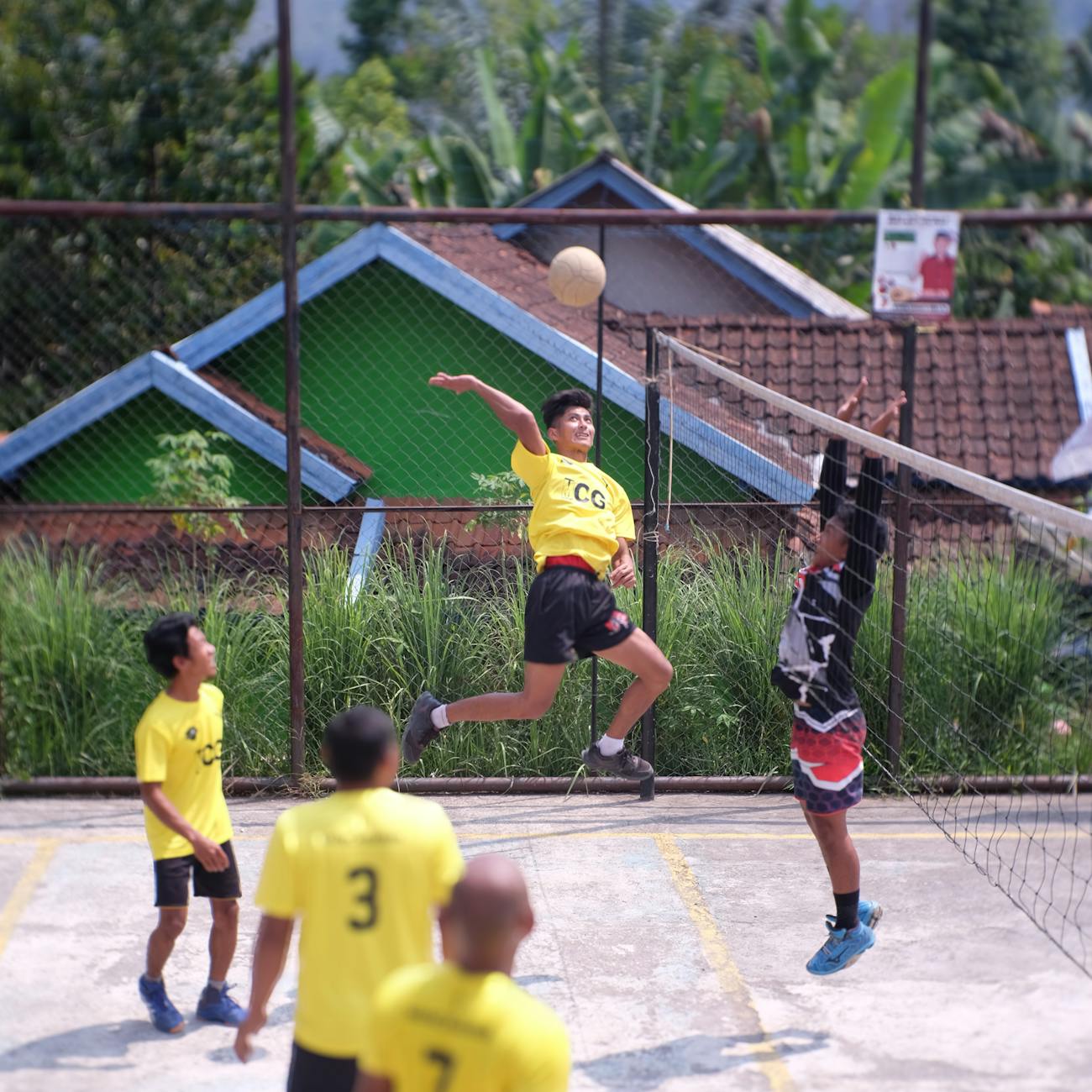
First Aid and Emergency Procedures for Sports Injuries are crucial for anyone involved in sports, whether as a participant, coach, or trainer. In this explanation, we will cover key terms and vocabulary related to first aid and emergency procedures for sports injuries in the context of the Certificate in Sports Injury Prevention.
1. RICE Method: The RICE method is a common first aid treatment for sports injuries. It stands for Rest, Ice, Compression, and Elevation. Rest refers to avoiding using the injured body part to prevent further damage. Ice is used to reduce swelling and numb the pain. Compression involves applying pressure to the injured area to reduce swelling, and Elevation means raising the injured body part above the heart to reduce blood flow and swelling. 2. PRICE Method: The PRICE method is an updated version of the RICE method that includes Protection, which involves using a protective device, such as a brace or crutch, to prevent further injury. 3. First Aid Kit: A first aid kit is a collection of supplies and equipment used to treat injuries and medical emergencies. A first aid kit for sports injuries should include items such as adhesive bandages, gauze pads, antiseptic wipes, tweezers, scissors, a blanket, and a first aid manual. 4. Concussion: A concussion is a type of traumatic brain injury that is caused by a blow to the head or body, a fall, or another injury that jars or shakes the brain inside the skull. Concussions can cause a variety of symptoms, including headache, dizziness, memory loss, and confusion. 5. Heat Exhaustion: Heat exhaustion is a condition that occurs when the body loses too much water and salt through excessive sweating. Symptoms of heat exhaustion include heavy sweating, weakness, cold, pale, and clammy skin, a fast, weak pulse, nausea or vomiting, and fainting. 6. Dehydration: Dehydration is a condition that occurs when the body loses more fluids than it takes in. Symptoms of dehydration include thirst, less frequent urination, dark-colored urine, fatigue, dizziness, and confusion. 7. CPR: Cardiopulmonary resuscitation (CPR) is a lifesaving procedure that is used to restore blood circulation and breathing in a person who has stopped breathing or whose heart has stopped. CPR involves pressing on the chest to force blood through the body and breathing into the person's mouth to provide oxygen. 8. AED: An automated external defibrillator (AED) is a portable device that is used to shock the heart back into a normal rhythm in cases of cardiac arrest. AEDs are commonly found in public places, such as airports, shopping malls, and sports facilities. 9. Sprain: A sprain is an injury to the ligaments, which are the bands of tissue that connect bones to each other. Sprains often occur in the ankles, wrists, and knees. 10. Strain: A strain is an injury to the muscles or tendons, which are the cords that attach muscles to bones. Strains often occur in the back, hamstrings, and quadriceps. 11. Fracture: A fracture is a break in a bone. Fractures can be caused by a variety of factors, including falls, collisions, and overuse. 12. Dislocation: A dislocation is an injury in which a bone is forced out of its normal position in a joint. Dislocations often occur in the shoulders, hips, and fingers. 13. Contusion: A contusion is a bruise, which is a discoloration of the skin that is caused by bleeding underneath. Contusions are often caused by blunt force trauma, such as a blow to the body. 14. Laceration: A laceration is a cut or tear in the skin. Lacerations can be caused by sharp objects, such as knives or glass. 15. Avulsion: An avulsion is an injury in which a piece of bone, tissue, or skin is torn away from the body. Avulsions often occur in fingers and toes. 16. Hematoma: A hematoma is a collection of blood outside of a blood vessel. Hematomas can be caused by injuries, such as bruises, or by medical conditions, such as hemophilia. 17. Infection: An infection is a condition in which bacteria, viruses, or other microorganisms invade the body and cause harm. Infections can occur in wounds, cuts, and other injuries. 18. Anaphylaxis: Anaphylaxis is a severe, life-threatening allergic reaction that can cause difficulty breathing, rapid heartbeat, and shock. Anaphylaxis is often caused by allergies to foods, medications, or insect stings. 19. Epinephrine: Epinephrine is a hormone and medication that is used to treat anaphylaxis. Epinephrine works by narrowing blood vessels and opening airways in the lungs. 20. Emergency Action Plan: An emergency action plan is a written plan that outlines the steps to be taken in the event of an emergency, such as a sports injury. An emergency action plan should include information on emergency procedures, first aid kits, and emergency contact numbers.
In conclusion, it is essential to have a good understanding of first aid and emergency procedures for sports injuries. Familiarizing oneself with the key terms and vocabulary outlined in this explanation can help one be better prepared to respond to sports injuries and medical emergencies. Remember, the RICE or PRICE method is a common first aid treatment for sports injuries, and a first aid kit should always be available. Additionally, being able to recognize and respond to conditions such as concussions, heat exhaustion, dehydration, and anaphylaxis can be life-saving. Finally, having an emergency action plan in place can help ensure a quick and effective response in the event of an emergency.
Key takeaways
- In this explanation, we will cover key terms and vocabulary related to first aid and emergency procedures for sports injuries in the context of the Certificate in Sports Injury Prevention.
- PRICE Method: The PRICE method is an updated version of the RICE method that includes Protection, which involves using a protective device, such as a brace or crutch, to prevent further injury.
- Familiarizing oneself with the key terms and vocabulary outlined in this explanation can help one be better prepared to respond to sports injuries and medical emergencies.