
Research Methods in Running Biomechanics.
Research Methods in Running Biomechanics:
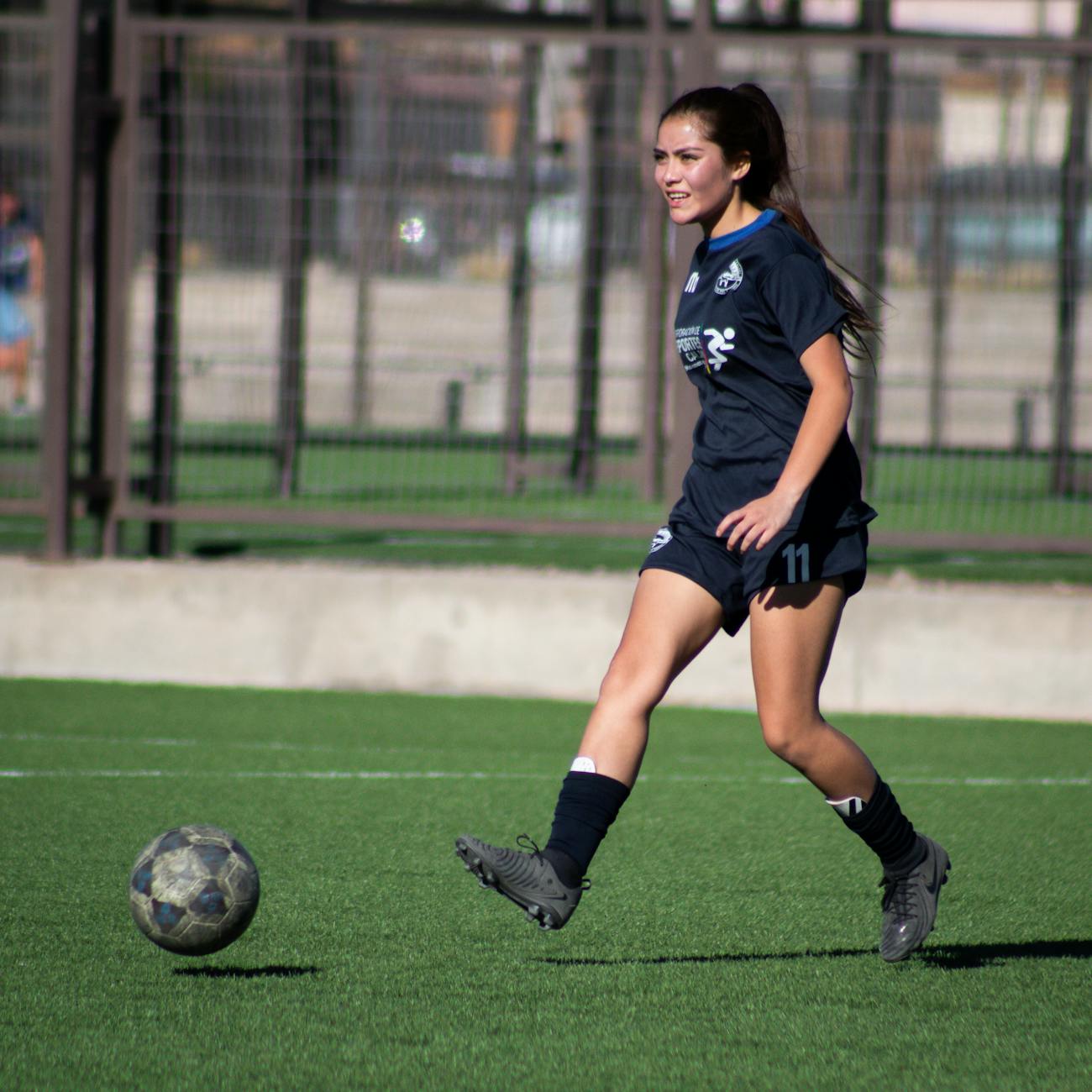
Research Methods in Running Biomechanics:
Running biomechanics is a field that combines the principles of biomechanics and the study of human movement with a focus on running. Research methods in running biomechanics help scientists and researchers understand the mechanics of running, how the body moves during running, and how different factors can influence running performance and injury risk. In the Advanced Certificate in Running Biomechanics Analysis, students will learn about various research methods used in this field to advance their knowledge and skills in analyzing running mechanics.
Key Terms and Vocabulary:
1. Biomechanics: Biomechanics is the study of the mechanical aspects of living organisms, including humans. In running biomechanics, biomechanical principles are applied to understand how the body moves during running, including factors such as joint angles, forces, and muscle activity.
2. Running Mechanics: Running mechanics refer to the movements and interactions of different body parts during running. This includes the analysis of stride length, stride frequency, foot strike patterns, and other aspects of running gait.
3. Research Methods: Research methods are the techniques and tools used by researchers to collect, analyze, and interpret data in scientific studies. In running biomechanics, research methods are used to study various aspects of running performance and injury prevention.
4. Motion Capture: Motion capture is a method used to track and record the movements of an object or human body in three-dimensional space. In running biomechanics, motion capture systems are used to analyze the kinematics of running movements.
5. Force Plate: A force plate is a device used to measure the forces exerted by the body during activities such as running. Force plates are commonly used in running biomechanics research to analyze ground reaction forces and other forces acting on the body.
6. Electromyography (EMG): Electromyography is a technique used to measure the electrical activity of muscles during movement. In running biomechanics, EMG is used to study muscle activation patterns and muscle coordination during running.
7. 3D Kinematics: 3D kinematics refers to the study of movement in three-dimensional space. In running biomechanics, 3D kinematics is used to analyze the joint angles, segmental motions, and overall movement patterns during running.
8. Plantar Pressure Analysis: Plantar pressure analysis is a method used to measure the distribution of pressure on the sole of the foot during activities such as running. This information can help researchers understand foot mechanics and the impact of running on the feet.
9. Biomechanical Modeling: Biomechanical modeling involves creating mathematical models of the musculoskeletal system to simulate and analyze movement patterns. In running biomechanics, biomechanical modeling is used to predict and optimize running performance.
10. Gait Analysis: Gait analysis is the study of human walking and running patterns. In running biomechanics, gait analysis is used to assess and improve running technique, identify gait abnormalities, and prevent injuries.
11. Instrumented Treadmill: An instrumented treadmill is a treadmill equipped with sensors and force plates to measure various parameters of running biomechanics, such as ground reaction forces, stride length, and step frequency.
12. Optical Motion Capture: Optical motion capture is a non-invasive method used to track the movement of reflective markers placed on the body. In running biomechanics, optical motion capture systems are used to analyze running kinematics and joint angles.
13. Biomechanical Analysis Software: Biomechanical analysis software is used to process and analyze data collected from various biomechanical measurement devices. This software helps researchers visualize and interpret biomechanical data to draw meaningful conclusions.
14. Dynamic Stability Analysis: Dynamic stability analysis is the study of how the body maintains balance and stability during dynamic activities, such as running. In running biomechanics, dynamic stability analysis is used to assess the risk of falls and injuries.
15. Finite Element Analysis (FEA): Finite element analysis is a computational method used to simulate the behavior of complex structures under various loading conditions. In running biomechanics, FEA is used to study the stress and strain distribution in bones, muscles, and other tissues during running.
16. Biomechanical Variables: Biomechanical variables are the parameters measured during biomechanical analysis, such as joint angles, forces, moments, and power. These variables provide insights into the mechanics of running and help researchers understand the factors influencing performance and injury risk.
17. Biomechanical Constraints: Biomechanical constraints refer to the physical limitations imposed by the biomechanical structure of the body. In running biomechanics, biomechanical constraints influence running form, efficiency, and injury susceptibility.
18. Performance Metrics: Performance metrics are quantitative measures used to assess running performance, such as running speed, endurance, and efficiency. In running biomechanics, performance metrics are used to evaluate the impact of biomechanical factors on running performance.
19. Injury Risk Factors: Injury risk factors are the biomechanical and physiological factors that increase the likelihood of running-related injuries. In running biomechanics, identifying and addressing injury risk factors is crucial for injury prevention and rehabilitation.
20. Biomechanical Interventions: Biomechanical interventions are strategies used to modify running mechanics and improve performance or reduce injury risk. In running biomechanics, biomechanical interventions may include gait retraining, strength training, and orthotic interventions.
21. Biomechanical Feedback: Biomechanical feedback involves providing real-time information about running mechanics to help individuals adjust their technique. In running biomechanics, biomechanical feedback can be used to optimize running form and reduce the risk of injury.
22. Validity and Reliability: Validity refers to the accuracy and truthfulness of a measurement tool or method, while reliability refers to the consistency and repeatability of measurements. In running biomechanics research, ensuring the validity and reliability of data is essential for drawing valid conclusions.
23. Biomechanical Research Ethics: Biomechanical research ethics involve adhering to ethical principles and guidelines when conducting research involving human participants. In running biomechanics, researchers must ensure the safety and well-being of participants and obtain informed consent before collecting data.
24. Statistical Analysis: Statistical analysis is used to analyze and interpret biomechanical data, identify patterns, and draw meaningful conclusions. In running biomechanics research, statistical analysis is used to determine the significance of findings and make inferences about the population.
25. Biomechanical Adaptations: Biomechanical adaptations refer to the changes in running mechanics that occur in response to training, injury, or other factors. In running biomechanics, understanding biomechanical adaptations can help optimize training programs and prevent overuse injuries.
26. Biomechanical Assessment: Biomechanical assessment involves evaluating an individual's running mechanics to identify biomechanical abnormalities or inefficiencies. In running biomechanics, biomechanical assessment is used to guide interventions and improve running performance.
27. Biomechanical Load: Biomechanical load refers to the forces and stresses placed on the body during running. In running biomechanics, understanding biomechanical loads is important for preventing injuries and optimizing training programs.
28. Biomechanical Efficiency: Biomechanical efficiency is the ability to generate and transfer mechanical energy effectively during running. In running biomechanics, improving biomechanical efficiency can enhance running performance and reduce the risk of fatigue and injury.
29. Biomechanical Factors: Biomechanical factors are the physical and mechanical components that influence running mechanics and performance. In running biomechanics, biomechanical factors include joint angles, muscle activation patterns, and ground reaction forces.
30. Biomechanical Kinetics: Biomechanical kinetics refers to the study of forces and torques that act on the body during movement. In running biomechanics, biomechanical kinetics are used to analyze the impact of external forces on running mechanics.
31. Biomechanical Kinematics: Biomechanical kinematics is the study of the motion of body segments and joints during movement. In running biomechanics, biomechanical kinematics are used to analyze joint angles, segmental motions, and overall movement patterns.
32. Biomechanical Feedback: Biomechanical feedback involves providing real-time information about running mechanics to help individuals adjust their technique. In running biomechanics, biomechanical feedback can be used to optimize running form and reduce the risk of injury.
33. Biomechanical Optimization: Biomechanical optimization involves improving running mechanics to enhance performance and reduce the risk of injury. In running biomechanics, biomechanical optimization may involve adjusting running form, footwear, or training programs.
34. Biomechanical Screening: Biomechanical screening involves assessing an individual's running mechanics to identify potential risk factors or areas for improvement. In running biomechanics, biomechanical screening is used to guide training and rehabilitation programs.
35. Biomechanical Variability: Biomechanical variability refers to the natural variations in running mechanics observed among individuals. In running biomechanics, understanding biomechanical variability can help tailor interventions and training programs to individual needs.
36. Biomechanical Stability: Biomechanical stability refers to the ability of the body to maintain balance and control during running. In running biomechanics, biomechanical stability is essential for efficient and injury-free running.
37. Biomechanical Symmetry: Biomechanical symmetry refers to the balance and equality of movement patterns between the left and right sides of the body. In running biomechanics, assessing biomechanical symmetry can help identify asymmetries that may increase injury risk.
38. Biomechanical Constraints: Biomechanical constraints are the physical limitations imposed by the biomechanical structure of the body. In running biomechanics, biomechanical constraints influence running form, efficiency, and injury susceptibility.
39. Biomechanical Adaptations: Biomechanical adaptations refer to the changes in running mechanics that occur in response to training, injury, or other factors. In running biomechanics, understanding biomechanical adaptations can help optimize training programs and prevent overuse injuries.
40. Biomechanical Load: Biomechanical load refers to the forces and stresses placed on the body during running. In running biomechanics, understanding biomechanical loads is important for preventing injuries and optimizing training programs.
41. Biomechanical Efficiency: Biomechanical efficiency is the ability to generate and transfer mechanical energy effectively during running. In running biomechanics, improving biomechanical efficiency can enhance running performance and reduce the risk of fatigue and injury.
42. Biomechanical Factors: Biomechanical factors are the physical and mechanical components that influence running mechanics and performance. In running biomechanics, biomechanical factors include joint angles, muscle activation patterns, and ground reaction forces.
43. Biomechanical Kinetics: Biomechanical kinetics refers to the study of forces and torques that act on the body during movement. In running biomechanics, biomechanical kinetics are used to analyze the impact of external forces on running mechanics.
44. Biomechanical Kinematics: Biomechanical kinematics is the study of the motion of body segments and joints during movement. In running biomechanics, biomechanical kinematics are used to analyze joint angles, segmental motions, and overall movement patterns.
45. Biomechanical Optimization: Biomechanical optimization involves improving running mechanics to enhance performance and reduce the risk of injury. In running biomechanics, biomechanical optimization may involve adjusting running form, footwear, or training programs.
46. Biomechanical Screening: Biomechanical screening involves assessing an individual's running mechanics to identify potential risk factors or areas for improvement. In running biomechanics, biomechanical screening is used to guide training and rehabilitation programs.
47. Biomechanical Variability: Biomechanical variability refers to the natural variations in running mechanics observed among individuals. In running biomechanics, understanding biomechanical variability can help tailor interventions and training programs to individual needs.
48. Biomechanical Symmetry: Biomechanical symmetry refers to the balance and equality of movement patterns between the left and right sides of the body. In running biomechanics, assessing biomechanical symmetry can help identify asymmetries that may increase injury risk.
49. Biomechanical Constraints: Biomechanical constraints are the physical limitations imposed by the biomechanical structure of the body. In running biomechanics, biomechanical constraints influence running form, efficiency, and injury susceptibility.
50. Biomechanical Adaptations: Biomechanical adaptations refer to the changes in running mechanics that occur in response to training, injury, or other factors. In running biomechanics, understanding biomechanical adaptations can help optimize training programs and prevent overuse injuries.
51. Biomechanical Load: Biomechanical load refers to the forces and stresses placed on the body during running. In running biomechanics, understanding biomechanical loads is important for preventing injuries and optimizing training programs.
52. Biomechanical Efficiency: Biomechanical efficiency is the ability to generate and transfer mechanical energy effectively during running. In running biomechanics, improving biomechanical efficiency can enhance running performance and reduce the risk of fatigue and injury.
53. Biomechanical Factors: Biomechanical factors are the physical and mechanical components that influence running mechanics and performance. In running biomechanics, biomechanical factors include joint angles, muscle activation patterns, and ground reaction forces.
54. Biomechanical Kinetics: Biomechanical kinetics refers to the study of forces and torques that act on the body during movement. In running biomechanics, biomechanical kinetics are used to analyze the impact of external forces on running mechanics.
55. Biomechanical Kinematics: Biomechanical kinematics is the study of the motion of body segments and joints during movement. In running biomechanics, biomechanical kinematics are used to analyze joint angles, segmental motions, and overall movement patterns.
56. Biomechanical Optimization: Biomechanical optimization involves improving running mechanics to enhance performance and reduce the risk of injury. In running biomechanics, biomechanical optimization may involve adjusting running form, footwear, or training programs.
57. Biomechanical Screening: Biomechanical screening involves assessing an individual's running mechanics to identify potential risk factors or areas for improvement. In running biomechanics, biomechanical screening is used to guide training and rehabilitation programs.
58. Biomechanical Variability: Biomechanical variability refers to the natural variations in running mechanics observed among individuals. In running biomechanics, understanding biomechanical variability can help tailor interventions and training programs to individual needs.
59. Biomechanical Symmetry: Biomechanical symmetry refers to the balance and equality of movement patterns between the left and right sides of the body. In running biomechanics, assessing biomechanical symmetry can help identify asymmetries that may increase injury risk.
60. Biomechanical Constraints: Biomechanical constraints are the physical limitations imposed by the biomechanical structure of the body. In running biomechanics, biomechanical constraints influence running form, efficiency, and injury susceptibility.
61. Biomechanical Adaptations: Biomechanical adaptations refer to the changes in running mechanics that occur in response to training, injury, or other factors. In running biomechanics, understanding biomechanical adaptations can help optimize training programs and prevent overuse injuries.
62. Biomechanical Load: Biomechanical load refers to the forces and stresses placed on the body during running. In running biomechanics, understanding biomechanical loads is important for preventing injuries and optimizing training programs.
63. Biomechanical Efficiency: Biomechanical efficiency is the ability to generate and transfer mechanical energy effectively during running. In running biomechanics, improving biomechanical efficiency can enhance running performance and reduce the risk of fatigue and injury.
64. Biomechanical Factors: Biomechanical factors are the physical and mechanical components that influence running mechanics and performance. In running biomechanics, biomechanical factors include joint angles, muscle activation patterns, and ground reaction forces.
65. Biomechanical Kinetics: Biomechanical kinetics refers to the study of forces and torques that act on the body during movement. In running biomechanics, biomechanical kinetics are used to analyze the impact of external forces on running mechanics.
66. Biomechanical Kinematics: Biomechanical kinematics is the study of the motion of body segments and joints during movement. In running biomechanics, biomechanical kinematics are used to analyze joint angles, segmental motions, and overall movement patterns.
67. Biomechanical Optimization: Biomechanical optimization involves improving running mechanics to enhance performance and reduce the risk of injury. In running biomechanics, biomechanical optimization may involve adjusting running form, footwear, or training programs.
68. Biomechanical Screening: Biomechanical screening involves assessing an individual's running mechanics to identify potential risk factors or areas for improvement. In running biomechanics, biomechanical screening is used to guide training and rehabilitation programs.
69. Biomechanical Variability: Biomechanical variability refers to the natural variations in running mechanics observed among individuals. In running biomechanics, understanding biomechanical variability can help tailor interventions and training programs to individual needs.
70. Biomechanical Symmetry: Biomechanical symmetry refers to the balance and equality of movement patterns
Key takeaways
- Research methods in running biomechanics help scientists and researchers understand the mechanics of running, how the body moves during running, and how different factors can influence running performance and injury risk.
- In running biomechanics, biomechanical principles are applied to understand how the body moves during running, including factors such as joint angles, forces, and muscle activity.
- Running Mechanics: Running mechanics refer to the movements and interactions of different body parts during running.
- Research Methods: Research methods are the techniques and tools used by researchers to collect, analyze, and interpret data in scientific studies.
- Motion Capture: Motion capture is a method used to track and record the movements of an object or human body in three-dimensional space.
- Force plates are commonly used in running biomechanics research to analyze ground reaction forces and other forces acting on the body.
- Electromyography (EMG): Electromyography is a technique used to measure the electrical activity of muscles during movement.