
Advanced Techniques in Running Analysis
Running Biomechanics Analysis: Running biomechanics analysis is a crucial component of understanding and improving an individual's running technique. It involves the study of how the body moves during running, including joint angles, muscle…
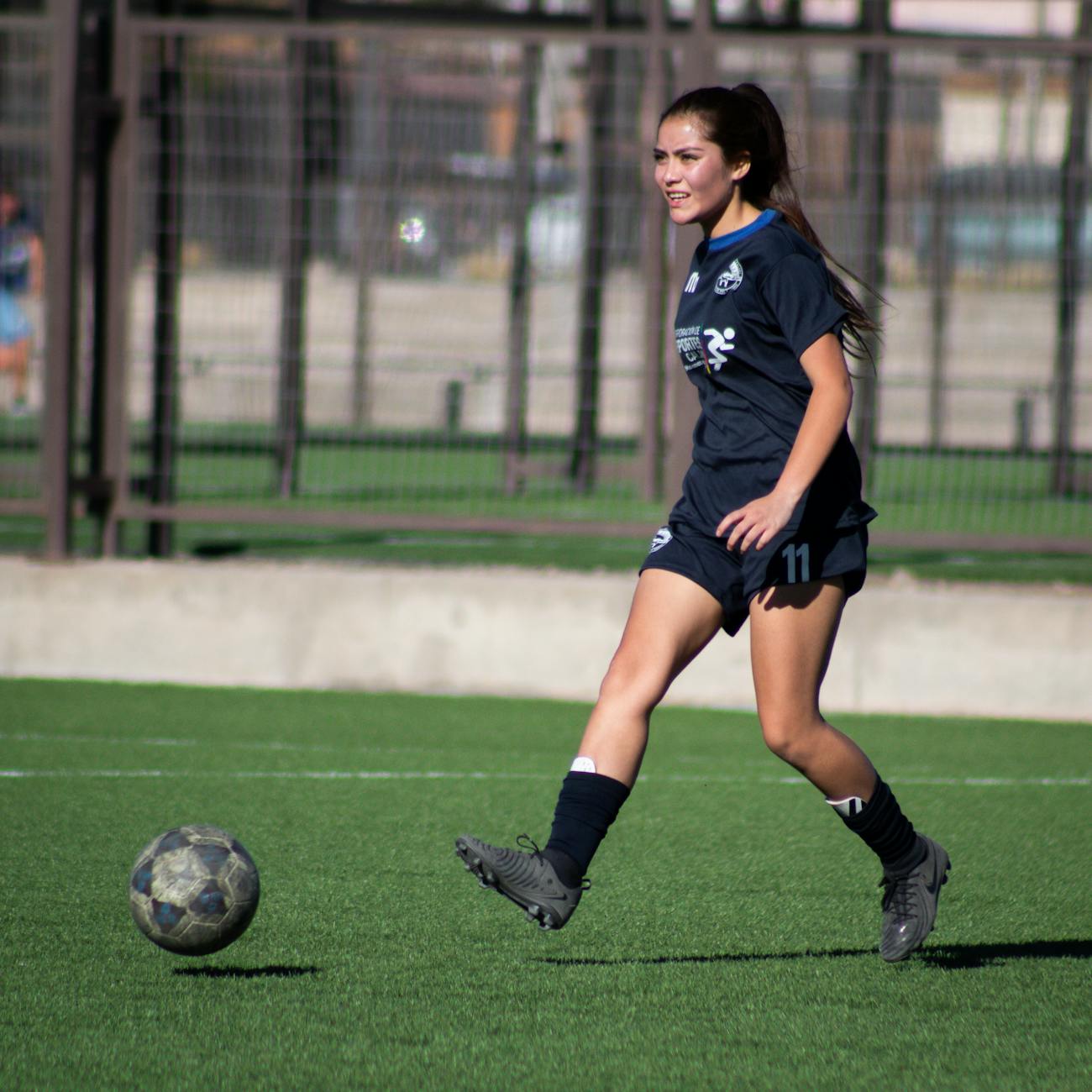
Running Biomechanics Analysis: Running biomechanics analysis is a crucial component of understanding and improving an individual's running technique. It involves the study of how the body moves during running, including joint angles, muscle activation patterns, and forces acting on the body. By analyzing these factors, biomechanists can identify areas for improvement and help runners optimize their performance while reducing the risk of injury.
Advanced Techniques: Advanced techniques in running analysis go beyond basic observations of running form and delve deeper into the intricate details of a runner's biomechanics. These techniques often involve sophisticated equipment such as motion capture systems, force plates, and electromyography to gather precise data on various aspects of running mechanics. By utilizing advanced techniques, biomechanists can provide more detailed insights into a runner's performance and make targeted recommendations for improvement.
Gait Analysis: Gait analysis is a key component of running biomechanics analysis that focuses on the study of how a person walks or runs. It involves analyzing various parameters such as stride length, cadence, foot strike pattern, and joint angles to assess overall movement patterns. Gait analysis can be performed using visual observation, wearable sensors, or more advanced motion capture systems to provide detailed insights into a runner's mechanics.
Motion Capture: Motion capture is a technology used in running biomechanics analysis to track and record the movement of an individual's body during running. This technology typically involves placing reflective markers on key anatomical landmarks and using multiple cameras to capture the three-dimensional motion of these markers. Motion capture systems can provide precise data on joint angles, body positions, and movement patterns to help biomechanists analyze a runner's mechanics in detail.
Force Plate: A force plate is a specialized instrument used in running biomechanics analysis to measure the forces acting on a runner's body during ground contact. By standing or running on a force plate, biomechanists can quantify parameters such as ground reaction forces, vertical loading rates, and braking forces. This information is crucial for understanding how a runner interacts with the ground and can be used to optimize performance and reduce the risk of injury.
Electromyography (EMG): Electromyography is a technique used in running biomechanics analysis to measure the electrical activity of muscles during running. By placing small electrodes on the skin over specific muscles, biomechanists can record muscle activation patterns and timing throughout the running cycle. EMG data can provide valuable insights into muscle recruitment strategies, coordination patterns, and potential muscle imbalances that may affect a runner's performance.
Joint Angles: Joint angles refer to the angles formed between adjacent segments of the body, such as the hip, knee, and ankle joints, during running. These angles play a crucial role in determining how efficiently a runner moves and how forces are distributed throughout the body. By analyzing joint angles, biomechanists can identify areas of potential inefficiency or injury risk and make recommendations to optimize a runner's mechanics.
Stride Length: Stride length is the distance covered by a runner with each step, typically measured from heel strike to the subsequent heel strike of the same foot. Stride length is influenced by factors such as running speed, cadence, and running technique. By analyzing stride length, biomechanists can assess a runner's efficiency and identify potential areas for improvement, such as overstriding or understriding.
Cadence: Cadence refers to the number of steps a runner takes per minute and is a key parameter in running biomechanics analysis. Cadence is closely related to running speed and can influence factors such as ground contact time, energy expenditure, and impact forces. By analyzing cadence, biomechanists can help runners optimize their stride rate to improve efficiency and reduce the risk of injury.
Foot Strike Pattern: Foot strike pattern refers to the part of the foot that makes initial contact with the ground during running, such as forefoot, midfoot, or heel strike. Foot strike pattern can impact running mechanics, injury risk, and performance outcomes. By analyzing foot strike pattern, biomechanists can provide recommendations on optimal footwear, running surfaces, and form adjustments to help runners achieve their goals.
Muscle Activation Patterns: Muscle activation patterns refer to the sequence and timing of muscle contractions during running. Different muscles are recruited at specific times during the running cycle to generate movement and support the body. By analyzing muscle activation patterns using techniques like electromyography, biomechanists can identify muscle imbalances, coordination issues, and potential areas for strength training to improve a runner's performance and reduce injury risk.
Ground Reaction Forces: Ground reaction forces are the forces exerted by the ground on a runner's body during running, including vertical, horizontal, and shear forces. These forces play a crucial role in propulsion, shock absorption, and stability during each step. By analyzing ground reaction forces using tools like force plates, biomechanists can assess how a runner interacts with the ground and provide recommendations to optimize performance and prevent injuries.
Vertical Loading Rates: Vertical loading rates refer to the rate at which forces are applied to the body in the vertical direction during running. High vertical loading rates have been associated with an increased risk of certain injuries, such as stress fractures and shin splints. By analyzing vertical loading rates, biomechanists can help runners adjust their mechanics, footwear, and training programs to reduce the impact forces on their bodies and minimize injury risk.
Braking Forces: Braking forces are the forces that act to decelerate a runner's forward motion during ground contact. Excessive braking forces can lead to inefficient running mechanics, increased energy expenditure, and higher risk of injury. By analyzing braking forces using force plates, biomechanists can provide recommendations to improve a runner's braking strategy, such as reducing overstriding or enhancing forward propulsion, to enhance performance and reduce the risk of injury.
Running Efficiency: Running efficiency refers to the ability of a runner to move with minimal energy expenditure while maintaining a certain pace or speed. Efficient runners typically exhibit optimal biomechanics, including appropriate stride length, cadence, foot strike pattern, and muscle activation patterns. By improving running efficiency through biomechanical analysis and adjustments, runners can enhance their performance, endurance, and overall running experience.
Injury Prevention: Injury prevention is a key goal of running biomechanics analysis, as it aims to identify and address factors that may contribute to running-related injuries. By analyzing a runner's biomechanics, including joint angles, muscle activation patterns, and ground reaction forces, biomechanists can pinpoint potential risk factors and provide recommendations for injury prevention strategies. These may include form adjustments, strength training exercises, footwear modifications, and training program modifications to reduce the likelihood of injuries occurring.
Performance Optimization: Performance optimization involves using running biomechanics analysis to enhance a runner's performance by maximizing efficiency, power, and speed while minimizing energy expenditure and injury risk. By analyzing various aspects of a runner's mechanics, such as stride length, cadence, foot strike pattern, and muscle activation patterns, biomechanists can provide targeted recommendations for improving performance. These recommendations may include form adjustments, strength training exercises, footwear selection, and training program modifications to help runners achieve their goals and reach their full potential.
Biomechanical Feedback: Biomechanical feedback is a valuable tool in running analysis that provides runners with real-time information on their mechanics and performance. By using technologies such as motion capture systems, force plates, and wearable sensors, biomechanists can collect data during running sessions and provide immediate feedback to runners on areas for improvement. Biomechanical feedback can help runners make adjustments to their form, pacing, and training techniques to optimize performance and reduce the risk of injury.
Functional Movement Screening: Functional movement screening is a process used in running biomechanics analysis to assess an individual's movement patterns, flexibility, strength, and balance. By performing specific movement tests and observing how the body moves in different planes of motion, biomechanists can identify potential limitations or asymmetries that may affect a runner's performance or increase the risk of injury. Functional movement screening can help runners address underlying movement dysfunctions and improve overall running mechanics.
Biomechanical Interventions: Biomechanical interventions are strategies used to address specific biomechanical issues identified through running analysis. These interventions may include form adjustments, strength training exercises, footwear modifications, and training program modifications tailored to an individual runner's needs. By implementing biomechanical interventions based on a thorough analysis of a runner's mechanics, biomechanists can help improve performance, prevent injuries, and enhance overall running experience.
Challenges in Running Analysis: Running analysis presents several challenges that can impact the accuracy and effectiveness of biomechanical assessments. These challenges may include variability in running conditions, equipment limitations, individual differences in running styles, and the complexity of human movement. Overcoming these challenges requires careful consideration of study design, data collection methods, and data interpretation to ensure meaningful and reliable results that can guide interventions and recommendations for runners.
Integration of Technology: The integration of technology is a key aspect of advanced techniques in running analysis, as it allows biomechanists to gather precise and detailed data on a runner's mechanics. Technologies such as motion capture systems, force plates, electromyography, and wearable sensors enable biomechanists to track movement patterns, forces acting on the body, muscle activation patterns, and other key parameters during running. By integrating technology into running analysis, biomechanists can provide more accurate assessments and tailored recommendations for optimizing performance and reducing injury risk.
Interdisciplinary Approach: Running biomechanics analysis often involves an interdisciplinary approach that combines expertise from various fields, such as biomechanics, sports science, physical therapy, and athletic training. By collaborating with professionals from different disciplines, biomechanists can gain a comprehensive understanding of a runner's mechanics, performance goals, and injury history. This interdisciplinary approach allows for a holistic assessment of a runner's biomechanics and the development of personalized interventions to address specific needs and optimize performance.
Longitudinal Monitoring: Longitudinal monitoring involves tracking changes in a runner's biomechanics over time to assess progress, identify trends, and evaluate the effectiveness of interventions. By conducting repeated assessments at regular intervals, biomechanists can monitor improvements in running mechanics, injury prevention strategies, and performance outcomes. Longitudinal monitoring provides valuable insights into how a runner's biomechanics evolve with training, form adjustments, and other interventions, helping to guide ongoing support and optimization efforts.
Biomechanics Education: Biomechanics education plays a crucial role in advancing techniques in running analysis by equipping professionals with the knowledge and skills to conduct comprehensive assessments and provide targeted interventions for runners. By learning about biomechanical principles, data collection methods, analysis techniques, and interpretation strategies, practitioners can enhance their ability to analyze running mechanics effectively and make evidence-based recommendations for optimizing performance and reducing injury risk. Ongoing education and training in biomechanics are essential for staying current with best practices and emerging technologies in the field of running analysis.
Clinical Applications: Running biomechanics analysis has important clinical applications in the prevention, assessment, and management of running-related injuries. By conducting thorough biomechanical assessments, clinicians can identify underlying factors contributing to injuries, such as gait abnormalities, muscle imbalances, and movement dysfunctions. This information can inform targeted interventions, such as form adjustments, strength training exercises, and footwear modifications, to address these issues and help runners recover from injuries, prevent future injuries, and optimize their running mechanics.
Research Opportunities: Advanced techniques in running analysis provide numerous research opportunities for exploring the complexities of human movement, performance optimization, and injury prevention in running. By conducting studies using sophisticated technologies, innovative methodologies, and interdisciplinary approaches, researchers can investigate new insights into running biomechanics, develop novel interventions, and advance the field of sports science. Research in running analysis can inform evidence-based practices, guide interventions for athletes and recreational runners, and contribute to the body of knowledge on biomechanics and human performance.
Professional Development: Professional development is essential for practitioners in the field of running biomechanics analysis to enhance their skills, knowledge, and expertise in conducting comprehensive assessments and interventions for runners. By participating in continuing education programs, workshops, conferences, and research collaborations, professionals can stay current with emerging technologies, best practices, and research findings in the field. Professional development opportunities provide practitioners with the tools and resources to deliver high-quality services, support runners in achieving their goals, and contribute to advancements in running biomechanics analysis.
Key takeaways
- Running Biomechanics Analysis: Running biomechanics analysis is a crucial component of understanding and improving an individual's running technique.
- These techniques often involve sophisticated equipment such as motion capture systems, force plates, and electromyography to gather precise data on various aspects of running mechanics.
- Gait analysis can be performed using visual observation, wearable sensors, or more advanced motion capture systems to provide detailed insights into a runner's mechanics.
- This technology typically involves placing reflective markers on key anatomical landmarks and using multiple cameras to capture the three-dimensional motion of these markers.
- Force Plate: A force plate is a specialized instrument used in running biomechanics analysis to measure the forces acting on a runner's body during ground contact.
- EMG data can provide valuable insights into muscle recruitment strategies, coordination patterns, and potential muscle imbalances that may affect a runner's performance.
- By analyzing joint angles, biomechanists can identify areas of potential inefficiency or injury risk and make recommendations to optimize a runner's mechanics.