
Team Dynamics and Group Cohesion
Team Dynamics and Group Cohesion
Team Dynamics and Group Cohesion
Team Dynamics
Team dynamics refer to the interactions and relationships between team members that impact the overall performance of the group. Understanding and managing team dynamics is crucial for creating a cohesive and effective team. Several key concepts play a significant role in team dynamics:
1. Roles: Roles within a team define the responsibilities and expectations of each team member. There are different types of roles, including task roles (focused on achieving goals), social roles (focused on maintaining relationships), and dysfunctional roles (negatively impacting team performance).
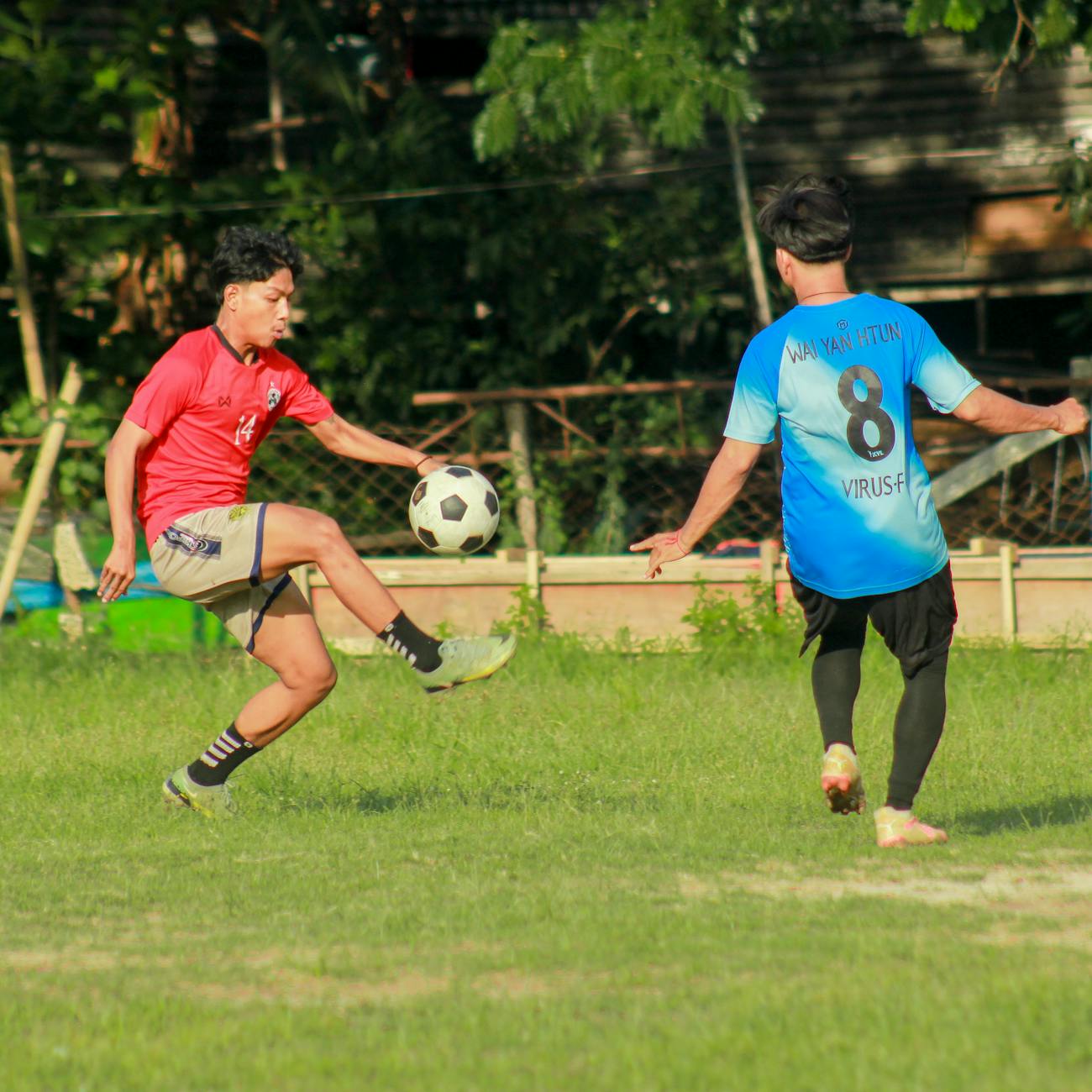
For example, in a soccer team, the striker has a task role to score goals, the captain has a social role to motivate teammates, and a player who constantly argues with others takes on a dysfunctional role.
2. Communication: Effective communication is essential for successful team dynamics. Clear and open communication helps in sharing ideas, resolving conflicts, and building trust among team members. Different communication styles and preferences can impact how information is shared within a team.
For instance, in a basketball team, players must communicate effectively through verbal cues (calling out plays) and non-verbal cues (hand signals) to coordinate their movements on the court.
3. Leadership: Leadership plays a crucial role in shaping team dynamics. A good leader motivates team members, sets goals, resolves conflicts, and provides direction. Different leadership styles, such as autocratic, democratic, and laissez-faire, can influence how a team functions.
In a volleyball team, the coach serves as the leader who guides players during practice sessions and matches, ensuring everyone is aligned with the team's objectives.
4. Conflict Resolution: Conflicts are a natural part of team dynamics and can arise due to differences in opinions, goals, or personalities. Effective conflict resolution strategies help teams address issues constructively and move forward towards their common goals.
For example, in a rowing team, if two members disagree on the stroke technique, the coach can facilitate a discussion to find a compromise that benefits the entire team.
5. Decision Making: Decision-making processes in a team impact its dynamics. Teams can make decisions through consensus, voting, or consultation with a designated leader. Involving all team members in the decision-making process enhances commitment and ownership.
In a cycling team, deciding on the race strategy involves input from every rider to ensure everyone is on board with the plan and committed to executing it effectively.
Group Cohesion
Group cohesion refers to the degree of unity, solidarity, and commitment among the members of a group. High levels of group cohesion are associated with better communication, trust, and teamwork. Several factors contribute to group cohesion:
1. Social Bonds: Social bonds develop through shared experiences, common goals, and interpersonal relationships within a group. These bonds create a sense of belonging and mutual support among members.
For instance, in a track and field team, athletes bond through training sessions, competitions, and team events, fostering a strong sense of camaraderie.
2. Shared Goals: Group cohesion is strengthened when members share common goals and objectives. When everyone is working towards a common purpose, it increases motivation, cooperation, and alignment within the group.
In a swimming team, the shared goal of winning a relay race motivates swimmers to support each other, practice diligently, and perform at their best during competitions.
3. Group Norms: Group norms are the shared expectations and behaviors that guide interactions within a group. Establishing positive norms, such as respect, accountability, and teamwork, helps in shaping a cohesive and productive group environment.
For example, in a rugby team, the norm of hard work and dedication influences players to train rigorously, support each other on and off the field, and uphold the team's values.
4. Group Identity: Group identity refers to the collective sense of belonging and identification with the group. When members identify strongly with the group, they are more likely to cooperate, communicate effectively, and support each other towards achieving common goals.
In a gymnastics team, athletes wear team uniforms, chant team slogans, and celebrate victories together, reinforcing their group identity and fostering a strong sense of unity.
5. Cohesion Building Activities: Engaging in cohesion-building activities, such as team-building exercises, social gatherings, and group discussions, helps strengthen the bonds among group members. These activities enhance communication, trust, and collaboration within the group.
For instance, in a tennis team, organizing a team-building retreat where players participate in trust exercises, problem-solving challenges, and reflection sessions can improve group cohesion and teamwork on the court.
Challenges in Team Dynamics and Group Cohesion
While team dynamics and group cohesion are essential for the success of a sports team, several challenges can hinder their development:
1. Conflict: Conflicts among team members can disrupt team dynamics and reduce group cohesion. Misunderstandings, disagreements, and personality clashes can create tension within the team if not addressed promptly and effectively.
2. Lack of Communication: Poor communication leads to misunderstandings, confusion, and lack of alignment among team members. Inadequate communication channels or styles can hinder the flow of information and impede teamwork within the group.
3. Role Ambiguity: Unclear roles and responsibilities can lead to confusion, duplication of efforts, and conflicts within a team. When team members are unsure of their duties or expectations, it can affect performance and accountability.
4. Leadership Issues: Ineffective leadership can impact team dynamics and group cohesion negatively. A lack of direction, inconsistent decision-making, or poor communication from leaders can erode trust and motivation among team members.
5. Individual Differences: Varied personalities, backgrounds, and skill levels among team members can pose challenges to team dynamics and group cohesion. Respecting diversity, fostering inclusivity, and addressing individual needs are crucial for building a cohesive team.
Strategies for Enhancing Team Dynamics and Group Cohesion
To overcome challenges and promote positive team dynamics and group cohesion, consider implementing the following strategies:
1. Establish Clear Goals: Define clear and achievable goals that align with the team's mission and objectives. Communicate these goals to all team members to ensure everyone is working towards a common purpose.
2. Foster Open Communication: Encourage open and honest communication among team members. Provide multiple channels for communication, such as team meetings, group chats, and one-on-one discussions, to ensure information flows freely within the team.
3. Clarify Roles and Expectations: Clearly define roles, responsibilities, and expectations for each team member. Ensure everyone understands their duties and how they contribute to the team's success.
4. Develop Leadership Skills: Invest in developing strong leadership skills within the team. Train leaders to motivate, inspire, and guide team members effectively, fostering a positive team culture.
5. Build Trust and Respect: Cultivate a culture of trust, respect, and mutual support within the team. Encourage collaboration, empathy, and understanding among members to strengthen relationships and enhance group cohesion.
6. Encourage Team Bonding Activities: Organize team bonding activities, such as retreats, social events, and group outings, to strengthen relationships and build camaraderie among team members.
7. Address Conflict Constructively: Develop conflict resolution strategies and protocols to address conflicts in a constructive manner. Encourage open dialogue, active listening, and compromise to resolve issues and maintain positive team dynamics.
8. Celebrate Successes and Learn from Failures: Acknowledge and celebrate team achievements to boost morale and motivation. Additionally, use setbacks and failures as learning opportunities to grow and improve as a team.
9. Promote Inclusivity and Diversity: Embrace diversity and inclusivity within the team by respecting and valuing individual differences. Create an environment where all team members feel welcomed, respected, and empowered to contribute.
10. Continuously Evaluate and Adjust: Regularly assess team dynamics and group cohesion to identify areas for improvement. Solicit feedback from team members, make necessary adjustments, and adapt strategies to enhance team performance and unity.
By implementing these strategies and addressing challenges effectively, sports teams can enhance their team dynamics and group cohesion, leading to improved performance, collaboration, and overall success.
Key takeaways
- Team dynamics refer to the interactions and relationships between team members that impact the overall performance of the group.
- There are different types of roles, including task roles (focused on achieving goals), social roles (focused on maintaining relationships), and dysfunctional roles (negatively impacting team performance).
- For example, in a soccer team, the striker has a task role to score goals, the captain has a social role to motivate teammates, and a player who constantly argues with others takes on a dysfunctional role.
- Clear and open communication helps in sharing ideas, resolving conflicts, and building trust among team members.
- For instance, in a basketball team, players must communicate effectively through verbal cues (calling out plays) and non-verbal cues (hand signals) to coordinate their movements on the court.
- Different leadership styles, such as autocratic, democratic, and laissez-faire, can influence how a team functions.
- In a volleyball team, the coach serves as the leader who guides players during practice sessions and matches, ensuring everyone is aligned with the team's objectives.